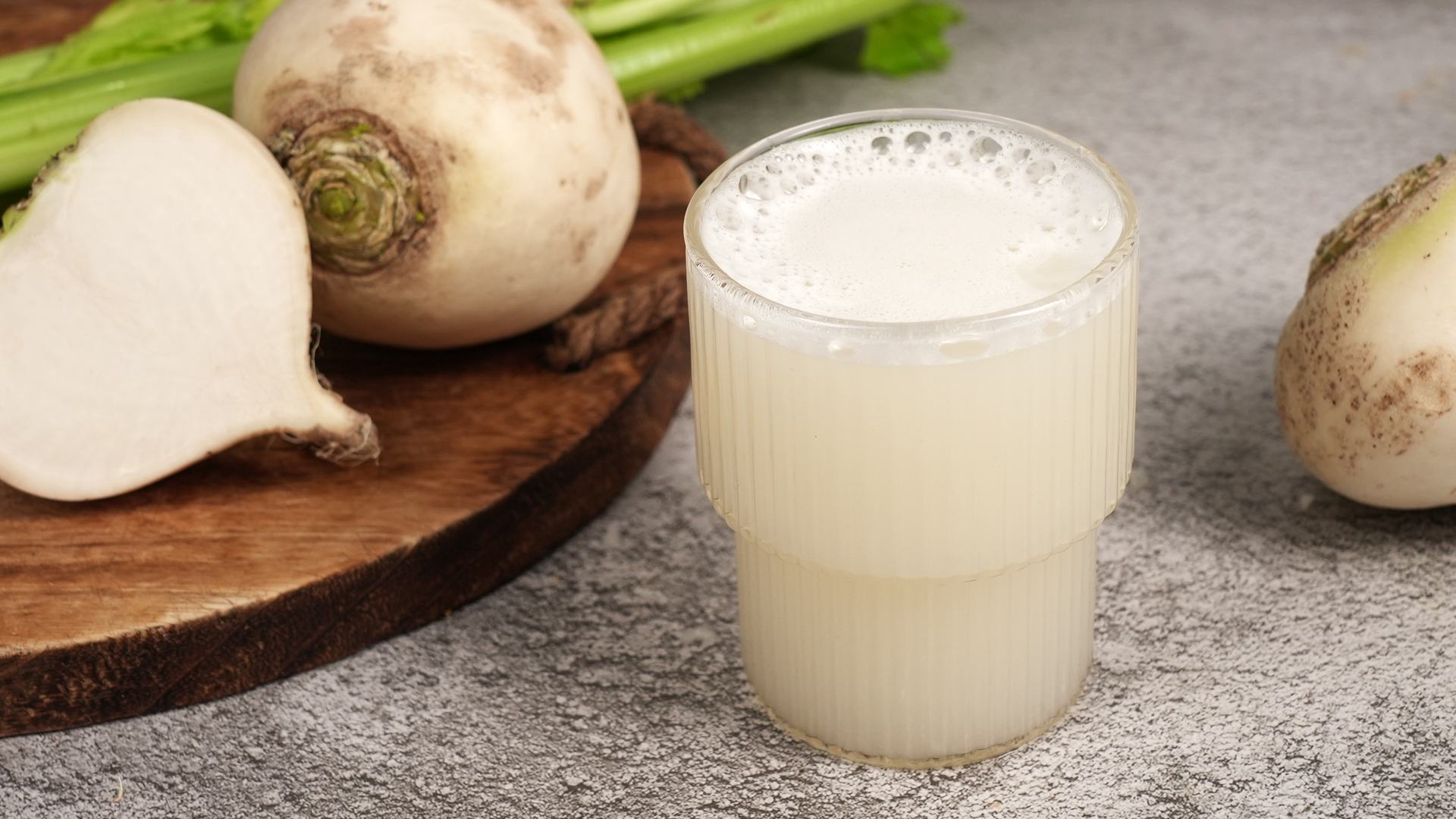
Radishes usually spend their lives sliced into salads, tucked into tacos, or sitting untouched beside a bowl of ranch dressing. Yet these crisp little root vegetables also make surprisingly lively juice. Their flavor is peppery, clean, and slightly earthysomewhere between a cucumber that joined a motorcycle club and a very polite horseradish.
Homemade radish juice can be prepared with red radishes, daikon, watermelon radishes, or a mixture of varieties. Red radishes produce a sharper drink, while daikon generally offers a milder, slightly sweeter flavor. Because radishes are mostly water and naturally low in calories, they blend well with hydrating ingredients such as cucumber, celery, citrus, apples, and carrots. They also contain vitamin C and plant compounds associated with cruciferous vegetables, including glucosinolates and isothiocyanates. These compounds are interesting from a nutrition perspective, but radish juice should still be treated as foodnot as a miracle detox potion capable of negotiating with your liver.
Below are four easy ways to make radish juice, ranging from bright and citrusy to earthy and naturally sweet. Each recipe includes instructions for both a juicer and a blender, so you do not need to purchase an appliance large enough to require its own parking space.
Before You Start: Choosing and Preparing Radishes
Select fresh, firm radishes
Look for radishes that feel firm and heavy for their size. Their skin should be smooth, brightly colored, and free from deep cracks, soft spots, or slimy patches. If the leafy tops are attached, fresh-looking greens are a helpful sign, although the roots may still be usable after the leaves begin to wilt.
Small and medium red radishes often taste milder than oversized ones. Large radishes are not automatically bad, but they may be more fibrous or aggressively peppery. For a gentler introduction to radish juice, use daikon or combine red radishes with cucumber and apple.
Wash produce carefully
Radishes grow in soil, so washing them thoroughly is not optional. Rinse every radish under cool running water, rubbing away visible dirt with clean fingers or a produce brush. Trim off the thin root ends and remove damaged areas. Do not wash produce with dish soap, bleach, or household detergent. The U.S. Food and Drug Administration recommends plain running water because produce can absorb substances that were never invited to breakfast.
Wash apples, cucumbers, carrots, celery, lemons, limes, ginger, and herbs before cutting them. Clean your knife, cutting board, juicer, blender, strainer, and hands as well. Fresh juice receives little or no heat treatment, so clean preparation matters.
Juicer method versus blender method
A juicer separates liquid from most of the pulp, producing a smooth, concentrated drink. A blender keeps more of the edible plant material unless the mixture is strained. That means an unstrained blended drink generally retains more fiber.
Juicing is not nutritionally superior to eating whole vegetables. Most traditional juicers remove much of the fiber that supports fullness, digestion, and steadier absorption of natural sugars. Radish juice can complement a balanced diet, but it should not replace whole vegetables or regular meals.
1. Classic Radish and Lemon Juice
This simple recipe lets the radish flavor take center stage while cucumber and lemon smooth out its rougher edges. The result is tart, refreshing, and pleasantly peppery rather than “someone accidentally liquefied a condiment tray.”
Ingredients
- 8 medium red radishes
- 1 medium cucumber
- 1/2 lemon, peeled
- 1/2 cup cold water, if using a blender
- 1 teaspoon honey or maple syrup, optional
- A few ice cubes, optional
How to make it with a juicer
- Wash and trim the radishes.
- Cut the cucumber into pieces that fit your juicer’s feed chute.
- Peel the lemon, removing as much bitter white pith as practical.
- Run the cucumber, radishes, and lemon through the juicer.
- Stir the juice thoroughly and taste it.
- Add a small amount of honey or maple syrup if the flavor is sharper than you prefer.
- Serve immediately over ice.
How to make it with a blender
- Chop the radishes and cucumber into small pieces.
- Add them to a high-speed blender with the peeled lemon and cold water.
- Blend for 45 to 60 seconds, or until the mixture is as smooth as possible.
- Drink it unstrained for more pulp and fiber, or pour it through a fine-mesh strainer for a lighter texture.
- Stir, adjust the sweetness, and serve cold.
Flavor tip: Start with six radishes if you are uncertain about their heat. You can always add more. Removing radish from an already blended drink is considerably more complicated and may require a small wizard.
2. Apple-Ginger Radish Juice
Apple is one of the easiest ingredients to pair with radish. Its sweetness softens the peppery bite, while ginger connects the two flavors with a warm, aromatic finish. This is an excellent radish juice recipe for beginners because it tastes familiar without becoming overly sugary.
Ingredients
- 6 to 8 red radishes
- 1 crisp apple, such as Fuji, Gala, or Honeycrisp
- 1/2 medium cucumber
- 1/2-inch piece fresh ginger
- 1 tablespoon fresh lemon juice
- 1/2 cup cold water, if blending
Instructions
- Wash all the produce thoroughly.
- Trim the radishes and remove the apple core and seeds.
- Cut everything into pieces suitable for your machine.
- For a juicer, process the cucumber first, followed by the radishes, apple, and ginger.
- For a blender, combine all the ingredients with cold water and blend until smooth.
- Strain the blended mixture if desired.
- Stir in the lemon juice and serve immediately.
The ginger should support the recipe rather than seize control of it. A piece about the size of the top joint of your little finger is usually enough. Larger amounts create a much hotter drink, especially when combined with spicy red radishes.
To limit the drink’s natural sugar, use half an apple and add more cucumber. Keeping vegetable juice mostly vegetable-based is a sensible way to avoid turning a nutritious drink into fruit punch wearing a green hat. Current nutrition guidance also emphasizes that whole produce remains preferable for regular fiber intake.
3. Green Radish Juice With Cucumber, Celery, and Mint
This version is cool, savory, and less sweet than the apple recipe. Cucumber contributes liquid, celery adds a fresh vegetal flavor, and mint makes the finished juice smell as refreshing as it tastes. Lime provides enough acidity to brighten everything without overwhelming the radish.
Ingredients
- 5 red radishes or 1 cup chopped daikon
- 1 medium cucumber
- 2 celery stalks
- 8 fresh mint leaves
- 1/2 lime, peeled
- A tiny pinch of salt, optional
- 1/2 to 3/4 cup cold water, if blending
Instructions
- Wash the radishes, cucumber, celery, mint, and lime.
- Trim and chop the produce as needed.
- If using a juicer, alternate firm radish pieces with cucumber and celery. Feed the mint through between larger pieces so it does not simply decorate the inside of the machine.
- If using a blender, combine everything with cold water and blend for one minute.
- Strain for a thin juice or leave it slightly pulpy.
- Add a very small pinch of salt if desired, stir, and serve cold.
Daikon works especially well in this recipe because its flavor is often milder than that of red radishes. The drink can also be diluted with sparkling water for a savory spritzer. Pour one part radish juice over one part chilled sparkling water and garnish it with mint or a cucumber ribbon.
Do not assume that more celery, salt, or bottled vegetable juice is always better. People monitoring sodium intake should keep additions modest and check labels on packaged ingredients.
4. Ruby Radish, Carrot, and Beet Juice
This jewel-colored recipe combines radishes with the natural sweetness of carrots and the earthy depth of beet. Lemon keeps the mixture bright, while the radishes prevent it from tasting like liquid root-vegetable candy.
Ingredients
- 6 red radishes
- 2 medium carrots
- 1/2 small beet
- 1 small apple or 1/2 large apple
- 1/2 lemon, peeled
- 1/2-inch piece fresh ginger, optional
- 3/4 cup cold water, if blending
Instructions
- Wash and trim all the produce. Peel the beet if its skin is tough or heavily marked.
- Cut the vegetables and apple into manageable pieces.
- If using a juicer, alternate hard vegetables with the apple and lemon to help move everything through the machine.
- If using a blender, add the water first, followed by the remaining ingredients.
- Blend until smooth, then strain if you prefer a traditional juice texture.
- Stir well before serving because beet solids settle quickly.
Kitchen warning: Beet juice stains cutting boards, towels, countertops, and any white shirt foolish enough to enter the room. Clean splashes promptly and consider wearing an apron.
For a lighter version, replace the apple with additional cucumber. For a sweeter version, increase the carrot rather than adding refined sugar. The goal is balance: earthy beet, sweet carrot, tart lemon, and just enough radish bite to keep the drink interesting.
How to Adjust the Flavor of Radish Juice
When the juice is too spicy
Add cucumber, cold water, apple, carrot, or a squeeze of citrus. Serving the drink very cold also makes the sharpness feel less intense. Do not add more ginger to “balance” spicy radish unless your preferred beverage experience resembles breathing near an open campfire.
When the juice is too earthy
Lemon, lime, green apple, pineapple, and fresh mint can lift earthy flavors. Use pineapple sparingly because it can dominate the recipe and significantly increase sweetness.
When the juice tastes flat
Add acidity before adding sweetener. A teaspoon of lemon or lime juice often fixes a dull drink immediately. A tiny pinch of salt may also sharpen the flavor, although it should remain optional.
When the texture is too thick
Blend in cold water a few tablespoons at a time. Alternatively, strain the mixture through a fine-mesh sieve, nut-milk bag, or several layers of clean cheesecloth. Press gently rather than twisting the bag with maximum force unless spraying pink juice across the kitchen is part of your decorating plan.
Storage and Food-Safety Tips
Fresh homemade juice is best consumed immediately. Without commercial pasteurization, bacteria can multiply during storage, and exposure to air gradually changes the drink’s flavor, color, and aroma. Mayo Clinic recommends making only as much fresh juice as you can drink at one time, while FDA guidance stresses careful washing and refrigeration.
If you need to store radish juice, pour it into a clean, airtight container, refrigerate it promptly, and consume it as soon as possiblepreferably within 24 hours. Fill the container close to the top to reduce air exposure. Discard juice that develops an unpleasant fermented smell, unusual foam, bulging container, slimy texture, or suspicious flavor.
Pregnant people, young children, older adults, and people with weakened immune systems should be especially cautious about unpasteurized juices. Commercial juice should be checked for pasteurization information, and homemade juice requires meticulous handling.
What to Do With Leftover Radish Pulp
Juicer pulp does not have to go directly into the trash. Its texture and peppery flavor can be useful in savory recipes.
- Mix it into vegetable fritter batter.
- Add a small amount to coleslaw or chopped salad.
- Stir it into softened cream cheese with herbs.
- Combine it with shredded potato for hash browns.
- Add it to soup, stew, or vegetable stock.
- Mix it into compost when culinary inspiration has taken the day off.
Because pulp is perishable, refrigerate it immediately and use it quickly. Do not save pulp that has been sitting at room temperature for an extended period.
Practical Experiences and Lessons From Making Radish Juice
The first surprise many home cooks encounter is how powerful a small number of radishes can be. Six ordinary red radishes may look harmless on a cutting board, but once concentrated into a glass, they can produce a serious peppery kick. Beginning with fewer radishes is usually wiser than enthusiastically feeding an entire bunch into the juicer and discovering that breakfast now tastes like a garden with anger-management issues.
Temperature makes a noticeable difference. Chilled radishes, cucumbers, and apples produce a drink that tastes cleaner and less aggressive than juice made from warm produce. Ice can help, but chilling the ingredients beforehand avoids excessive dilution. A cold glass is also useful, especially for savory cucumber-and-celery versions.
The order in which ingredients enter a juicer can improve both yield and convenience. Soft or leafy ingredients, such as mint, tend to disappear inside the machine when processed alone. Sandwiching them between cucumber, apple, or radish pieces helps push them through. Alternating dry, firm produce with watery produce can also keep the juicer moving more smoothly.
Blender users often expect a perfectly clear drink and become alarmed when the result resembles a vegetable smoothie. That is normal. A blender pulverizes produce rather than separating the juice mechanically. Adding enough water and blending thoroughly creates a drinkable mixture, but straining is necessary for a thin texture. Leaving some pulp in the glass retains more fiber and creates a more filling beverage, so clarity is a preference rather than a nutritional requirement.
Different radish varieties can transform the same recipe. Red radishes offer the classic sharp flavor. Daikon tends to be milder and works well with cucumber, lime, and herbs. Watermelon radish creates a beautiful pink drink but may vary from sweet to peppery. Black radish is considerably more assertive and should be introduced cautiouslyperhaps not during an important breakfast meeting.
Another common lesson is that citrus usually works better than extra sweetener. When a drink seems harsh or dull, lemon or lime can make the flavors feel brighter without covering the radish completely. Apple and carrot are useful for sweetness, but too much fruit can turn a vegetable-forward juice into a concentrated source of natural sugar. A balanced recipe generally uses sweetness as supporting cast, not the lead actor.
Cleaning immediately is one of the most valuable habits in home juicing. Radish pulp dries quickly around screens, blades, lids, and narrow corners. Beet-containing recipes add staining to the adventure. Rinsing equipment as soon as the juice is poured saves time and prevents the machine from developing an aroma best described as “forgotten salad drawer.”
Finally, portion size matters. Radish juice is most enjoyable as a small, flavorful addition to a meal rather than a replacement for breakfast, lunch, common sense, and every whole vegetable in the refrigerator. An eight-ounce serving is generally plenty for experimenting. Pair it with a balanced meal containing protein, healthy fat, and fiber, and continue eating radishes and other produce in whole form as well.
Conclusion
Learning how to make radish juice is mainly an exercise in flavor balance. Radish provides the peppery base; cucumber adds water and freshness; apples and carrots contribute sweetness; citrus supplies brightness; and herbs or ginger add personality. Whether you choose classic radish-lemon juice, a beginner-friendly apple-ginger blend, a green cucumber-celery drink, or a colorful beet-and-carrot version, start with a moderate amount of radish and adjust after tasting.
Prepare the produce carefully, clean your equipment, drink fresh juice promptly, and remember that juicing does not make whole vegetables obsolete. Radish juice is not a cure, cleanse, or magical shortcut. It is simply a crisp, unusual homemade beverageand sometimes that is more than enough.
Note: Nutrition and food-safety information in this article is educational and is not a substitute for individualized medical advice. People managing diabetes, kidney disease, digestive conditions, medication interactions, pregnancy-related dietary concerns, or other health conditions should consult a qualified healthcare professional about appropriate portions and ingredients.