Landing in the United States can feel a little like stepping into a movie set where every scene has been turned up two notches: the drinks are colder, the roads are wider, the grocery stores are brighter, and someone is asking how your day is before you have located the exit.
Of course, the United States is not one giant personality. New York is not Texas, Texas is not California, and California is not remotely the same as a small town in Maine. Still, travelers, exchange students, expats, and first-time visitors often describe similar moments of surprise. The following 40 culture shocks reflect recurring first impressionsnot rules about every American or every place in the country.
40 Biggest Culture Shocks Foreign Visitors Notice in the United States
-
The Price on the Tag Is Not Always the Final Price
Many visitors expect the number on a shelf to be the amount they pay. Then sales tax appears at checkout like a tiny plot twist. The final total can vary by state, city, and sometimes even neighborhood.
-
Tipping Feels Like a Pop Quiz With a Calculator
Restaurant bills, coffee counters, ride-share apps, hotel services, and delivery orders can all present tipping prompts. Foreign visitors often wonder whether they are being generous, rude, confused, or accidentally funding someone’s retirement.
-
Restaurant Portions Can Look Like a Catering Order
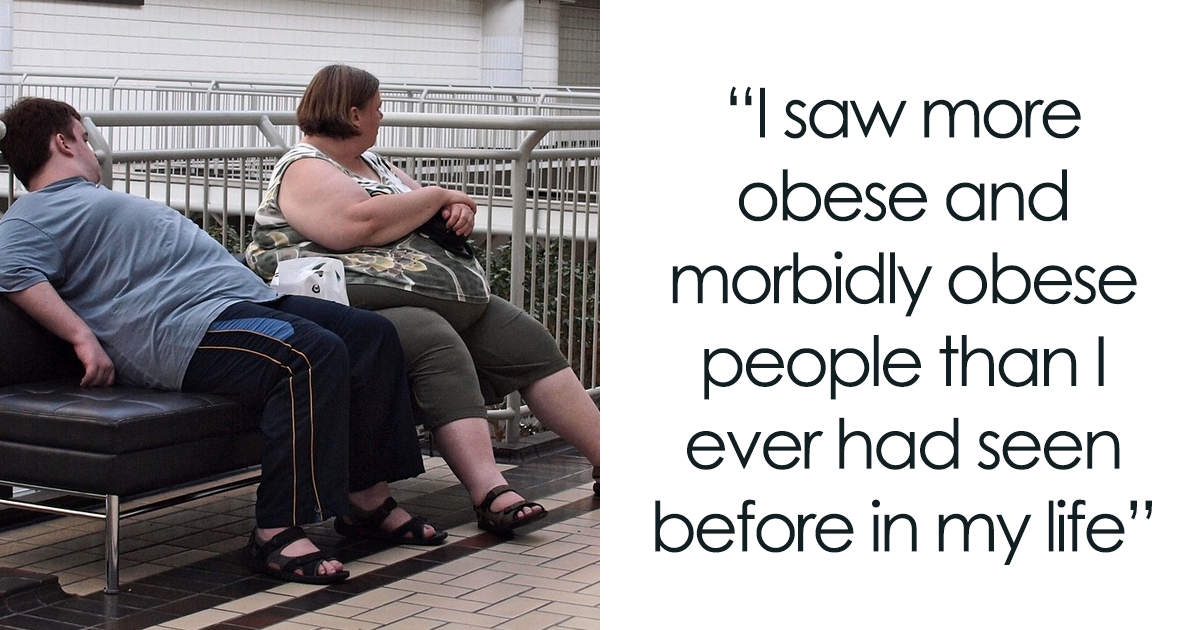
A single entrée may arrive with enough food to feed one hungry traveler, one future traveler, and possibly a small emotional-support raccoon. Taking leftovers home is common and perfectly normal.
-
Free Refills Are Taken Very Seriously
In many restaurants, a server may refill soda, iced tea, coffee, or water before the glass is even halfway empty. Visitors from countries where refills cost extra can find this both delightful and slightly alarming.
-
Ice Is Everywhere
American drinks often arrive packed with ice, even when the weather outside could qualify as a mild winter emergency. Some travelers expect a small cube or two and receive what appears to be a tiny glacier.
-
Drive-Through Everything
Drive-through coffee, banking, pharmacies, fast food, dry cleaning, and even wedding chapels have surprised visitors. In much of the country, convenience is not merely appreciated; it is practically a national sport.
-
Cars Are Often a Necessity, Not a Luxury
Outside major urban areas, walking to a store, school, office, or restaurant may be difficult or impractical. Visitors used to dense cities and reliable public transit are often stunned by how much life revolves around driving.
-
Distances Are Treated Differently
Americans may casually say, “It’s only a two-hour drive,” with the same tone someone else might use to describe walking to a nearby bakery. The size of the country changes people’s definition of “close.”
-
Parking Lots Can Be Bigger Than the Buildings
Foreign visitors sometimes arrive at a shopping center and wonder whether they have accidentally entered an airport. In car-centered communities, massive parking areas are simply part of the landscape.
-
Grocery Stores Feel Like Indoor Cities
American supermarkets can have bakery departments, floral sections, pharmacies, hot-food counters, salad bars, seasonal decorations, and enough cereal choices to cause a minor identity crisis.
-
“How Are You?” Usually Does Not Require a Full Biography
Visitors often take this question literally at first. In many casual American interactions, “How are you?” works more like a friendly greeting than an invitation to explain your current emotional weather pattern.
-
Strangers Smile and Start Conversations
Depending on the region, someone may chat with you in a store line, compliment your shoes, ask where you are from, and wish you a wonderful dayall before you have purchased toothpaste.
-
First Names Arrive Quickly
American workplaces and classrooms often use first names, even when there are differences in age, rank, or job title. For visitors from more formal cultures, calling a professor or manager by a first name can feel daring.
-
Small Talk Is a Social Warm-Up
Weather, sports, pets, weekend plans, traffic, and local restaurants can all become conversation starters. The goal is often friendliness rather than deep personal disclosure, although some visitors initially find it unexpectedly chatty.
-
“Awesome” Has Many Jobs
In American English, “awesome” can describe a life-changing experience, a decent sandwich, a calendar update, or the fact that someone found the correct email attachment. Context does a lot of heavy lifting.
-
Plans May Need to Be Scheduled Far in Advance
Visitors from places with spontaneous social cultures may be surprised when friends need to check calendars before meeting for coffee. A casual dinner can sometimes require the organizational skills of a small diplomatic summit.
-
Privacy Is Often Highly Valued
Americans may be open about hobbies, careers, or favorite television shows while still keeping finances, family issues, and private relationships carefully protected. Friendly does not always mean immediately intimate.
-
Personal Space Has Invisible Borders
Standing very close to someone while talking may make some Americans uncomfortable, especially with strangers. Visitors can find the preferred distance surprisingly large, as if each person has an invisible bubble around them.
-
Compliments Are Common
People may praise a haircut, jacket, accent, lunch choice, presentation, or pet without knowing the person well. For some visitors, this feels wonderfully warm; for others, it takes time to recognize it as ordinary friendliness.
-
Customer Service Can Be Extremely Enthusiastic
Workers may greet customers with big energy, ask whether help is needed several times, and end every interaction with a cheerful farewell. This can feel either welcoming or like being pursued by a very polite sales tornado.
-
Casual Clothing Is Very Casual
Leggings, hoodies, sneakers, baseball caps, and pajama-style pants can appear in public almost anywhere. Visitors from more formal cultures may be surprised by how little effort some Americans seem to require before leaving home.
-
Air Conditioning Is Practically a Lifestyle
Even in very warm states, indoor spaces may feel chilly enough for a light jacket. Visitors often learn quickly that summer in America can mean sunburn outside and sweater weather inside.
-
Homes Can Be Larger Than Expected
Detached houses, large kitchens, walk-in closets, basements, garages, and multiple bathrooms can surprise visitors, especially those from countries where urban living means compact apartments and carefully measured furniture.
-
Bathroom Stall Gaps Are a Mystery Nobody Solves
Some visitors are baffled by the spaces around public restroom doors. Americans may barely notice them, while newcomers can spend several minutes wondering whether the architect had a personal disagreement with privacy.
-
Pharmacies Sell Almost Everything
A pharmacy may also carry snacks, cosmetics, greeting cards, school supplies, seasonal décor, household goods, and photo services. Visitors expecting a quiet medicine counter may instead enter a miniature department store.
-
Prescription and Health Insurance Paperwork Can Be Intense
Foreign visitors often notice that medical appointments, insurance terms, copays, networks, and billing paperwork can be complicated. Even simple healthcare questions may involve forms, phone calls, and several new vocabulary words.
-
School Sports Can Feel Like Major Entertainment
High school and college football, basketball, baseball, and other sports may draw large crowds, marching bands, community events, and serious local pride. For many visitors, the atmosphere feels closer to a festival than a school activity.
-
Seasonal Decorations Start Early
Halloween, Thanksgiving, Christmas, Valentine’s Day, and the Fourth of July can take over stores and neighborhoods weeks before the actual event. Americans do not simply acknowledge holidays; they decorate for them with commitment.
-
Holiday Food Traditions Are Deeply Emotional
Thanksgiving dishes, barbecue styles, regional desserts, family recipes, and holiday casseroles often carry more meaning than visitors expect. Criticizing a beloved local dish can quickly become an accidental debate tournament.
-
Regional Food Is More Diverse Than the Stereotypes
Visitors who expect only burgers and fast food are often surprised by the variety of Mexican, Southern, Cajun, Chinese, Vietnamese, Caribbean, Native American, Italian American, Korean, Jewish, and regional cuisines.
-
People Often Eat Earlier Than Expected
In many places, dinner may happen around 5:30 or 6:30 p.m., especially for families. Visitors from cultures where dinner begins at 8:00 or 9:00 p.m. can find restaurant crowds disappearing surprisingly early.
-
Returning Purchases Can Be Easier Than Expected
Many American retailers have flexible return policies, receipts are carefully saved, and customer service desks are common. Visitors may find the process refreshingly simple compared with stricter return systems elsewhere.
-
Work Culture Can Sound Very Optimistic
Words like “opportunity,” “growth,” “innovation,” “hustle,” and “next steps” appear often in professional settings. Visitors may notice a strong emphasis on confidence, enthusiasm, and presenting ideas positively.
-
People May Change Jobs, Cities, and Careers More Often
Moving across states for school, work, or relationships is common for many Americans. Foreign visitors sometimes find the mobility exciting, while others are surprised by how far people may live from extended family.
-
College Can Become a Lifelong Identity
Graduation may be years ago, but alumni gear, school colors, sports rivalries, and campus traditions often remain important. A university can function as a hometown, tribe, and wardrobe theme all at once.
-
People Apologize for Small Things
Americans may say “sorry” when someone else bumps into them, when they need to squeeze past a chair, or when they accidentally interrupt. It often means “I acknowledge this tiny inconvenience,” not “I have committed a grave offense.”
-
Convenience Technology Is Built Into Daily Life
Online pickup, curbside delivery, self-checkout, food delivery apps, automatic payments, and giant warehouse stores can make daily errands feel highly optimized. Visitors may be impressed by the speedand slightly exhausted by the options.
-
Weather Can Change the Entire Routine
Snowstorms, tornado warnings, hurricanes, wildfire smoke, heat waves, and dramatic thunderstorms can shape local habits. The United States is large enough that one area may be shoveling snow while another is applying sunscreen.
-
American Diversity Is More Visible Than Expected
Visitors often arrive with one image of “American culture” and quickly discover many languages, faiths, food traditions, accents, family structures, and regional identities sharing the same country.
-
The United States Often Feels Like Several Countries in One
What feels normal in Los Angeles may seem unusual in Atlanta, Chicago, Miami, Seattle, or a small Midwestern town. The biggest culture shock may be realizing there is no single American experience to decode.
Why These American Culture Shocks Happen
Culture shock is not always dramatic. Sometimes it is a restaurant server returning with a refill before you have finished one sip. Sometimes it is discovering that a “quick trip” involves a car, a parking lot, a highway, and twenty minutes of driving. Sometimes it is realizing that a stranger’s cheerful “How are you?” is not a request for your complete emotional autobiography.
Many of the biggest surprises come from systems rather than personalities. Tipping, sales tax, healthcare paperwork, parking, suburban development, large grocery stores, and customer service habits are shaped by local history, economics, geography, and regional expectations. A traveler may assume that a confusing custom is universal across the country, when it may actually be more common in one state, city, or industry.
The trick is to stay curious. Instead of deciding that something is strange, visitors often have a better experience when they ask why it exists. The strange thing may become practical once the background is clear. Or it may remain strange, which is also part of the fun.
Extended Perspective: What Foreign Visitors Often Learn After the First Surprise
After the first few days in the United States, many visitors begin to see that the most memorable culture shocks are rarely the obvious ones. Yes, the servings can be enormous, the highways can feel endless, and the air conditioning can make a July afternoon feel like a January morning. But the more interesting discoveries usually happen in everyday interactions. A visitor may notice how quickly strangers offer directions, how often people ask about weekend plans, or how neighbors can be friendly while still keeping firm boundaries around private life.
One of the most useful lessons is that Americans often communicate warmth and independence at the same time. Someone may welcome you enthusiastically, recommend three restaurants, help carry a suitcase upstairs, and then expect you to make your own decisions without much pressure. To newcomers, this can seem contradictory. In reality, it reflects a cultural balance many people recognize: be friendly, be helpful, but respect the other person’s autonomy.
Visitors also learn that stereotypes become less useful the longer they stay. A large city may be crowded, fast-paced, and highly international. A college town may be walkable and social. A suburb may revolve around schools, cars, and family schedules. A rural area may feel deeply connected to local traditions and outdoor life. Even two neighborhoods in the same metro area can have completely different rhythms. The United States is broad enough to reward curiosity and punish overconfidence.
Food is another area where first impressions often evolve. A traveler may begin with chain restaurants because they are familiar and easy to spot. Later, they discover local diners, farmers markets, food trucks, immigrant-owned restaurants, regional barbecue styles, neighborhood bakeries, and dishes that do not appear in movies. The same applies to people. The more visitors leave the tourist zone, the more likely they are to encounter versions of America that feel less packaged and more personal.
The best response to culture shock is usually not to fight it or romanticize it. It is to notice it, laugh when appropriate, ask respectful questions, and give yourself time. Eventually, the sales tax stops being shocking. The giant grocery store becomes navigable. The phrase “Have a good one” starts to sound natural. And one day, without realizing it, you may find yourself telling a new visitor that a three-hour drive is “not that bad.”
Conclusion
The biggest culture shocks for foreigners visiting the United States often come from ordinary details: how people pay, eat, travel, greet strangers, decorate homes, plan social events, and define personal space. Some visitors love the speed and convenience. Others need time to adjust to the scale, the costs, and the constant decision-making. Most eventually discover that American culture is not one fixed personalityit is a huge collection of regional habits, communities, traditions, and contradictions.
That is what makes the experience memorable. The United States may surprise visitors with a giant soda, a complicated receipt, or an enthusiastic cashier, but the deeper lesson is simple: everyday life becomes far more interesting when you see it through someone else’s eyes.