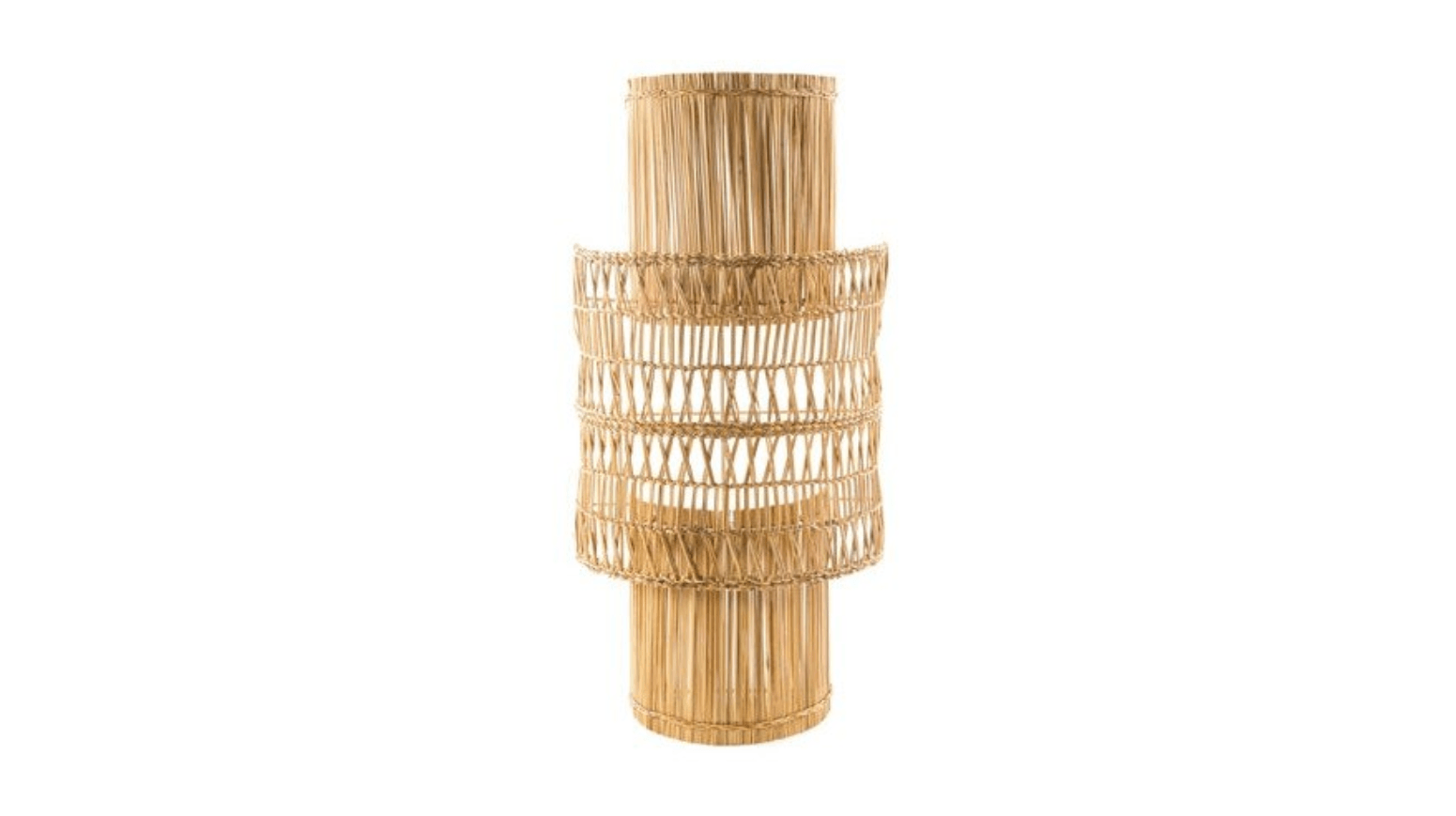
Some home upgrades announce themselves with a construction crew, a dust cloud, and three mysterious receipts from the hardware store. Others simply glow. Summery natural fiber sconces belong firmly in the second category. They bring instant warmth, texture, and “I casually vacation in a linen shirt” energy to a room, even if the closest you got to the coast today was rinsing a cereal bowl.
Natural fiber sconces are wall lights made with woven or plant-based materials such as rattan, wicker, seagrass, raffia, jute, cane, bamboo, or bulrush. They are popular because they soften light beautifully, add organic texture, and work across coastal, bohemian, cottage, modern rustic, Japandi, and relaxed traditional interiors. In other words, they are the lighting equivalent of a straw hat: practical, charming, and somehow able to improve the mood immediately.
This guide rounds up five favorite styles of summery natural fiber sconces, explains where each works best, and shares real-world buying and styling advice so you do not accidentally install a beach-house masterpiece at forehead height.
Why Natural Fiber Sconces Feel So Right in Summer
Summer decorating is rarely about adding more stuff. It is about making a room feel lighter, looser, and easier to live in. Natural fiber wall sconces do that without demanding a total redesign. A woven shade breaks up harsh light, throws gentle shadows, and adds a handmade layer to flat walls. Unlike glossy metal or opaque glass, woven lighting has movement. It looks different in morning light, golden hour, and after-dark dinner-party mode.
The best part is that natural fiber lighting does not have to scream “beach house.” A rattan wall sconce can look crisp beside white plaster, sophisticated with brass hardware, playful in a kids’ room, and quietly elegant next to wood furniture. Seagrass leans casual and coastal. Raffia feels breezy and Mediterranean. Jute brings a rustic, earthy texture. Cane and wicker can swing traditional or modern depending on shape. Bulrush has a sculptural, artisanal quality that looks collected rather than mass-produced.
What to Know Before Buying a Woven Wall Light
Natural Fiber Is About Texture, Not Just Color
Most natural fiber sconces come in warm neutral tones: honey, straw, sand, wheat, tan, and soft brown. But the bigger difference is the weave. A tight rattan drum shade gives a tailored look. An open seagrass weave creates dappled light and playful shadows. A raffia shade feels soft and fringy. A jute-wrapped frame looks more architectural. Choose the texture first, then worry about the finish.
Hardwired vs. Plug-In Matters
A hardwired sconce looks clean and permanent because the wiring is hidden in the wall. It is ideal for bedrooms, hallways, dining rooms, and bathrooms when the fixture is properly rated for the location. A plug-in sconce is easier for renters or anyone avoiding electrical work. It will show a cord, but that cord can look intentional if routed neatly with clips or a cord cover. The plug-in option is also excellent for reading nooks, home offices, and small apartments where the lighting plan was apparently designed by someone who believed one ceiling light could solve civilization.
Check Safety Ratings Before Styling Dreams Take Over
Natural materials and moisture are not automatically best friends. For bathrooms, laundry rooms, covered porches, or humid areas, look for fixtures labeled damp-rated or wet-rated depending on exposure. Damp-rated fixtures can handle moisture in the air but not direct water. Wet-rated fixtures are built for direct contact with water or outdoor exposure. A rattan sconce beside a vanity may be lovely, but only if the product listing confirms it belongs there.
Use the Right Bulb
For the flattering, summery glow most people want, choose warm LED bulbs in the 2700K to 3000K range. That temperature feels soft and residential, not “airport security checkpoint.” LEDs also use far less energy and last much longer than old incandescent bulbs, which is helpful when the bulb is tucked behind a woven shade and you would prefer not to perform a ladder ritual every few months.
5 Favorite Summery Natural Fiber Sconces
1. The Tailored Rattan Drum Sconce
If you want one natural fiber wall light that works almost anywhere, start with a rattan drum sconce. This style usually features a round woven shade mounted to a simple metal backplate. It is clean, compact, and versatile. The drum shape keeps the look polished, while the rattan prevents the fixture from feeling too stiff.
A rattan drum sconce shines in pairs. Use two flanking a bed instead of table lamps to free up nightstand space. Place a pair on either side of a mirror in a powder room if the fixture is damp-rated. Install them along a hallway to soften a long wall. The style also works beautifully in dining rooms, especially when paired with pale wood, linen curtains, and a table that has seen at least one heroic bowl of summer pasta salad.
Look for details such as a tight, even weave, a sturdy metal backplate, dimmer compatibility, and a bulb that is hidden from direct view. A visible bulb behind rattan can create glare if the shade is too open. Frosted bulbs are usually kinder to the eyes and better for ambiance.
Best for: bedrooms, hallways, powder rooms, dining spaces, coastal-modern interiors.
Style tip: Pair a rattan drum shade with matte white, aged brass, or oil-rubbed bronze hardware. White feels beachy and fresh; brass feels warmer and more dressed; dark bronze adds contrast for modern rustic rooms.
2. The Sculptural Bulrush Sconce
Bulrush sconces are for people who want natural texture with a little more artistry. Bulrush is a plant fiber that can be woven over a metal frame, creating shades that feel handmade and sculptural. Compared with standard rattan, bulrush often has a more irregular, organic character. It looks less like a product and more like something discovered in a tiny design shop where everyone speaks softly and owns excellent ceramics.
This style works especially well when the sconce shape is simple but expressive: a cone, bell, half-dome, or elongated shade. Because the material already has texture, the silhouette does not need to be loud. A bulrush wall sconce can warm up white walls, soften plaster, and make a modern room feel less showroom-perfect.
Use this style in an entryway, reading corner, or guest bedroom. It is also lovely in pairs beside built-in shelving, where the woven shade adds a natural counterpoint to books, art, and collected objects. If your room has stone, limewash, terracotta, or raw wood, bulrush will feel right at home.
Best for: artisan-inspired spaces, Mediterranean interiors, quiet luxury rooms, earthy minimalism.
Style tip: Let a sculptural bulrush shade breathe. Do not crowd it beside oversized artwork, tall cabinets, or dramatic window treatments. The beauty is in the silhouette and shadow.
3. The Breezy Raffia Wall Lamp
Raffia is made from palm fiber, and it brings a softer, looser personality to wall lighting. Raffia sconces often have a relaxed edge, sometimes with fringe, scalloping, or a handmade woven surface. They are ideal when you want a summer mood that feels less nautical and more “Mediterranean lunch under a striped umbrella.”
A raffia wall lamp is wonderful in a bedroom, sunroom, breakfast nook, or casual sitting area. It pairs well with painted furniture, block-print pillows, vintage wood, and soft white walls. Because raffia can feel delicate, it is best used where it will not be bumped constantly. Narrow hallways and high-traffic stairwells may not be the right stage for its big straw-hat moment.
When shopping, check whether the shade is fully woven or simply wrapped. Both can be attractive, but fully woven raffia often has more depth and shadow play. Also check whether the shade is removable for dusting. Natural fibers collect dust because texture is both their charm and their tiny housekeeping flaw. We forgive them. Mostly.
Best for: bedrooms, sunrooms, breakfast nooks, relaxed coastal and bohemian homes.
Style tip: Raffia looks excellent with soft color: butter yellow, faded blue, sage green, clay pink, or warm cream. Avoid pairing it with too many shiny finishes, which can make the natural material feel like an afterthought.
4. The Seagrass Plug-In Sconce
The seagrass plug-in sconce is the practical favorite. It gives you texture, glow, and flexibility without opening a wall. Seagrass has a slightly thicker, more casual texture than raffia and often appears in cylinder, basket, or layered open-weave shapes. When lit, it can cast a dappled glow that instantly makes a room feel softer.
This is a smart pick for renters, dorms, small apartments, and older homes where adding electrical boxes would become a saga. Install one beside a reading chair, above a compact desk, next to a daybed, or in a hallway that needs mood lighting but not a renovation. A black or fabric-wrapped cord can look intentional if the rest of the room includes other dark accents.
Because plug-in sconces are visible from more angles, pay attention to cord color, switch placement, and cord length. A 12-foot cord offers more flexibility, but it also requires a plan. Nothing ruins the romance of woven lighting like a cord dangling across the wall like it is trying to escape.
Best for: rentals, reading nooks, hallways, apartments, quick weekend upgrades.
Style tip: Use plug-in seagrass sconces in symmetrical pairs when possible. Symmetry makes the visible cords feel more deliberate and less like an emergency lighting solution.
5. The Jute, Rope, or Wicker Accent Sconce
The final favorite is the mixed-material natural fiber sconce: a metal frame wrapped in jute, a brass arm with a wicker shade, a rope-backed fixture, or a linen shade trimmed with rattan. These designs are useful when you want texture but need a more structured look. They bridge the gap between beachy and tailored.
A jute or rope sconce can look great in a bathroom, mudroom, hallway, or guest room, provided it has the correct rating for the space. A brass-and-rattan sconce adds polish to a lounge or powder room. A wicker swing-arm sconce works nicely beside a bed because it offers both texture and function. These pieces are often easier to blend with existing metal finishes because the fiber is an accent rather than the entire shade.
This category is also ideal if your room already has a rattan pendant or woven furniture. Instead of matching every piece exactly, coordinate the warmth of the materials. A rattan chandelier, cane cabinet, and wicker sconce can work together if their tones are related and the shapes are varied.
Best for: transitional homes, modern coastal rooms, bathrooms, bedrooms, layered neutral spaces.
Style tip: Choose one dominant metal finish. Natural fibers bring enough variation on their own, so keeping the metal consistent helps the room feel intentional.
Where to Use Summery Natural Fiber Sconces
Beside the Bed
Wall sconces free up nightstand space and create a boutique-hotel feeling without the boutique-hotel bill. Install them so the light source is comfortable for reading and not glaring into your eyes. Adjustable or swing-arm styles are best for readers. Fixed woven shades are better for glow and atmosphere.
In a Hallway
Hallways are often treated like indoor highways: pass through quickly, admire nothing. Natural fiber sconces change that. A series of woven wall lights can make a narrow hall feel warm and considered. For general placement, many designers use a center height around 60 to 66 inches from the floor, adjusted for ceiling height, fixture size, and sight lines.
In a Bathroom or Powder Room
A natural fiber sconce in a powder room is a small design mic drop. It adds texture where surfaces are often hard: tile, mirror, stone, and porcelain. Just be careful with ratings. A damp-rated fixture is generally appropriate for humid areas that do not receive direct water, while wet-rated fixtures are needed where water exposure is more serious. Also consider whether the shade will be easy to dust and whether makeup lighting needs a clearer, brighter source in addition to the decorative sconce.
In an Entryway
An entry is a perfect place for a woven sconce because the fixture sets the tone immediately. Natural fiber says, “Come in, relax, please ignore the pile of shoes pretending to be a sculpture.” Pair the sconce with a mirror, bench, narrow console, or piece of art.
On a Covered Porch
Natural fiber lighting can look beautiful outdoors, but only when the fixture is rated for the environment. A covered porch may allow for damp-rated fixtures, depending on exposure. Fully exposed outdoor walls require wet-rated fixtures. Also remember that natural materials may age, fade, or change with humidity and sun. For outdoor use, read the product specifications carefully rather than relying on vibes, no matter how persuasive the vibes are.
How to Style Natural Fiber Sconces Without Going Full Tiki Bar
The line between relaxed summer style and theme restaurant can be surprisingly thin. To keep woven lighting elegant, balance it with clean shapes and a restrained palette. Use natural fiber sconces with white walls, warm wood, linen, ceramic, stone, plaster, aged brass, or matte black. Avoid combining too many beach motifs in one space. A rattan sconce is lovely. A rattan sconce plus shell mirror plus anchor art plus “Beach, Please” sign may require intervention.
Texture works best when it has contrast. If your room is already full of woven baskets, jute rugs, cane chairs, and wicker trays, choose a simpler sconce with a refined silhouette. If your room is mostly smooth surfaces, a more open or sculptural woven shade can become the star.
Scale is just as important. Small sconces can disappear on large walls. Oversized woven shades can overwhelm tight spaces or catch elbows in narrow halls. Before buying, measure the fixture’s height, width, and projection from the wall. Projection is especially important near beds, doors, and walkways.
Shopping Checklist for Natural Fiber Wall Sconces
- Material: Is it rattan, seagrass, raffia, jute, cane, wicker, bamboo, or a synthetic lookalike?
- Installation: Is it hardwired, plug-in, or battery-powered?
- Safety rating: Is it dry-rated, damp-rated, wet-rated, or UL listed?
- Bulb type: Does it use E12, E26, Type A, Type B, or an integrated LED?
- Brightness: Is it decorative ambient light or strong enough for reading?
- Dimensions: Does the width, height, and wall projection fit the space?
- Care: Can it be dusted easily with a soft dry cloth?
- Style compatibility: Does the fiber tone coordinate with your wood floors, furniture, and other woven pieces?
Common Mistakes to Avoid
Choosing beauty over rating. A gorgeous natural fiber sconce in the wrong location is not a design win. Bathrooms, covered outdoor spaces, and laundry rooms need proper moisture ratings.
Using bulbs that are too cool. A 5000K daylight bulb behind rattan can make your cozy sconce feel like it is interrogating the wall. Warm white is usually the better choice.
Installing sconces too high. Wall lights should generally sit near eye level, not up by the ceiling pretending to be shy.
Forgetting about shadows. Open-weave shades cast patterns. That can be beautiful on a blank wall but distracting beside a mirror, television, or busy artwork.
Overmatching natural fibers. The goal is coordination, not a rattan convention. Mix woven lighting with smooth ceramics, linen, metal, stone, or wood for balance.
Experience Notes: Living With Summery Natural Fiber Sconces
After using and styling natural fiber sconces in real rooms, the first thing you notice is that they change the feeling of a space even when turned off. A metal sconce can disappear into the background during the day. A woven sconce still contributes texture. It catches sunlight, warms up blank drywall, and makes a room look layered before the bulb does any work. That is why these fixtures are so effective in rentals, small homes, and rooms that feel unfinished.
The second lesson is that woven lighting is best when it is not asked to do every job. Natural fiber sconces are usually mood makers, not task-lighting superheroes. They are excellent for evening glow, hallway warmth, bedside ambiance, and decorative balance. For shaving, applying eyeliner, chopping vegetables, or reading tiny print on a vitamin bottle, you may need a clearer source of light nearby. Think of the natural fiber sconce as the charming dinner guest, not the person doing everyone’s taxes.
Maintenance is simple but real. Dust settles into woven surfaces, especially in bedrooms and entryways. A soft microfiber cloth, feather duster, or low-suction vacuum brush keeps most shades looking fresh. Avoid wet cleaning unless the manufacturer specifically allows it. Natural fibers can warp, stain, or fuzz if treated like tile. In humid climates, ventilation matters. A bathroom with a good fan is friendlier to natural textures than a steamy windowless room where towels never quite dry.
Installation height can make or break the result. In one hallway, a pair of woven sconces mounted slightly too high looked decorative but disconnected, like they were floating away from the room. Lowering the visual center brought the light into the human zone and made the hallway feel calmer. Beside a bed, the best height depends on mattress height, headboard size, and whether the sconce is for reading or glow. Tape the outline on the wall before committing. Painter’s tape is cheaper than regret.
Another practical insight: cord management matters more than people think. Plug-in natural fiber sconces are wonderful, but the cord becomes part of the design. A black cord can look graphic and intentional in a room with black frames or dark hardware. A white cord can disappear on pale walls. A fabric-wrapped cord often feels more finished. If the cord looks messy, the entire fixture looks temporary, even if the shade is beautiful.
Finally, natural fiber sconces age best in rooms that already welcome imperfection. These materials may have slight color variations, uneven strands, or tiny irregularities in the weave. That is the charm. If you want every line laser-perfect, choose metal or glass. If you want a room that feels warm, relaxed, and alive, a woven wall light is a small upgrade with surprising emotional range. It says summer without shouting it. It brings texture without clutter. And it makes even an ordinary Tuesday evening feel like someone should be slicing peaches in the kitchen.
Conclusion
Summery natural fiber sconces are one of the easiest ways to bring warmth, texture, and relaxed elegance into a home. Whether you choose a tailored rattan drum, sculptural bulrush shade, breezy raffia wall lamp, renter-friendly seagrass plug-in, or mixed-material jute and wicker design, the right woven wall light can soften a space instantly.
The smartest choice depends on where the sconce will live, how much light you need, and whether the fixture is properly rated for the location. Look for warm LED bulbs, thoughtful scale, easy care, and materials that coordinate with your existing room rather than competing with it. Done well, natural fiber lighting feels timeless, not trendy. It is relaxed but refined, decorative but useful, and summery without requiring a single seashell.
Note: Product examples and style categories in this article are intended as editorial guidance. Before purchasing or installing any wall sconce, verify current price, stock, dimensions, bulb requirements, installation type, and safety rating with the retailer or manufacturer.