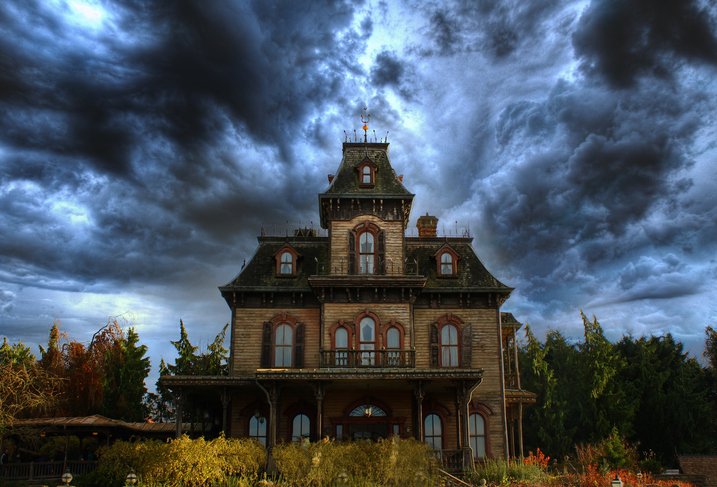
Some houses smile at you from the curb. Others stare. They sit behind iron fences, wear shadows like a tailored coat, and seem to whisper, “The attic is totally normal. Please ignore the rocking chair moving by itself.” That spooky feeling usually has less to do with actual ghosts and more to do with architecture.
The classic haunted house look is built from visual drama: steep roofs, tall towers, dark windows, asymmetrical shapes, heavy trim, sharp gables, and porches that look designed for either lemonade or a mysterious figure in a black veil. Many of these details come from beautiful, historically important home styles. They were not designed to scare anyone. Still, after a century of horror movies, Halloween postcards, stormy-night novels, and that one abandoned house at the end of every childhood street, certain architectural styles now carry a spooky reputation.
This guide explores five home styles that look like haunted houses, why they feel eerie, and what makes them architecturally fascinating. No ghosts are guaranteed, but creaky floorboards are emotionally possible.
Why Do Some Home Styles Look Haunted?
A house does not need a cemetery next door to feel haunted. The effect often comes from a mix of proportion, age, lighting, and storytelling. Tall vertical lines make a house feel imposing. Deep porches create heavy shadows. Towers and turrets suggest hidden rooms. Narrow windows can look watchful. Complex rooflines make the silhouette unpredictable, especially at dusk.
Another reason is cultural memory. American horror has trained us well. A lonely house on a hill with a mansard roof? Suspicious. A Victorian mansion with a turret and lace-like trim? Probably contains either a ghost, an inheritance dispute, or both. A Gothic Revival cottage with pointed arches? Beautiful in daylight, but at midnight it starts auditioning for a haunted doll movie.
Yet these homes are not “bad” or ugly. In fact, most are beloved historic styles with remarkable craftsmanship. The spooky quality comes from drama, not defects. Think of them as architecture with eyeliner.
1. Second Empire Homes: The Official Mansion of “Absolutely Not Going in There”
What Defines the Second Empire Style?
If haunted houses had a team captain, it would probably be the Second Empire home. This style became popular in the United States during the mid-to-late 19th century and is instantly recognizable by its mansard roof. A mansard roof has steep lower slopes and a flatter upper section, creating usable attic space while giving the house a tall, looming crown.
Other common Second Empire features include dormer windows, decorative brackets, tall proportions, elaborate cornices, iron cresting, and sometimes towers. The overall shape can be elegant, formal, and grand. It can also look like the house knows exactly what happened in 1873 and refuses to talk about it.
Why It Looks Haunted
The mansard roof is the main reason. It makes the upper story feel heavy and mysterious. Dormer windows tucked into the roof can look like half-closed eyes. Add a tower, dark paint, overgrown landscaping, and one flickering porch light, and suddenly the home is less “historic treasure” and more “local teens dare each other to knock.”
Second Empire houses also became closely linked with haunted-house imagery in American pop culture. The Bates house from Psycho helped cement the idea that a tall, dark, Victorian-era mansion on a hill equals trouble. The style itself is innocent, of course. The architecture did not choose the creepy soundtrack.
Real-Life Appeal
Behind the spooky reputation, Second Empire homes are incredibly practical and stylish. The mansard roof creates more interior space. Tall windows bring in light. Decorative brackets and cornices add craftsmanship that modern boxy homes often lack. Restored with care, these houses can look regal rather than terrifying. The difference between “historic beauty” and “haunted mansion” is often fresh paint, trimmed shrubs, and not leaving one dusty curtain moving in the upstairs window.
2. Queen Anne Victorian Homes: Gorgeous, Ornate, and Possibly Watching You
What Defines the Queen Anne Style?
Queen Anne homes are the extroverts of Victorian architecture. Popular in the United States from the late 1800s into the early 1900s, they are known for asymmetrical facades, wraparound porches, turrets, bay windows, patterned shingles, decorative spindlework, stained glass, and complex rooflines.
These homes rarely believe in doing one thing at a time. A Queen Anne house might have three kinds of siding, six roof angles, a tower, a porch, a balcony, and enough trim to make a carpenter whisper, “We may have gone too far.” That maximalism is exactly what makes the style so memorable.
Why It Looks Haunted
Queen Anne homes look haunted because they create movement even when standing still. Their irregular shapes make the eye wander. Turrets suggest secret rooms. Stained glass can glow strangely at night. Decorative trim casts lacy shadows across porches and gables. When the paint is faded and the garden is wild, the whole house can look like it is wearing a dramatic Victorian mourning outfit.
This style also appears frequently in spooky illustrations, Halloween décor, and old-house mysteries. A Queen Anne home does not merely sit on a lot; it performs. Sometimes the performance is “romantic historic landmark.” Sometimes it is “the piano plays by itself after 11 p.m.”
Real-Life Appeal
Queen Anne houses are among the most beloved historic homes in America because they have personality in every corner. Restored versions can be colorful, cheerful, and full of craftsmanship. The same features that feel spooky in the dark feel magical in daylight: sunlit stained glass, deep porches, carved woodwork, and charming towers. These homes are not haunted by default. They are simply dramatic. Some people call that a flaw. Queen Anne houses call it branding.
3. Gothic Revival Homes: The Friendly Cottage That Read Too Many Medieval Novels
What Defines Gothic Revival?
Gothic Revival architecture borrows from medieval churches and castles. In American homes, it often appears as steeply pitched gables, pointed arch windows, decorative bargeboards, finials, board-and-batten siding, and vertical proportions. A lighter domestic version is often called Carpenter Gothic, where wood trim mimics stone Gothic details in a more affordable, handcrafted way.
Unlike Classical styles that emphasize symmetry and calm order, Gothic Revival leans into height, shadow, and romantic drama. It looks like a house that owns a candle snuffer and uses words like “upon.”
Why It Looks Haunted
Pointed arches are beautiful, but they also carry centuries of churchyard, castle, and old-world mystery. Steep gables create sharp silhouettes. Decorative vergeboards can resemble lace, thorns, or elaborate spiderwebs depending on the lighting and your caffeine level. Tall, narrow windows give the facade a watchful quality.
At night, a Gothic Revival home can look like it belongs in a stormy novel where someone discovers a locked diary. Even a small Carpenter Gothic cottage can feel spooky when surrounded by old trees. The house may be perfectly wholesome, but the roofline is already composing organ music.
Real-Life Appeal
Gothic Revival homes are charming because they combine fantasy with craftsmanship. Their vertical lines make them feel elegant, while wood trim adds handmade warmth. They work especially well in rural settings, historic villages, and leafy neighborhoods. With a bright exterior color, cared-for landscaping, and warm lighting, Gothic Revival becomes storybook rather than scary. Without those things, it becomes “storybook, but the wolf owns the deed.”
4. Stick-Eastlake Homes: Architectural Skeletons with Fancy Shoes
What Defines Stick-Eastlake Style?
The Stick style developed in the late 19th century and acted as a bridge between Gothic Revival and Queen Anne architecture. Its most recognizable feature is decorative “stickwork”: horizontal, vertical, and diagonal boards applied to the exterior walls. These boards suggest the structure underneath, even though they are usually decorative rather than functional.
Stick-Eastlake homes may also include steep roofs, decorative trusses, overhanging eaves, tall windows, porches, brackets, and intricate wood details. Eastlake ornament tends to be more geometric and machine-made than the free-flowing decoration of some other Victorian styles.
Why It Looks Haunted
Stick-style houses can look spooky because the exterior trim resembles exposed bones. The house seems to show its skeleton. Add angular gables, shadowed porches, and a narrow tower, and the effect becomes wonderfully eerie. It is not hard to imagine a Stick-Eastlake home as the setting for a mystery involving a locked sewing room, a missing will, and a portrait whose eyes definitely moved.
The style’s strong vertical emphasis also contributes to the haunted feeling. Tall windows, pointed roof forms, and decorative boards draw the eye upward. A neglected Stick-Eastlake house can look severe and skeletal, especially when the paint has peeled enough to create what designers politely call “texture” and neighbors call “please call someone.”
Real-Life Appeal
When maintained, Stick-Eastlake homes are architectural gems. Their trim creates visual rhythm and depth. The porches are inviting, the details are distinctive, and the craftsmanship tells a story about the age of mass-produced wood ornament. These houses are perfect for people who love historic character but want something slightly less frilly than Queen Anne. They are spooky only when neglected or photographed in fog. To be fair, most things are spooky when photographed in fog, including mailboxes.
5. Tudor Revival Homes: Storybook Charm with a Side of Candlelit Mystery
What Defines Tudor Revival?
Tudor Revival homes became popular in the United States from the late 19th century through the early 20th century, especially in northern suburbs 19th century through the early 20th century, especially in northern suburbs and established neighborhoods. They are inspired by medieval and early Renaissance English architecture. Key features include steeply pitched gabled roofs, decorative half-timbering, brick or stone exteriors, tall narrow windows, arched doorways, prominent chimneys, and asymmetrical facades.
Some Tudors look cozy and cottage-like. Others look grand, moody, and ready to host a dinner where every guest has a secret.
Why It Looks Haunted
Tudor Revival homes feel spooky because they combine old-world romance with heavy materials. Dark timber trim against stucco can create a dramatic contrast. Steep roofs and clustered chimneys add a medieval silhouette. Leaded-glass windows can appear dim and mysterious from the street. Arched doorways seem charming by day and suspiciously portal-like after sunset.
A large Tudor home with ivy, stonework, and a recessed entry can easily look like the setting for a gothic mystery. Smaller Tudor cottages may look less haunted and more fairy-tale, but fairy tales are not exactly low on witches, curses, and suspicious forests.
Real-Life Appeal
Tudor Revival remains popular because it feels solid, romantic, and handcrafted. The style has texture: brick, stone, wood, stucco, slate, and leaded glass all working together. Interiors often feature fireplaces, beams, built-ins, and intimate rooms. With warm lighting and tidy landscaping, a Tudor home feels welcoming and timeless. With dead vines and one upstairs window glowing red, it becomes a neighborhood legend by Tuesday.
Honorable Mentions: Other Styles with Haunted-House Energy
Shingle Style Homes
Shingle Style houses are often associated with coastal New England elegance, but their large roofs, asymmetrical massing, wide porches, and shingled towers can feel eerie in the right weather. A grand shingled house near the ocean can look romantic in summer and deeply suspicious during a nor’easter.
Italianate Homes
Italianate homes often feature tall narrow windows, bracketed eaves, low-pitched roofs, cupolas, and ornate window hoods. They are usually graceful, but a tall Italianate with a belvedere can easily look haunted when silhouetted against the sky. Cupolas are lovely, but they also raise the question: who is up there, and why are they standing so still?
Folk Victorian Homes
Folk Victorian homes are simpler than Queen Anne mansions but often have decorative porches, spindlework, brackets, and gable-front forms. They can be sweet, modest, and charming. Leave one abandoned behind a rusted fence, however, and it becomes the exact house every movie child is told not to enter.
How to Make a “Haunted” House Look Welcoming
If you own a home with spooky curb appeal, congratulations: your house has stage presence. The goal is not to erase its historic personality but to balance drama with warmth. Start with lighting. Warm porch lights, path lighting, and softly lit windows can transform a shadowy facade into an inviting one.
Next, manage landscaping. Overgrown shrubs pressed against windows create instant haunted energy. Trim trees, clear walkways, and keep vines under control unless your design goal is “abandoned mansion chic.” Historic homes often look best when the landscaping frames the architecture rather than swallowing it whole.
Paint color matters, too. Dark palettes can be stunning, but they intensify shadows. Lighter trim can highlight craftsmanship and reduce the gloomy effect. For Victorian homes, historically inspired color schemes can make details pop without turning the house into a Halloween prop.
Finally, maintain the details. Peeling paint, broken shutters, sagging porch rails, and cracked steps create a neglected look. The same turret that feels creepy on a decaying house feels enchanting on a restored one. A haunted-looking house usually needs care, not an exorcism. Although a good contractor may cost about the same.
Personal Experiences and Observations: When Architecture Gives You Goosebumps
I have always believed that certain houses have facial expressions. A Cape Cod might look politely cheerful. A ranch house looks relaxed, maybe holding iced tea. But an old Victorian with a tower? That house has opinions. It has seen things. It may not be haunted, but it definitely knows where the good silver is buried.
One of the most memorable haunted-looking homes I ever noticed was a Second Empire house on a quiet street lined with ordinary homes. Nothing dramatic happened there. No bats flew out. No violin played from the attic. Yet the mansard roof immediately changed the mood of the block. The dormer windows looked like sleepy eyes, and the upper story seemed heavier than the rest of the house, as if it were wearing a tall black hat. In daylight, it was beautiful. At dusk, it became the kind of house you admire while walking slightly faster.
Queen Anne homes create a different feeling. They are not always frightening; sometimes they are joyful, almost theatrical. But when a Queen Anne house has a turret, a deep porch, and dark trim, the imagination starts decorating the place with secrets. I once passed one with stained-glass windows glowing from inside, and the effect was gorgeousuntil I realized the window pattern looked a little like a face. That is the strange power of ornate architecture. It gives your brain too many shapes to interpret, and your brain, being dramatic, chooses ghosts.
Gothic Revival houses feel quieter but more intense. Pointed arches do not shout. They whisper. A Carpenter Gothic cottage with delicate bargeboards can look like something from a fairy tale, but fairy tales have always been comfortable with danger. Put that cottage under bare winter trees, and suddenly it feels less like a home and more like a chapter title: The Window That Would Not Close.
Tudor Revival homes often give me the coziest version of haunted-house energy. Their brick, timber, chimneys, and arched doors feel old-world and warm, but also secretive. They are the homes most likely to contain a library, a hidden staircase, or at least a very serious cat. A well-kept Tudor says, “Come in for tea.” A poorly lit Tudor says, “Come in for tea, but do not ask about the previous owner.”
The funny thing is that the haunted feeling usually fades the closer you get. From the sidewalk, these houses can look mysterious. Up close, you notice craftsmanship: carved brackets, patterned shingles, leaded glass, old brick, careful joinery, and porch columns shaped by real hands. What looked spooky from far away often becomes impressive, even tender. These homes were built to last, to show skill, and to make everyday life feel a little grander.
That may be the real reason haunted-looking houses fascinate us. They have depth. They resist the plainness of newer construction. They invite stories because they already look like they have lived several lives. A simple modern box may be efficient, but it rarely makes you wonder what is in the attic. A Victorian turret does that before breakfast.
So, when you see a house that looks haunted, do not assume it is cursed. It may simply be historic, dramatic, underlit, or in desperate need of gutter repair. The ghosts are optional. The architecture is the main event.
Conclusion
The home styles that look most like haunted houses are usually the ones with the richest architectural personalities. Second Empire homes bring the iconic mansard roof and cinematic mansion silhouette. Queen Anne Victorians offer turrets, porches, stained glass, and delightful visual chaos. Gothic Revival houses channel medieval romance through pointed arches and steep gables. Stick-Eastlake homes reveal decorative skeletons through angular trim. Tudor Revival homes mix storybook charm with shadowy old-world mystery.
These styles are not scary because they are ugly. They are spooky because they are expressive. They use height, shadow, texture, asymmetry, and ornament to create emotion. That emotion might be elegance, nostalgia, curiosity, or the sudden urge to check whether the basement door is locked.
In the end, the haunted-house look is proof that architecture can tell stories before anyone opens the front door. Some homes simply have more plot than others.