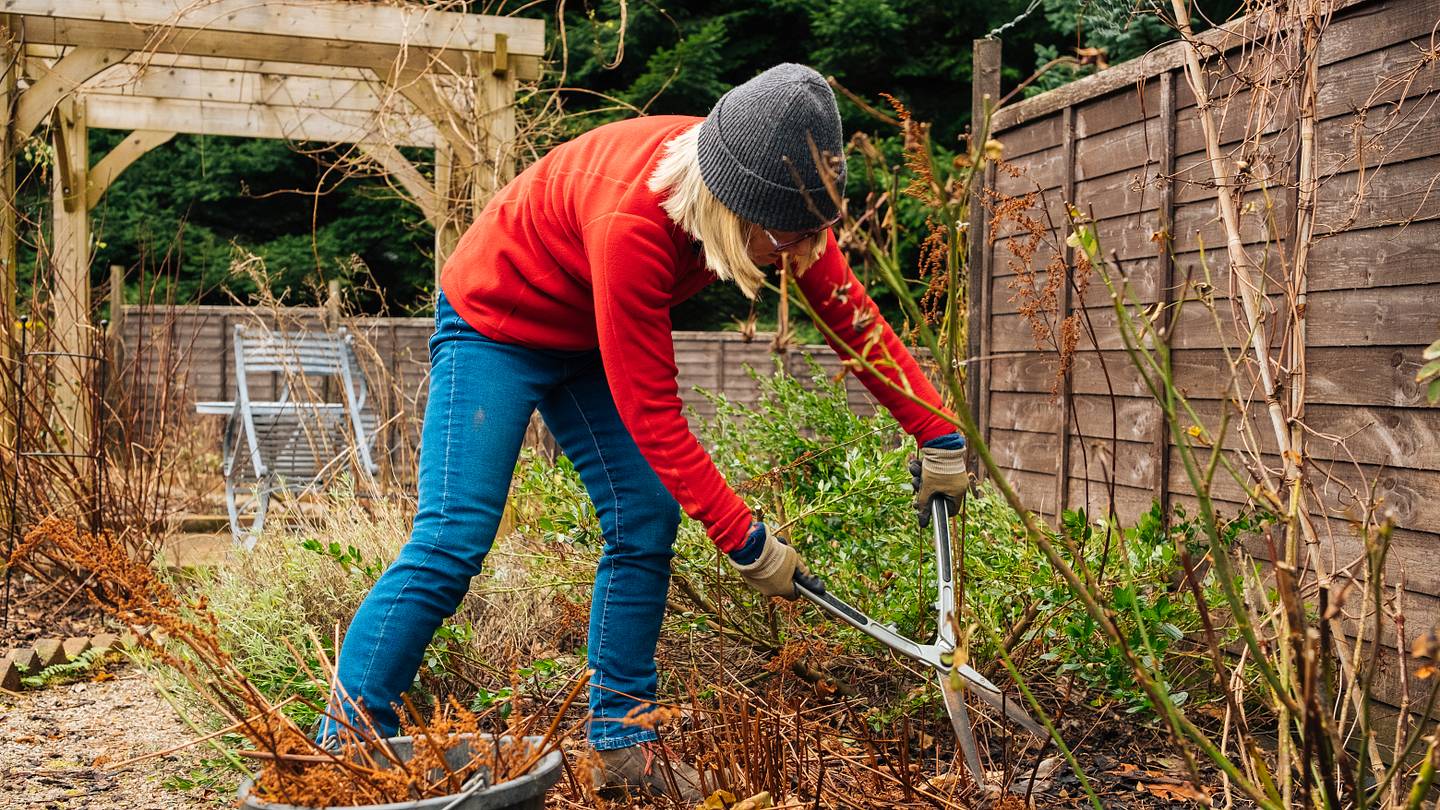
Winterizing your garden is a little like tucking in a very leafy, slightly dramatic child for bed. Some plants want a blanket. Some want a haircut. Some would prefer you stop hovering and let them keep their seed heads, thank you very much. The trick is knowing which fall garden chores actually protect your soil, roots, perennials, shrubs, and toolsand which ones simply make you feel productive while the squirrels judge your technique from the fence.
A well-prepared winter garden does more than survive cold weather. It reduces spring weeds, protects beneficial insects, improves soil structure, prevents frost heaving, preserves moisture, and helps plants return stronger when warm weather comes back. Whether you grow vegetables, herbs, flowers, roses, shrubs, fruit plants, or a few heroic tomatoes in raised beds, these winter garden preparation tips will help you close the growing season with confidence.
Below are five practical, research-based tips for winterizing your garden, written for real home gardeners who have muddy shoes, limited weekends, and a healthy respect for anything that can survive February.
1. Clean Up the GardenBut Do Not Sterilize It
Fall garden cleanup is one of the most important parts of winterizing a garden, but it does not mean stripping every bed down to bare soil. In fact, a perfectly “clean” garden can be less healthy than one that keeps some natural cover. The goal is selective cleanup: remove what can spread disease, keep what supports soil and wildlife, and avoid leaving your garden exposed like it forgot its coat.
Remove Diseased, Pest-Infested, and Spent Vegetable Plants
Start with annual vegetables and flowers that are clearly finished. Tomato vines blackened by frost, squash plants collapsed into suspicious mush, and pepper plants that gave their final performance should be pulled and removed. Healthy plant material can usually go into the compost pile. Diseased plants, however, should be discarded rather than composted in a casual backyard pile, because many home compost systems do not get hot enough to destroy pathogens or pest eggs.
This is especially important for vegetable gardens. If your tomatoes had blight, your cucumbers had powdery mildew, or your brassicas were attacked by pests, do not tuck those problems into the compost and invite them back for a reunion next year. Bag them, discard them, or follow your local yard-waste rules. Think of it as evicting bad tenants before they sign another lease.
Leave Some Stems, Seed Heads, and Leaves for Wildlife
Not everything needs to be cut to the ground. Many perennials, ornamental grasses, coneflowers, black-eyed Susans, sedum, milkweed, and native plants provide winter interest, seeds for birds, and shelter for beneficial insects. Hollow stems can be nesting sites for native bees, while leaf litter can protect butterflies and other overwintering insects.
If you prefer a tidy garden, compromise. Cut back diseased or floppy plants, but leave sturdy stems standing in the back of beds or in less visible areas. You can also create a defined garden edge so the bed looks intentional rather than abandoned. This gives you the best of both worlds: a landscape that does not look like a raccoon hosted a conference there, and a habitat-friendly garden that supports life through winter.
Be Careful With Weeds and Seeds
Fall is also the perfect time to remove weeds before they drop seeds. Many weeds are sneaky little overachievers; they can keep maturing seeds even after being pulled. Avoid composting weeds that have gone to seed unless you use a hot composting method. Otherwise, you may create a luxurious weed nursery and spread it lovingly over your beds in spring.
2. Protect Soil With Mulch, Leaves, Compost, or Cover Crops
Soil is not just dirt. It is a living system full of microbes, fungi, insects, organic matter, air pockets, water pathways, and nutrients. Leaving it bare over winter invites erosion, compaction, nutrient loss, temperature swings, and weed growth. One of the smartest ways to winterize your garden is to cover the soil before harsh weather arrives.
Use Shredded Leaves as Free Garden Gold
Fallen leaves are one of the best free resources in the fall garden. Instead of bagging them all for pickup, shred them with a mower and spread them over garden beds. Shredded leaves break down faster than whole leaves, are less likely to mat into a soggy layer, and help build soil organic matter.
Use leaves around perennials, shrubs, empty vegetable beds, and pathways. A light to moderate layer can protect soil from pounding rain, reduce winter weeds, and feed soil life as it decomposes. Avoid piling leaves too deeply over crowns of perennials, because heavy wet leaves can trap moisture and encourage rot. Your plants need a blanket, not a wet mattress.
Add Compost Where Beds Are Empty
Fall is an excellent time to add compost to garden beds. A layer of finished compost improves soil structure, supports beneficial microbes, and helps prepare the bed for spring planting. In vegetable beds, compost can be spread over the surface and left for winter weather and soil organisms to do some of the mixing naturally.
If you plan to add lime, phosphorus, potassium, or other amendments, fall is often a practical timeespecially if you base the decision on a soil test. Soil testing helps you avoid guessing, overspending, and turning your garden into a chemistry experiment with tomatoes. Amend according to your test results, not according to internet vibes.
Plant Cover Crops in Empty Vegetable Beds
Cover crops are living mulch. They protect bare soil, reduce erosion, suppress weeds, improve soil structure, and add organic matter when cut down or incorporated later. Common fall cover crops include winter rye, oats, crimson clover, hairy vetch, barley, and winter wheat. The best choice depends on your region, planting date, and spring garden plans.
If you plant a cover crop, have a plan for terminating it before it sets seed. Some gardeners cut it down and leave the stems as mulch. Others incorporate it into the soil several weeks before planting spring vegetables. The timing matters because fresh green material needs time to decompose. If you plant vegetables immediately after turning in a lush cover crop, your seedlings may look at you as if you handed them homework on the first day of vacation.
Mulch at the Right Time
For perennials, timing matters. Winter mulch is often most useful after the ground begins to freeze, not while the soil is still warm. Applying heavy mulch too early can keep soil warm, delay dormancy, and create cozy hiding places for rodents. After the ground has cooled, mulch helps reduce freeze-thaw cycles that can push plant crowns and roots upward, a problem known as frost heaving.
Good winter mulches include shredded leaves, straw, pine needles, compost, bark mulch, and clean plant debris. Keep mulch slightly away from stems, trunks, and crowns to reduce rot and pest problems. Around young trees and shrubs, mulch should look like a wide donut, not a volcano. Volcano mulching may sound dramatic, but it is bad for plants.
3. Give Perennials, Trees, Shrubs, and Tender Plants Winter Protection
Winter garden protection is not only about cold temperatures. Plants also face drying winds, fluctuating soil temperatures, ice, salt exposure, hungry animals, and freeze-thaw cycles. A little preparation in fall can prevent a lot of heartbreak in spring.
Protect Perennials From Frost Heaving
Perennials with shallow roots are especially vulnerable to frost heaving. This happens when repeated freezing and thawing lifts roots or crowns out of the soil. Once exposed, roots can dry out, freeze, or die. To prevent this, apply winter mulch after the ground has cooled. Four to six inches of loose organic mulch may be helpful in colder regions, especially where snow cover is unreliable.
Do not cut every perennial automatically. Some plants benefit from standing stems that catch snow, provide insulation, and protect crowns. Others should be cut back if they were diseased, heavily pest-damaged, or likely to flop into a soggy mess. The best approach is plant-by-plant judgment. Gardening is rarely one-size-fits-all; it is more like one-size-fits-this-weird-corner-by-the-fence.
Water Trees and Shrubs Before the Ground Freezes
Evergreens, newly planted trees, shrubs, and broadleaf evergreens can suffer winter dehydration. They continue to lose moisture through leaves or needles, even when frozen soil prevents roots from taking up water. If fall has been dry, water deeply before the ground freezes. This is especially important for new plantings, evergreens, and plants exposed to wind.
Add a three- to four-inch layer of mulch around young trees and shrubs to insulate roots and conserve moisture. Keep mulch several inches away from trunks to avoid bark rot, rodent damage, and insect issues. If deer, rabbits, or voles are common in your area, use tree guards, fencing, or hardware cloth to protect vulnerable bark. Apparently, winter is also buffet season.
Prepare Roses and Tender Perennials
Roses, dahlias, cannas, gladiolus, elephant ears, and other tender plants may need special treatment depending on your climate. In cold regions, tender bulbs and tubers are often dug after frost, dried, and stored in a cool, dark, frost-free place. They should be dry enough to avoid mold but not so dry that they shrivel.
For roses, avoid aggressive fall pruning unless you need to reduce height to prevent wind damage or fit winter protection. In colder zones, some gardeners mound soil or mulch around the base after plants are dormant. Climbing roses and hybrid teas may need extra insulation. In milder climates, lighter protection may be enough.
Move or Insulate Containers
Container plants face colder root temperatures than plants in the ground because pots freeze from all sides. Move prized containers into an unheated garage, shed, cold frame, basement, or sheltered area if the plant needs protection. For containers that must stay outside, group them together, place them on the ground, and wrap or cover them with insulating materials such as burlap, straw, leaves, or frost cloth.
Empty ceramic, terra-cotta, and clay pots should be cleaned and stored out of freezing weather if possible. Water trapped in porous pots can freeze, expand, and crack them. Nothing says “spring surprise” like discovering your favorite planter has turned into expensive pottery confetti.
4. Winterize Water Systems, Tools, and Garden Structures
Plants get most of the attention, but equipment deserves winter care too. Hoses, irrigation systems, pruners, mowers, trellises, cold frames, raised beds, and garden furniture can all suffer from neglect. Winterizing garden tools and systems saves money, extends their lifespan, and prevents frantic repairs when you would rather be planting peas.
Drain Hoses and Irrigation Systems
Disconnect hoses from outdoor spigots, drain them completely, and store them in a shed or garage. Water left inside hoses can freeze and split the material. Drain hose nozzles, watering wands, and timers as well. If you have drip irrigation or an in-ground sprinkler system, follow manufacturer instructions or local best practices for draining or blowing out lines before freezing weather.
Insulate exposed spigots and valves where needed. In cold climates, shut off outdoor water lines from inside the house if your plumbing system allows it. This is one of those chores that feels boring right up until it saves you from a plumbing bill with too many digits.
Clean, Sharpen, and Oil Tools
Before storing tools, remove soil from shovels, hoes, trowels, forks, and pruners. Wash and dry them thoroughly to reduce rust. Sharpen blades on pruners, loppers, hoes, and spades. Oil metal parts lightly and apply linseed oil or another suitable conditioner to wooden handles to help prevent cracking.
Disinfect pruners if you used them on diseased plants. Rubbing alcohol or a recommended disinfectant can help reduce disease spread. Store tools in a dry place where they are not sitting on damp floors. Future you, standing in the garage in March, will appreciate not having to excavate a rusty shovel from behind a suspicious pile of holiday decorations.
Service Mowers and Power Equipment
After the final mowing, clean grass clippings from the mower deck, sharpen or schedule sharpening for blades, and follow the manufacturer’s fuel-storage recommendations. Some equipment benefits from fuel stabilizer; other tools may need fuel drained. Battery-powered tools should be stored according to battery instructions, usually in a dry, temperature-stable place.
Garden structures deserve a quick inspection too. Remove old vines from trellises if they hosted disease. Check raised bed boards for rot or loose corners. Clean cold frames and row-cover hoops. Bring in lightweight garden decorations before winter wind sends them on an unauthorized neighborhood tour.
5. Plan Spring While the Garden Is Quiet
The best time to improve next year’s garden is when this year’s successes and failures are still fresh in your mind. Winterizing your garden is not only about closing the season. It is also about setting up a smarter, easier, more productive spring.
Take Notes Before You Forget
Write down what grew well, what struggled, which pests appeared, where weeds were worst, and which varieties earned a return invitation. Note where you planted tomatoes, peppers, beans, cucumbers, squash, brassicas, and root crops so you can rotate plant families next season. Crop rotation can help reduce soilborne diseases and pest buildup.
Also note practical details: which hose reached the far bed, which path turned muddy, which tomato cage collapsed like it had given up on life, and which area got more shade than expected. These observations are gold. By February, you may remember that “something weird happened near the beans,” but not enough to fix it.
Plant Spring Bulbs and Garlic in Fall
In many regions, fall is the right time to plant spring-flowering bulbs such as tulips, daffodils, crocus, hyacinths, and alliums. Bulbs need a cold period to bloom properly. Plant them at the recommended depth, usually about two to three times the bulb’s height, and choose a well-drained location.
Garlic is also commonly planted in fall. Plant cloves in well-drained soil, cover them with mulch, and let them establish roots before winter. In spring, they will resume growth early. Garlic is one of the most satisfying crops because it quietly works underground while the rest of the garden is still deciding whether to wake up.
Prepare for Earlier Spring Planting
If you use raised beds, cold frames, low tunnels, or row covers, clean and stage them before winter. Having supplies ready makes it easier to plant cool-season crops early. Lettuce, spinach, peas, radishes, carrots, kale, and other cool-weather crops can often be started earlier with simple protection.
You can also use winter to review seed catalogs, sketch bed layouts, order supplies, repair labels, and plan compost needs. This turns winter from “the season of staring out the window” into “strategic garden headquarters.” Snacks are optional but strongly encouraged.
Common Winterizing Mistakes to Avoid
Even experienced gardeners make mistakes when preparing a garden for winter. The most common is cleaning too aggressively. Removing every leaf, stem, and seed head can reduce habitat and expose soil. Another mistake is mulching too early or too heavily, which can trap moisture, delay dormancy, or invite rodents.
Do not fertilize heavily in late fall unless a soil test or specific crop need supports it. Late nitrogen can encourage tender growth that is vulnerable to cold damage. Avoid pruning most woody plants aggressively in fall, because pruning can stimulate new growth or remove buds that would bloom next year. Save major pruning for the proper season for each plant.
Also avoid leaving tools dirty, hoses full of water, and pots exposed to repeated freezing and thawing. These small chores may not feel exciting, but they prevent broken equipment and spring frustration. A successful winter garden is built from many tiny acts of prevention.
Personal Experiences: What Winterizing a Garden Teaches You Over Time
The first lesson many gardeners learn about winterizing is that nature does not care about our schedule. You can plan to clean the beds “next weekend,” and then a surprise freeze arrives like an uninvited relative with luggage. Over time, the smartest gardeners learn to work in stages. Instead of saving every task for one heroic fall weekend, they clean up one bed after harvest, mulch another after frost, drain hoses before the hard freeze, and keep a running checklist near the back door.
One of the most useful experiences is discovering the power of shredded leaves. At first, leaves may look like a nuisance. They pile up on the lawn, blow into corners, and somehow reappear five minutes after you rake. But once you mow them into smaller pieces and spread them across beds, they become one of the best soil-building materials available. By spring, many shredded leaves have softened into a dark, crumbly layer that worms seem to adore. The garden feels looser, richer, and less weedy. It is like finding out the mess in your yard was actually a free delivery of organic matter.
Another lesson comes from perennials. New gardeners often cut everything down because it looks neat. Then they notice that some plants handle winter better when left standing. Seed heads feed birds. Stems catch snow. Dry foliage can protect crowns. The garden may look a little wild, but it also feels alive. A balanced approach works best: remove diseased foliage, cut back plants that collapse badly, and leave sturdy native flowers and grasses where they can support wildlife. The result is a winter garden with texture, movement, and purpose.
Watering before winter is another habit that proves its value slowly. In a dry fall, evergreens and newly planted shrubs may look fine going into winter, then emerge in spring with brown needles or scorched leaves. Deep watering before the ground freezes can make a real difference. It is not glamorous. Nobody posts dramatic photos of themselves watering a shrub in November. But the payoff comes months later when the plant wakes up healthy instead of crispy.
Tool care is also a lesson in future happiness. Cleaning and oiling tools in fall can feel unnecessary when you are tired and cold. But spring gardening begins much more pleasantly when pruners open smoothly, shovels are not caked with last year’s clay, and gloves are not hiding something unidentifiable. A clean tool rack is a small morale boost at exactly the moment gardeners need it most.
The biggest experience-based tip is this: do not aim for perfection. Winterizing your garden is not a performance. It is preparation. Some years you will plant cover crops on time. Some years you will throw leaves over the beds five minutes before the first snow and call it a strategy. Some years the compost pile will be beautiful; other years it will be a pile of good intentions. That is fine. Gardens are forgiving when you keep improving little by little.
After a few seasons, winterizing becomes less of a chore and more of a ritual. You learn where frost settles first, which beds need extra mulch, which containers must come indoors, and which plants are tougher than they look. You begin to see fall not as the end of the garden, but as the quiet beginning of next year’s success.
Conclusion
Winterizing your garden is one of the best investments you can make in next season’s growth. By cleaning up selectively, protecting soil, mulching wisely, caring for perennials and shrubs, draining water systems, maintaining tools, and planning ahead, you help your garden rest without leaving it vulnerable.
The best winter garden is not spotless. It is protected, nourished, balanced, and ready. Some beds may be mulched with shredded leaves, some stems may remain for birds and bees, and a few tools may finally get the spa treatment they deserve. When spring arrives, you will be glad you did the work. Your plants will be glad too, though they will express it in leaves rather than applause.
Note: This article is written in clean body-only HTML for web publishing and is based on widely accepted U.S. university extension gardening practices for fall cleanup, winter mulching, soil protection, tool care, cover crops, and plant protection.