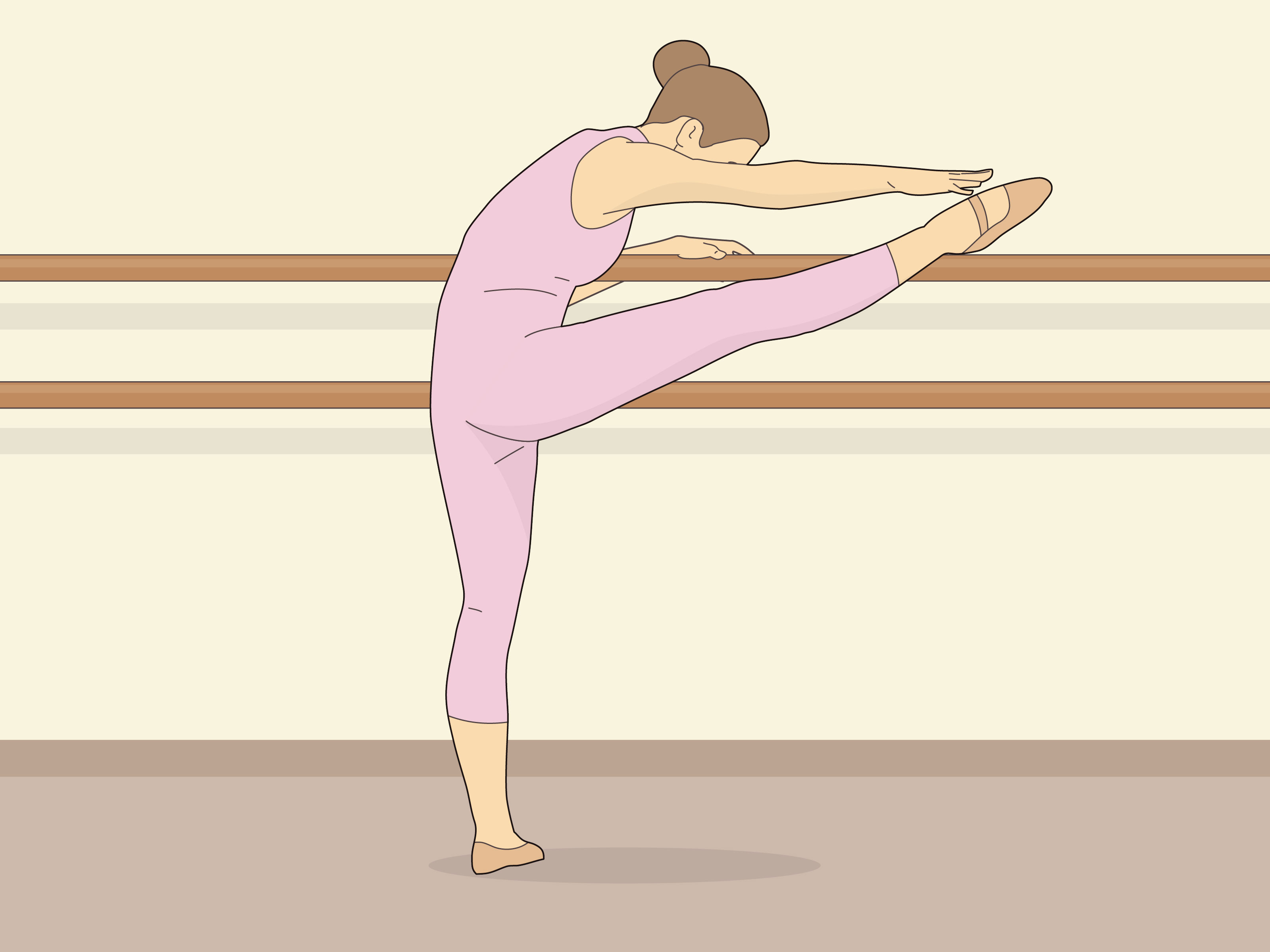
Watch a ballerina lift one leg toward the ceiling, fold gracefully over a barre, or float into a split, and flexibility can look like a magical talent granted by the dance gods. In reality, ballet flexibility is developed through years of patient practice, precise technique, muscular strength, and an impressive willingness to repeat the same exercises while everyone else is eating snacks.
You do not need to begin ballet at age fouror own a pink tututo improve your flexibility. Adults and beginners can develop greater hip mobility, looser hamstrings, more comfortable back extension, and better control through a consistent ballet-inspired stretching routine. The important word is control. A dancer is not simply flexible enough to move into a position; she is strong enough to enter it, hold it, and leave it without collapsing like a folding lawn chair.
The following five methods combine dynamic mobility, static stretching, active flexibility, dance conditioning, and sensible recovery. They will not transform you into a principal dancer by Tuesday, but they can help you move with greater freedom, posture, and confidence.
What Does “Ballerina Flexibility” Really Mean?
Ballet flexibility is the ability to move joints through the ranges required by dance while maintaining alignment and control. It includes flexible hamstrings for high leg extensions, open hip flexors for arabesques and lunges, mobile ankles for deep pliés, and a responsive upper back for elegant port de bras.
Flexibility is not the same as mobility. Flexibility describes how far muscles and connective tissues can lengthen. Mobility includes flexibility plus the strength, coordination, and balance required to control a joint throughout that range. In other words, being able to pull your leg beside your head is flexibility. Lifting it there without using your handsand without making a face like you just stepped on a Legois active mobility.
Natural anatomy also matters. Hip sockets, bone shape, previous injuries, age, and training history affect each person’s available range of motion. Your goal should therefore be to develop your healthiest, most useful range rather than copying another dancer’s extreme position.
1. Warm Up With Dynamic Ballet Movements
One of the most common flexibility mistakes is dropping onto the floor and forcing a deep stretch while the body is still cold. Muscles generally move more comfortably after several minutes of light activity. Major medical and orthopedic organizations recommend warming up before deeper stretching, while dynamic movements are particularly useful before exercise.
Begin With Five to Ten Minutes of Light Movement
Walk briskly, march in place, cycle gently, or perform easy jumping jacks until you feel warmer and your breathing becomes slightly faster. You are not trying to win a cardio competition. You are simply telling your muscles, “Good morning, everyone. We will be moving today.”
Use a Short Dynamic Ballet Warm-Up
After the general warm-up, perform these movements slowly and within a comfortable range:
- Ankle circles: Complete 10 circles in each direction per foot.
- Parallel pliés: Bend and straighten the knees 10 times while keeping the knees aligned over the toes.
- Hip circles: Make 8 controlled circles in each direction.
- Leg swings: Perform 10 front-to-back swings and 10 side-to-side swings per leg.
- Walking lunges: Take 6 to 10 slow steps, allowing the rear hip flexor to lengthen.
- Arm circles: Complete 10 small and 10 large circles in each direction.
- Gentle spinal rolls: Roll down one vertebra at a time, pause without forcing, and slowly return to standing.
Dynamic stretching uses continuous movement and can prepare the body for the patterns required by an activity. Before ballet-inspired training, your warm-up should resemble the movements you are about to practice: pliés, tendus, lunges, controlled leg swings, and arm circlesnot aggressive bouncing or surprise splits.
Keep the Movement Controlled
A leg swing is not a contest to see whether your foot can frighten the ceiling fan. Start with a small range and gradually increase it. Your pelvis should remain relatively stable, your supporting knee should stay softly extended rather than locked, and every repetition should feel smoother than the previous one.
2. Practice Static Stretches After Your Muscles Are Warm
Static stretching involves moving into a position and holding it without bouncing. It is particularly useful after training or as a separate flexibility session following a warm-up. A common recommendation is to hold a comfortable stretch for approximately 20 to 45 seconds and repeat it two or three times. The sensation should be mild to moderate tension, never sharp pain.
Half-Kneeling Hip Flexor Stretch
Kneel with your right knee on a padded surface and your left foot in front. Gently tuck the pelvis as though bringing your belt buckle toward your ribs. Shift forward slightly until you feel the stretch across the front of the right hip.
Avoid arching the lower back to manufacture a deeper-looking position. Ballet may appreciate drama onstage, but your lumbar spine does not need to participate in this particular performance.
Supine Hamstring Stretch
Lie on your back with one leg extended on the floor. Loop a strap around the other foot and lift that leg upward. Keep the knee softly straight and the pelvis heavy. Stop when you feel tension through the back of the thigh rather than pulling until your hip rises from the floor.
This variation makes it easier to keep the spine neutral than aggressively reaching toward the toes while seated.
Frog or Butterfly Stretch for the Inner Thighs
For a butterfly stretch, sit tall with the soles of the feet together and allow the knees to open. Hold the ankles and hinge slightly forward without rounding excessively through the back.
The frog stretch is more intense. Begin on your hands and knees, slowly move your knees apart, and keep the lower legs roughly in line with the knees. Support your body with your forearms or cushions. Skip this version if it creates pinching in the hips, groin pain, or knee discomfort.
Calf and Ankle Stretch
Place your hands on a wall and step one foot backward. Keep the rear heel down and point both feet forward. Bend the front knee until you feel the upper calf stretch. Then slightly bend the rear knee to shift the sensation lower toward the ankle and Achilles area.
Mobile ankles support a deeper plié, but ankle flexibility should be paired with strength and alignment. Dancers are advised to avoid rolling the ankle inward or outward when practicing foot and ankle exercises.
Supported Front-Split Progression
Begin in a low lunge. Shift the hips backward and straighten the front leg for a hamstring stretch. Return to the lunge, then slide the front foot forward only as far as you can while keeping your hips relatively square. Place yoga blocks under your hands for support.
Remain above the floor if needed. A supported split practiced with good alignment is more useful than reaching the floor by twisting the pelvis, gripping your jaw, and negotiating directly with the universe.
3. Strengthen Your Muscles at the End of Their Range
Passive flexibility alone does not create the controlled extensions associated with ballet. Dancers need sufficient core, hip, leg, and ankle strength to stabilize their joints and support demanding positions. Dance-medicine specialists emphasize that ballet requires strength as well as flexibility and stamina, while core and hip conditioning can help dancers move more safely.
Practice Active Leg Lifts
Stand beside a chair or countertop and place one hand on it lightly. Extend one leg forward with a softly pointed foot. Lift the leg as high as possible without leaning backward, hold for two seconds, and lower it slowly. Complete 8 to 12 repetitions before switching sides.
Repeat the exercise with the leg moving to the side and then behind you. The height may initially be modest. That is fine. A controlled 30-degree lift is more valuable than a 90-degree kick powered by momentum and optimism.
Add Slow Developpé Exercises
From standing, draw one foot up the supporting leg toward the knee. Slowly extend the working leg forward, pause, and bend it again before lowering. Perform 5 to 8 repetitions on each side.
Keep the pelvis level and the torso tall. This exercise teaches the hip flexors, quadriceps, core, and supporting leg to cooperate through the movement.
Build a Strong Ballet-Inspired Base
Include two or three weekly strength sessions featuring exercises such as:
- Glute bridges
- Side-lying leg lifts
- Split squats
- Single-leg balance drills
- Slow calf raises
- Dead bugs and bird dogs
- Side planks
- Romanian deadlifts with an appropriate load
Perform each repetition with control and stop when your alignment deteriorates. The goal is not maximum fatigue. You are training the body to remain organized while moving through progressively larger ranges.
Do Not Force Turnout
Ballet turnout should originate primarily from the hips. Twisting the feet outward while the knees collapse inward can place unnecessary stress on the knees and ankles. Work within your natural turnout and strengthen the deep hip rotators rather than trying to resemble a perfectly straight line from toe to toe.
4. Improve Posture, Alignment, and Whole-Body Mobility
A ballerina’s flexibility appears graceful partly because it is supported by posture. Long lines are created by coordinated movement through the feet, legs, pelvis, spine, shoulders, neck, and arms. Stretching only your hamstrings will not automatically create that effect, although your hamstrings will undoubtedly appreciate the attention.
Train a Neutral, Responsive Pelvis
Stand with your feet parallel and knees relaxed. Place one hand on the lower abdomen and the other on the lower back. Gently tilt the pelvis forward and backward, then settle near the middle. This neutral position should feel balanced rather than rigid.
During leg extensions, avoid tipping the pelvis excessively to gain artificial height. Small adjustments are natural at advanced ranges, but beginners benefit from learning how to stabilize the trunk first.
Mobilize the Upper Back
Many people attempt ballet-style backbends by compressing the lower back. Instead, improve movement through the thoracic spinethe middle and upper portion of the back.
Try a supported upper-back extension by lying over a rolled towel placed beneath the shoulder blades. Support your head, breathe slowly, and allow the chest to open without forcing the ribs upward. Cat-cow movements and gentle open-book rotations can also improve spinal awareness.
Open the Chest and Shoulders
Stand in a doorway with your forearms resting against the frame. Step forward until you feel a comfortable stretch across the chest. Follow this with slow shoulder circles and controlled arm pathways resembling ballet port de bras.
Keep the shoulders down while allowing the arms to move freely. Imagine your arms floating through thick water. This creates control and continuity rather than the unmistakable appearance of swatting at an invisible mosquito.
Take a Beginner Ballet, Pilates, or Mobility Class
A qualified instructor can identify alignment habits that are difficult to notice alone. Beginner ballet teaches posture, foot articulation, turnout mechanics, balance, and coordination. Pilates can strengthen the trunk while challenging controlled range of motion. Stability-focused yoga may also support strength and flexibility when movements are adapted to your level.
People with previous injuries, joint hypermobility, persistent pain, or unusually restricted movement may benefit from an assessment by a physical therapist, particularly one familiar with dance or performing arts medicine.
5. Follow a Consistent and Gradual Flexibility Schedule
Flexibility improves through repeated, manageable exposurenot occasional heroic stretching sessions. Regular practice two or three times per week can produce lasting progress, while shorter sessions performed more frequently may be even easier to tolerate and maintain.
Use a Simple Weekly Plan
| Day | Training Focus | Suggested Time |
|---|---|---|
| Monday | Dynamic warm-up, lower-body strength, static stretches | 30–40 minutes |
| Tuesday | Gentle mobility and active leg lifts | 15–20 minutes |
| Wednesday | Beginner ballet, Pilates, or dance-conditioning class | 30–60 minutes |
| Thursday | Rest or easy walking | As desired |
| Friday | Full-body strength and split progression | 30–40 minutes |
| Saturday | Longer relaxed flexibility session | 20–30 minutes |
| Sunday | Rest and recovery |
Measure Progress Without Chasing the Floor
Take a photograph or record a few measurements every four weeks rather than checking every day. Useful markers include how far your hands reach in a forward fold, how high you can actively lift a straight leg, and how many inches remain between your hips and the floor in a supported split.
Also notice practical improvements. Do your pliés feel smoother? Can you keep your torso upright during a leg lift? Are your shoulders less tense? These changes often matter more than a dramatic photograph.
Know the Difference Between Tension and Pain
A stretch may feel strong, warm, or mildly uncomfortable. It should not cause sharp pain, joint pinching, numbness, tingling, or a sensation that something is tearing. Stop immediately if those symptoms appear.
More pressure is not always more productive. Hospital for Special Surgery specifically warns against overstretching painful or inflamed hips and emphasizes that stretching should not hurt.
Common Mistakes That Slow Flexibility Progress
Bouncing in a Static Stretch
Rapid bouncing can make it difficult to control the intensity of a stretch. Enter and exit each position slowly, then remain still while breathing normally.
Holding Your Breath
People often stop breathing when a stretch becomes challenging, as though oxygen were an optional subscription service. Use slow exhalations to reduce unnecessary tension in the jaw, shoulders, and abdomen.
Stretching Only Your Favorite Side
Most people have one side that feels more cooperative. Train both sides, but do not force the tighter side to match the looser one in a single session.
Ignoring Strength Training
Greater passive range without muscular control may leave joints feeling unstable. Combine stretching with exercises that strengthen the hips, core, feet, ankles, and supporting leg.
Expecting a Full Split in Seven Days
Some people can reach a split quickly because they already have favorable anatomy or previous training. Others may require months or may never find a full split comfortable. Progress should be measured against your starting point, not an edited social-media video.
A 15-Minute Ballet Flexibility Routine
- March or walk briskly: 3 minutes.
- Hip circles and leg swings: 2 minutes.
- Half-kneeling hip flexor stretch: 30 seconds per side.
- Supine hamstring stretch: 30 seconds per side.
- Butterfly stretch: 30 seconds.
- Calf stretch: 30 seconds per side.
- Supported split progression: 30 seconds per side.
- Standing active leg lifts: 8 repetitions in each direction per side.
- Glute bridges: 12 controlled repetitions.
- Slow port de bras with relaxed breathing: 1 minute.
Repeat the routine three or four times per week. Increase the range gradually, but keep the same quality of alignment. When a movement becomes easy, add a few seconds, another controlled repetition, or a slightly larger rangenot all three at once.
Experience: What a Realistic Flexibility Journey Feels Like
Consider the experience of a typical adult beginner named Emma, a composite example based on common flexibility challenges. She began training after years of desk work, occasional gym sessions, and repeated promises to stretch “tomorrow.” On her first day, touching her toes required bent knees, a rounded back, and the concentration usually reserved for defusing a bomb.
Emma’s original plan was to practice the splits every evening. During the first week, she pushed hard, remained in uncomfortable positions, and checked her progress daily. Her flexibility did not improve noticeably, but her inner thighs became sore enough to make stairs feel personally insulting.
She then changed her approach. Instead of beginning with a split, she warmed up by walking for five minutes and performing hip circles, pliés, and gentle leg swings. The difference was immediate. Her muscles felt less resistant, and she could move into stretches without holding her breath.
During the next month, Emma practiced for 15 to 20 minutes four days per week. Her routine included hip flexor stretches, strap-assisted hamstring stretches, butterfly holds, calf work, and a supported split. She used yoga blocks beneath her hands so she could maintain an upright torso rather than collapsing forward.
The most surprising lesson was that strength improved her flexibility. At first, Emma could lift her leg high only by holding it. When she attempted an unsupported front extension, the leg barely left the floor. She added slow leg lifts, glute bridges, side planks, split squats, and calf raises twice per week. After six weeks, she could raise her leg higher without leaning backward. The movement looked cleaner even though her passive stretch had changed only modestly.
She also discovered that flexibility varied from day to day. After long periods of sitting, her hips felt tight. After a stressful workday, her shoulders seemed determined to become earrings. Following sleep, light exercise, and a patient warm-up, her range usually returned. This helped her stop interpreting every stiff session as a permanent setback.
At the three-month mark, Emma still did not have a perfect front split. However, her hands reached the floor comfortably in a forward fold, her lunges became deeper, and her lower back no longer took over during every hip extension. She could hold a low arabesque with balance, complete a beginner ballet class without feeling completely assembled from spare parts, and move through everyday tasks more comfortably.
Her progress accelerated when she stopped trying to “win” each stretch. She learned to distinguish muscular tension from joint pressure and ended a session when her form became sloppy. She also stopped comparing her range with dancers who had trained since childhood.
After six months, Emma’s front split hovered a few inches above the floor. More importantly, she had built a routine she could maintain. The experience taught her that ballerina-like flexibility is not a single pose. It is the combination of mobility, strength, patience, posture, and body awareness developed over hundreds of ordinary practice sessions.
That is the less glamorous truth behind graceful movement: progress often happens quietly. One day, the stretch that once felt impossible simply feels manageable. Your leg lifts a little higher. Your posture requires less effort. You stop wrestling with your body and begin working with it. No dramatic movie montage is requiredalthough excellent background music certainly does not hurt.
Conclusion
To become flexible like a ballerina, begin by warming up dynamically, practice static stretches while your muscles are warm, strengthen your body through its available range, improve posture and alignment, and follow a gradual weekly schedule. These habits develop flexibility that is controlled and useful rather than merely impressive in a photograph.
Respect your anatomy and avoid forcing extreme positions. A healthy range of motion should support better movement, not create persistent pain. With consistent training, you may notice deeper pliés, higher leg extensions, more comfortable hips, smoother posture, and steady progress toward your splits.
Note: This article provides general fitness education and is not a substitute for individualized medical care. Consult a physician or physical therapist before beginning a new flexibility program if you have an injury, joint instability, hypermobility, surgery history, numbness, or persistent pain.