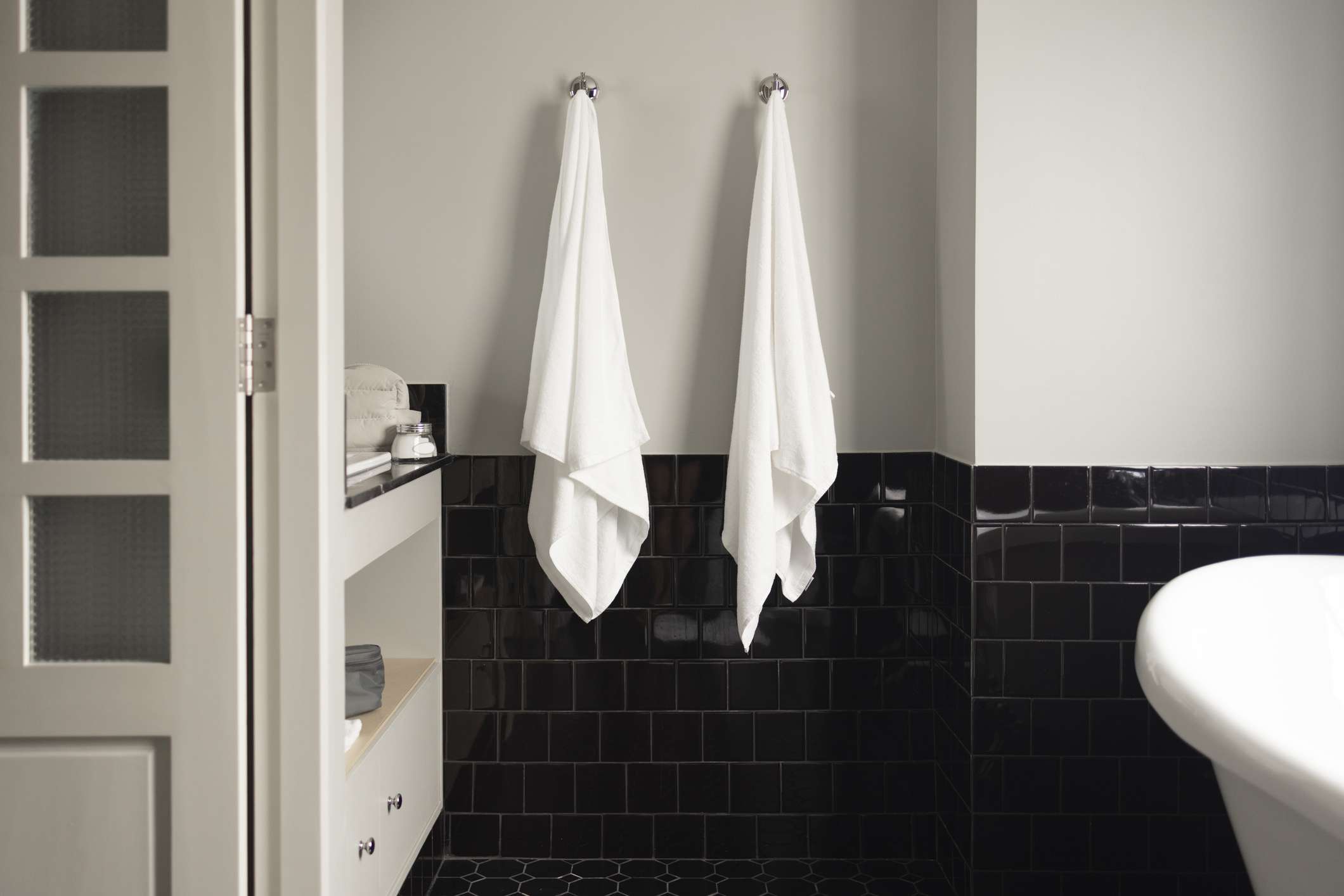
Your towels work harder than almost anything in your bathroom. They dry your body, wrap your hair, mop up sink splashes, survive hot wash cycles, and somehow still get judged for not feeling like a five-star hotel cloud. But even the best towel has an expiration date. At some point, “well-loved” becomes “why does this feel like exfoliating with cardboard?”
If you have been ignoring frayed edges, mysterious musty smells, or towels that simply push water around like tiny fabric windshield wipers, this is your sign. Towels are not meant to last forever. With daily use, repeated washing, detergent residue, hard water, body oils, heat, and bathroom humidity, the fibers eventually break down. The result is a towel that looks tired, smells suspicious, and performs like it has emotionally resigned.
So, how do you know when to replace towels instead of giving them “one more wash”? Cleaning professionals, laundry experts, and textile specialists tend to agree on a few clear warning signs. Below are the six biggest signs you need new towels ASAP, plus smart tips for making your next set last longer.
How Long Should Bath Towels Last?
Most good-quality bath towels last about one to three years with regular use and proper care. That timeline depends on how often you use them, how many towels are in your rotation, how you wash them, how well they dry between uses, and whether your laundry habits are secretly sabotaging them.
A towel used daily in a humid bathroom will wear out faster than a towel in a larger rotation that gets plenty of time to dry. White hotel-style towels washed often in hot water may stay fresh-looking but can thin over time. Dark towels may hide stains better, but fading can show up faster if they are exposed to sunlight, harsh detergents, or chlorine.
The better question is not only “How old is this towel?” but “Is this towel still doing its job?” If the answer is no, it may be time to retire it from bath duty and promote it to cleaning-rag status.
1. Your Towels Have Lost Their Absorbency
The number one job of a towel is to absorb water. Groundbreaking, yes, but apparently some towels forget their career path. If you step out of the shower, dry off, and still feel damp, your towel may have lost its absorbency.
This can happen when cotton loops wear down from repeated washing and drying. It can also happen when fabric softener, dryer sheets, excess detergent, body oils, or minerals from hard water build up on the fibers. Instead of soaking up water, the towel starts repelling it. You may even notice water beading on the surface instead of sinking in.
Quick test: the water-drop check
Lay the towel flat and sprinkle a few drops of water on it. If the water absorbs quickly, the towel still has some life left. If the water sits on top or rolls around like it is avoiding commitment, the fibers may be coated or worn out.
Before replacing it, try washing the towel without fabric softener and with the correct amount of detergent. A vinegar rinse or laundry stripping method may help remove buildup. But if the towel still cannot dry your hands, hair, or body properly, it has one job and it is failing that job. Time for a replacement.
2. They Smell Musty Even After Washing
A towel that smells musty after one use may simply need better drying. A towel that smells musty immediately after washing is a bigger problem. That “wet basement meets gym bag” odor usually means mildew, bacteria, detergent residue, or trapped moisture has settled deep into the fibers.
Bathrooms are naturally humid, and towels are often hung too close together, tossed damp into hampers, or left in the washer too long. Moisture gives odor-causing microbes a comfortable place to hang out. Unfortunately, they do not pay rent.
To troubleshoot, wash towels in warm or hot water when the care label allows, use a proper amount of detergent, avoid overloading the washer, and dry towels completely before folding or storing them. Also check your washing machine. A dirty washer can transfer musty smells back onto freshly cleaned laundry.
If you have tried deep cleaning, proper drying, and better storage but the towel still smells sour or mildewy, the odor may be embedded. At that point, replacing the towel is not wastefulit is merciful.
3. The Edges Are Fraying, Ripping, or Unraveling
Frayed edges are not just a cosmetic issue. They are a sign that the towel’s structure is breaking down. Once the hems unravel or the loops begin pulling loose, the fabric becomes weaker, thinner, and less pleasant to use.
A little loose thread can be trimmed. A full fringe situation is different. If your towel looks like it got into an argument with the washing machine and lost, it is probably past its prime.
Fraying often appears first along the edges because those areas take the most stress during washing, drying, folding, and daily use. Over time, rough wash cycles, high heat, bleach overuse, and constant tugging can make the damage worse.
When fraying becomes a replacement sign
Replace towels when the hems are coming apart, holes are forming, or the fabric tears easily when pulled. A bath towel with holes will not dry evenly, will keep shedding fibers, and will look messy no matter how beautifully you fold it. Even spa-style rolling cannot save a towel with commitment issues at the seams.
4. They Feel Rough, Scratchy, or Flat
A good towel should feel comfortable against your skin. It does not need to feel like a luxury resort in the Maldives, but it also should not feel like you are drying off with a polite piece of sandpaper.
Rough towels can happen for several reasons. Hard water minerals may stiffen the fibers. Too much detergent can leave residue. Frequent high-heat drying can make cotton brittle. Fabric softener can create a coating that feels nice at first but eventually makes towels less absorbent and oddly waxy. Over time, normal use also compresses the loops, making the towel feel flat instead of fluffy.
Try refreshing rough towels by washing them with less detergent, skipping softener, using wool dryer balls, shaking them before drying, and avoiding excessive heat. If the towel remains stiff, scratchy, thin, and flat, it may simply be worn out.
This matters more than comfort. Scratchy towels can irritate sensitive skin, especially if you use them on your face. For face towels and washcloths, softness and cleanliness are especially important because facial skin is more delicate and more prone to irritation.
5. They Have Permanent Stains, Discoloration, or Fading
Stains happen. Makeup, hair dye, acne products, self-tanner, mineral-heavy water, bleach splashes, and mystery bathroom incidents can all leave marks. A single stain does not automatically mean a towel must go. But when towels are permanently discolored, patchy, yellowed, gray, or faded beyond recognition, they may be ready for retirement.
Fading often comes from repeated washing, sunlight, chlorine, harsh stain treatments, or low-quality dyes. Discoloration can also happen when towels are stored damp, washed with incompatible products, or exposed to skin-care ingredients such as benzoyl peroxide.
Looks are not everything, of course. A faded towel can still work perfectly well. But visible discoloration combined with roughness, odor, thinning, or poor absorbency is a stronger sign that the towel is near the end.
When stains become a hygiene concern
Replace towels if stains come with lingering odor, mildew spots, or fabric deterioration. Dark speckling that does not wash out may be a sign of mildew. Towels with mildew stains should not stay in your bath rotation, especially for face drying, guest use, or kids’ bathrooms.
6. They Shed Lint, Leave Fibers Behind, or Feel Thin
New towels often shed a little lint during the first few washes. That is normal. But older towels that suddenly shed heavily, leave fuzz on your skin, or create a lint explosion in the dryer may be breaking down.
Shedding happens when fibers weaken and detach from the towel. You may also notice thin patches in the middle, where the towel gets the most friction. Hold the towel up to the light. If parts of it look almost see-through, it is not “lightweight and breathable.” It is tired.
Thin towels usually dry faster, which sounds like a bonus until you realize they no longer feel plush, absorb well, or hold up to regular washing. A towel that has become limp, patchy, and linty is better suited for cleaning the car, drying pets, or protecting the floor during a DIY project.
What Pros Recommend Before Replacing Towels
Not every disappointing towel needs to be thrown out immediately. Sometimes a towel needs better care, not a breakup. Before you buy a new set, try these steps:
- Wash towels every three to five uses, or more often if they smell, stay damp, or are used after workouts.
- Hang towels fully spread out instead of bunched on hooks so they can dry between uses.
- Use less detergent than you think you need. Too much detergent can leave residue.
- Skip fabric softener and dryer sheets because they can coat fibers and reduce absorbency.
- Dry towels completely before folding or storing them.
- Avoid constant high heat, which can weaken fibers and make towels rough over time.
If these habits improve your towels, great. If not, the issue is probably age, damage, or fiber breakdown.
How to Choose Better Replacement Towels
When replacing towels, look for options that match your household’s real routinenot your fantasy life where everyone hangs towels perfectly and the laundry folds itself.
Choose cotton for softness and absorbency
Cotton towels are popular because they are soft, absorbent, and widely available. Turkish cotton often feels smooth and dries reasonably well. Egyptian cotton can feel plush and luxurious, though it may take longer to dry. Standard cotton towels can be excellent if the construction is solid.
Consider quick-dry towels for humid bathrooms
If your bathroom has poor ventilation, quick-dry towels or waffle-weave towels may be a smart choice. They are usually lighter, dry faster, and are less likely to stay damp for hours. They may not feel as thick as plush terry towels, but they can be more practical in humid spaces.
Check the towel’s weight
Towel weight is often measured in GSM, or grams per square meter. Lower GSM towels are lighter and quicker to dry. Higher GSM towels feel denser and more luxurious but may hold moisture longer. For daily family use, a mid-weight towel is often the sweet spot.
Buy enough to rotate
If you use the same two towels constantly, they will wear out faster. A small rotation gives each towel time to dry fully and reduces repeated stress. For many households, two to three bath towels per person is a practical starting point.
What to Do With Old Towels
Old towels do not have to go straight to the trash. If they are clean but no longer bath-worthy, repurpose them. Cut them into cleaning rags, keep them near the door for muddy shoes, use them for pet baths, place them under houseplants when watering, or save them for messy home projects.
Animal shelters often need towels, but always check donation rules first. Some shelters accept clean used towels, while others have specific requirements. Towels with mildew, strong odors, or heavy chemical residue should not be donated.
500-Word Experience Section: What Living With Old Towels Teaches You
There is a special kind of denial that happens with towels. You know the towel is old. You know it has the texture of a retired beach mat. You know one corner has been unraveling since last winter. But because it technically still exists as a rectangle, you keep using it. Many people do this because towels feel too practical to replace. A worn shirt can be demoted to sleepwear, but a towel? It just keeps hanging there, silently asking for one more chance.
One common experience is the “double-dry problem.” You step out of the shower, use the towel, and somehow still need another towel. At first, you blame the shower. Then the humidity. Then your hair. Eventually, you realize the towel is no longer absorbing water; it is simply moving moisture from one location to another with great confidence and no results. That is usually the first moment people understand that towel performance matters.
Another familiar experience is the guest towel panic. You are cleaning the bathroom before visitors arrive, open the linen closet, and suddenly see your towels through someone else’s eyes. The faded one looks sad. The frayed one looks ancient. The “good” one has a mystery bleach mark shaped vaguely like Florida. This is when many people discover that their towel collection has quietly aged into a museum exhibit.
Then there is the musty towel lesson. A towel may come out of the dryer smelling fine, but after one use, the sour odor returns. That smell can make an otherwise clean bathroom feel neglected. Many people try adding more detergent, which seems logical but can make the problem worse by leaving buildup in the fibers. The better fix is usually washing correctly, drying thoroughly, and skipping fabric softener. But if the odor keeps returning, replacing the towel is the more realistic solution.
Families also learn quickly that not all towels age at the same speed. The towel used by the person who showers twice a day will wear out faster. The towel left in a damp heap on the floor will smell sooner. The towel used for hair dye, face products, pets, pool days, and emergency spills will not look charming for long. A good towel system means assigning towels wisely and rotating them often.
The biggest lesson is that replacing towels is not about being fancy. It is about comfort, hygiene, and daily usefulness. A fresh towel can make a regular shower feel better, help the bathroom look cleaner, and reduce the frustration of dealing with damp, rough, smelly fabric. You do not need a luxury linen closet. You just need towels that dry well, smell clean, feel good, and do not leave lint confetti behind. When your towels stop doing those things, they have earned a peaceful retirement.
Conclusion
Towels are easy to overlook because they are part of everyday life. But when they lose absorbency, smell musty, fray, feel rough, fade badly, or shed fibers, they are telling you something. Listen politely, thank them for their service, and replace them before your post-shower routine starts feeling like a laundry-themed survival challenge.
The best towels are not always the most expensive ones. They are the ones that fit your bathroom, dry fully between uses, hold up to washing, and feel good against your skin. With smart careless detergent, no fabric softener, complete drying, and regular rotationyour next set can stay fresh, fluffy, and useful for much longer.