Fleas are tiny, fast, and deeply committed to ruining everyone’s day. One minute your dog is peacefully napping, the next minute your living room feels like it needs its own pest-control reality show. The good news? You can get rid of fleas on pets without panic, guesswork, or turning your home into a foggy chemical jungle. The better news? A smart flea-control plan is usually simple: treat the pet, treat the home, protect the yard, and keep prevention going long enough to break the flea life cycle.
This guide explains six practical ways to rid your pet of fleas, with real-world tips for dogs, cats, multi-pet households, carpets, bedding, and those mysterious “how are there still fleas?” moments. Flea control is not just about killing the adult fleas you can see. Adult fleas are only part of the problem. Eggs, larvae, and pupae can hide in pet beds, rugs, sofa cushions, cracks in flooring, and shaded outdoor spots where pets rest. That is why the best flea treatment for pets combines immediate relief with long-term prevention.
Before starting, remember one golden rule: cats are not small dogs wearing judgmental pajamas. Never use a flea product labeled for dogs on a cat, and always choose treatments based on your pet’s species, age, weight, health, and your veterinarian’s advice.
1. Confirm That Fleas Are Really the Problem
Before you declare war on every speck of dust in your home, make sure fleas are actually present. Pets scratch for many reasons, including allergies, dry skin, mites, infections, or irritation from grooming products. Fleas, however, leave clues.
Common signs your pet has fleas
- Frequent scratching, biting, or licking, especially around the tail, belly, thighs, and neck
- Tiny dark insects moving through the fur
- Small black specks, often called “flea dirt,” in the coat or bedding
- Red bumps, scabs, or irritated skin
- Hair loss from constant chewing or scratching
- Restlessness, especially after lying in bedding or carpeted areas
A flea comb is the simplest detective tool. Comb your pet slowly, especially near the base of the tail and along the belly. Wipe anything black or pepper-like onto a damp white paper towel. If it turns reddish-brown, you are probably looking at flea dirt, which is digested blood. Charming? No. Useful? Absolutely.
If your pet is very young, elderly, pregnant, nursing, sick, underweight, or already on medication, call your veterinarian before using any flea product. The same applies if your pet has pale gums, weakness, heavy scratching, open sores, or signs of infection. Fleas can cause more than itching; in heavy infestations, they may contribute to anemia, skin infections, flea allergy dermatitis, and tapeworm exposure.
2. Use a Veterinarian-Recommended Flea Treatment
The fastest way to rid your pet of fleas is to use an effective flea treatment designed for your specific animal. Modern flea products may come as oral tablets, topical spot-ons, collars, sprays, or shampoos. Some kill adult fleas quickly. Others prevent eggs and larvae from developing. Many prescription options provide broader parasite protection, depending on the product.
The right choice depends on your pet’s species, weight, age, health history, lifestyle, and local parasite risks. A lazy indoor cat in an apartment has different needs from a mud-loving Labrador who treats every bush like a personal invitation. Your veterinarian can help you choose a safe option and explain how often to use it.
Topical flea treatments
Topical treatments are usually applied between the shoulder blades or along the back where the pet cannot easily lick. They can work well when used correctly, but application matters. Part the fur so the product reaches the skin, not just the hair. Do not bathe your pet immediately before or after unless the label says it is safe. Keep pets separated until the product dries, especially in homes with cats and dogs.
Oral flea medications
Oral flea treatments can be convenient for pets who swim, need frequent baths, or dislike greasy topical products. Some oral products work quickly against adult fleas, while others are designed for ongoing monthly or longer protection. These products should still be chosen with a veterinarian’s help, especially for pets with neurologic history, chronic illness, or medication sensitivities.
Flea collars
Some flea collars can provide long-lasting protection, but fit and product quality matter. The collar usually needs contact with the skin, not just the outer fur. It should be snug enough to work but loose enough for comfort. Cheap, unknown, or poorly labeled collars are not worth the gamble. Your pet’s neck is not the place for mystery science.
Important flea product safety rules
- Never use dog flea medicine on cats.
- Match the product to your pet’s exact weight range.
- Do not combine products unless your veterinarian recommends it.
- Read the label every time, even if you have used the product before.
- Keep flea products away from children and other pets.
- Watch for side effects such as vomiting, drooling, weakness, tremors, severe itching, or unusual behavior.
If your pet has a reaction after flea treatment, contact your veterinarian right away. If a collar causes a reaction, remove it. If a topical product causes a serious problem, your veterinarian may tell you how to wash it off safely. Do not guess, because the wrong “fix” can make things worse.
3. Treat Every Pet in the Home, Not Just the Itchy One
One of the biggest flea-control mistakes is treating only the pet who scratches the most. Fleas are equal-opportunity freeloaders. If you have three pets and treat only one, the untreated pets may act like tiny flea hotels with tails.
Every dog and cat in the household should be on an appropriate flea-control plan. That does not mean every pet gets the same product. A senior cat, a small puppy, and a healthy adult dog may each need different options. The goal is coordinated treatment, not identical treatment.
This is especially important in homes where one pet has flea allergy dermatitis. Some animals are extremely sensitive to flea saliva. A single bite can trigger intense itching, redness, scabbing, and hair loss. In these cases, seeing “only one flea” is not comforting. One flea is enough to throw a tiny skin tantrum.
What about indoor-only pets?
Indoor pets can still get fleas. Fleas may arrive on another pet, on visiting animals, on wildlife near the home, or even from a previous infestation in carpets or furniture. If your dog goes outside and your cat does not, your cat can still be exposed when the dog comes back in. Fleas do not respect house rules. They do not even knock.
Keep treatment consistent for several months
Flea infestations rarely disappear overnight. Adult fleas may die quickly after proper treatment, but eggs and pupae in the environment can continue developing. Many veterinarians recommend continuing flea control for several months after an infestation because immature fleas may emerge later and jump onto pets. If your pet is protected, those newly emerged fleas are much less likely to restart the problem.
4. Comb, Bathe, and Soothe Your Pet the Smart Way
Medication is the backbone of flea control, but grooming can bring fast comfort. A flea comb removes adult fleas and flea dirt while helping you monitor progress. Comb slowly and dip the comb into warm soapy water after each pass to trap fleas. Focus on the tail base, belly, inner thighs, armpits, and neck.
Bathing can also help, especially if your pet is dirty, itchy, or covered in flea debris. However, not every pet needs a flea shampoo. In fact, using harsh shampoos too often can dry the skin and worsen itching. A gentle pet-safe shampoo may be enough if your veterinarian has already recommended an effective flea preventive.
Should you use flea shampoo?
Flea shampoos can kill fleas present during the bath, but many do not provide long-lasting control. They are more like a mop than a roof repair: helpful for the immediate mess, but not enough to stop the leak. If you use one, choose a product labeled for your pet’s species and age. Never use dog flea shampoo on a cat unless the label specifically says it is safe for cats.
Avoid risky “natural” flea remedies
Many pet owners search for home remedies for fleas because they sound gentle. Unfortunately, “natural” does not always mean safe. Essential oils, concentrated herbal products, garlic, and homemade sprays can irritate skin, upset the stomach, or cause serious toxicity, especially in cats. Peppermint, tea tree, citrus, pennyroyal, and other oils are often promoted online, but pets are not aromatherapy experiments with paws.
If you want a lower-chemical or environmentally conscious flea strategy, talk to your veterinarian. Options may include careful grooming, environmental cleaning, targeted prevention, or selecting a product with the best fit for your pet’s risk level. The safest plan is the one that actually works without turning your pet into a test subject.
5. Clean the House Like You Mean It
Flea treatment fails when the home is ignored. Adult fleas live on pets, but eggs fall off into the environment. Larvae hide in dark, protected areas. Pupae can sit quietly, waiting for vibration, warmth, and carbon dioxide to signal that a host is nearby. Translation: your carpet may be playing the long game.
Start with the places your pet sleeps, rests, scratches, or dramatically sighs. Pet beds, blankets, sofa cushions, rugs, carpets, baseboards, and under-furniture zones are flea hot spots. Wash washable bedding in hot water and dry it thoroughly. If a bed is heavily infested and cannot be cleaned well, replacing it may be easier than negotiating with microscopic chaos.
Vacuum frequently
Vacuum carpets, rugs, upholstered furniture, cracks in flooring, and areas under furniture. Use attachments along baseboards and in corners. Vacuuming removes fleas in multiple life stages and also helps stimulate pupae to emerge, making them more vulnerable to treatment. After vacuuming, empty the canister or remove the bag and dispose of the contents in a sealed bag outside the home.
Wash pet items
Wash pet bedding, blankets, soft toys, crate pads, and washable covers. If your pet sleeps on your bed, wash your bedding too. Fleas are not impressed by thread count. They will happily move into luxury sheets if invited.
Use home flea products carefully
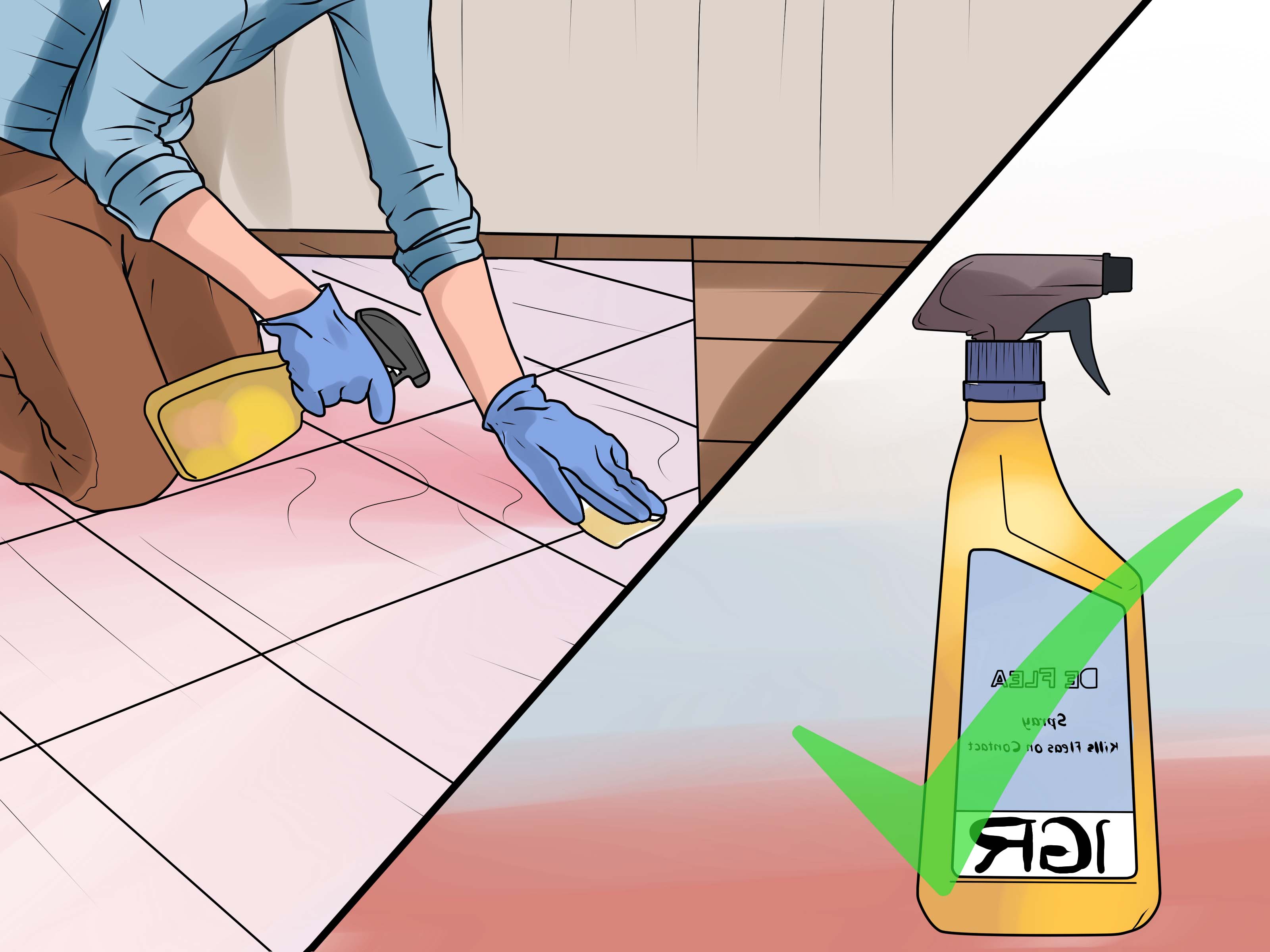
If you use an indoor flea spray, choose one labeled for home flea control and follow directions exactly. Look for products that address more than adult fleas, such as those containing an insect growth regulator. Never apply a home or yard product directly to a pet unless the label specifically says it is meant for that use. Keep pets and children away from treated areas until the label says it is safe to return.
For heavy infestations, professional pest control may be useful, especially if fleas are in carpets, furniture, crawl spaces, or outdoor resting areas. Tell the pest-control professional that you have pets, and follow all safety instructions carefully.
6. Manage the Yard and Build Year-Round Prevention
If your pet goes outside, the yard matters. Fleas prefer shaded, humid places where animals rest. They are less likely to thrive in sunny, dry, exposed areas. Focus on dog houses, shaded patios, under decks, around shrubs, and places where pets nap. Wildlife such as rodents, raccoons, opossums, and stray animals may also bring fleas into the environment.
Make your yard less flea-friendly
- Mow the lawn regularly.
- Remove leaf piles, brush, and yard debris.
- Trim shrubs to reduce damp, shaded hiding spots.
- Do not leave pet food outdoors.
- Secure garbage to avoid attracting wildlife.
- Block access to crawl spaces or under-porch areas when safe and practical.
Outdoor insecticides should be used only where needed and according to the label. More product does not mean better results. It may simply increase risk to pets, people, pollinators, and the environment. Targeted control is usually smarter than spraying everything that stands still.
Why year-round prevention works best
Fleas can be a year-round issue in many homes, especially where winters are mild or indoor heating keeps conditions comfortable. Even in colder climates, fleas can survive indoors. That is why many veterinary sources recommend consistent prevention for all pets in the household. Stopping too early is like leaving the last chapter of a mystery novel unread, except the villain has six legs and jumps.
Prevention is easier than rescue mode. Once fleas have settled into the home, you may need weeks or months of consistent effort. A monthly or veterinarian-approved schedule helps protect your pet before fleas become visible. Put reminders on your calendar, pair treatment day with another routine, or set the product box somewhere safe but noticeable. Flea prevention only works if it actually happens.
When to Call the Veterinarian
Call your veterinarian if your pet is very itchy, losing hair, has sores, seems weak, has pale gums, is a puppy or kitten, is pregnant or nursing, or has reacted badly to flea products before. You should also call if fleas persist despite treatment, because the issue may be improper application, untreated pets, environmental reinfestation, or a different skin problem entirely.
A veterinarian may recommend a prescription flea treatment, skin medication, antibiotics for infection, tapeworm treatment, allergy care, or a safer product based on your pet’s health history. This is not overkill. It is the difference between guessing and solving.
Common Flea-Control Mistakes to Avoid
Stopping treatment too soon
Many people stop once they stop seeing fleas. Unfortunately, immature flea stages may still be hiding in the home. Keep prevention going as recommended so newly emerged fleas are killed before they reproduce.
Using the wrong product
A product labeled for a large dog can be dangerous for a small dog. A dog product can be life-threatening for a cat. Always match the label to the pet.
Forgetting the environment
If your pet is treated but the rugs, bedding, and sofa are not cleaned, fleas may keep appearing. Treating the pet and home together gives you a much better chance of success.
Relying only on home remedies
Salt, baking soda, vinegar, essential oils, garlic, and internet-famous mixtures are not reliable flea-control plans. Some are ineffective; others may be unsafe. Fleas are tough. Your plan should be tougher, not trendier.
Experience Notes: What Usually Works in Real Homes
In many real-life flea battles, the turning point is not one magical product. It is consistency. A common scenario looks like this: a pet owner applies a flea treatment, sees improvement for a few days, then notices new fleas and assumes the product failed. In reality, fleas already developing in the carpet or bedding may have emerged after treatment. The pet becomes a walking flea trap, the fleas die after biting, and the owner thinks the battle is starting over. It feels unfair, because it is. Fleas have terrible manners.
The households that get control fastest usually do three things at the same time. First, they put every pet on the correct flea preventive. Second, they vacuum and wash bedding repeatedly, especially in the first few weeks. Third, they keep prevention going even after the scratching stops. That combination attacks adult fleas, reduces eggs and larvae, and prevents newly emerged fleas from rebuilding the population.
Another useful lesson: the favorite sleeping spot matters more than the entire house. If a dog spends six hours a day on one rug by the window, that rug deserves attention. If a cat owns the back of the sofa like a tiny landlord, clean the sofa. Flea eggs are not evenly distributed through the home. They collect where pets spend time. A focused cleaning plan saves energy and gets better results than wandering around with a vacuum like a confused ghostbuster.
Multi-pet homes often need extra discipline. One untreated pet can keep the whole cycle alive. This is especially common when the dog is obviously itchy but the cat seems fine. Cats may groom away evidence, making fleas harder to spot. Meanwhile, the infestation continues quietly. Treating only the itchy pet is like locking one door while leaving five windows open.
Pet owners also learn quickly that cheap shortcuts can become expensive. A bargain flea product that is not right for the pet may fail, irritate the skin, or create a safety problem. Unregulated “natural” products can be risky too, particularly for cats. A veterinarian-approved product may cost more upfront, but it often saves money by preventing repeat infestations, skin infections, and emergency visits.
Finally, patience is part of flea control. A serious infestation may take months to fully resolve because pupae can remain hidden and protected. That does not mean you are losing. It means the life cycle is still playing out. Keep treating, keep cleaning, keep checking with a flea comb, and keep your veterinarian involved if progress stalls. Flea control is not glamorous, but neither is sharing your couch with insects. Choose the vacuum. Choose the calendar reminder. Choose peace.
Conclusion
Getting rid of fleas on pets requires a complete plan, not a single heroic bath. Start by confirming fleas are the problem, then use a veterinarian-recommended flea treatment that matches your pet’s species, weight, age, and health. Treat every pet in the home, use grooming for comfort and monitoring, clean bedding and carpets thoroughly, manage outdoor flea zones, and continue prevention long enough to break the flea life cycle.
The best flea treatment for pets is safe, consistent, and realistic for your household. Fleas may be stubborn, but they are not unbeatable. With the right approach, your pet can get back to the important business of napping, snuggling, snack supervision, and pretending they do not hear you when you say “bath.”