Eyes are tiny organs with a ridiculously demanding job. They read text messages at midnight, survive office lighting, track traffic, judge whether the avocado is ripe, and somehow still get blamed when we forget where we put our keys. While no food can magically turn blurry vision into eagle vision overnight, the right diet can help support healthy eyesight, protect the retina, reduce oxidative stress, and lower the risk of certain age-related eye problems.
The phrase “foods that can improve your eyesight” should be understood in a realistic way: nutrition helps your eyes function well and stay healthier over time. It will not reverse nearsightedness, erase astigmatism, or replace prescription glasses. But a consistent, eye-friendly eating pattern can deliver key nutrients such as lutein, zeaxanthin, vitamin A, vitamin C, vitamin E, zinc, and omega-3 fatty acids. These nutrients support the retina, macula, cornea, tear film, and blood vessels that keep your vision working smoothly.
Below are seven practical foods that deserve a regular place on your plate if your goal is better eye health, sharper visual comfort, and long-term vision protection.
Why Food Matters for Eye Health
Your eyes are exposed to light, oxygen, screen glare, air pollution, dry indoor air, and natural aging. That creates oxidative stress, which is basically cellular rust. Antioxidants from food help fight that process. Meanwhile, healthy fats support retinal structure, vitamin A helps the eye process light, and minerals such as zinc help move vitamin A where it needs to go.
Many reputable eye-health organizations emphasize a balanced diet rich in colorful fruits and vegetables, leafy greens, fish, nuts, seeds, and legumes. The pattern is simple: the more your plate looks like a farmer’s market and less like a beige snack drawer, the happier your eyes tend to be.
1. Spinach and Kale: The Green Bodyguards for Your Retina
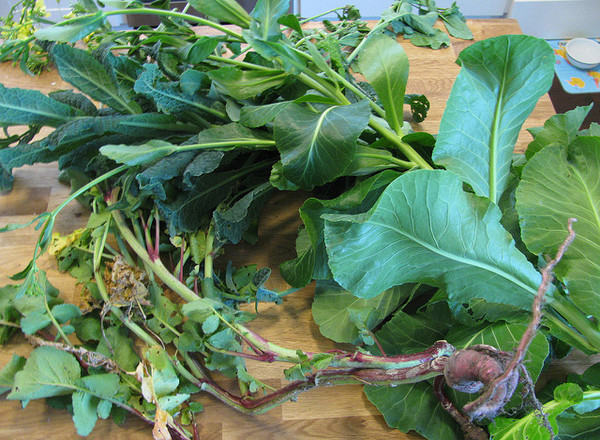
If your eyes had a security team, lutein and zeaxanthin would be wearing sunglasses and standing at the front door. These two carotenoids are found in high concentrations in the macula, the central part of the retina responsible for sharp, detailed vision. Spinach, kale, collard greens, Swiss chard, and other dark leafy greens are among the best dietary sources.
How They Help Your Eyesight
Lutein and zeaxanthin help filter high-energy light and protect eye tissues from oxidative damage. They are often associated with support for macular health, visual performance, and long-term protection against age-related vision changes. Think of them as internal screen protectors, except you cannot peel them off and replace them when bubbles appear.
Easy Ways to Eat More
Add spinach to omelets, smoothies, soups, pasta, sandwiches, or rice bowls. Kale can be massaged with olive oil and lemon juice for a salad that tastes far less like punishment than its reputation suggests. For better absorption, pair leafy greens with healthy fat, such as avocado, olive oil, nuts, or eggs.
2. Salmon: Omega-3 Support for the Retina and Tear Film
Salmon is one of the most eye-friendly proteins because it contains omega-3 fatty acids, especially DHA and EPA. DHA is an important structural fat in the retina, while EPA supports anti-inflammatory pathways in the body. Sardines, trout, herring, and mackerel are also excellent choices.
How It Helps Your Eyesight
Omega-3 fatty acids help support retinal function and may contribute to healthier tear quality. For people who spend long hours staring at screens, dry eye discomfort can become a daily villain. Food alone may not fix chronic dry eye, but omega-3-rich fish can be part of a broader eye-health routine that includes blinking breaks, hydration, and professional care when symptoms persist.
Easy Ways to Eat More
Try baked salmon with lemon and herbs, salmon tacos with cabbage slaw, or canned salmon mixed into a simple lunch bowl. If salmon feels expensive, sardines are a budget-friendly option with serious nutrient power. They are small, mighty, and slightly dramatic when opened in public, so choose your lunch location wisely.
3. Eggs: Small, Affordable, and Surprisingly Eye-Smart
Eggs are often underrated in eye nutrition. The yolk contains lutein and zeaxanthin, and because these nutrients come packaged with fat, the body may absorb them efficiently. Eggs also provide vitamin A and other nutrients that support general health.
How They Help Your Eyesight
The lutein and zeaxanthin in egg yolks help support macular pigment, which plays a role in central vision. Vitamin A also supports the surface of the eye and the retina’s ability to respond to light. This is one reason vitamin A deficiency can affect night vision.
Easy Ways to Eat More
Enjoy eggs boiled, scrambled, poached, or folded into a vegetable-packed breakfast burrito. Pair eggs with spinach and tomatoes for an eye-health combo that looks fancy but takes about the same effort as scrolling through three breakfast videos and still eating cereal.
4. Sweet Potatoes and Carrots: Orange Fuel for Night Vision
Carrots have been linked with eyesight for decades, and while they will not give you superhero night vision, the reputation is not completely random. Carrots and sweet potatoes are rich in beta-carotene, a plant pigment the body can convert into vitamin A.
How They Help Your Eyesight
Vitamin A is essential for rhodopsin, a light-sensitive protein in the retina that helps you see in low-light conditions. It also supports the cornea and the normal function of the eye’s surface. Sweet potatoes are especially powerful because they provide a generous amount of beta-carotene in one filling, naturally sweet package.
Easy Ways to Eat More
Roast sweet potato wedges with olive oil and paprika, add shredded carrots to salads, or blend cooked carrots into soup. A baked sweet potato topped with Greek yogurt, black beans, and salsa makes a colorful meal that supports both eye health and blood sugar balance better than a plate of fries wearing a fake mustache.
5. Oranges and Bell Peppers: Vitamin C for Eye Tissue Protection
Vitamin C is a major antioxidant, and your eyes appreciate it. Citrus fruits such as oranges, grapefruit, lemons, and tangerines are classic sources, but bell peppersespecially red and yellow onesare also vitamin C champions.
How They Help Your Eyesight
Vitamin C supports healthy blood vessels, collagen formation, and antioxidant defense. Since the eye contains delicate tissues and tiny blood vessels, a vitamin C-rich diet can support overall eye structure and long-term resilience. It is also commonly discussed in relation to cataract and age-related eye-health research.
Easy Ways to Eat More
Snack on orange slices, add bell pepper strips to hummus, toss grapefruit into salads, or squeeze lemon over fish and greens. Bell peppers are especially useful because they bring crunch, color, and vitamin C without requiring anyone to peel anything. That is a win for busy people and anyone emotionally tired from opening stubborn fruit stickers.
6. Almonds and Sunflower Seeds: Vitamin E for Cellular Defense
Vitamin E is a fat-soluble antioxidant that helps protect cell membranes from oxidative damage. Almonds, sunflower seeds, hazelnuts, and peanuts are convenient sources. They are portable, shelf-stable, and far less suspicious than carrying cooked kale in your backpack.
How They Help Your Eyesight
The retina is rich in fatty acids, and vitamin E helps protect fatty tissues from oxidative stress. In a balanced diet, vitamin E works alongside vitamin C, carotenoids, and other antioxidants. Eye health is not a solo performance; it is more like a nutrient orchestra, ideally with fewer cymbal crashes.
Easy Ways to Eat More
Add sliced almonds to oatmeal, sprinkle sunflower seeds on salads, blend nut butter into smoothies, or pack a small handful as a snack. Keep portions reasonable because nuts and seeds are calorie-dense. A little goes a long way, even if your hand insists that “one serving” means “whatever fits before the bag closes.”
7. Beans and Lentils: Zinc, Fiber, and Blood Sugar Support
Beans, lentils, chickpeas, and black-eyed peas may not look glamorous, but they bring important nutrients to the table. They provide plant-based zinc, fiber, protein, and slow-digesting carbohydrates. Zinc is important because it helps transport vitamin A from the liver to the retina.
How They Help Your Eyesight
Zinc supports retinal health and plays a role in producing melanin, a protective pigment in the eyes. Beans also support steadier blood sugar because of their fiber and protein content. That matters because long-term blood sugar problems can affect the tiny blood vessels in the retina.
Easy Ways to Eat More
Use black beans in tacos, lentils in soup, chickpeas in salads, or white beans blended into a creamy dip. If beans make your digestive system play jazz, start with smaller servings, rinse canned beans well, and increase gradually. Your eyes may be grateful, and your household may also appreciate the slow approach.
How to Build an Eye-Friendly Plate
The best diet for eyesight is not built around one miracle food. It is built around repetition. A smart eye-health plate might include salmon, spinach, roasted sweet potatoes, bell peppers, and a sprinkle of sunflower seeds. Another version could be eggs with kale, orange slices, and a side of black beans. The goal is variety, not perfection.
For daily eating, aim for colorful produce, healthy fats, lean proteins, nuts or seeds, and fiber-rich carbohydrates. Drink enough water, especially if your eyes feel dry after screen use. Limit heavily processed foods, excess added sugar, and smoking exposure, because your retina is not a fan club for inflammation.
What Food Cannot Do for Your Vision
It is important to be honest: eating carrots will not cancel your glasses prescription. Spinach will not repair a retinal tear. Salmon will not make glaucoma disappear. Nutrition supports eye health, but it does not replace professional eye care.
If you have sudden vision changes, eye pain, flashes of light, floaters, severe redness, or persistent blurry vision, schedule an eye exam promptly. Regular comprehensive eye exams are especially important for people with diabetes, high blood pressure, a family history of eye disease, or age-related vision concerns.
Experience-Based Tips: Making Eye-Healthy Eating Work in Real Life
The easiest way to eat for better eyesight is not to create a complicated “vision diet” that requires 17 containers, three powders, and a blender that sounds like a lawn mower. The easiest approach is to attach eye-friendly foods to meals you already eat. That is where the habit becomes realistic.
For breakfast, eggs with spinach are one of the simplest upgrades. It takes only a few extra minutes to throw a handful of spinach into scrambled eggs. The spinach wilts quickly, the eggs make it more satisfying, and the combination gives you lutein, zeaxanthin, vitamin A, and protein. Add a few orange slices on the side, and suddenly breakfast looks like it has a personal relationship with your optometrist.
Lunch can be just as practical. A bowl with black beans, roasted sweet potatoes, bell peppers, greens, and avocado gives you fiber, beta-carotene, vitamin C, zinc, and healthy fat. The healthy fat helps your body absorb carotenoids from the vegetables. This kind of meal also keeps you full, which reduces the afternoon snack panic that usually ends with chips whispering from the pantry.
Dinner is where fatty fish can shine. Salmon with a side of kale salad and lentils feels restaurant-worthy but is not difficult. Frozen salmon fillets are convenient, and canned salmon or sardines can work when fresh fish is not available. For people who do not like fish, walnuts, chia seeds, and flaxseeds provide plant-based omega-3s, though the body converts them less efficiently than the omega-3s found in fish.
Snacks are the secret weapon. A small handful of almonds, sunflower seeds on yogurt, carrots with hummus, or bell pepper strips with a bean dip can quietly improve your nutrient intake without making your day feel like a nutrition homework assignment. The goal is not to eat perfectly; it is to eat intentionally most of the time.
People often notice that these habits help beyond eye health. Meals become more colorful, digestion may improve from added fiber, energy may feel steadier, and screen-heavy days may feel less punishing when paired with hydration and regular breaks. The real experience is not dramatic like a movie montage. It is more like realizing, after a few weeks, that your meals are doing more useful work in the background.
One practical routine is the “three-color rule.” At least once a day, build a meal with one green food, one orange or red food, and one healthy fat. For example: spinach, sweet potato, and olive oil. Or kale, red bell pepper, and salmon. This simple rule naturally brings in lutein, zeaxanthin, beta-carotene, vitamin C, and fat for absorption. Your plate looks better, your eyes get useful nutrients, and nobody has to memorize a biochemistry textbook before dinner.
Another helpful habit is planning two eye-friendly staples for the week. Cook a pot of lentils and wash a container of greens. Roast sweet potatoes and boil eggs. Keep oranges and almonds visible. When the good choices are easy to grab, you are more likely to eat them. Nutrition is partly about willpower, but mostly about whether the healthy food is easier to reach than the cookies. The cookies are ambitious. Do not underestimate them.
Conclusion
The best foods that can improve your eyesight are not magic bullets, but they can support the systems that keep your eyes healthy. Spinach and kale provide lutein and zeaxanthin for macular support. Salmon delivers omega-3 fats for retinal structure and tear-film health. Eggs offer absorbable carotenoids and vitamin A. Sweet potatoes and carrots bring beta-carotene. Oranges and bell peppers supply vitamin C. Almonds and sunflower seeds add vitamin E. Beans and lentils contribute zinc, fiber, and steady nutrition.
Eat these foods regularly, combine them with healthy habits, and keep up with eye exams. Your eyes work hard every day. Feeding them well is one of the simplest thank-you notes you can send.
Note: This article is for general educational purposes and should not replace advice from an eye doctor, registered dietitian, or other qualified healthcare professional.