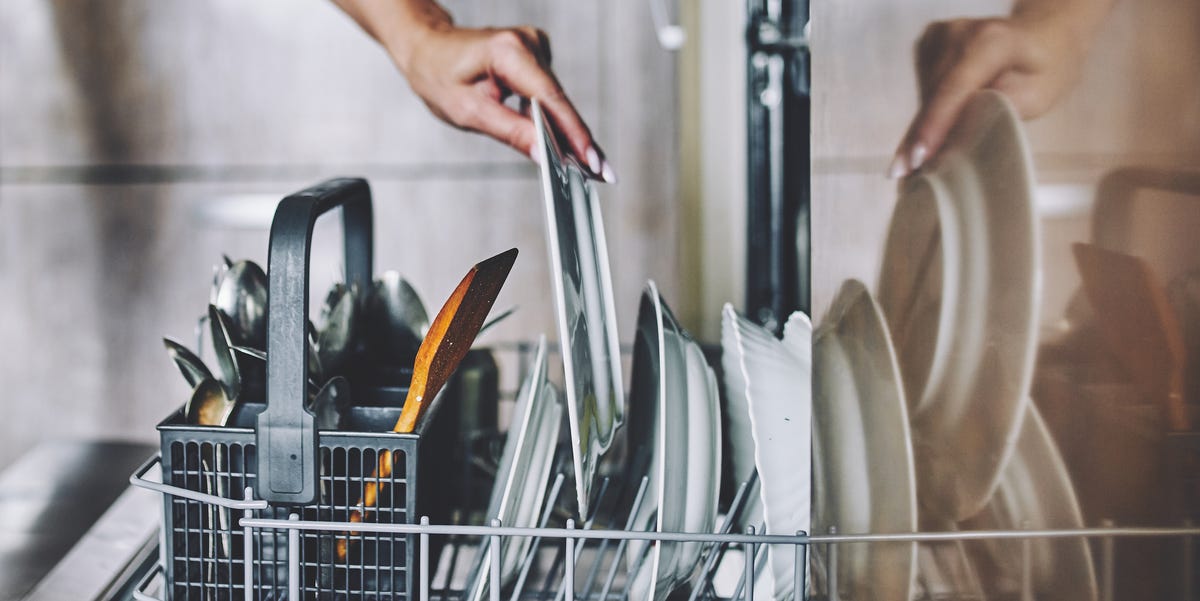
Your dishwasher is not just a dish-washing machine. It is a tiny, steamy cleaning assistant sitting under your counter, waiting for a promotion. While it was built for plates, bowls, mugs, and the occasional spaghetti-sauce crime scene, it can also handle several household items you may never have considered washing there.
Before you start loading the top rack like you are packing for a weekend trip, there is one golden rule: always check whether the item is dishwasher safe. High heat, strong detergent, water pressure, and heated drying can damage certain materials. Wood can crack, cast iron can rust, copper can dull, fine china can lose its finish, and thin plastic can warp into a sad little modern art sculpture.
That said, when used wisely, the dishwasher can save time, reduce hand-scrubbing, and make everyday cleaning easier. Below are seven surprising things you can clean in the dishwasher, plus smart safety tips, loading advice, and real-life experience notes to help you avoid turning a cleaning shortcut into a household blooper reel.
Before You Begin: Dishwasher Cleaning Rules That Actually Matter
The dishwasher is powerful, but it is not magic. Think of it as a helpful tool, not a universal cleaning portal. Before washing non-dish items, remove loose dirt, hair, food crumbs, labels, batteries, electronics, and anything with glue, paint, leather, wood, or delicate decoration.
Use the Top Rack for Heat-Sensitive Items
The top rack is usually farther from the heating element, making it a safer spot for many plastic, silicone, and rubber items. If your dishwasher has a no-heat dry or air-dry option, use it for anything that could bend, shrink, fade, or melt.
Wash Similar Items Together
Pet toys and bathroom accessories do not need to mingle with dinner plates. Your toothbrush holder and pasta bowl may both enjoy hot water, but they do not need to become friends. Run separate loads when cleaning items that feel too germy for your regular dishes.
Skip Items With Labels or Loose Parts
Paper labels can peel off and clog filters or spray arms. Loose parts can fall through racks, block moving components, or get damaged. If something has small detachable pieces, secure them in a dishwasher-safe basket or wash them by hand.
1. Silicone Phone Cases
Your phone case goes everywhere with you: pockets, backpacks, desks, gym bags, kitchen counters, and probably at least one questionable public surface. The phone itself should never go near the dishwasher, obviously. But many plain silicone, rubber, and hard plastic phone cases can be cleaned on the top rack.
Remove the case from the phone first. This is not the moment to test whether your smartphone is secretly waterproof enough to survive a hot wash cycle. Place the case upright or flat on the top rack so water can reach both sides. Use a gentle cycle if available, and skip heated dry. Let the case air-dry completely before putting it back on your phone.
Best For
Plain silicone, rubber, or hard plastic phone cases without glitter, glued decorations, fabric, leather, card slots, magnets, or printed designs that may fade.
Avoid
Leather cases, wallet cases, battery cases, cases with rhinestones, pop-out parts, adhesive decorations, or anything that looks like it would file an emotional support claim after one hot rinse.
2. Pet Bowls and Some Pet Toys
Pet bowls can get grimy fast. Food residue, slobber, and water minerals build up even when the bowl looks “fine.” Stainless steel and ceramic pet bowls are often dishwasher safe, making them one of the easiest non-human dinnerware items to clean.
Hard rubber toys, nylon toys, silicone lick mats, and some sturdy plastic toys may also be dishwasher safe. Place toys on the top rack and use a normal or gentle cycle, depending on the item. If a toy is cracked, peeling, stuffed, rope-based, squeaky, or has small glued parts, keep it out of the dishwasher.
For extra peace of mind, wash pet items separately from family dishes. Your dog may consider the mixing of bowls a beautiful symbol of household unity, but your guests probably do not need that level of bonding.
Best For
Stainless steel bowls, ceramic bowls, hard rubber toys, silicone feeding mats, durable food scoops, and sturdy dishwasher-safe plastic pet accessories.
Avoid
Soft plush toys, rope toys, damaged chew toys, leather collars, electronic feeders, and anything with batteries or fabric.
3. Toothbrush Holders and Soap Dishes
Toothbrush holders are tiny bathroom cups of mystery. Water drips into them, toothpaste residue gathers at the bottom, and before long, they become less “fresh morning routine” and more “science fair finalist.” Soap dishes are not much better. They collect film, mineral spots, and slippery soap goo.
The good news: many ceramic, glass, stainless steel, and hard plastic toothbrush holders and soap dishes can go in the dishwasher. Place them on the top rack if they are small or lightweight. If the item is heavy ceramic or thick glass, make sure it is stable so it does not rattle around during the wash.
For bathroom items, it is smart to run a separate load rather than washing them with kitchen dishes. Use regular dishwasher detergent, and let everything dry fully before putting it back near toothbrushes or soap bars.
Best For
Ceramic toothbrush cups, glass holders, stainless steel soap dishes, plastic bathroom organizers, and simple removable bathroom trays.
Avoid
Wood, bamboo, stone with porous finishes, painted decorative items, or pieces with rubber feet that may loosen.
4. Kids’ Plastic Toys and Bath Toys
Children’s toys spend their days on floors, in hands, under furniture, in snack zones, and sometimes in places no adult wants to investigate too deeply. Many hard plastic toys can be cleaned in the dishwasher, especially smaller items that do not contain electronics, stickers, paint, batteries, or metal parts.
Use a mesh dishwasher bag or utensil basket for small toys so they do not fall through the rack. Place larger toys on the top rack. A gentle cycle is usually enough, and air drying is safer than heated dry.
Bath toys deserve special attention. If a bath toy has a hole that traps water, it can develop mold inside. The dishwasher may clean the outside, but it may not fully solve what is happening inside the toy. For squeezable bath toys with hidden water chambers, replacement may be better than rescue.
Best For
Solid hard plastic toys, building blocks without stickers, plastic animals, durable bath cups, and dishwasher-safe baby items.
Avoid
Electronic toys, battery-operated toys, dolls with hair, wooden toys, painted toys, toys with stickers, and anything that traps water inside.
5. Glass Light Fixture Covers
Glass light covers and globes quietly collect dust, cooking grease, and airborne grime. You may not notice it day to day, but once they are clean, the room suddenly looks brighter, as if your ceiling has been drinking more water and getting eight hours of sleep.
Many plain glass light fixture covers can be cleaned in the dishwasher. Remove them carefully, shake out loose dust, and place them securely on the top rack. Use a gentle cycle and avoid high heat if the glass is delicate. Make sure the covers are completely dry before reinstalling them.
This is especially useful for kitchen light covers, which can develop a thin greasy film. The dishwasher’s hot water and detergent can help remove buildup more evenly than a quick wipe with a cloth.
Best For
Plain glass globes, simple fixture covers, and sturdy removable glass shades without paint or metallic trim.
Avoid
Antique glass, painted glass, etched decorative pieces, fragile shades, electrical components, and anything attached to wiring.
6. Vacuum Attachments
Vacuum attachments are heroes of the cleaning closet, but they rarely get cleaned themselves. Crevice tools, hard plastic brush attachments, upholstery nozzles, and extension pieces collect dust, hair, crumbs, and mystery fuzz. The dishwasher can help refresh some of these parts.
First, remove all hair, lint, and debris by hand. If the attachment has a brush, pull out tangled hair before loading it. Place hard plastic attachments on the top rack and use a gentle or normal cycle. Let them air-dry completely before reconnecting them to the vacuum.
This is important: never put motorized vacuum heads, electrical components, filters, hoses with internal wiring, or anything with foam padding in the dishwasher. Water and electrical parts are not cleaning partners; they are a repair bill wearing a fake mustache.
Best For
Hard plastic crevice tools, non-motorized upholstery tools, removable plastic nozzles, and simple brush attachments if the manufacturer allows it.
Avoid
Motorized heads, filters, electrical parts, foam pieces, hoses with wiring, and attachments with soft fabric strips that may loosen.
7. Silicone Kitchen Tools, Sponge Holders, and Sink Accessories
Some of the dirtiest kitchen items are not plates or pans. They are the small helpers sitting near the sink: sponge holders, sink strainers, silicone scrubbers, utensil crocks, bottle-drying tray parts, and flexible silicone tools. These pieces deal with water, food bits, soap residue, and daily splashes.
Silicone kitchen tools are often dishwasher safe and can usually go on the top rack. Sponge holders, sink caddies, and removable sink strainers may also be dishwasher safe depending on the material. Stainless steel strainers and durable plastic caddies often clean up well in a dishwasher cycle.
Sponges are trickier. Some sources suggest dishwashers can help clean sponges, but sponges wear out quickly and can hold bacteria deep inside. If a sponge smells bad, looks broken down, or has been used for raw meat cleanup, toss it. The dishwasher is useful, but it is not a time machine for tired sponges.
Best For
Silicone spatulas, silicone trivets, sink strainers, dishwasher-safe sponge holders, utensil holders, bottle-drying tray parts, and removable plastic sink accessories.
Avoid
Wooden-handled tools, bamboo scrubbers, rusty metal pieces, glued parts, natural-bristle brushes, and heavily worn sponges.
Things You Should Not Clean in the Dishwasher
The dishwasher is helpful, but some items should stay far away from it. High heat, alkaline detergent, and long exposure to water can ruin materials that prefer a gentler touch.
Keep These Items Out
- Wooden cutting boards, wooden spoons, and bamboo tools
- Cast iron pans and carbon steel cookware
- Copper pots, copper mugs, and delicate metal finishes
- Fine china, vintage dishes, hand-painted ceramics, and crystal
- Sharp chef’s knives or specialty knives
- Thin plastic containers that are not marked dishwasher safe
- Insulated mugs and bottles unless the manufacturer says otherwise
- Anything electronic, battery-powered, or glued together
- Items with paper labels, loose stickers, or decorative decals
When in doubt, hand-wash. It may take two extra minutes, but it is cheaper than replacing a warped cutting board, a cloudy crystal glass, or a travel mug that suddenly stops keeping coffee hot.
How to Load Non-Dish Items Safely
Loading matters. A dishwasher works by spraying water from rotating arms, so items need space. Do not stack things tightly, block the spray arms, or place lightweight objects where they can flip over and fill with dirty water.
Use a Basket for Small Items
Small toys, bottle parts, lids, and little accessories can fall through the rack. A dishwasher-safe mesh bag, baby bottle basket, or utensil basket keeps them contained while still allowing water to circulate.
Skip Heated Dry When Needed
Heated dry can be too intense for some plastic, rubber, and silicone items. Use air dry, open the dishwasher door after the cycle, and let items finish drying naturally.
Clean the Dishwasher Itself
If you use your dishwasher for unusual items, keep the machine clean. Rinse the filter regularly, check the spray arms for debris, and run an empty cleaning cycle as recommended by your dishwasher manufacturer. A clean dishwasher cleans better. A dirty dishwasher just redistributes yesterday’s lasagna in a more democratic way.
of Real-Life Experience: What Actually Works When You Clean Unexpected Things in the Dishwasher
The first thing experience teaches you about cleaning surprising items in the dishwasher is that confidence should arrive with a checklist, not a marching band. The items that work best are usually simple, sturdy, and made from one material. A plain silicone phone case? Great candidate. A phone case with glitter, glued charms, fabric lining, and a dramatic personality? Not so much.
One practical habit is to create a “non-dish load” every couple of weeks. Instead of tossing random items in with plates, gather similar things: pet bowls and hard pet toys in one load, bathroom accessories in another, kitchen sink accessories in a separate quick cycle. This keeps cleaning more organized and avoids the mental image of a toothbrush holder relaxing beside a cereal bowl.
Another lesson: pre-cleaning still matters. The dishwasher can remove grime, but it is not designed to swallow piles of hair, clumps of mud, or large chunks of mystery debris. Vacuum attachments should be cleared of hair first. Pet toys should be rinsed if they are coated in dirt. Sink strainers should be emptied before washing. A dishwasher is a cleaner, not a garbage disposal with better lighting.
Top-rack placement is also more important than people think. Many household items are lighter than dishes. If they are placed loosely, they can flip, bang around, or land upside down full of water. A small basket solves many problems. It keeps little toys, lids, and accessories from dropping into the bottom of the dishwasher or blocking the spray arm.
Air drying is usually the safest choice. Heated dry can make some plastics warp and can shorten the life of rubber or silicone items. After the cycle ends, open the door, pull the rack out slightly, and let items cool. For pieces with corners, grooves, or hollow sections, towel-dry them before storage. Otherwise, trapped water can sit there like an unwanted roommate.
Cleaning bathroom items in the dishwasher feels strange the first time, but toothbrush holders and soap dishes often come out looking dramatically better. The key is to wash them separately from food items. A quick load of bathroom accessories can refresh things you usually ignore until they look embarrassing under bright light.
Pet items are another win, especially stainless steel bowls. They come out shiny, and the dishwasher saves scrubbing time. However, toys need judgment. If a chew toy is cracked, sticky, flaking, or smells bad even after washing, it is probably done. Cleaning should not become a rescue mission for an object that has clearly retired.
The biggest mistake is assuming “dishwasher safe” means “dishwasher invincible.” Repeated cycles can still wear items down over time. Use the dishwasher as a smart shortcut, not a daily punishment chamber. Rotate hand-washing and machine-washing depending on the item’s condition.
In short, the dishwasher can absolutely help clean more than dishes, but the best results come from common sense: check labels, separate loads, use the top rack, skip heat when needed, and never wash anything valuable, fragile, electronic, wooden, or sentimental. Your dishwasher is a wonderful assistant, but it should not be trusted with Grandma’s antique bowl or your favorite wooden spoon. Some things deserve hand-washing, even if your dishwasher is standing there looking ambitious.
Conclusion
The dishwasher can be one of the most underrated cleaning tools in your home. With the right precautions, it can clean silicone phone cases, pet bowls, hard toys, toothbrush holders, soap dishes, glass light covers, vacuum attachments, and sink accessories. The secret is knowing what materials can handle heat, detergent, and water pressure.
Use the top rack for delicate or lightweight items, avoid heated dry for plastic and silicone, and always separate bathroom or pet items from regular dish loads. Most importantly, do not treat the dishwasher like a dare. If an item is wooden, antique, electronic, glued, painted, thin plastic, or emotionally expensive, hand-wash it instead.
Once you learn what can safely go in, your dishwasher becomes more than a kitchen appliance. It becomes a time-saving cleaning sidekickone that does not complain, does not ask for snacks, and handles soap dishes better than most humans.