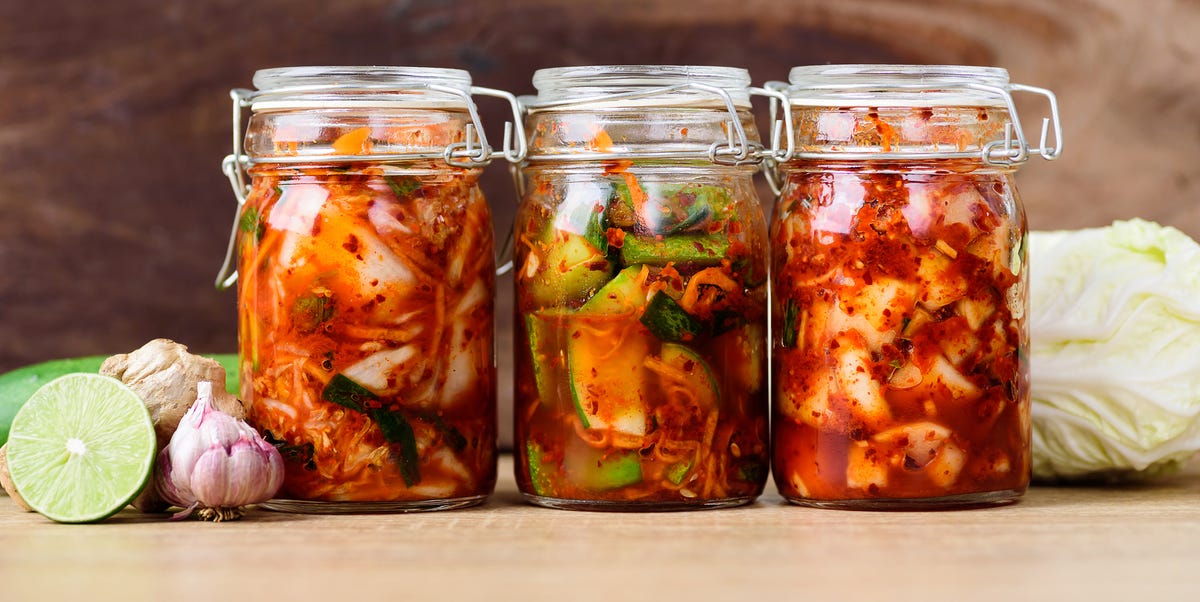
Kimchi is the kind of food that makes a tiny side dish feel like the main character. It is spicy, tangy, crunchy, funky, and just dramatic enough to wake up a sleepy meal. But kimchi is not only beloved for its bold flavor. Registered dietitians and nutrition-minded health experts often point to kimchi as an example of a food that brings together several smart nutrition traits in one punchy package: fermented ingredients, vegetables, fiber, and big flavor for very few calories.
That does not mean kimchi is a magic jar that instantly fixes your gut, clears your skin, and turns your week around. No food deserves that much pressure. Still, when you look at what kimchi is made of and how it is traditionally prepared, it is easy to see why it shows up in so many conversations about healthy eating. Most kimchi starts with vegetables such as napa cabbage and radish, then gets seasoned with ingredients like garlic, ginger, scallions, and chili pepper before fermenting. The result is a food that can add depth, brightness, and nutritional value to a meal without requiring much effort from the eater beyond opening the container and resisting the urge to eat half of it straight from the fridge.
Below, we break down the top kimchi health benefits, what nutritionists actually mean when they praise it, and how to enjoy it in a way that supports your goals without getting ambushed by the sodium count.
What Makes Kimchi So Interesting to Nutritionists?
Nutrition professionals tend to like kimchi for three simple reasons. First, it is made from vegetables, which means it naturally brings fiber and plant compounds to the table. Second, it is fermented, which may provide beneficial microbes or fermentation byproducts that support gut health. Third, it is intensely flavorful, which means a small serving can make wholesome foods like rice bowls, grilled salmon, eggs, tofu, or grain salads much more satisfying.
In other words, kimchi helps healthy food stop feeling like homework. That alone deserves a small round of applause.
1. Kimchi May Support a Healthier Gut Microbiome
The most talked-about kimchi benefit is gut health, and for good reason. Because kimchi is a fermented food, it may contain live microorganisms that help support the gut microbiome. That is the large community of microbes living in your digestive tract, and it plays a role in digestion, immune function, and overall health.
Nutritionists like kimchi because it gives you more than one gut-friendly feature at once. If the product contains live cultures, the fermented food itself may contribute helpful microbes. On top of that, the cabbage and other vegetables in kimchi provide fiber, which helps feed beneficial gut bacteria. That combination is part of what makes kimchi appealing compared with trendy gut-health products that cost too much and taste like regret.
Why this matters in daily life
A healthy gut microbiome is associated with better digestion and a more resilient digestive system overall. Some people notice that when they regularly include fermented foods like kimchi in balanced meals, they feel less sluggish after eating and more comfortable day to day. That does not mean kimchi works identically for everyone, but it does explain why nutrition experts often see it as a smart addition to a varied eating pattern.
One important note: not all kimchi products are equal. Some are pasteurized or processed in ways that reduce live cultures. If you are buying kimchi specifically for probiotic potential, choose refrigerated products and read labels carefully.
2. It Can Help Support Digestion and Regularity
Kimchi is often linked with easier digestion, and that benefit comes from both fermentation and fiber. Cabbage, radish, and other vegetables used in kimchi contain fiber that helps keep things moving through the digestive tract. If your meals are mostly refined carbs, snack foods, and random “I guess this is dinner” choices, a fiber-containing side like kimchi can help bring a little order back to the situation.
Fiber supports regular bowel movements and helps add bulk to stool. Fermented foods may also support digestive comfort for some people, especially when eaten consistently and in modest portions. That said, kimchi is spicy and tangy, so if you have a very sensitive stomach, acid reflux, or certain digestive conditions, a huge serving may not be your best idea. Start with a small amount and see how your body responds.
A realistic expectation
Kimchi is not a laxative, and it is not a cure-all for bloating or stomach problems. Think of it more as a supportive player in a digestion-friendly diet that also includes enough water, fruits, vegetables, beans, whole grains, and movement. In that lineup, kimchi can absolutely earn a starting position.
3. Kimchi Delivers Nutrients for Very Few Calories
One reason dietitians often appreciate kimchi is that it packs a surprising amount of flavor and nutritional value into a very small serving. A typical serving is low in calories, yet kimchi can still provide fiber and small amounts of vitamins and minerals from its vegetable ingredients. Depending on the recipe, kimchi may contribute vitamin C, vitamin A, vitamin K, and other micronutrients associated with cabbage, radish, garlic, and scallions.
This is useful for people who want more nutrient-dense foods without turning every meal into a complicated wellness project. Adding a spoonful of kimchi to brown rice and grilled chicken, a tofu bowl, or scrambled eggs can make a simple meal more interesting while keeping calories in check.
Why “low calorie” is not the whole story
Nutritionists do not praise kimchi just because it is low in calories. They like it because those calories come with flavor, texture, and nutritional value. Plenty of foods are low in calories and still deeply depressing. Kimchi is not one of them.
4. It May Help Support Immune Function
There is a strong connection between gut health and immune health, which is one reason fermented foods get attention in nutrition conversations. Kimchi is not an immunity superhero wearing a cape made of chili flakes, but it may support immune function indirectly through its relationship with the gut microbiome and through the nutrients in its ingredients.
Garlic, ginger, and cruciferous vegetables all bring plant compounds that are part of a healthy diet, while fermented foods may help support a more diverse gut environment. Since a large share of the immune system is connected to the gut, dietitians often see foods like kimchi as one useful piece of a broader immune-supportive eating pattern.
Of course, no side dish can cancel out chronic sleep deprivation, zero vegetables, and a daily stress level of “final exam in a tornado.” Kimchi helps most when it is part of an overall routine that includes nourishing meals, sleep, movement, and hydration.
5. Kimchi May Help Lower Inflammation as Part of a Balanced Diet
Some of the most interesting research on fermented foods suggests they may help support a healthier inflammatory response. That does not mean kimchi is medicine or that one bite will make your body whisper, “Ah yes, peace at last.” It means fermented foods have shown promise in studies looking at inflammation-related markers and gut diversity.
Kimchi also contains vegetables and seasonings rich in natural plant compounds. Cabbage and other cruciferous vegetables are associated with beneficial phytochemicals, while garlic and chili pepper contribute additional bioactive compounds. Together, these ingredients may help explain why kimchi is often discussed as a flavorful food that fits well into an anti-inflammatory style of eating.
The best way to think about this benefit
Kimchi can support an eating pattern built around vegetables, legumes, fruit, lean proteins, whole grains, nuts, seeds, and other minimally processed foods. That is where the real magic happens. Kimchi is the spicy backup dancer, not the entire show.
6. It May Support Heart Health, With One Important Catch
Kimchi’s heart-health reputation comes from a few angles. It is made from vegetables, it is generally low in calories, and some research has linked kimchi intake with improvements in cholesterol-related measures. That makes it interesting to nutrition professionals, especially when kimchi replaces less nutritious, ultra-processed side dishes.
But here comes the catch, and it is a salty one: kimchi can be high in sodium. That matters because too much sodium may raise blood pressure, which is a major heart-health concern. So the heart-health case for kimchi is not “eat unlimited amounts and call it a wellness journey.” It is “enjoy kimchi in reasonable portions as part of an overall heart-smart diet.”
How to make kimchi more heart-friendly
Pair kimchi with lower-sodium foods most of the time. For example, add a small serving to plain rice, baked salmon, roasted sweet potatoes, quinoa bowls, or unsalted eggs rather than stacking it onto an already salty instant noodle bowl with processed meat and soy-heavy sauces. That is less “heart-healthy masterpiece” and more “sodium group project gone wrong.”
7. Kimchi May Help With Fullness and Weight Management
Kimchi can be a useful food for people trying to manage hunger or maintain a healthy weight, mostly because it is low in calories and adds strong flavor to meals. Fiber also helps support satiety, which means you may feel satisfied with your meal for longer. Foods with high flavor impact can make a balanced meal feel more complete, which sometimes helps people avoid the endless snack hunt that starts 45 minutes after lunch.
That does not mean kimchi melts body fat or works like a secret metabolism shortcut. It simply fits nicely into meals that are filling, vegetable-rich, and reasonably portioned. A rice bowl with salmon, cucumber, edamame, avocado, and a little kimchi is a very different experience from inhaling a sad desk lunch and then wandering into the kitchen later in search of emotional crackers.
Why this benefit is practical
Healthy eating is easier when meals taste good. Kimchi can make basic proteins, grains, and vegetables much more craveable, which may help people stay consistent with better habits.
How to Eat Kimchi for the Most Benefits
Choose the right product
Look for refrigerated kimchi and labels that suggest the product contains live cultures if probiotic benefits are your goal. Shelf-stable products may not offer the same live-microbe potential.
Watch your portion size
A small serving goes a long way. Kimchi is powerful in flavor and can be high in sodium, so you usually do not need a huge mound of it.
Use it to upgrade healthy meals
Try kimchi with eggs, grain bowls, roasted vegetables, brown rice, tofu, grilled chicken, avocado toast, or even tucked into a turkey lettuce wrap. It pairs beautifully with foods that are otherwise a little plain.
Start slow if you are new to fermented foods
If you are not used to spicy or fermented foods, begin with a tablespoon or two. Going from zero to a mountain of kimchi in one sitting is a bold lifestyle choice, but not always a peaceful one.
Common Experiences People Have With Kimchi
When people start eating kimchi regularly, the first thing they usually notice is not some cinematic health transformation. It is flavor. Suddenly, a boring lunch has crunch, heat, acidity, and depth. A plain bowl of rice and eggs becomes something you actually want to eat. That matters more than it sounds, because one of the biggest reasons healthy eating falls apart is simple boredom. Kimchi solves boredom with the confidence of a food that knows exactly who it is.
Many people also describe a gradual shift in how they think about side dishes. Instead of reaching for chips, heavily salted packaged snacks, or creamy toppings every time a meal feels flat, they start using kimchi as a punchy accent. A small spoonful can make salmon more exciting, liven up a grain bowl, or give a sandwich some personality. Over time, this can make balanced meals feel more satisfying without relying on excess calories.
Another common experience is that people become more aware of how fermented foods affect their digestion. For some, a modest serving of kimchi with meals feels great. They report feeling more regular or just a bit more comfortable after meals. Others discover they need smaller portions, especially at first, because spicy foods and fermentation can be intense if their stomach is sensitive. This is why dietitians often recommend introducing kimchi gradually rather than treating it like a dare.
People also tend to learn quickly that not all kimchi is the same. Some brands are more sour, some are spicier, some are crunchier, and some are noticeably saltier. The “best” kimchi is often the one that fits your taste and your health needs. Someone focused on gut health may look for refrigerated kimchi with live cultures. Someone watching sodium may compare labels and use smaller amounts. Someone totally new to it may prefer a milder version before graduating to the fiery jars that seem capable of clearing both sinuses and emotional baggage.
There is also a practical experience that nutritionists appreciate: kimchi makes vegetables easier to eat. When meals are flavorful, people are more likely to stick with them. A person who once thought vegetables were only tolerable under a blanket of cheese may discover that roasted broccoli, rice, a fried egg, and kimchi is a genuinely exciting dinner. That is not a tiny win. That is a habit-changing moment.
Finally, regular kimchi eaters often become more mindful. Because kimchi has such a strong taste, it naturally encourages smaller, more intentional servings. You do not usually inhale a giant bowl of it mindlessly while scrolling. You add a little, taste it, and notice how it changes the whole plate. That kind of mindful eating can make meals feel more satisfying overall.
So the real experience of kimchi is usually not dramatic. It is something better: it is practical. It helps healthy meals taste alive. It gives people another way to enjoy vegetables. It invites variety into the diet. And every now and then, it rescues dinner from being unbearably dull, which, frankly, is a public service.
Final Thoughts
Kimchi earns its healthy reputation because it checks several boxes at once. It is vegetable-based, fermented, flavorful, low in calories, and easy to use in everyday meals. Nutritionists often point to kimchi as a smart addition to a balanced diet because it may support gut health, digestion, immune function, fullness, and overall dietary variety. It may also fit well into heart-conscious and anti-inflammatory eating patterns, as long as sodium stays on your radar.
The bottom line is simple: kimchi is not a miracle food, but it is a genuinely useful one. If you enjoy the taste, there is a lot to like. Start with a small serving, pair it with wholesome foods, and let it bring some spicy chaos to your plate in the most helpful way possible.