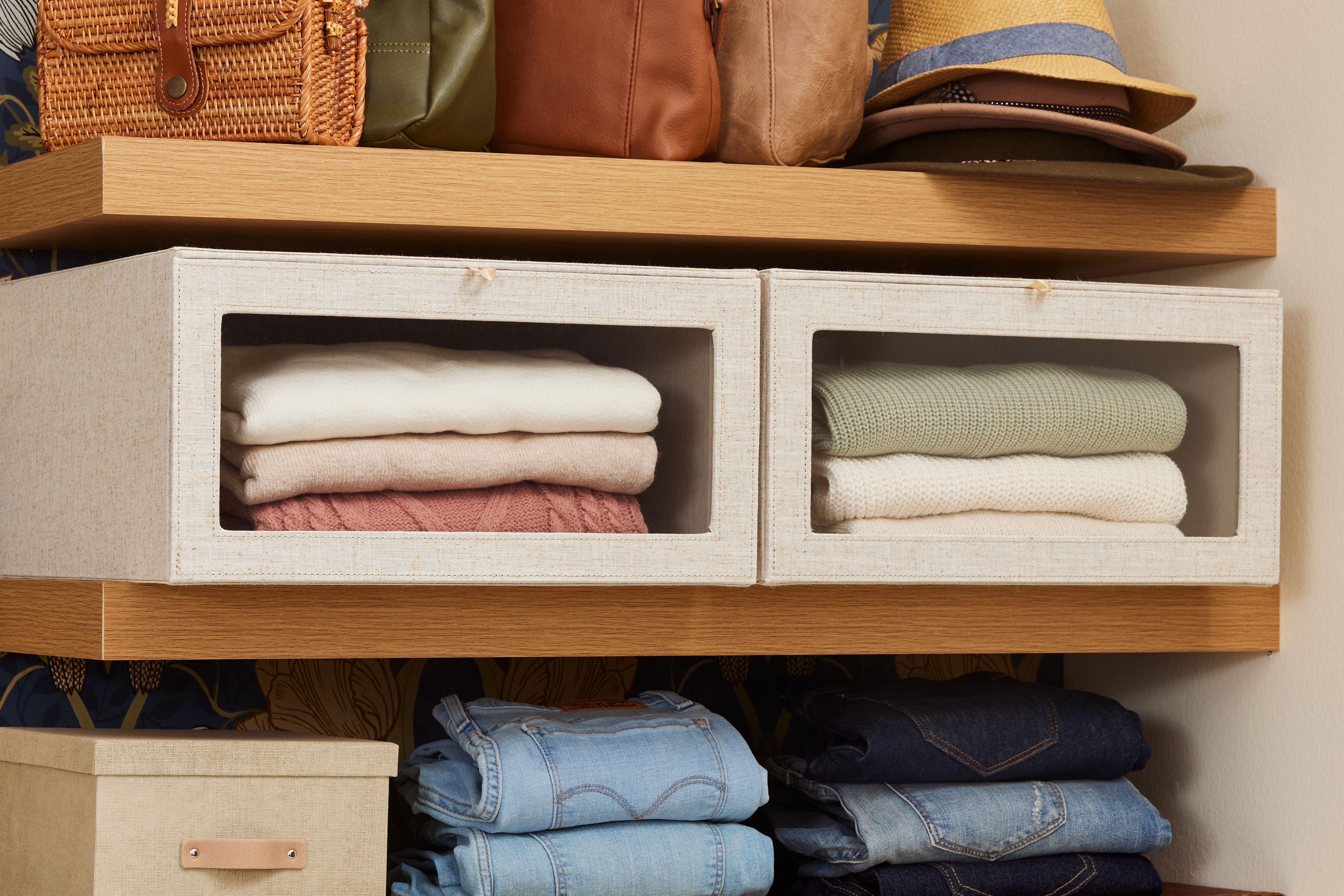
Winter has a funny way of turning your home into a pressure cooker. The coats multiply. The pantry suddenly looks like it’s auditioning for a baking show. Guest towels appear out of nowhere, and somehow every entryway becomes a museum dedicated to wet boots. That’s why smart winter decluttering is not just about making your home look tidier. It’s about making daily life easier when the weather gets colder, the days get shorter, and your house starts working overtime.
Professional organizers often say the best seasonal reset starts before the chaos shows up at your door wearing snow boots and carrying a casserole dish. In other words, don’t wait until your home feels stuffed like a holiday stocking. A good pre-winter declutter helps you find what you already own, frees up precious storage, and creates room for the things you’ll actually use over the next few months. It can also save money, reduce stress, and keep you from buying your third “emergency” pair of gloves when the other two are simply hiding in a random basket.
Below are eight surprisingly important things to declutter before winter arrives, plus practical tips for what to toss, what to donate, and what absolutely should not be shoved into a mystery bin labeled “deal with later.” Spoiler: later is a mythical season.
Why Decluttering Before Winter Matters
Pre-winter organizing works because it lines up with real-life habits. You spend more time indoors in colder months, so clutter feels more obvious and more annoying. Winter also brings extra gear, more cooking, more hosting, more deliveries, and more “where did I put that?” moments. A proactive decluttering session makes your home easier to manage when life gets busier.
There’s also a safety and maintenance angle. Expired medicine, half-empty cleaning products, loose batteries, damaged cords, and worn-out linens are not just clutter. They can be inconvenient, wasteful, or even risky. The most effective home organization advice doesn’t focus only on pretty baskets. It starts with removing what no longer serves your household.
1. Winter Gear That Doesn’t Fit, Match, or Deserve Another Season
The first surprising thing to declutter before winter is the stuff you assume you need: coats, hats, gloves, scarves, boots, and snow accessories. A professional organizer would tell you to pull it all out before the first truly cold day, not after you’re already late and hopping around looking for one boot like it owes you money.
What to look for
- Coats that no longer fit or never get worn
- Single gloves and mittens missing their soulmates
- Boots with cracked soles, poor traction, or painful fits
- Kids’ winter gear that was outgrown at lightning speed
- Scratchy scarves and hats you keep out of guilt
The goal is simple: keep the winter gear you’ll actually reach for. Clean it, repair what’s worth saving, and donate good-quality items you no longer use. If your closet is packed with “just in case” outerwear, it becomes harder to find your everyday favorites. And on a 34-degree morning, nobody wants to play closet archaeology.
2. Linen Closet Extras That Turn Into a Fluffy Avalanche
Before winter, many households bring out heavier blankets, guest bedding, throws, and extra towels. That makes the linen closet a prime decluttering target. It’s also one of the easiest places to ignore, because once the door closes, the chaos politely stays out of sight. For a while.
A professional organizer’s rule here is brutally fair: keep the best, donate the rest. If you have six throw blankets but only ever use two, congratulations on owning a textile fan club. If your towels are threadbare, stained, or suspiciously crunchy, let them go. Winter hosting is much easier when your guest linens are fresh, easy to find, and not stuffed into the shelf like a fabric burrito.
What to declutter
- Worn-out bath towels and hand towels
- Old sheet sets missing pillowcases or fitted sheets
- Blankets you never use because they’re too heavy, too thin, or weirdly itchy
- Pillows that are lumpy or flattened beyond hope
Once you edit the pile, group linens by use: primary bedroom, guest room, bath, and seasonal bedding. Suddenly, your closet goes from chaotic cave to functioning adult space.
3. Your Medicine Cabinet and Bathroom Products
This one is less glamorous, but far more useful. Winter is peak season for colds, coughs, dry skin, and general “why is my nose acting like this?” behavior. That makes your medicine cabinet an important spot to declutter before winter, especially if it currently contains expired pills, mystery ointments, and a cough syrup bottle from an era when people still said “YOLO” unironically.
Go through prescription and over-the-counter products, check dates, and set aside anything expired, unused, or no longer appropriate for your household. Do the same with makeup and beauty items that smell off, have separated, dried out, or simply haven’t been touched in forever.
Also, do not treat disposal like a free-for-all. Medication and certain household products should be discarded properly, not dumped carelessly. Once you clear out the expired stuff, restock the basics you truly need for winter: tissues, cough drops, fever reducers, moisturizers, lip balm, and whatever your home reliably uses once the cold weather starts acting dramatic.
4. Pantry Items You Forgot You Owned Until Pie Season
If you only declutter one kitchen zone before winter, make it the pantry. Winter cooking and holiday baking put your shelves under a spotlight. That’s when expired spices, stale flour, duplicate baking soda, and three half-used bags of chocolate chips suddenly reveal themselves like a very disorganized chorus line.
Professional organizers love tackling the pantry before winter because it creates immediate breathing room. You can see what you already have, avoid overbuying, and make space for the ingredients you’ll actually use. It also helps you catch old products before they affect taste, texture, or quality.
Declutter these first
- Expired baking mixes and stale snack foods
- Spices that have lost their flavor
- Duplicate jars, sauces, and canned goods
- Open packages you know no one is finishing
- Food storage containers without matching lids
This is also the perfect time to group winter staples together. Think baking ingredients, soup ingredients, tea and hot cocoa supplies, and entertaining essentials. Your future holiday self will be deeply grateful. Your future holiday self is also tired, so let’s help them out.
5. Entryway Clutter That Multiplies the Moment Temperatures Drop
Here’s the sneaky one: the entryway. It doesn’t seem like much in October. By January, it looks like a sporting goods store collided with a puddle. Winter boots, umbrellas, coats, bags, mail, pet leashes, hats, and random shoes love to gather here because the entryway is the first place people land and the last place they think about organizing.
Design pros and organizers frequently point to the entryway as a high-impact decluttering zone because it affects the daily rhythm of the whole home. If the front door area is jammed, everything feels harder. You trip. You search. You sigh heavily. You become a minor Victorian character.
What should go
- Out-of-season shoes and accessories
- Broken umbrellas and unused tote bags
- Old mail, flyers, and school papers
- Coats that belong elsewhere in the house
- Anything that doesn’t need to live by the door
Keep only what supports your cold-weather routine. A boot tray, a basket for gloves, a hook for everyday coats, and a small landing spot for keys can make the space dramatically calmer. The point is not to create a showroom entry. The point is to avoid being body-checked by clutter every time you walk in with groceries.
6. Holiday Decor and Gift Wrap You Don’t Actually Like
This is one of the most surprising things to declutter before winter because people tend to treat holiday items like untouchable relics. But if your storage bins are packed with broken lights, faded ribbons, dented ornaments, torn gift bags, and decor you haven’t used in years, that collection is not festive. It is storage rent.
Before the holidays begin, sort every decoration and wrapping supply you own. Keep what’s functional, meaningful, and genuinely part of your style. Donate gently used decor you no longer love, recycle damaged paper goods, and toss anything beyond repair.
Gift wrap deserves its own edit because it quietly breeds chaos. Bent boxes, wrinkled tissue paper, scraps too tiny to reuse, and twenty-seven gift tags with no matching set all take up room while contributing very little to holiday magic. Keep a neat, edited stash and your future wrapping sessions will feel far less like a paper-based wrestling match.
7. Old Electronics, Random Cords, and Battery Graveyards
Ah yes, the tech drawer. A natural habitat for mystery chargers, obsolete headphones, old remotes, and cables from devices you haven’t owned since two phones ago. Decluttering this area before winter is smart because holiday shopping, gift giving, and indoor downtime tend to bring in more tech. If you don’t clear space now, the tangle only gets worse.
A professional organizer would tell you to sort electronics by what you can identify and what you actually use. If you can’t name the device a charger belongs to, that relationship may be over. Keep current, working accessories. Recycle or donate what still functions. Dispose of batteries and e-waste properly.
Common culprits
- Dead earbuds and broken headphones
- Old phones or tablets you meant to deal with someday
- Duplicate charging cables
- Loose batteries rolling around a drawer
- User manuals for devices you no longer own
One more smart move: label the keepers. Winter is long enough without spending 18 minutes proving that every black cable looks exactly the same.
8. Cleaning Products and Household Chemicals You’re Hoarding “Just in Case”
Last but definitely not least: the under-sink cabinet, utility shelf, or laundry room stash filled with half-used sprays, duplicate cleaners, and unlabeled products that feel vaguely menacing. These items often pile up because they seem useful, but in reality they eat space and make routine cleaning more confusing than it needs to be.
Before winter, pare down your cleaning inventory. Keep the products you regularly use and safely dispose of anything that is expired, leaking, dried out, or no longer suitable. The bonus here is that winter cleaning becomes easier when you can actually find the bathroom cleaner without moving six bottles of mystery goo and one sponge that has seen things.
This decluttering step matters even more if you’ll be entertaining, deep cleaning, or spending more time indoors. Fewer products, organized well, usually means less stress and better maintenance.
How to Declutter Before Winter Without Getting Overwhelmed
The secret is not to do your entire house in one heroic marathon fueled by caffeine and denial. Instead, work in short sessions and use a simple sorting method: keep, donate, recycle, discard. Start with one category, finish it fully, and move on. Small wins build momentum.
It also helps to ask practical questions instead of emotional ones. Have I used this in the last winter season? Would I buy this again today? Is it in good condition? Does it make winter life easier? If the answer is no, it may be time to let it go.
And remember this golden organizing truth: storage solutions are not supposed to rescue excess stuff. Bins are lovely, but they are not magicians.
Real-Life Experiences: What I’ve Seen People Regret Keeping Before Winter
One of the most eye-opening patterns in winter decluttering is how often people keep items for the fantasy of who they might become in colder months. They hold onto duplicate scarves because maybe they will suddenly become a person who coordinates outerwear with mood. They keep five extra blankets because perhaps there will be a charming cabin-style gathering every weekend. They save expired baking supplies because this might finally be the year they become “the cookie house.” Then winter arrives, real life happens, and the same two scarves, one favorite throw, and one reliable cookie recipe do all the actual work.
I’ve also seen homeowners get tripped up by storage that looks full but functions poorly. A packed coat closet often hides the fact that no one can find gloves on a rushed weekday morning. A stuffed pantry can still be missing the basic ingredients for dinner. An overflowing linen closet may somehow contain zero decent guest towels. That’s the weird thing about clutter: it creates the illusion of abundance while making people feel unprepared.
Another common experience is emotional fatigue. Winter already asks a lot from a household. There are darker afternoons, busier schedules, school breaks, travel prep, indoor mess, and the general human tendency to want snacks and blankets at all times. When people declutter before winter, they often describe the same result: the home feels calmer, and everyday routines stop feeling like obstacle courses. They aren’t just creating visual order. They’re reducing friction.
Families with children usually notice the biggest difference in two places: the entryway and toy storage. Once boots, backpacks, hats, and everyday coats have clear homes, mornings become much less chaotic. And when kids sort toys and books before the holidays, there’s room for incoming gifts without the post-celebration avalanche. It also tends to shift the mood. Instead of shoving new things into already full spaces, the household starts the season with intention.
Even smaller edits can have a huge effect. I’ve seen someone feel absurdly relieved just from letting go of mismatched food containers and expired cold medicine. Another person finally recycled an entire drawer of dead electronics and said it felt like deleting background stress they hadn’t realized was running. That’s the power of a good seasonal reset: it’s rarely about one dramatic makeover. It’s about dozens of tiny decisions that make your home easier to live in.
So if you’re wondering where to start, choose the category that annoys you the most. That irritation is useful data. The pile of shoes by the door, the chaotic shelf of towels, the overstuffed basket of wrapping paper, the drawer of random cablesthat is your home waving a little flag and saying, “Please fix this before the snow boots arrive.” Listen to it. Your winter self will thank you, probably while drinking something hot and not digging through clutter to find a matching mitten.
Conclusion
The best things to declutter before winter are not always the obvious ones. Yes, closets matter, but so do the overlooked spaces that shape daily life: the medicine cabinet, pantry, linen closet, entryway, holiday bins, electronics drawer, and cleaning supply stash. When you edit these areas before the season changes, your home becomes easier to maintain, easier to enjoy, and far less likely to fight back every time you open a cabinet.
Think of it as setting your house up for a softer landing. Winter can be cozy, restful, and joyful, but it works a lot better when your home isn’t hiding expired cough syrup behind six unmatched pillowcases and a roll of glitter wrap from 2019. Declutter now, and the season ahead feels lighter from the very first cold snap.