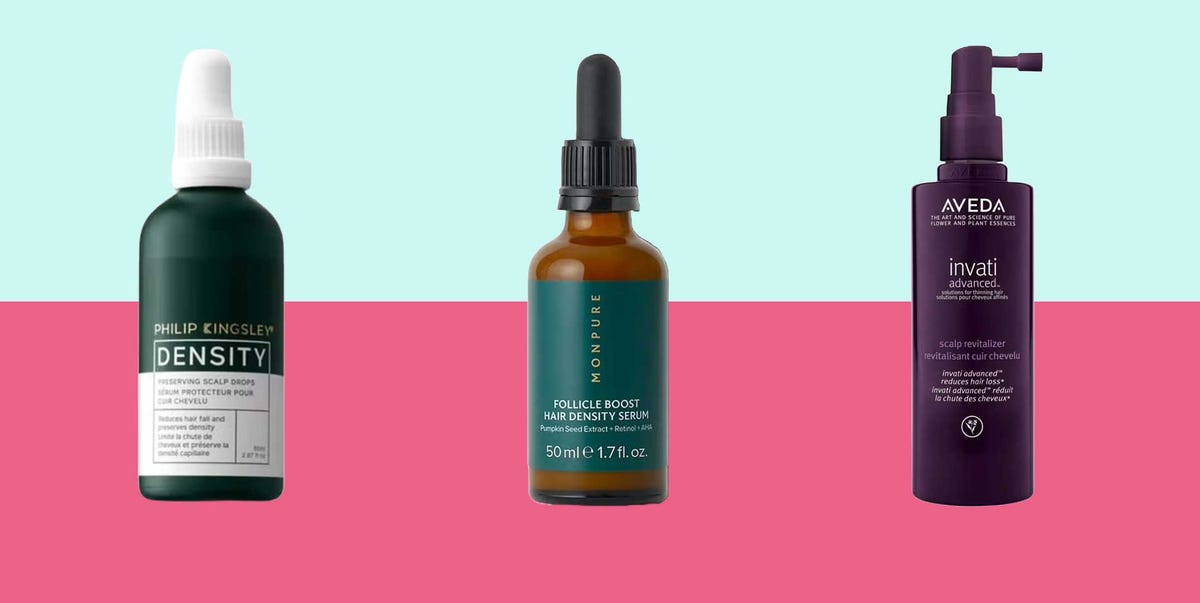
Hair growth serums have officially entered their “main character” era. Once hidden in medicine cabinets next to mystery bandages and expired sunscreen, scalp treatments now sit proudly on bathroom shelves beside luxury moisturizers and perfume bottles. But here is the important question: which hair growth serums actually deserve the counter space?
In 2025, the best hair growth serums fall into two big camps. The first includes evidence-backed regrowth treatments, especially formulas with minoxidil, the ingredient dermatologists most often point to for pattern hair loss. The second includes cosmetic scalp serums with peptides, caffeine, plant extracts, melatonin, exosome-inspired ingredients, and hydrating actives that help create a healthier scalp environment and make hair look fuller, thicker, and stronger.
That distinction matters. A serum cannot magically resurrect follicles that have left the group chat forever. But the right formula can support early thinning, reduce the look of shedding, improve scalp comfort, and help fragile strands look less like they are auditioning for a disappearing act. Below are nine of the best hair growth serums for fuller, healthier-looking hair in 2025, chosen for ingredient quality, user-friendliness, brand credibility, and suitability for different hair goals.
How to Choose a Hair Growth Serum in 2025
Before buying a bottle with dramatic before-and-after photos, start with the reason your hair is thinning. Hair loss can come from genetics, stress, postpartum changes, hormonal shifts, tight hairstyles, dandruff, iron deficiency, thyroid issues, medications, or scalp inflammation. In other words, your hair may not be “lazy”; it may be filing a complaint.
For hereditary thinning, also called androgenetic alopecia or pattern hair loss, minoxidil remains the most established topical option. For shedding related to stress, scalp imbalance, or breakage, a drug-free serum with peptides, caffeine, hydrators, or botanical extracts may be a better starting point. If you notice sudden shedding, bald patches, pain, scaling, or rapid widening of the part, see a dermatologist instead of turning your scalp into a chemistry experiment.
Quick Comparison: The 9 Best Hair Growth Serums
| Product | Best For | Key Ingredients |
|---|---|---|
| Women’s Rogaine 5% Minoxidil Foam | Best evidence-backed OTC regrowth serum | 5% minoxidil |
| Hers Minoxidil 5% Foam | Best convenient minoxidil option | 5% minoxidil |
| Curology Hair FormulaRx | Best personalized prescription formula | May include minoxidil, finasteride, spironolactone, caffeine, melatonin, or ketoconazole |
| Nutrafol Hair Serum | Best drug-free premium serum | Ashwagandha exosomes, Irish moss peptides, pea sprout extract |
| Vegamour GRO Hair Serum | Best plant-based daily serum | Plant actives, mung bean, red clover, caffeine-style scalp support |
| The Ordinary Multi-Peptide Serum for Hair Density | Best budget hair density serum | Peptide technologies, plant extracts, caffeine |
| ISDIN Lambdapil Hair Density Lotion With Melatonin | Best nightly scalp lotion | Melatonin, diaminopyrimidine oxide, biotin, adenosine |
| Act+Acre Stem Cell Scalp Serum | Best for scalp barrier support | Apple stem cell technology, aloe vera, bamboo extract |
| Kérastase Genesis Strengthening Scalp and Hair Serum | Best for breakage-prone fuller-looking hair | Caffeine, arginine, edelweiss native cells |
1. Women’s Rogaine 5% Minoxidil Foam
Best evidence-backed OTC hair regrowth serum
If hair growth serums were a high school yearbook, Rogaine would win “Most Likely to Be Recommended by a Dermatologist.” Its hero ingredient is 5% minoxidil, one of the most studied topical ingredients for hereditary hair loss. The women’s foam is designed for once-daily use, which is a huge advantage for anyone who already forgets where they put their keys three times before breakfast.
Rogaine is best for people noticing gradual thinning at the crown or widening part. It is not a styling serum, shine oil, or instant thickening mist. It is a treatment, and it needs commitment. Most users should think in months, not days. Early shedding may happen, which can feel rude, but it may occur as weaker hairs make room for new growth cycles.
Why it stands out: Strong clinical history, easy OTC access, once-daily foam for women, and a non-greasy texture compared with many liquid formulas.
Potential downside: Results require consistent use, and stopping can lead to renewed shedding. It may also irritate sensitive scalps.
2. Hers Minoxidil 5% Foam
Best convenient minoxidil option
Hers has become a popular hair-loss destination because it makes minoxidil access simple, modern, and less intimidating. Its 5% minoxidil foam is designed to go directly onto the scalp, dry quickly, and fit into a regular routine without making hair feel like it lost a fight with cooking oil.
This is a smart option for people who want an evidence-backed hair regrowth treatment but prefer a subscription-style shopping experience. Hers also offers other hair-loss products, including prescription options after an online consultation. That can be useful for women who need a more customized approach, especially if thinning is connected to hormones or postmenopausal changes.
Why it stands out: Convenient ordering, recognizable active ingredient, and options to move into personalized treatment if needed.
Potential downside: Minoxidil still requires patience. Also, prescription blends should be reviewed carefully with a licensed provider, especially if they contain ingredients such as finasteride.
3. Curology Hair FormulaRx
Best personalized prescription hair growth serum
Curology Hair FormulaRx is not your basic “sprinkle some rosemary and hope” situation. It is a personalized prescription treatment created after a provider review. Depending on the person’s needs, formulas may include ingredients such as minoxidil, finasteride, spironolactone, caffeine, melatonin, or ketoconazole.
This makes Curology especially interesting for people who have tried a one-size-fits-all product without much success. Hair thinning can have several overlapping causes, and customized formulas may target more than one pathway. For example, minoxidil may support regrowth, while ketoconazole may help if scalp inflammation or dandruff is part of the problem.
Why it stands out: Personalized care, prescription-strength possibilities, and a provider-guided process.
Potential downside: It requires consultation and may not be appropriate for everyone. Pregnant or breastfeeding users should be especially careful with prescription hair-loss ingredients.
4. Nutrafol Hair Serum
Best drug-free premium hair growth serum
Nutrafol Hair Serum is built for people who want a drug-free topical product with a polished ingredient story. The formula features ashwagandha exosomes, Irish moss peptides, and pea sprout extract. Translation: it is trying to support the scalp environment and improve the look of thicker, stronger-feeling hair without using minoxidil.
This serum pairs well with a broader hair wellness routine. It is not the cheapest option, but it feels thoughtfully designed for users who want something lightweight, modern, and cosmetic-elegant. It is especially appealing for people who are not ready for minoxidil or who want a supportive scalp serum alongside other treatments.
Why it stands out: Drug-free formula, premium texture, and scalp-focused ingredients.
Potential downside: It should be viewed as a cosmetic support serum, not a guaranteed medical regrowth treatment.
5. Vegamour GRO Hair Serum
Best plant-based daily serum for fuller-looking hair
Vegamour GRO Hair Serum is one of the best-known plant-based hair density serums. It is vegan, lightweight, and designed for daily use on wet or dry hair. Many people love it because it feels more like a beauty ritual than a medical chore. That matters because the serum you actually use wins over the serum that sits untouched like a decorative paperweight.
Vegamour’s formula is aimed at reducing the appearance of shedding and improving the look of density over time. It is a good pick for early-stage thinning, seasonal shedding, or anyone who wants a minoxidil-free serum that will not leave the scalp greasy.
Why it stands out: Lightweight feel, plant-based positioning, daily-use convenience, and strong brand recognition.
Potential downside: It is not FDA-approved to regrow hair, so expectations should stay realistic.
6. The Ordinary Multi-Peptide Serum for Hair Density
Best budget hair density serum
The Ordinary Multi-Peptide Serum for Hair Density is proof that your scalp routine does not need to cost the same as a weekend getaway. This lightweight leave-in serum uses a mix of peptide technologies, plant-based extracts, and caffeine to support the scalp and help hair look thicker, denser, and fuller.
It is best for people who want to improve the appearance of hair density without jumping into prescription treatments or higher-priced serums. The texture is light, but because it is a nightly leave-in, consistency still matters. Use it on a clean, dry scalp and massage it in gently. Your follicles do not need aggressive finger-drumming; they are not tiny bongos.
Why it stands out: Affordable price, lightweight texture, and a sophisticated ingredient blend for the cost.
Potential downside: It is a cosmetic density serum, not a proven regrowth medication like minoxidil.
7. ISDIN Lambdapil Hair Density Lotion With Melatonin
Best nightly scalp lotion
ISDIN Lambdapil Hair Density Lotion With Melatonin is a leave-in nighttime option that combines melatonin, diaminopyrimidine oxide, biotin, and adenosine. It is designed for people dealing with thinning hair who want a scalp-focused product that fits into an evening routine.
This serum-lotion hybrid is especially attractive for users who enjoy structured routines. Apply it at night, let it work while you sleep, and resist the urge to check your hairline every morning like it is a stock portfolio. Hair changes slowly. A good rule is to take monthly photos in the same lighting instead of relying on daily mirror investigations.
Why it stands out: Interesting nighttime formula, scalp-targeted actives, and a strong dermatology-inspired brand background.
Potential downside: It may be harder to find than mass-market options, and it is not a substitute for medical hair-loss treatment when true pattern loss is progressing.
8. Act+Acre Stem Cell Scalp Serum
Best hair growth serum for scalp barrier support
Act+Acre Stem Cell Scalp Serum is a great choice for people whose scalp feels dry, tight, flaky, or generally dramatic. Its formula includes apple stem cell technology, aloe vera, and bamboo extract to support scalp hydration and comfort. A calm scalp is not a guarantee of Rapunzel-level growth, but it is a much better foundation than an irritated one.
This serum is ideal for people who suspect their shedding or lackluster density is partly connected to scalp imbalance. It is also a nice option for those who use dry shampoo often, color their hair, or live in a climate that turns the scalp into a tiny desert.
Why it stands out: Hydrating, barrier-supportive, and friendly for people focused on scalp health rather than aggressive regrowth treatment.
Potential downside: It is more of a scalp wellness serum than a direct regrowth medication.
9. Kérastase Genesis Strengthening Scalp and Hair Serum
Best for breakage-prone, fuller-looking hair
Kérastase Genesis Strengthening Scalp and Hair Serum is for the person who says, “My hair is falling out,” but on closer inspection, much of the problem is breakage. The formula features ingredients such as caffeine, arginine, and edelweiss native cells, and it is designed to strengthen hair from the root and reduce breakage-related fallout.
This is not the same as treating hereditary hair loss. However, if your ponytail feels thinner because strands are snapping, splitting, or breaking before they reach their full potential, a strengthening scalp serum can make a visible difference. Pair it with less heat styling, gentler brushing, and fewer tight hairstyles for best results.
Why it stands out: Elegant texture, salon-brand credibility, and a strong focus on reducing breakage for fuller-looking hair.
Potential downside: It is better for fragile hair and breakage than for medically diagnosed pattern hair loss.
Ingredients That Matter in Hair Growth Serums
Minoxidil
Minoxidil is the most established over-the-counter topical ingredient for pattern hair loss. It helps extend the growth phase of hair and can support regrowth when used consistently. It works best for early thinning and requires ongoing use.
Peptides
Peptides in hair serums are usually used to support scalp condition and improve the appearance of density. They are common in cosmetic formulas, especially lightweight leave-in treatments.
Caffeine
Caffeine is often included in scalp serums because it is lightweight and commonly associated with scalp stimulation. It is not a miracle worker, but it can be a useful supporting ingredient in density-focused formulas.
Melatonin
Topical melatonin appears in some modern hair density lotions. It is often used in nighttime formulas aimed at scalp support and hair quality.
Botanical Extracts
Plant extracts such as pea sprout, red clover, mung bean, rosemary, bamboo, and aloe can support scalp comfort, hydration, and the appearance of stronger hair. They are especially common in drug-free serums.
How to Use Hair Growth Serum for Better Results
Apply hair growth serum directly to the scalp, not just the hair. This sounds obvious, but many people lovingly coat their strands and then wonder why their follicles did not receive the memo. Part your hair in rows, apply the serum to thinning areas, and massage gently with fingertips.
Use the product consistently according to the label. Minoxidil products usually require daily use, and many cosmetic serums also recommend daily or nightly application. Do not double up unless instructed; more serum does not equal faster growth. It often equals greasy roots and regret.
Give it time. For most hair growth products, three months is a reasonable early checkpoint, while six months is better for judging meaningful change. Take photos every four weeks in the same lighting. Your bathroom mirror is a known liar, especially under overhead lighting.
Who Should Be Careful With Hair Growth Serums?
People who are pregnant, trying to become pregnant, or breastfeeding should speak with a healthcare provider before using hair growth treatments, especially minoxidil or prescription formulas. Anyone with heart conditions, unexplained rapid shedding, scalp sores, severe irritation, or patchy bald spots should also get medical advice before starting a serum.
Also, be careful if you have a sensitive scalp. Alcohol-based formulas, essential oils, fragrance, and strong actives can cause itching, flaking, or redness. Patch testing is not glamorous, but neither is discovering your scalp hates your new $80 serum.
Real-Life Experience: What Using Hair Growth Serums Is Actually Like
Using a hair growth serum sounds simple: apply, wait, become a shampoo-commercial goddess. Real life is less cinematic. The first challenge is remembering to use it. Hair serums only work when they become as automatic as brushing your teeth. Put the bottle somewhere visible, preferably not behind seven skincare products and a candle you bought for “self-care” but never light.
The second challenge is texture. Some serums disappear beautifully. Others make roots look damp, shiny, or slightly suspicious. If you have fine hair, apply serum at night so it can dry while you sleep. If you have curly or coily hair, a dropper or nozzle applicator can help you reach the scalp without disturbing your style. The goal is scalp contact, not soaking your hair like a houseplant.
The third challenge is patience. Around week two or three, some people using minoxidil notice increased shedding. This can be alarming, like your hair is staging a protest. But temporary shedding can happen as follicles shift cycles. The key is not to panic-stop after ten days unless you have severe irritation or concerning symptoms. Most hair treatments need months, not motivational quotes.
One of the best habits is taking progress photos. Choose one spot, one light source, and one hairstyle. Photograph your part, temples, and crown every month. Daily checking makes progress almost impossible to see because hair grows slowly. Monthly photos are more honest and much less emotionally chaotic.
Another helpful experience-based tip: fix the basics while using serum. A scalp serum cannot outwork low protein intake, harsh bleaching, tight ponytails, untreated dandruff, or chronic heat damage. Fuller hair usually comes from stacking small wins: gentle shampooing, enough protein, less breakage, scalp care, stress management, and the right active treatment.
It also helps to match the serum to the problem. If your part is widening because of hereditary thinning, a minoxidil product or provider-guided formula makes the most sense. If your scalp is dry and flaky, a hydrating scalp serum may be the better first move. If your ends are snapping, a strengthening serum plus bond-building or reduced heat styling may create a fuller look faster than a regrowth serum alone.
Finally, do not compare your results to someone on TikTok who claims they grew six inches of hair in three weeks using onion water, moonlight, and confidence. Hair growth has biology. Most people grow about half an inch per month, and density changes take time. A good hair serum is a tool, not a magic wand. Use it consistently, support your scalp, track progress, and give your follicles a fair chance to do their slow but impressive little job.
Final Verdict: Which Hair Growth Serum Is Best?
The best hair growth serum in 2025 depends on your goal. For evidence-backed regrowth, Women’s Rogaine 5% Minoxidil Foam or Hers Minoxidil 5% Foam are strong choices. For a customized prescription approach, Curology Hair FormulaRx is worth considering. For drug-free density support, Nutrafol, Vegamour, The Ordinary, ISDIN, Act+Acre, and Kérastase each serve a different type of scalp or hair concern.
If you remember one thing, make it this: choose the serum that matches the cause of your thinning. Then use it consistently. Hair growth is not instant, but with the right formula and a little follicular patience, fuller, healthier-looking hair is a realistic goal.
Note: This article is for general educational and editorial purposes. It is based on current dermatology guidance, product information, and reputable U.S. beauty and health sources, including dermatology organizations, medical references, clinical literature, expert-reviewed health publications, major beauty editors, and official brand materials. Anyone with sudden, severe, patchy, painful, or unexplained hair loss should consult a dermatologist or licensed healthcare provider before starting treatment.