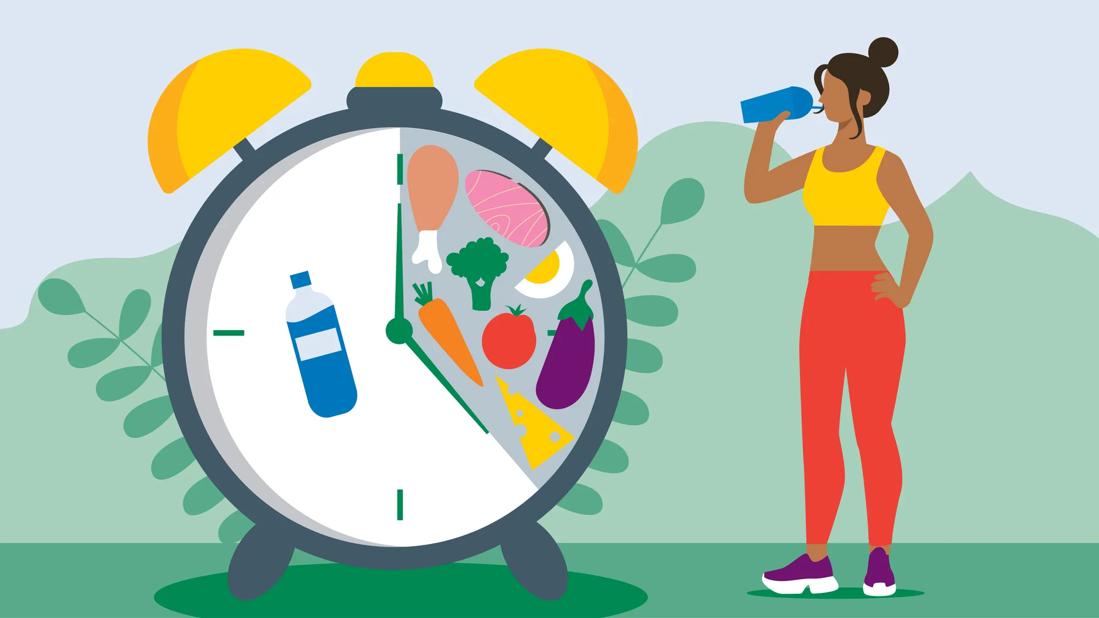
Intermittent fasting has become the diet world’s favorite clock-watching hobby. Instead of asking, “What should I eat?” it asks, “When should I eat?” That sounds refreshingly simpleuntil you realize your heart, blood sugar, medications, workouts, sleep schedule, and late-night snack personality all want a vote.
So, is intermittent fasting good for heart health? The honest answer is: it can be helpful for some people, risky or unnecessary for others, and definitely not a magic spell you cast by skipping breakfast while staring heroically at a black coffee.
Research suggests intermittent fasting may improve certain heart-related markers, such as body weight, blood pressure, insulin sensitivity, triglycerides, and cholesterol levels. But newer evidence has also raised questions about whether very short eating windowsespecially eating all food within less than eight hours a daycould be associated with higher cardiovascular risk in some groups. The science is not finished, and your arteries would prefer that nobody treat TikTok as a cardiology textbook.
This guide breaks down what intermittent fasting means, how it may affect the heart, who should be cautious, and how to approach it in a realistic, heart-smart way.
What Is Intermittent Fasting?
Intermittent fasting is an eating pattern that alternates between periods of eating and periods of fasting. It does not automatically tell you which foods to eat. That is both its charm and its trap. You can technically practice intermittent fasting while eating salmon, lentils, berries, and leafy greensor while building a dinner plate that looks like it lost a fight with a drive-thru menu.
Common Types of Intermittent Fasting
The most popular styles include:
- 12/12 fasting: A 12-hour eating window and a 12-hour fasting window. For example, eating from 7 a.m. to 7 p.m.
- 14/10 fasting: Eating during a 10-hour window and fasting for 14 hours. This is often easier and more sustainable than stricter plans.
- 16/8 fasting: Eating within eight hours and fasting for 16 hours. This is one of the most talked-about methods.
- 5:2 fasting: Eating normally five days per week and significantly reducing calories on two nonconsecutive days.
- Alternate-day fasting: Alternating between regular eating days and fasting or very-low-calorie days.
For heart health, the key question is not just whether fasting “works.” It is whether it improves the habits that matter most: healthy food choices, blood pressure control, cholesterol management, blood sugar stability, body weight, sleep, physical activity, and stress. The clock matters, but it is not the whole orchestra.
How Intermittent Fasting May Help Heart Health
Intermittent fasting may support cardiovascular health mainly by helping some people reduce overall calorie intake, lose weight, improve metabolic function, and cut back on late-night eating. When those changes happen, heart risk factors may improve too.
1. It May Support Weight Loss
Excess body weight is linked with higher risk of high blood pressure, abnormal cholesterol, insulin resistance, type 2 diabetes, and heart disease. Intermittent fasting can make weight loss easier for some people because it reduces the number of hours available for snacking, grazing, and conducting “quality control” on the contents of the pantry.
However, intermittent fasting is not automatically better than ordinary calorie reduction. If two people eat the same number of calories and similar foods, the person fasting may not lose more weight simply because the meals happen inside a smaller window. In other words, the body still notices the total energy coming in. The metabolism is clever like that.
2. It May Improve Blood Pressure
High blood pressure is one of the most important risk factors for heart disease and stroke. Some intermittent fasting studies show reductions in systolic blood pressure, especially when fasting leads to weight loss, lower sodium intake, better insulin sensitivity, or less late-night eating.
But fasting is not a substitute for proven blood pressure strategies. A heart-friendly plan still needs vegetables, fruits, beans, whole grains, nuts, seeds, low-fat or unsweetened dairy options if tolerated, lean proteins, regular movement, good sleep, limited alcohol, and less sodium. The DASH eating plan remains one of the most practical models for lowering blood pressure through food.
3. It May Help Cholesterol and Triglycerides
Some research links intermittent fasting with improvements in LDL cholesterol, total cholesterol, triglycerides, and HDL cholesterol. These changes are most likely when fasting improves overall diet quality and body weight.
Here is the catch: fasting for 16 hours and then eating bacon cheeseburgers, fries, and a “just one bite” dessert sampler is not a heart-health strategy. It is a scheduling strategy wearing a fake mustache. For cholesterol, food quality still matters. Replacing saturated fats with unsaturated fats from foods like olive oil, avocado, nuts, seeds, and fish is more heart-friendly than simply compressing less healthy foods into fewer hours.
4. It May Improve Blood Sugar and Insulin Sensitivity
Blood sugar control is deeply connected to heart health. Over time, high blood sugar can damage blood vessels and increase the risk of heart disease. Intermittent fasting may improve insulin sensitivity in some people, particularly when it reduces overall calories and encourages weight loss.
People with diabetes, however, need extra caution. Fasting while taking insulin or certain diabetes medications can increase the risk of low blood sugar. Symptoms such as shakiness, sweating, confusion, dizziness, weakness, or a racing heartbeat should not be brushed off as “discipline.” That is your body waving a tiny but urgent red flag.
The Big Question: Could Intermittent Fasting Be Bad for the Heart?
Intermittent fasting is not automatically dangerous, but it is also not automatically safe for everyone. Recent research has created discussion around very narrow eating windows, especially eating within less than eight hours per day.
A large observational analysis presented by the American Heart Association reported an association between eating during a window of less than eight hours per day and a higher risk of cardiovascular death. That finding grabbed headlines quickly, because “91% higher risk” tends to make people put down their black coffee and blink twice.
But context matters. Observational studies can find associations, not prove cause and effect. People who eat within very short windows may differ in many ways from people who eat over longer periods. They may have underlying illness, different work schedules, poorer diet quality, more stress, less sleep, or other risk factors. The study also relied on self-reported eating data, which can be imperfect. Anyone who has ever forgotten the handful of chips eaten while standing in the kitchen understands this problem.
The takeaway is not “intermittent fasting will harm your heart.” The better takeaway is: extreme or poorly planned fasting deserves caution, and long-term research is still developing.
Why Food Quality Still Beats the Clock
The biggest mistake people make with intermittent fasting is treating the eating window like a food free-for-all. A shorter eating window does not cancel out the effects of excess sodium, refined carbohydrates, sugary drinks, processed meats, low fiber intake, or too much saturated fat.
For heart health, what you eat during the window matters as much as the window itself. A smart intermittent fasting plan should look like a heart-healthy eating pattern that happens within a reasonable schedule.
Build Meals Around Heart-Friendly Foods
During eating hours, focus on:
- Vegetables, especially leafy greens, peppers, broccoli, carrots, tomatoes, and cruciferous vegetables
- Fruits such as berries, apples, oranges, pears, and bananas
- Whole grains like oats, brown rice, quinoa, barley, and whole-grain bread
- Beans, lentils, chickpeas, tofu, and other plant proteins
- Fish and seafood, especially fatty fish rich in omega-3 fats
- Nuts, seeds, avocado, and olive oil for unsaturated fats
- Low-fat dairy or fortified alternatives, depending on personal needs
Limit Foods That Work Against Your Heart
Try to reduce:
- Processed meats such as bacon, sausage, hot dogs, and deli meats
- High-sodium packaged foods and restaurant meals
- Sugary drinks, sweet coffee drinks, and frequent desserts
- Deep-fried foods and foods high in trans fats
- Large portions of butter, cream, full-fat cheese, and fatty meats
- Ultra-processed snacks that are engineered to disappear mysteriously during television
Who Should Be Careful With Intermittent Fasting?
Intermittent fasting is not ideal for everyone. Some people should avoid it or only try it with medical supervision.
Talk to a Healthcare Professional First If You:
- Have heart disease, a history of heart attack, stroke, arrhythmia, or heart failure
- Take medications for blood pressure, diabetes, or blood thinning
- Have type 1 diabetes or type 2 diabetes, especially if using insulin or sulfonylureas
- Are pregnant, breastfeeding, or trying to become pregnant
- Have a history of eating disorders or disordered eating patterns
- Are underweight, frail, elderly, or recovering from illness or surgery
- Have kidney disease, liver disease, gout, or other chronic medical conditions
- Do intense physical training or have a physically demanding job
Fasting should never cause chest pain, fainting, severe weakness, confusion, repeated heart palpitations, or symptoms of low blood sugar. If these happen, stop fasting and seek medical help.
A Heart-Smart Way to Try Intermittent Fasting
If you are healthy enough to experiment with intermittent fasting, start gently. Your body is not a software update; you do not need to reboot it overnight.
Start With a 12-Hour Overnight Fast
A simple 12-hour fast may be enough for many people. For example, finish dinner at 7 p.m. and eat breakfast at 7 a.m. This approach reduces late-night snacking without forcing you into a dramatic schedule.
Try 14/10 Before 16/8
If 12 hours feels easy, a 14-hour fast with a 10-hour eating window may be a reasonable next step. For example, eat from 8 a.m. to 6 p.m. or 9 a.m. to 7 p.m. Many people find this more sustainable than skipping breakfast and cramming meals into a narrow afternoon-to-evening window.
Consider Eating Earlier in the Day
Some research suggests that earlier eating windows may better align with circadian rhythms. Your body generally handles blood sugar better earlier in the day than late at night. A schedule that includes breakfast and avoids heavy late dinners may be better for metabolic health than one that starts eating at noon and ends with a large meal at 9 p.m.
Do Not Use Fasting to Excuse Poor Nutrition
Eating fewer hours does not mean you should eat fewer nutrients. Each meal should include protein, fiber-rich carbohydrates, healthy fats, and colorful produce. A good plate might include grilled salmon, quinoa, roasted vegetables, olive oil, and fruit. Another might include lentil soup, whole-grain toast, a side salad, and Greek yogurt. These meals support the heart whether you call them fasting meals or simply “dinner like an adult.”
Stay Hydrated
Water, unsweetened tea, and black coffee are commonly used during fasting periods. Hydration matters because dehydration can cause headaches, dizziness, fatigue, and changes in heart rate. People taking diuretics or blood pressure medications should be especially careful and should ask a clinician what is safe.
Intermittent Fasting vs. Heart-Healthy Diets
If your main goal is heart health, intermittent fasting should not replace proven dietary patterns. It should support them.
The Mediterranean diet and DASH diet have stronger long-term evidence for cardiovascular benefits than fasting schedules alone. These patterns emphasize vegetables, fruits, whole grains, legumes, nuts, seeds, fish, and healthy oils while limiting sodium, added sugars, refined grains, and saturated fats.
Think of intermittent fasting as a possible container. The Mediterranean or DASH pattern is what you put inside the container. A beautiful container filled with nachos is still nachos.
Practical Example: A Heart-Friendly 14/10 Fasting Day
Here is a realistic example of intermittent fasting that does not ask you to survive on vibes and caffeine.
Eating Window: 8 a.m. to 6 p.m.
- 8 a.m. breakfast: Oatmeal with berries, walnuts, cinnamon, and plain Greek yogurt.
- 12:30 p.m. lunch: Lentil and vegetable soup with a side salad, olive oil vinaigrette, and an apple.
- 3:30 p.m. snack: Carrot sticks with hummus or a small handful of almonds.
- 5:30 p.m. dinner: Grilled fish or tofu, roasted vegetables, brown rice, and fruit.
This plan provides fiber, protein, unsaturated fats, potassium, magnesium, and steady energy. It also avoids the common fasting mistake of skipping all day and then eating a dinner large enough to require its own zip code.
Common Mistakes That Can Hurt Heart Health
Skipping Meals, Then Overeating
Some people fast all day and then eat too quickly or too heavily at night. This can lead to reflux, poor sleep, blood sugar swings, and excess calorie intake. If fasting turns meals into a competitive sport, it may not be the right strategy.
Ignoring Protein
Older adults and people losing weight need enough protein to help preserve muscle. Loss of lean muscle can affect metabolism, strength, balance, and long-term health. Include protein at each meal from fish, poultry, beans, lentils, tofu, eggs, yogurt, or other appropriate sources.
Eating Too Little Fiber
Fiber helps lower LDL cholesterol, supports blood sugar control, improves fullness, and feeds beneficial gut bacteria. If your fasting plan reduces fruits, vegetables, beans, and whole grains, it is not helping your heart as much as it could.
Forgetting Sleep
Poor sleep can raise hunger hormones, blood pressure, insulin resistance, and cravings. If fasting makes you wake up hungry at 3 a.m. plotting revenge on a bagel, adjust the schedule.
Going Too Extreme
Long fasts, very narrow eating windows, or frequent low-calorie days can backfire. More restriction is not always better. Sustainable habits beat dramatic ones, especially for heart health.
Real-Life Experiences and Practical Lessons About Intermittent Fasting and Heart Health
In everyday life, intermittent fasting rarely looks like a perfectly organized wellness brochure. It looks more like a person trying to balance work, family, medication schedules, hunger, grocery shopping, social dinners, and the emotional power of fresh bread. That is why personal experience matters when discussing intermittent fasting and heart health.
One common experience is that people feel better when they stop eating late at night. Someone who used to snack from dinner until bedtime may notice that a simple 12-hour overnight fast improves sleep, reduces bloating, and makes breakfast feel more intentional. This is not because midnight snacks are morally bad. It is because late-night eating often includes salty, sugary, highly processed foods that are easy to overeat. Closing the kitchen after dinner can be a quiet but powerful heart-health move.
Another frequent lesson is that skipping breakfast is not magical for everyone. Some people feel sharp and energetic with a later first meal. Others become irritable, distracted, lightheaded, or overly hungry by lunch. When that happens, lunch may become less of a meal and more of a rescue mission. For these people, an earlier eating window may work better than the popular noon-to-8 p.m. schedule.
People with high blood pressure often discover that fasting alone does not fix the issue if sodium stays high. A person may follow 16/8 perfectly but still eat restaurant meals, processed meats, instant noodles, chips, and salty sauces during the eating window. The clock may be disciplined, but the sodium is still throwing confetti in the bloodstream. In contrast, a moderate fasting schedule combined with DASH-style meals may be much more useful.
People trying intermittent fasting for cholesterol often learn that meal composition is everything. A shorter eating window can reduce snacking, but LDL cholesterol responds strongly to the type of fat and fiber in the diet. Swapping butter-heavy breakfasts for oatmeal, nuts, fruit, and yogurt can do more for cholesterol than simply delaying the first meal.
Exercise also changes the fasting experience. Some people enjoy walking before breakfast and feel fine. Others need a small meal before activity, especially if they take medications or do intense workouts. Heart health improves through movement, so a fasting schedule that makes exercise miserable is not a win. The best plan supports walking, strength training, and daily activitynot just the heroic ability to ignore hunger.
Social life is another reality check. A plan that prevents every family dinner, holiday meal, or lunch with friends may not last. Heart health is a long game. A flexible 12/12 or 14/10 schedule that survives real life is usually better than a strict 16/8 plan that collapses every weekend and returns Monday wearing sunglasses.
The most useful experience-based rule is simple: track how your body responds. Pay attention to energy, mood, sleep, blood pressure readings, blood sugar if relevant, exercise performance, hunger, digestion, and whether the plan improves or worsens your relationship with food. Intermittent fasting should make healthy eating easier, not turn meals into math homework with emotional side effects.
Conclusion: Should You Try Intermittent Fasting for Heart Health?
Intermittent fasting may help some people improve heart-related risk factors, especially when it reduces excess calories, supports weight loss, improves blood sugar, lowers blood pressure, and cuts back on late-night snacking. But it is not a shortcut around food quality, exercise, sleep, medication management, or regular medical care.
The safest approach is moderate, flexible, and nutrient-dense. Start with a 12-hour overnight fast or a 14/10 schedule. Eat earlier when possible. Build meals around vegetables, fruits, whole grains, legumes, fish, lean proteins, nuts, seeds, and healthy fats. Avoid using fasting as a permission slip for ultra-processed foods.
If you have heart disease, diabetes, take medications, are pregnant, have a history of eating disorders, or feel unwell while fasting, talk with a healthcare professional before continuing. Your heart does not need a trendy diet. It needs a pattern you can maintainone that keeps your blood pressure, cholesterol, blood sugar, weight, sleep, and sanity moving in the right direction.
Medical note: This article is for educational purposes only and does not replace medical advice, diagnosis, or treatment. Always consult a qualified healthcare professional before starting intermittent fasting, especially if you have a medical condition or take prescription medications.