Note: This article is written for web publication and is based on real commercial seating principles, cafeteria furniture practices, accessibility considerations, cleaning guidance, and common U.S. buying standards for durable dining and multipurpose chairs.
What Is a Canteen Utility Chair?
A canteen utility chair is the dependable, no-drama seating hero found in cafeterias, staff dining rooms, school lunchrooms, breakrooms, community halls, training rooms, and casual commercial dining areas. It is not trying to be a velvet throne or a designer sculpture that whispers, “Please do not sit on me.” Its job is simpler and more noble: hold people comfortably, survive daily use, clean up quickly, and stack or move without requiring a gym membership.
In practical terms, a canteen utility chair usually combines a sturdy frame, a simple seat and back, easy-clean materials, and a compact shape that works in high-traffic environments. Many models use steel tubing, molded plastic, plywood, laminate, polypropylene, vinyl, or powder-coated metal. Some are stackable. Some have upholstered seats. Some are lightweight enough for quick room changes, while others are heavier and designed for long-term commercial durability.
The phrase “utility chair” is important. It suggests versatility. A good chair for a canteen should also work for meetings, events, waiting areas, study zones, employee lounges, and overflow seating. That flexibility makes it especially useful for schools, offices, hospitals, factories, churches, senior centers, food courts, and businesses that need practical furniture without turning the budget into confetti.
Why the Canteen Utility Chair Matters More Than People Think
Chairs are easy to ignore until they fail. A wobbly chair can make a cafeteria feel cheap. A hard, awkward chair can make lunch feel like a punishment. A chair that is difficult to clean can slow staff down and create hygiene headaches. A chair that scrapes floors, tips easily, or refuses to stack neatly can turn a simple room reset into a full-contact sport.
The right canteen utility chair improves comfort, traffic flow, cleaning speed, safety, and the overall look of a dining space. It also helps businesses save money over time because commercial-grade seating is designed for repeated daily use. In busy environments, a chair may be pulled out, pushed in, dragged, stacked, bumped, wiped, spilled on, and sat in hundreds of times per week. A residential dining chair might wave a tiny white flag after a few months of that treatment.
Key Features of a High-Quality Canteen Utility Chair
1. Strong Frame Construction
The frame is the chair’s skeleton, and nobody wants a chair with the structural confidence of cooked spaghetti. Most durable canteen chairs use metal frames, especially powder-coated steel or welded steel tubing. These materials are popular because they provide strength, stability, and resistance to everyday wear.
Wood-framed utility chairs can also work well, especially in warmer, hospitality-style dining spaces. However, for schools, staff canteens, and high-turnover cafeterias, metal or reinforced molded frames often offer the best balance of durability, price, and maintenance.
2. Easy-Clean Seat and Back
Canteen chairs live in the splash zone of real life. Coffee drips. Soup escapes. Ketchup makes bold artistic choices. For that reason, surfaces should be easy to wipe and resistant to staining. Molded plastic, laminate, sealed plywood, vinyl, and powder-coated finishes are common because they do not require complicated cleaning routines.
Fabric upholstery may look cozy, but it is not always ideal for cafeterias unless it is stain-resistant, antimicrobial, or used in lower-spill areas. If the chair will be used around children, quick-service dining, healthcare staff meals, or industrial breakrooms, nonporous and wipeable materials are often the smarter choice.
3. Stackability and Storage
A stackable canteen utility chair is a gift to anyone who has ever rearranged a room before an event. Stackable chairs save floor space, make cleaning easier, and allow facilities to adapt quickly. Cafeterias often double as meeting rooms, exam halls, training centers, or community spaces, so storage efficiency matters.
When comparing stackable chairs, buyers should check how many chairs can safely stack, whether the frame includes floor glides, and whether stacking causes scratches. A chair that stacks neatly is useful. A chair that stacks like a collapsing game of furniture Jenga is less charming.
4. Comfortable Seat Shape
Utility does not have to mean uncomfortable. A well-designed canteen chair should support short to moderate sitting periods without making users shift around every three minutes. A waterfall seat edge, slight back curve, and appropriate seat height can make a noticeable difference.
Many standard dining chairs have a seat height around 17 to 19 inches, which works with many common dining tables. However, the best choice depends on table height, user needs, and the setting. For public dining areas, accessibility and circulation should also be considered, especially where wheelchair access and flexible seating arrangements are required.
5. Floor Protection
Chair legs can be surprisingly destructive. Without proper glides, they may scratch tile, scuff vinyl, or create that legendary cafeteria screech that can be heard three counties away. Quality canteen chairs often include nylon, plastic, or rubber glides to protect floors and reduce noise.
For heavy-use rooms, replaceable glides are a practical advantage. They allow maintenance teams to refresh the chair’s contact points instead of replacing the entire chair. It is a small detail, but small details are often where long-term savings hide.
Popular Materials for Canteen Utility Chairs
Metal
Metal-framed canteen chairs are common in commercial spaces because they are durable, stable, and easy to maintain. Powder-coated steel is especially popular because the finish helps resist scratches and corrosion. Metal frames also pair well with plywood, plastic, laminate, or upholstered seats.
Molded Plastic
Molded plastic chairs are lightweight, affordable, colorful, and simple to clean. They are frequently used in schools, training rooms, and casual cafeterias. High-quality polypropylene or reinforced plastic can withstand daily use while keeping the chair easy to move.
Plywood
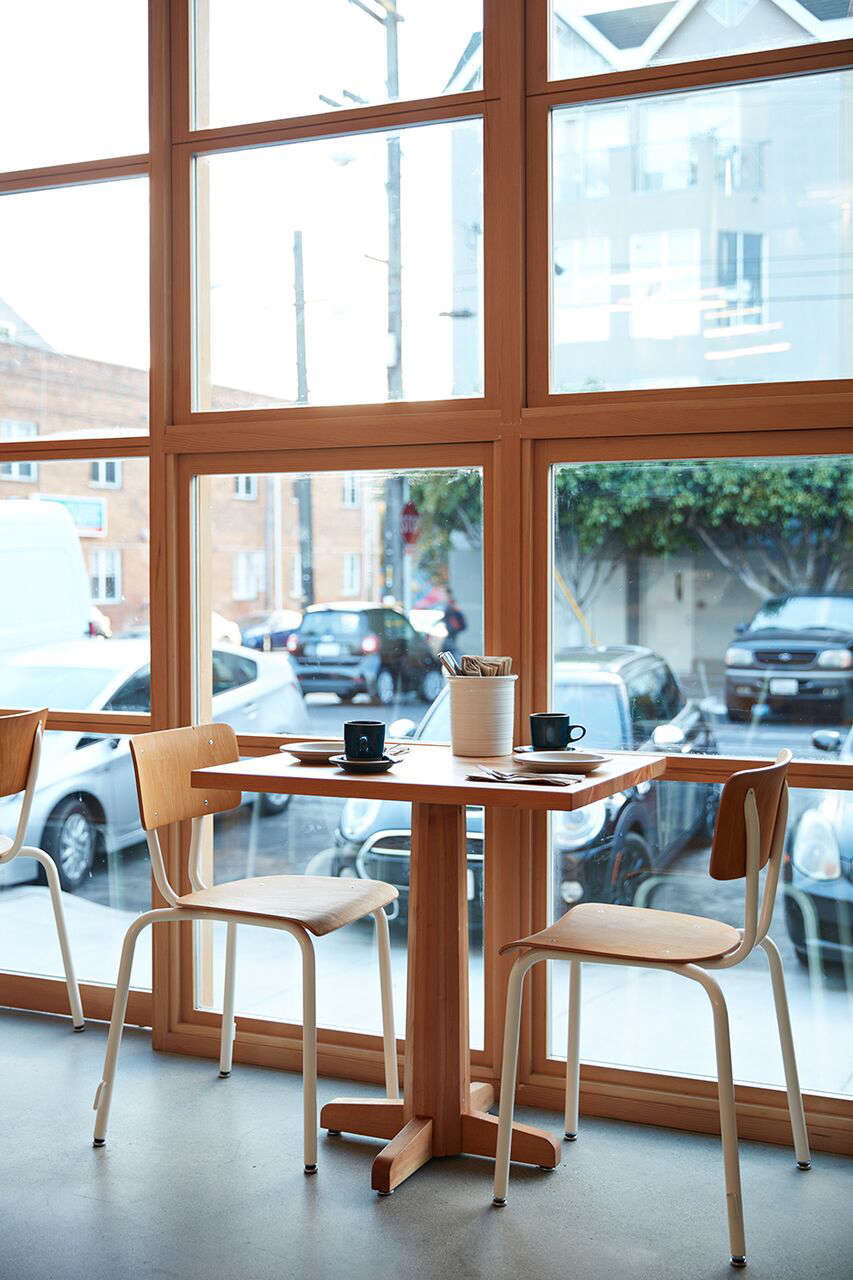
Plywood seats and backs can give a canteen chair a classic, warm, mid-century-inspired look. When sealed properly, plywood can be durable and attractive. Many modern utility chairs use bent plywood because it offers a light visual profile with practical strength.
Vinyl or Faux Leather
Vinyl seating adds padding and comfort while remaining easier to clean than many fabrics. It is useful in staff lounges, waiting areas, and dining rooms where comfort matters but spills still happen. Buyers should look for commercial-grade vinyl with strong seams and stain-resistant properties.
Canteen Utility Chair vs. Regular Dining Chair
A regular dining chair is built for the home. A canteen utility chair is built for the public. That difference matters. Home chairs usually experience lighter use, fewer spills, and less movement. Commercial canteen chairs are expected to handle constant traffic, frequent cleaning, and users of different sizes and habits.
A residential chair might look stylish in a catalog, but in a cafeteria it may become loose, stained, scratched, or unstable. A commercial utility chair is typically designed with stronger joints, more durable finishes, and a shape that supports efficient layouts. It may not be the fanciest chair in the room, but it is often the one still standing after years of daily service.
Best Places to Use a Canteen Utility Chair
School Cafeterias
Schools need seating that is tough, lightweight, easy to clean, and safe. Stackable plastic or metal-frame chairs are common because they help staff reset rooms quickly. Rounded edges, stable legs, and easy-clean surfaces are especially useful in student dining areas.
Office Breakrooms
In offices, the canteen utility chair supports lunch breaks, casual meetings, birthdays, quick laptop sessions, and the occasional dramatic conversation about who finished the almond milk. Comfort and appearance matter here, but durability still comes first.
Hospitals and Healthcare Facilities
Healthcare dining spaces need furniture that can be cleaned frequently and arranged efficiently. Nonporous surfaces, simple frames, and sturdy construction are valuable. Chairs should be easy for staff to move but stable enough for a broad range of users.
Factories and Industrial Staff Rooms
Industrial canteens require serious toughness. Chairs may be used by workers wearing uniforms, boots, tool belts, or protective gear. Metal frames, reinforced plastic, and simple wipeable surfaces often make sense in these settings.
Churches, Community Centers, and Event Halls
Multipurpose venues benefit from stackable utility chairs because rooms often change function. One hour the space is a lunchroom; the next it is a meeting hall, class space, or fundraiser venue. Flexible seating keeps the room useful without needing multiple furniture sets.
How to Choose the Best Canteen Utility Chair
Start With the Daily Use Case
Before buying, ask how the chair will be used. Is it for a school lunchroom with hundreds of students? A stylish office café? A hospital staff lounge? A warehouse breakroom? The answer affects material, weight, design, and budget.
For heavy-use cafeterias, choose commercial-grade chairs with reinforced frames and easy-clean seats. For office canteens, consider a more polished design with ergonomic shaping. For multipurpose halls, stackability may be the top priority.
Check the Chair’s Weight Capacity
Commercial chairs should clearly list weight capacity or performance testing information. A strong chair is not only about comfort; it is about safety and liability. Look for chairs that are designed for institutional or commercial use rather than light residential use.
Match Chair Height to Table Height
Most dining tables are about 28 to 30 inches high, and many dining chairs have seat heights around 17 to 19 inches. The goal is enough legroom for users to sit naturally without feeling squeezed or too low. In public spaces, accessible dining surfaces should also be considered so that seating layouts work for as many people as possible.
Think About Cleaning Time
Every seam, groove, and textured surface can collect crumbs. In a quiet showroom, that may not seem like a big deal. In a real cafeteria after taco day, it becomes very real. Chairs with smooth surfaces, minimal crevices, and durable finishes are easier to maintain.
Consider Noise
Cafeterias are already noisy. Chairs can make them worse. Floor glides, rubber feet, and lighter chair designs can reduce scraping and banging. If the space has hard floors, noise control should be part of the buying decision.
Design Styles: Practical Does Not Have to Mean Boring
The modern canteen utility chair has come a long way from the old “sit here and be grateful” school chair. Today’s options include minimalist metal frames, molded shell chairs, wood-and-steel combinations, colorful plastic seats, industrial designs, and warm café-style silhouettes.
For a contemporary office canteen, black metal frames with plywood seats can look clean and professional. For schools, bright molded plastic can create a cheerful, energetic space. For healthcare facilities, soft neutral colors may feel calmer. For industrial breakrooms, darker finishes can hide wear while maintaining a rugged look.
The trick is to balance looks with reality. A white upholstered chair may look stunning online, but if it is going into a busy lunchroom where chili exists, choose wisely. Beauty is wonderful. Cleanability is survival.
Maintenance Tips for Longer Chair Life
Clean Regularly, Not Dramatically
Routine cleaning is better than emergency cleaning. Wipe chairs with appropriate cleaners for the material, and always follow the manufacturer’s care instructions. For many hard surfaces, soap and water are enough for regular cleaning, while sanitizing or disinfecting may be used when needed.
Inspect Frames and Fasteners
Loose screws, cracked seats, missing glides, and bent frames should be addressed quickly. A five-minute inspection can prevent bigger problems later. In commercial spaces, a chair maintenance checklist is a smart idea.
Replace Floor Glides
Worn glides can damage floors and make chairs noisy. Keep spare glides on hand if the chair model allows replacement. This small habit can extend the life of both the chair and the flooring.
Store Stackable Chairs Correctly
Do not stack chairs higher than recommended. Overstacking may damage frames, create safety risks, or make the stack unstable. If chairs are moved often, a chair dolly can make transport easier and reduce strain on staff.
Common Mistakes to Avoid When Buying Canteen Utility Chairs
Buying Only by Price
The cheapest chair may become the most expensive chair if it breaks early, stains easily, or needs constant replacement. Value is not the same as low price. A slightly higher upfront cost can pay off through longer service life and lower maintenance.
Ignoring Space Planning
A chair that looks compact online may feel bulky when placed around dozens of tables. Measure the space carefully. Leave room for walking paths, cleaning equipment, wheelchair access, and comfortable movement between tables.
Choosing the Wrong Material
Fabric may be cozy, but it is not always ideal for messy environments. Wood may be beautiful, but it needs proper finishing and care. Metal may be strong, but it should have protective coating. Choose materials based on the room’s actual daily life, not just the prettiest product photo.
Forgetting About Replacement Parts
Commercial buyers should ask whether replacement glides, seats, backs, or hardware are available. A chair with replaceable parts can be more sustainable and economical than a chair that must be discarded after one component fails.
Experience-Based Insights: Living With a Canteen Utility Chair Every Day
The real test of a canteen utility chair does not happen in a showroom. It happens on a Monday at 12:15 p.m., when the room is full, trays are clattering, someone has spilled orange juice, and three people are trying to squeeze between tables while carrying soup. In that moment, the chair either helps the space work or quietly becomes part of the problem.
In everyday use, the best canteen utility chairs are the ones nobody complains about. That may sound like faint praise, but in commercial furniture, silence is applause. A good chair does not wobble when someone sits down. It does not snag clothing. It does not trap crumbs in mysterious little caves. It does not require two people and a motivational speech to move across the room. It simply does its job, again and again.
One practical experience that stands out is how much chair weight affects staff routines. A chair that feels “solid” in a catalog can become exhausting when employees have to lift and stack fifty of them after lunch. On the other hand, a chair that is too light may slide around too easily or feel unstable. The sweet spot is a chair that feels sturdy when seated but manageable when moved. Facility teams notice that difference immediately.
Cleaning is another area where reality teaches fast lessons. Chairs with open backs, smooth seats, and simple frames are much easier to wipe down than chairs with deep seams or decorative cutouts. In a canteen, beauty should not require a toothbrush. After a busy meal period, staff need chairs that can be cleaned quickly and returned to service without fuss. That is why wipeable plastic, sealed wood, laminate, and vinyl often outperform delicate fabrics in high-use dining spaces.
Comfort also matters, even when people sit for only twenty minutes. A hard flat chair may be acceptable for a quick snack, but staff rooms and school cafeterias often become places where people rest, talk, study, or decompress. A slightly curved backrest, a waterfall seat edge, or a little flex in the shell can make the chair feel much better without adding bulky padding. The goal is not luxury. The goal is “I can finish my lunch without thinking about my spine.”
Another lesson: chairs influence the mood of a room. A cafeteria filled with mismatched, scratched, squeaky chairs can feel neglected, even if the food is excellent. Coordinated utility chairs in clean colors can make the space feel organized, welcoming, and intentional. For offices, this can support company culture. For schools, it can make lunchrooms feel brighter and more pleasant. For community centers, it can make events feel more professional.
Finally, long-term experience shows that buying a canteen utility chair is not really about buying a chair. It is about buying time, order, safety, and ease. The right chair saves cleaning time. It reduces replacement headaches. It keeps rooms flexible. It supports people without demanding attention. That is the quiet genius of the canteen utility chair: it is humble furniture with a surprisingly big impact.
Conclusion
A canteen utility chair may seem simple, but it plays a major role in how a dining or multipurpose space feels and functions. The best models combine durability, comfort, stackability, easy cleaning, and smart design. Whether used in a school cafeteria, office breakroom, healthcare facility, industrial lunchroom, or community hall, this chair needs to handle real life with grace.
When choosing one, focus on commercial-grade construction, appropriate materials, floor protection, ergonomic basics, and maintenance needs. Avoid buying only by price, and remember that a chair used every day should be selected with more care than a decoration used once a year. A well-chosen canteen utility chair will not demand applause, but it will quietly make the entire room work better. And honestly, for a chair, that is a pretty impressive résumé.