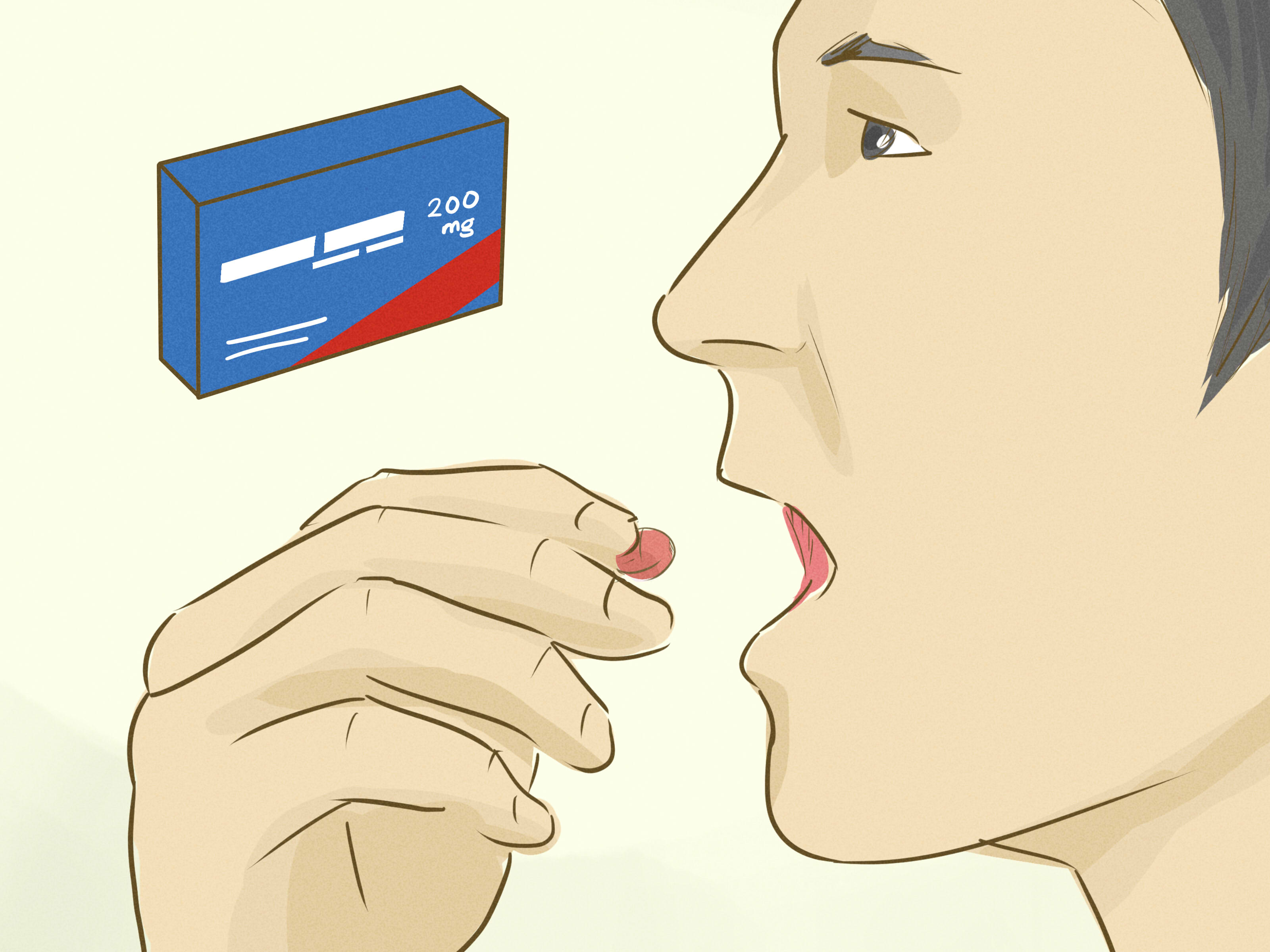
Important note: This article is for general education only. Cialis, the brand name for tadalafil, is a prescription medication for adults and should only be used exactly as directed by a licensed healthcare professional. It is not a “try it and see” pill, not a party trick, and definitely not something to borrow from a friend’s bathroom cabinet like a phone charger.
Cialis is commonly prescribed for erectile dysfunction and, in some cases, symptoms of benign prostatic hyperplasia, also called BPH or enlarged prostate. It belongs to a class of medicines called PDE5 inhibitors, which help improve blood flow in response to sexual stimulation. That last phrase matters: Cialis does not create desire, replace communication, prevent sexually transmitted infections, or magically turn a stressful Tuesday into a romance novel. It works with the body, not instead of it.
If you have been prescribed Cialis, the goal is to use it safely, consistently, and realistically. The following 13 steps explain what adults should know before, during, and after treatmentwithout replacing the personalized directions from a doctor, pharmacist, or other qualified clinician.
Step 1: Confirm That Cialis Was Prescribed for You
The first rule is simple: use Cialis only if it was prescribed specifically for you. Prescription medications are matched to a person’s health history, other medicines, blood pressure, heart health, kidney and liver function, and treatment goals. What works safely for one person can be risky for another.
Never take Cialis from a friend, partner, gym buddy, online stranger, or “supplement” bottle that promises suspiciously heroic results. A legitimate prescription protects you from dangerous interactions and helps your clinician choose the safest plan.
Step 2: Understand What Cialis Doesand What It Does Not Do
Cialis helps improve blood flow when sexual stimulation is present. It does not automatically cause arousal, increase libido, treat relationship conflict, or cure erectile dysfunction permanently. Think of it like improving the plumbing pressure; someone still has to turn on the faucet.
It also does not protect against pregnancy or sexually transmitted infections. If sexual activity is part of your life, safer-sex planning still matters. Condoms, testing, communication, and mutual consent remain part of the grown-up toolbox.
Step 3: Tell Your Doctor About Your Full Health History
Before using Cialis, your healthcare provider should know about any history of heart disease, chest pain, stroke, blood pressure problems, fainting, kidney disease, liver disease, eye conditions, bleeding disorders, stomach ulcers, penile curvature, or previous prolonged erections. Yes, the list is long. Medicine loves paperwork almost as much as coffee.
This step matters because sexual activity can put extra strain on the heart. If a clinician thinks your heart may not be ready for sexual activity, Cialis may not be appropriate until the underlying issue is evaluated.
Step 4: Review Every Medication and Supplement You Take
Drug interactions are one of the biggest safety concerns with Cialis. Tell your clinician about prescription drugs, over-the-counter medicines, vitamins, herbal products, recreational substances, and “natural male enhancement” products. Natural does not always mean safe; poison ivy is natural and nobody invites it to dinner.
The most serious warning involves nitrates, which are often used for chest pain. Cialis and nitrates can combine to cause a dangerous drop in blood pressure. Certain alpha blockers, blood pressure medications, antifungal medicines, HIV medicines, antibiotics, seizure medications, and other ED drugs may also require caution or avoidance.
Step 5: Follow the Prescription Label Exactly
Your prescription label and clinician’s instructions are the final authority. Do not change how you take Cialis because of a forum post, an influencer, or a friend who speaks with great confidence and zero medical license.
Cialis may be prescribed in different ways depending on the condition being treated and the person’s health profile. Some people are instructed to take it on a regular schedule, while others are told to use it only when needed. The right plan is the one your clinician selected for you.
Step 6: Do Not Double Up
Taking more Cialis than prescribed does not guarantee better results. It can increase the chance of side effects such as headache, flushing, dizziness, indigestion, muscle aches, back pain, nasal congestion, and low blood pressure.
If Cialis does not work as expected, do not increase the amount on your own. Instead, talk to your prescriber. Erectile dysfunction can be affected by stress, sleep, alcohol, diabetes, cardiovascular health, medications, hormones, anxiety, and relationship factors. Sometimes the solution is not “more pill.” Sometimes the solution is better evaluation.
Step 7: Know the Food and Alcohol Basics
Cialis can usually be taken with or without food, but alcohol deserves extra caution. Drinking heavily while using Cialis can increase the risk of dizziness, headache, low blood pressure, rapid heartbeat, and fainting. In plain English: mixing medication with “I am totally fine” levels of alcohol is how people meet the floor unexpectedly.
Grapefruit and grapefruit juice may affect how some medicines are processed in the body. Ask your pharmacist whether grapefruit is safe for your specific prescription and medication list.
Step 8: Give the Medication Realistic Expectations
Cialis is not a remote-control button for the body. Results can vary based on physical health, emotional state, timing, stimulation, and the cause of erectile difficulties. People with diabetes, nerve damage, cardiovascular disease, or prostate surgery history may respond differently than people whose ED is mostly stress-related.
If the first experience is not perfect, that does not automatically mean the medication failed. It may mean your treatment plan needs adjustment, or that other health factors need attention.
Step 9: Watch for Common Side Effects
Common side effects may include headache, indigestion, heartburn, flushing, stuffy nose, back pain, muscle aches, or limb pain. These are not pleasant, but they are often manageable. Still, if side effects are severe, persistent, or annoying enough that you start naming them like houseplants, contact your healthcare provider.
Your clinician may adjust the treatment plan, review interactions, or consider a different option. Do not silently suffer through side effects just because the medication is “supposed to help.” Treatment should improve quality of life, not create a new hobby called “complaining about my lower back.”
Step 10: Recognize Emergency Warning Signs
Get urgent medical help if you experience chest pain, severe dizziness, fainting, sudden vision loss, sudden hearing loss, allergic symptoms such as swelling or trouble breathing, or an erection that lasts longer than four hours. These symptoms are not “wait and see” moments.
If you need emergency care for chest pain or a heart problem, tell medical staff that you have taken Cialis. This is extremely important because emergency heart medicines may interact dangerously with tadalafil.
Step 11: Avoid Combining Cialis With Other ED Treatments Unless Directed
Do not combine Cialis with sildenafil, vardenafil, avanafil, or other erectile dysfunction treatments unless your clinician specifically tells you to. Combining these medicines can increase the risk of unsafe blood pressure drops and other side effects.
Also be careful with “male enhancement” supplements. Some have been found to contain hidden prescription drug ingredients. That means a product marketed as “herbal” may secretly act like a medication, only without the safety checks. Not exactly the wholesome forest magic promised on the label.
Step 12: Track Results and Side Effects
Keep a simple record of how well Cialis works, any side effects, alcohol use, meals, stress levels, and other medications taken around the same time. You do not need a color-coded spreadsheet unless that brings you joy, but a few notes can help your clinician make better decisions.
Useful observations include whether erections are firm enough, whether the effect is reliable, whether side effects appear at certain times, and whether anxiety or fatigue seems to interfere. Honest tracking is more helpful than guessing.
Step 13: Schedule Follow-Up Care
Cialis is not just about sexual performance; erectile dysfunction can sometimes be an early clue about heart disease, diabetes, high blood pressure, low testosterone, medication side effects, stress, depression, or sleep problems. Follow-up care helps identify the “why,” not just treat the “what.”
If Cialis works well, your clinician may continue monitoring safety. If it does not work, there are other options, including lifestyle changes, counseling, medication adjustments, vacuum devices, hormone evaluation, or referral to a urologist.
Practical Safety Tips for Adults Using Cialis
Keep Communication Clear
If Cialis is part of your sexual health plan, communication with your partner matters. Medication may help with blood flow, but it does not replace trust, consent, comfort, or emotional connection. A calm conversation often does more good than pretending everything is “totally normal” while acting like a nervous raccoon.
Store It Properly
Keep Cialis in its original container, away from heat, moisture, and children. Do not store it in a steamy bathroom if the label recommends a dry place. Bathrooms are excellent for showers and dramatic mirror speeches, but not always ideal for medication storage.
Be Careful With Online Purchases
Only use licensed pharmacies. Avoid websites that sell Cialis without a prescription, offer suspiciously cheap “miracle” pills, or use language that sounds like a superhero movie trailer. Counterfeit medications may contain the wrong ingredient, too much ingredient, no active ingredient, or unsafe contaminants.
Common Mistakes to Avoid
Mistake 1: Thinking More Means Better
More medication can mean more risk, not better results. If the prescribed plan is not working, the answer is a medical conversationnot creative self-experimentation.
Mistake 2: Ignoring Heart Symptoms
Chest pain, fainting, or severe shortness of breath should never be brushed off. Cialis affects blood vessels, and sexual activity itself can increase physical demand. When in doubt, seek medical help.
Mistake 3: Forgetting Mental Health
Stress, anxiety, depression, relationship strain, and performance pressure can all affect erections. Cialis may help with the physical side, but it cannot silence every anxious thought. Sometimes therapy, better sleep, exercise, or relationship support is part of the real treatment plan.
Experience-Based Insights: What People Often Learn When Using Cialis
Many adults who use Cialis with a prescription discover that the biggest improvement is not only physicalit is confidence. When erectile dysfunction appears, people often panic. They may wonder if something is “wrong” with them, whether their partner will judge them, or whether one awkward night has suddenly become a permanent personality trait. Spoiler: bodies are complicated, and one difficult moment does not define anyone.
A common experience is that Cialis works best when expectations are calm and realistic. People who treat it like a supportive tool often do better emotionally than those who expect it to perform like a magic wand. Pressure can sabotage the moment. If someone takes the medication and then spends the evening mentally checking for results every 15 seconds, anxiety can become the loudest guest in the room.
Another lesson is that lifestyle habits matter. Sleep, alcohol, smoking, exercise, stress, and diet can all influence erectile function. A prescription may help, but it works inside the same body that stayed up until 2 a.m., skipped meals, drank too much, and tried to survive on caffeine and stubbornness. Improving general health often improves results, and it may also reduce the need for medication over time.
Some people also learn that side effects vary. One person may have a mild headache; another may notice flushing or back discomfort; someone else may have no major issues at all. This is why follow-up matters. A prescriber can help determine whether side effects are expected, whether another treatment may fit better, or whether a different health issue needs attention.
Partners often play a bigger role than expected. Supportive communication can reduce pressure and make the experience feel less clinical. A simple conversation like, “I’m working with my doctor on this, and I may need patience,” can remove a surprising amount of tension. Silence, on the other hand, tends to let imagination write horror scripts.
People also discover that erectile dysfunction can be a health signal. It may point toward circulation problems, diabetes, medication side effects, hormone changes, stress, or other conditions. In that sense, talking to a doctor about ED can be a smart health move, not an embarrassing confession. Doctors have heard it all. Truly. Your question is not going to make them fall out of their chair.
The most useful mindset is this: Cialis is not about proving masculinity, saving a relationship single-handedly, or chasing perfection. It is a medical tool that may help when used responsibly. The safest and most successful experiences usually involve a real prescription, honest health information, patience, realistic expectations, and quick action if warning symptoms appear.
Conclusion
Cialis can be helpful for adults with erectile dysfunction or certain prostate-related symptoms, but safe use starts with medical guidance. The most important steps are simple: use it only if prescribed, follow the label, disclose all medications, avoid dangerous combinations such as nitrates, limit alcohol, watch for side effects, and seek urgent care for serious symptoms.
Used responsibly, Cialis may support confidence and sexual health. Used casually or without medical supervision, it can create serious risks. In other words: let the medication do its job, let your clinician do theirs, and do not let internet bravado write your healthcare plan.