Note: This article is based on real public reporting and reputable disability-rights resources, including coverage of Annie Segarra’s #HotPersonInAWheelchair response, U.S. disability data, ADA guidance, online harassment research, and disability etiquette recommendations.
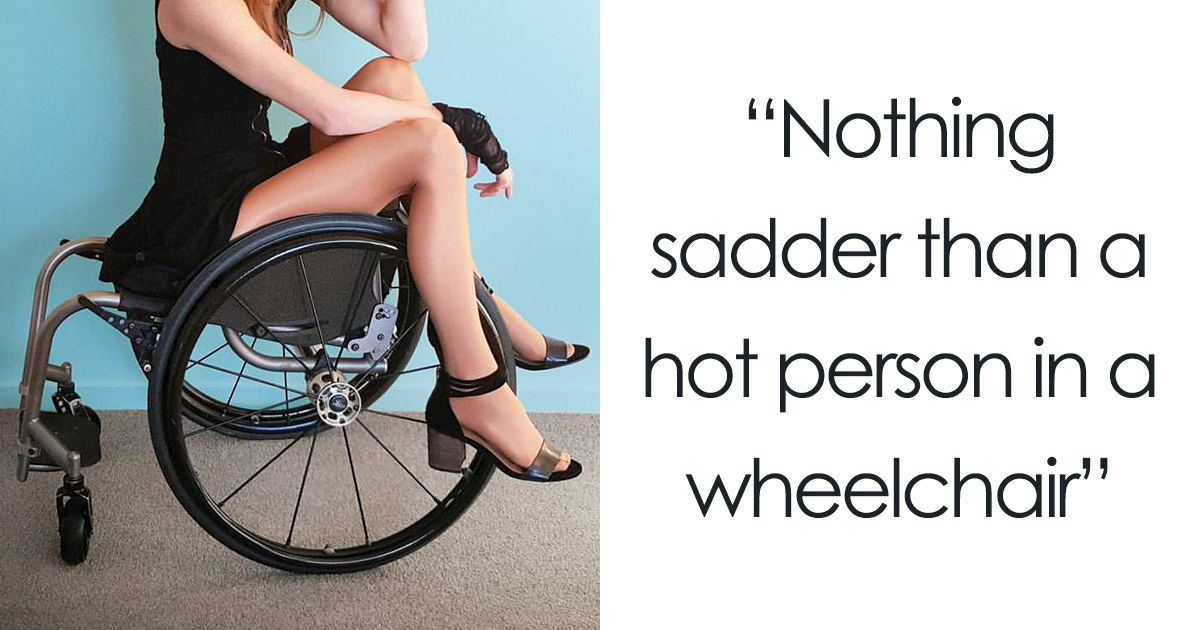
Every so often, the internet does something useful between arguing about pineapple pizza and misusing the word “literally.” One of those moments happened when an old, ableist tweet suggested there was “nothing sadder than a hot person in a wheelchair.” The comment, aimed at reducing a person’s attractiveness to a mobility device, could have sunk into the swamp of bad takes. Instead, disability activist and content creator Annie Segarra gave it the kind of reply that deserves its own tiny parade: confident, stylish, funny, and absolutely not interested in pity.
Her response helped spark the hashtag #HotPersonInAWheelchair, where wheelchair users and disabled people shared photos, jokes, style, pride, and a very clear message: the problem was never the wheelchair. The problem was the assumption that disability cancels beauty, romance, personality, joy, ambition, or desirability. Spoiler alert: it does not.
The story spread because it was more than a clever clapback. It became a quick, visual lesson in ableism, online harassment, disability pride, and the power of disabled people speaking for themselves. In a digital culture where one careless post can travel faster than common sense, this viral shutdown showed how a community can turn insult into education without begging for anyone’s approval.
What Happened: A Bad Tweet Meets a Better Hashtag
The controversy began when a years-old tweet from Ken Jennings resurfaced. The tweet described a “hot person in a wheelchair” as sad, a line that many readers immediately recognized as ableist. Annie Segarra, known online as Annie Elainey, responded by posting a photo of herself using her wheelchair and pairing it with the now-famous energy of “Cry about it, babe.” She did not write a 40-page essay. She did not ask for permission to be seen. She simply showed up, looked fantastic, and let the absurdity of the original statement collapse under its own weight.
Other wheelchair users quickly joined in. Some posted glamorous selfies. Others shared everyday photos full of confidence, humor, and personality. The hashtag became a rolling gallery of disabled beauty, disabled wit, and disabled autonomy. If the original tweet tried to frame wheelchair users as tragic, the replies said, in effect, “Interesting theory. Have you considered being wrong?”
That is why the moment mattered. It was not just about one person being offended. It was about disabled people pushing back against a cultural script that too often portrays wheelchairs as symbols of loss instead of tools of freedom. A wheelchair can help someone work, travel, date, study, parent, perform, protest, shop, dance, and live. Calling that “sad” says more about the observer’s limited imagination than about the person using the chair.
Why the Comment Was Ableist, Not Just “A Joke”
Some people respond to backlash by saying, “It was only a joke.” But a joke still carries meaning. If the punchline depends on the idea that disability makes a person less desirable, less complete, or less worthy of admiration, the joke is not harmless. It is a tiny billboard for an old prejudice.
Ableism is discrimination and social prejudice against disabled people. It can be loud and obvious, such as mocking someone’s body, mobility aid, speech, or medical condition. It can also be subtle, wrapped in pity, surprise, or awkward compliments. “You’re too pretty to be in a wheelchair” may sound flattering to the person saying it, but it still implies that beauty and disability are not supposed to share a room. They do. Often. With excellent lighting.
The problem with the “hot person in a wheelchair” remark is that it treats the wheelchair as a downgrade. It imagines attractiveness as something spoiled by disability. That kind of thinking does not appear from nowhere. It grows in a culture that often shows disabled people as inspirational props, medical tragedies, side characters, or symbols of suffering rather than full human beings with style, humor, desire, careers, messy group chats, and opinions about brunch.
Wheelchairs Are Mobility Tools, Not Tragedy Props
One of the strongest lessons from the hashtag is simple: a wheelchair is not a prison. For many people, it is the opposite. It is a tool that makes movement possible, reduces pain, prevents injury, saves energy, and expands access to daily life. Describing wheelchair users as “wheelchair-bound” or “confined to a wheelchair” is outdated because it frames the chair as the problem. In reality, inaccessible buildings, rude assumptions, broken elevators, narrow aisles, and social stigma are often the real barriers.
This is where the social model of disability becomes useful. Instead of seeing disability only as something inside a person’s body, the social model asks how society creates barriers. A person who uses a wheelchair is not “sad” because they use a wheelchair. They may be frustrated because a restaurant has steps and no ramp, a workplace forgets accessible seating, a stranger touches their chair without consent, or an online troll mistakes cruelty for comedy.
When other wheelchair users joined Annie Segarra’s response, they did more than post attractive photos. They reframed the story. The chair was not the punchline. The ableist assumption was.
The Brilliant Shutdown: Confidence, Community, and Humor
The best clapbacks do not always shout. Sometimes they smile directly into the camera and let everyone else do the math. The #HotPersonInAWheelchair response worked because it combined humor with visibility. It did not reduce disabled people to anger, even though anger would have been valid. It gave people room to be glamorous, sarcastic, playful, proud, flirtatious, elegant, silly, and completely uninterested in being pitied.
That variety was the point. Disabled people are not one mood. Wheelchair users are not one story. Some people in the hashtag looked red-carpet ready. Some looked casual. Some were athletes. Some were creators. Some were activists. Some were just living their lives and looking good doing it. Together, they made the original insult look smaller and smaller.
Humor also helped the response travel. A sharp joke can puncture prejudice before a long lecture has time to put on its shoes. But the humor worked because it came from the people being targeted. There is a difference between laughing with a community and laughing at one. In this case, wheelchair users took control of the joke and redirected it toward the bad assumption.
Online Harassment and the Cost of “Casual” Cruelty
The internet often rewards speed over thought. Someone posts a lazy opinion, strangers amplify it, and the target is expected to absorb the emotional mess like a human sponge. For disabled people, women, LGBTQ+ people, people of color, and others with intersecting identities, online harassment can become especially exhausting. A single comment might look small to outsiders, but repeated mockery, pity, invasive questions, and demeaning jokes add up.
Research on online harassment shows that a significant share of Americans have experienced abuse online, and severe harassment has become a growing concern. Disability can also make people more likely to be targeted. That context matters because the “hot person in a wheelchair” comment was not floating in a vacuum. It landed in a world where disabled people already have to correct strangers, challenge stereotypes, fight for access, and explain basic respect far too often.
Still, the response showed something important: targeted communities are not powerless. They can document harm, create counter-narratives, support one another, and turn a single insult into a broader cultural conversation. That does not mean every disabled person owes the public a teachable moment. Nobody should have to become a professor of basic decency just because someone else skipped class. But when disabled people choose to respond, their voices deserve attention.
Disability Representation Is Not Optional
Part of why the hashtag felt so refreshing is that mainstream media has often done a poor job representing disabled people as desirable, stylish, funny, romantic, or ordinary. Too many stories swing between two extremes: the tragic disabled person who exists to make others cry, or the “inspirational” disabled person whose normal activities are treated like miracles. Both versions flatten real life.
Authentic disability representation means showing disabled people as complete people. That includes beauty, ambition, sexuality, friendships, dating, frustration, bad hair days, excellent outfits, boring errands, and everything in between. A wheelchair user can be attractive without being “brave” for leaving the house. A disabled woman can be fashionable without needing a headline that gasps, “Despite everything!” A disabled person can simply exist in public without being turned into a lesson plan.
The #HotPersonInAWheelchair moment worked because it was self-representation. Disabled people were not waiting for a brand campaign or a movie studio to discover them. They used social media to say, “We are already here.” That is powerful SEO for humanity, if you will: clear message, strong visuals, excellent engagement, and no keyword stuffing required.
What Non-Disabled People Can Learn From This Moment
Stop Treating Disability as a Compliment Problem
Many awkward comments come disguised as compliments. “You’re so pretty for someone in a wheelchair” is not the compliment people think it is. Remove the disability qualifier and the problem becomes obvious. If you would not say, “You’re smart for a person with brown hair,” do not say beauty is surprising because someone uses a mobility aid.
Use Respectful Language
Language changes, and people have different preferences. Some prefer person-first language, such as “person with a disability.” Others prefer identity-first language, such as “disabled person.” When possible, follow the person’s own preference. In general, avoid phrases like “wheelchair-bound,” “confined to a wheelchair,” “suffers from,” or “victim of.” A better phrase is “uses a wheelchair.” It is accurate, neutral, and does not turn a mobility aid into a melodrama.
Do Not Touch Someone’s Wheelchair
A wheelchair is part of a person’s personal space. Do not lean on it, grab it, move it, hang your bag on it, or push someone without consent. Even if you mean well, touching a person’s chair without permission can be intrusive, unsafe, and deeply disrespectful. Ask before offering help, and if the answer is no, congratulations: you have just successfully respected a boundary.
Speak Directly to the Person
If someone uses a wheelchair, talk to themnot over them, around them, or through the person standing nearby. Disability does not erase adulthood, intelligence, personality, or agency. If a conversation lasts more than a few minutes, sitting down to speak at eye level can be considerate, but do not make a theatrical production of it. This is a conversation, not a Broadway revival of “Basic Manners.”
Why the Hashtag Still Matters Today
Even though the viral moment began years ago, the lesson remains current. Social media platforms have changed names, algorithms, rules, and vibes, but ableism still shows up in comment sections, dating apps, workplaces, schools, airports, restaurants, and entertainment. The internet can magnify cruelty, but it can also magnify correction. When a harmful idea goes public, a public response can challenge it in front of everyone.
The lasting value of #HotPersonInAWheelchair is that it did not merely say, “That tweet was wrong.” It showed why it was wrong. It replaced pity with pride. It replaced stereotype with real faces. It replaced the idea of disability as tragedy with the reality of disabled people as stylish, funny, attractive, complex, and fully alive.
That is why the shutdown was brilliant. It did not beg the troll to understand. It made the audience understand.
Experiences Related to This Topic: What Everyday Ableism Feels Like
To understand why this story resonated so widely, imagine the everyday experiences behind it. A wheelchair user gets dressed for a night out. They choose the outfit, check the mirror, maybe adjust lipstick or a jacket, and feel good. Then a stranger ruins the moment with a look of pity or a comment like, “You’re so inspiring.” The person was not trying to inspire anyone. They were trying to get tacos.
Another wheelchair user joins a dating app. Instead of normal openers, they receive questions about their diagnosis, whether they can have sex, or whether dating them would be “hard.” These questions are not romantic curiosity; they are invasive interviews. Nobody opens a conversation with a non-disabled person by asking for a medical history and a logistics report. Disabled people deserve flirtation, respect, privacy, and the option to say, “Try again, Romeo.”
In public spaces, the experiences can be even more physical. Someone may push a wheelchair without asking, assuming they are helping. But for the person in the chair, that can feel like being grabbed. It can also be dangerous. The wheelchair user knows their chair, their balance, their pain levels, and their route. Unwanted help can turn a normal day into a stressful one. A better approach is simple: ask, listen, and accept the answer.
There is also the problem of being underestimated. A wheelchair user enters a store, and the employee talks to their friend instead of them. A student using a mobility aid joins a class, and people assume they cannot participate. A professional attends a meeting, and someone praises them for “overcoming” before they have even opened their laptop. These moments may look small, but they send the same message: “I noticed your disability before I noticed you.”
The #HotPersonInAWheelchair response pushed back against exactly that. It said disabled people are not waiting to be granted confidence by strangers. They already have it. The issue is not whether wheelchair users can be attractive, funny, successful, romantic, fashionable, or bold. The issue is why anyone thought those things were incompatible with disability in the first place.
For non-disabled readers, the experience section offers a practical challenge: notice your first assumptions. If you see a wheelchair user at a concert, do you think “How great that they came out,” or do you think “They’re enjoying the show”? If you see a disabled woman dressed beautifully, do you feel surprised? If a disabled person is angry about inaccessibility, do you call them negative or recognize that they are responding to a real barrier? These tiny mental habits shape behavior.
For disabled readers, the viral shutdown may feel familiar in a different way. It reflects the fatigue of constantly correcting bad assumptions, but also the joy of community. There is relief in seeing other people say what you have thought a thousand times. There is power in a hashtag that turns isolation into recognition. There is humor in watching a lazy insult get buried under a mountain of confidence, selfies, and better jokes.
The best experience connected to this topic is not the troll’s comment. It is the collective response. It is the reminder that disabled people do not need to shrink themselves to fit someone else’s comfort level. They can be visible. They can be stylish. They can be annoyed. They can be hilarious. They can be hot. And yes, they can absolutely shut down a bad take before lunch.
Conclusion: The Internet Got This One Right
The story of a troll offending a woman in a wheelchair on Twitter and getting brilliantly shut down by other wheelchair users is more than a viral internet episode. It is a cultural correction. A careless comment tried to make disability look tragic. Disabled people answered by making ableism look ridiculous.
Annie Segarra’s response and the wave of #HotPersonInAWheelchair posts reminded the internet that wheelchair users are not symbols. They are people with agency, beauty, humor, sexuality, creativity, frustration, and pride. A wheelchair does not erase attractiveness. It does not cancel joy. It does not make a life smaller. Often, it makes life more accessible.
The broader lesson is simple: do not confuse your assumptions with someone else’s reality. Respect disabled people’s language preferences, boundaries, mobility devices, privacy, and right to be seen as complete human beings. And if you are tempted to post a lazy joke about disabled people, maybe close the app, drink some water, and let the wheelchair users keep winning the internet.