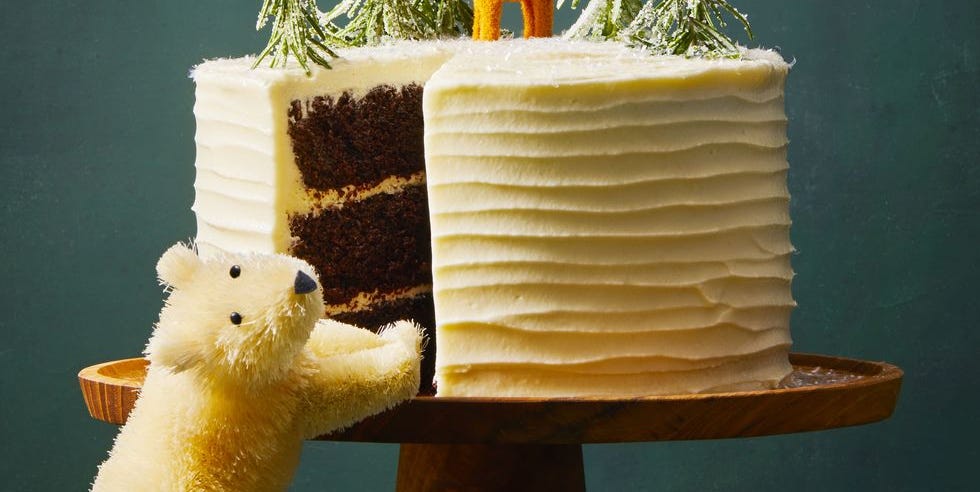
Some cakes politely enter the room. This chocolate gingerbread cake kicks open the holiday door, wearing a powdered-sugar scarf, smelling like warm spices, and carrying enough white chocolate buttercream to make everyone suddenly “just stop by.” It is rich, deeply spiced, dark with cocoa, softly sweet from molasses, and finished with a creamy white chocolate frosting that tastes like winter decided to become dessert.
This recipe is designed for home bakers who want a festive layer cake that looks impressive without requiring a pastry-school diploma or a panic text to your most reliable baking friend. The cake layers are tender and moist, the flavor lands somewhere between classic gingerbread and chocolate cake, and the buttercream adds a mellow vanilla-white-chocolate finish that balances the bold spices beautifully.
Whether you are baking for Christmas dinner, a winter birthday, a cozy weekend gathering, or a “because cake exists” situation, this chocolate gingerbread cake with white chocolate buttercream delivers drama, comfort, and a very real chance that someone will ask for the recipe before finishing the first slice.
Why This Chocolate Gingerbread Cake Works
The secret to a great chocolate gingerbread cake is balance. Gingerbread can be warm, bold, and almost smoky from molasses. Chocolate can be deep, bittersweet, and slightly sharp. Put them together correctly, and they become best friends. Put them together carelessly, and one flavor bullies the other like a gingerbread man who has had too much espresso.
This recipe uses unsweetened cocoa powder for chocolate flavor, molasses for that signature gingerbread depth, brown sugar for moisture, and a classic mix of ginger, cinnamon, allspice, cloves, and nutmeg. A little hot water or hot coffee loosens the batter, helps the cocoa bloom, and gives the finished cake a softer crumb. The result is a cake that tastes rich but not heavy, spicy but not harsh, and sweet without becoming a frosting-covered sugar parade.
The white chocolate buttercream matters just as much as the cake. White chocolate brings creamy sweetness and a gentle cocoa-butter flavor that works beautifully with ginger and molasses. A pinch of salt keeps the frosting from tasting flat, while softened butter gives it a smooth texture that spreads easily between layers.
Ingredients for Chocolate Gingerbread Cake
For the Cake Layers
- 2 1/2 cups all-purpose flour
- 3/4 cup unsweetened cocoa powder
- 1 1/2 cups granulated sugar
- 1/2 cup packed dark brown sugar
- 2 teaspoons baking soda
- 1 teaspoon baking powder
- 1 teaspoon kosher salt
- 1 tablespoon ground ginger
- 2 teaspoons ground cinnamon
- 1/2 teaspoon ground cloves
- 1/2 teaspoon ground allspice
- 1/4 teaspoon freshly grated nutmeg
- 3 large eggs, room temperature
- 1 cup whole milk or buttermilk, room temperature
- 3/4 cup neutral oil, such as canola or vegetable oil
- 1/3 cup unsulphured molasses, not blackstrap
- 2 teaspoons pure vanilla extract
- 1 cup hot water or hot brewed coffee
For the White Chocolate Buttercream
- 8 ounces white baking chocolate, finely chopped
- 1 1/2 cups unsalted butter, softened
- 4 cups confectioners’ sugar, sifted
- 2 teaspoons pure vanilla extract
- 1/4 teaspoon fine salt
- 2 to 4 tablespoons heavy cream or milk, as needed
Optional Decorations
- White chocolate curls
- Candied ginger
- Sugared cranberries
- Fresh rosemary sprigs
- A light dusting of cocoa powder or powdered sugar
- Mini gingerbread cookies
How to Make Chocolate Gingerbread Cake With White Chocolate Buttercream
Step 1: Prepare the Cake Pans
Preheat the oven to 350°F. Grease three 8-inch round cake pans, line the bottoms with parchment paper, then grease the parchment lightly. Dust the pans with a little flour or cocoa powder. Cocoa powder is especially useful if you want to avoid pale flour marks on the outside of the dark cake layers.
Step 2: Mix the Dry Ingredients
In a large mixing bowl, whisk together the flour, cocoa powder, granulated sugar, brown sugar, baking soda, baking powder, salt, ginger, cinnamon, cloves, allspice, and nutmeg. Take an extra few seconds here. Spices like to clump together like they are planning a tiny cinnamon rebellion, and whisking keeps the flavor evenly distributed.
Step 3: Combine the Wet Ingredients
In another bowl, whisk the eggs, milk or buttermilk, oil, molasses, and vanilla until smooth. Molasses is thick and sticky, so scrape the measuring cup well. A light coating of nonstick spray in the cup before measuring makes the molasses slide out more easily, which feels like a small but meaningful kitchen victory.
Step 4: Make the Batter
Pour the wet mixture into the dry ingredients and whisk until mostly combined. Slowly add the hot water or hot coffee and mix until smooth. The batter will be thin. Do not panic. Thin batter is normal for a moist chocolate cake and helps create a tender crumb.
Step 5: Bake the Cake Layers
Divide the batter evenly among the prepared pans. Bake for 28 to 34 minutes, or until a toothpick inserted into the center comes out with a few moist crumbs. Avoid overbaking, because gingerbread-style cakes are at their best when they remain plush and slightly springy.
Let the cakes cool in their pans for 10 to 15 minutes, then turn them onto wire racks. Remove the parchment and cool completely before frosting. Warm cake plus buttercream equals a slippery situation, and nobody wants a layer cake that tries to escape.
Step 6: Melt the White Chocolate
Place the chopped white chocolate in a microwave-safe bowl. Microwave at 50 percent power in 20- to 30-second bursts, stirring after each burst, until melted and smooth. Let it cool until it is no longer warm to the touch. White chocolate can scorch quickly, so gentle heating is the move here. Treat it like a delicate snowflake with a sweet tooth.
Step 7: Make the Buttercream
In a large bowl, beat the softened butter for 2 to 3 minutes until creamy and lighter in color. Add the sifted confectioners’ sugar one cup at a time, beating on low speed first so your kitchen does not become a powdered-sugar snow globe. Mix in the vanilla and salt.
Add the cooled melted white chocolate and beat until fully incorporated. Add heavy cream or milk, one tablespoon at a time, until the buttercream is fluffy, smooth, and spreadable. Beat for another 2 minutes for a lighter texture.
Step 8: Assemble the Cake
Place one cake layer on a serving plate or cake stand. Spread an even layer of white chocolate buttercream over the top. Add the second cake layer and repeat. Place the final cake layer on top, then spread a thin crumb coat over the whole cake. Chill for 20 minutes to set the crumbs, then finish with a thicker layer of buttercream.
Decorate with white chocolate curls, sugared cranberries, candied ginger, rosemary, or mini gingerbread cookies. The goal is festive, not fussy. If it looks like a winter bakery window and tastes like happiness with cinnamon, you are doing it right.
Pro Tips for the Best Texture and Flavor
Use Unsulphured Molasses
Unsulphured molasses gives gingerbread its classic deep sweetness without harsh bitterness. Blackstrap molasses is much stronger and can overpower the chocolate and spices. Unless you want your cake to taste like it has been training for a molasses marathon, stick with regular unsulphured molasses.
Choose the Right Cocoa Powder
Natural cocoa gives a brighter chocolate flavor, while Dutch-process cocoa creates a darker, smoother flavor. Because this recipe includes baking soda plus acidic ingredients such as molasses and buttermilk if you use it, either cocoa can work. For a classic chocolate gingerbread cake, unsweetened natural cocoa is a safe choice. For a deeper, darker cake, Dutch-process cocoa is delicious.
Do Not Overmix
Once the flour meets the wet ingredients, mix only until the batter is smooth. Overmixing can make the cake dense or chewy. This is cake, not bread. We are not trying to build gluten with the confidence of a gym coach.
Cool Completely Before Frosting
Even slightly warm cake can soften buttercream and make the layers slide. If you are short on time, chill the cooled cake layers briefly before assembling. Cold layers are easier to level, stack, and frost.
Balance the Sweetness
White chocolate buttercream is naturally sweet. Salt is not optional here; it is the tiny backstage manager keeping the whole performance under control. A little salt sharpens the flavor and prevents the frosting from tasting one-dimensional.
Serving Ideas
This chocolate gingerbread cake is rich enough to stand alone, but it also plays well with holiday extras. Serve slices with hot coffee, chai, black tea, or a cold glass of milk. For a dinner-party dessert, add a spoonful of cranberry compote on the side. The tart fruit cuts through the richness and makes the plate look fancy with almost no effort.
If you want a more dramatic presentation, dust the top with cocoa powder and powdered sugar just before serving. Add sugared cranberries and rosemary sprigs for a snowy woodland look. People will assume you planned the whole thing carefully. You do not need to tell them you mostly wanted an excuse to eat white chocolate buttercream from the spatula.
Storage and Make-Ahead Tips
The unfrosted cake layers can be baked one day ahead. Let them cool completely, wrap them tightly in plastic wrap, and store them at room temperature. You can also freeze the layers for up to two months. Thaw them overnight in the refrigerator before decorating.
The finished cake can be stored covered at room temperature for a short period if your kitchen is cool and the frosting is stable. For longer storage, refrigerate the cake in a covered container. Before serving, let it sit at room temperature for 30 to 45 minutes so the buttercream softens and the cake flavor opens up again.
If your frosting includes cream cheese or whipped cream, refrigeration is the safer route. For any cake served at a party, avoid leaving it out for too long, especially in a warm room. Dessert should be memorable because it tastes wonderful, not because it launched a food-safety group chat.
Common Mistakes to Avoid
Using Hot White Chocolate in the Buttercream
Melted white chocolate must cool before it goes into the butter. If it is too warm, it can melt the butter and turn the frosting loose or greasy. Let it cool until it is fluid but no longer warm.
Skipping the Parchment Paper
Chocolate cake layers are tender, and parchment paper makes removal much easier. Greasing the pan is helpful, but parchment is your insurance policy. It is the quiet hero of layer cakes.
Overbaking the Cake
Chocolate cakes can look wet even when they are done because cocoa darkens the crumb. Start checking early. A few moist crumbs on the toothpick are better than a completely dry tester and a cake that eats like a sofa cushion.
Frosting Too Soon
If the cake is not completely cool, wait. Use the time to wash bowls, make coffee, or admire the buttercream. Rushing assembly is one of the fastest ways to create leaning layers.
Recipe Variations
Chocolate Orange Gingerbread Cake
Add 1 tablespoon of fresh orange zest to the batter and 1 teaspoon to the buttercream. Orange brightens the spice and makes the chocolate taste more complex.
Extra-Spicy Gingerbread Cake
Add 1 tablespoon of finely grated fresh ginger to the wet ingredients. This gives the cake a warmer, sharper ginger flavor without making it too hot.
White Chocolate Cream Cheese Frosting
Replace 1/2 cup of butter with 8 ounces of softened cream cheese for a tangier frosting. This version is especially good if you prefer a less sweet finish.
Sheet Cake Version
Pour the batter into a greased 9-by-13-inch pan and bake until the center tests done. Spread the white chocolate buttercream over the cooled cake. This version is less dramatic than a layer cake but much easier to transport, slice, and serve at casual gatherings.
My Kitchen Experience With Chocolate Gingerbread Cake
The first time I made a chocolate gingerbread cake, I expected it to behave like ordinary chocolate cake with a little holiday perfume. It did not. Molasses has personality. Ginger has opinions. Cocoa likes to take over the meeting if nobody stops it. The trick is learning how those flavors talk to each other. When the balance is right, the cake tastes warm and deep, not muddy or overly sweet.
One of the biggest lessons is that the batter should look thinner than expected. Many home bakers see a loose chocolate cake batter and immediately think something has gone wrong. In reality, hot liquid helps cocoa dissolve and keeps the crumb soft. The finished cake does not taste watery; it tastes plush. That is the magic. The oven turns what looks like a questionable bowl of chocolate soup into a soft, sliceable holiday cake. Baking is science, yes, but sometimes it feels like science wearing an apron and doing card tricks.
Another experience worth sharing: do not underestimate the frosting. White chocolate buttercream sounds simple, but the temperature of the melted chocolate can make or break the texture. Add it while hot, and the buttercream may slump like it has received bad news. Add it when cooled but still pourable, and it blends into the butter perfectly. The flavor becomes creamy, round, and elegant. It also makes the spices taste smoother, almost like the frosting is wrapping the gingerbread in a soft winter blanket.
For decorating, I prefer simple toppings. Sugared cranberries, rosemary, and a few white chocolate curls are enough. Mini gingerbread cookies are fun too, especially if kids are helping. The cake already has strong flavors and a dramatic dark-and-white contrast, so it does not need a mountain of sprinkles. Of course, if a sprinkle mountain appears, I will not call the dessert police.
This cake also improves after a little rest. Freshly baked chocolate gingerbread cake is wonderful, but after several hours the spices settle in and the molasses becomes more rounded. If you can bake the layers the day before serving, do it. Wrap them well once cool, frost the next day, and enjoy a cake that tastes more developed and is easier to assemble.
The best serving experience comes when the cake is not refrigerator-cold. Cold buttercream can taste firm and muted. Let the cake sit out until the frosting softens slightly and the crumb relaxes. Then cut with a warm knife for clean slices. The first bite should give you cocoa, then ginger, then creamy white chocolate, then that quiet molasses finish that makes gingerbread so comforting.
In short, this is the kind of cake that feels special without being stiff. It can sit proudly on a holiday table, but it still tastes homemade in the best way. It is rich, spiced, cozy, and just a little dramatic. Honestly, cakes deserve a little drama. They wear frosting for a living.
Conclusion
The best chocolate gingerbread cake with white chocolate buttercream is all about contrast: dark cocoa against creamy white chocolate, bold molasses against soft vanilla, and warm spices against a tender cake crumb. It is festive enough for a holiday centerpiece but practical enough for a confident home baker. With the right molasses, careful mixing, cooled cake layers, and smooth buttercream, this recipe becomes a showstopper that tastes as good as it looks.
If you want a dessert that feels cozy, elegant, and slightly mischievous in the best possible way, this chocolate gingerbread cake is ready for the job. Bake it once, and it may become the cake people request every winter. Bake it twice, and congratulations: you now have a tradition.