Hemorrhoids are one of those health topics people whisper about as if saying the word out loud might summon a medical bill. But here is the truth: hemorrhoids are extremely common, very treatable, and often manageable at home with simple, sensible care. They happen when veins in or around the anus and lower rectum become swollen or irritated. The result may be itching, burning, tenderness, swelling, or bright red blood on toilet paper after a bowel movement.
The good news? Most mild hemorrhoid flare-ups calm down with home treatment, better bathroom habits, and a little patience. The even better news? You do not need a mysterious internet potion, a dramatic detox, or anything that sounds like it belongs in a medieval apothecary. Warm water, fiber, fluids, gentle hygiene, and smart over-the-counter options usually do the heavy lifting.
This guide explains practical home remedies for hemorrhoid relief, what actually helps, what to avoid, and when it is time to call a healthcare professional instead of negotiating with your bathroom like it owes you money.
What Are Hemorrhoids?
Hemorrhoids are swollen blood vessels located in the anal canal or around the anus. Everyone has hemorrhoidal tissue, but it becomes a problem when that tissue gets enlarged, inflamed, irritated, or pushed out of place.
Internal hemorrhoids
Internal hemorrhoids develop inside the rectum. They are often painless because there are fewer pain-sensitive nerves in that area. The most common sign is bright red bleeding during or after a bowel movement. Sometimes internal hemorrhoids can prolapse, meaning they bulge outside the anus, which may cause discomfort, mucus, irritation, or a feeling that something is “not quite where it should be.”
External hemorrhoids
External hemorrhoids form under the skin around the anus. These are more likely to cause itching, swelling, soreness, or pain, especially when sitting, wiping, or passing stool. If a blood clot forms inside an external hemorrhoid, it is called a thrombosed hemorrhoid. That can be suddenly painful and may feel like a firm lump near the anus.
Common Causes of Hemorrhoid Flare-Ups
Hemorrhoids usually develop from increased pressure in the rectal area. The usual suspects include constipation, straining, sitting on the toilet too long, pregnancy, low-fiber eating patterns, chronic diarrhea, heavy lifting, and prolonged sitting. Aging can also play a role because the tissues supporting veins in the rectum and anus may weaken over time.
One modern culprit deserves special mention: bathroom scrolling. The toilet is not a home office, library, or social media lounge. Sitting there for long periods increases pressure on the rectal veins, even if you are not actively straining. Your hemorrhoids do not care how interesting the comment section is.
Best Home Treatments for Hemorrhoid Relief
1. Take warm sitz baths
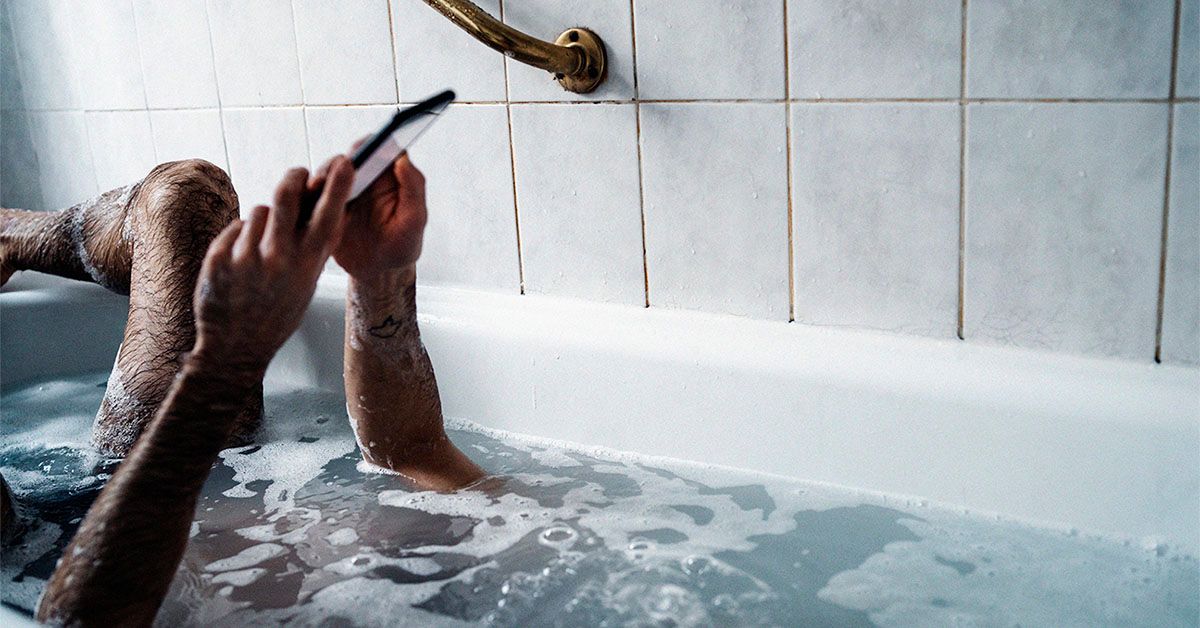
A sitz bath is one of the simplest and most soothing hemorrhoid remedies. Sit in a few inches of warm water for about 10 to 15 minutes, especially after bowel movements or when symptoms flare. The water should be warm, not hot. You are trying to calm irritated tissue, not prepare pasta.
Warm soaking can help relax the anal sphincter, improve local blood flow, reduce irritation, and ease itching or burning. After soaking, gently pat the area dry with a soft towel. Do not rub. Friction can make the area angrier, and frankly, it already has enough drama.
2. Increase fiber gradually
Fiber is one of the most important tools for hemorrhoid relief and prevention. It helps soften stool and adds bulk, making bowel movements easier to pass. Less straining means less pressure on swollen veins.
Good high-fiber foods include oats, beans, lentils, berries, apples with skin, pears, broccoli, peas, sweet potatoes, chia seeds, flaxseed, bran cereal, and whole grains. If your current diet is mostly white bread, cheese, and vibes, do not jump from low fiber to “human compost bin” overnight. Increase fiber slowly over several days or weeks to reduce gas and bloating.
3. Drink enough fluids
Fiber works best when it has fluid to absorb. Without enough water, extra fiber can make stools bulky but still hard, which is not exactly the plot twist anyone wanted. Aim to drink water regularly throughout the day. Clear soups, herbal teas, and water-rich foods such as oranges, cucumbers, and melons can also help.
Your fluid needs depend on activity level, climate, medications, and health conditions. If you have kidney disease, heart failure, or another condition requiring fluid limits, follow your healthcare provider’s advice.
4. Consider a fiber supplement
If food alone is not enough, a fiber supplement such as psyllium may help. Psyllium is commonly used to improve stool consistency and reduce straining. Start with a small dose and increase gradually as tolerated. Always take fiber supplements with plenty of water.
Fiber supplements are not glamorous. Nobody is writing love songs about psyllium husk. But when your bathroom routine becomes smoother, you may feel emotionally attached anyway.
5. Use over-the-counter hemorrhoid creams carefully
Over-the-counter hemorrhoid creams, ointments, pads, and suppositories may temporarily reduce itching, swelling, burning, or pain. Products may contain ingredients such as hydrocortisone, witch hazel, lidocaine, phenylephrine, or protective barriers like petrolatum or zinc oxide.
Hydrocortisone can help calm inflammation, but it should generally be used only for a short period unless a clinician says otherwise. Long-term or frequent steroid use around delicate skin may cause thinning or irritation. Follow the label directions, and if symptoms do not improve after about a week, seek medical advice.
6. Try witch hazel pads
Witch hazel pads can provide temporary relief from itching and burning for some people. They are often used after bowel movements as a gentler alternative to dry toilet paper. However, witch hazel can be drying or irritating for certain skin types, so stop using it if symptoms worsen.
7. Use cold packs for swelling
A cold pack can help reduce swelling and numb discomfort from external hemorrhoids. Wrap the cold pack in a thin cloth and apply it for 10 to 15 minutes at a time. Do not place ice directly on the skin. The goal is relief, not frostbite in a very inconvenient location.
8. Keep the area clean but gentle
Gentle hygiene matters. After bowel movements, use unscented wipes, damp toilet paper, or a bidet if available. Avoid perfumed wipes, harsh soaps, alcohol-based products, and aggressive scrubbing. The anal area is sensitive, and hemorrhoids are basically irritation with a microphone.
After cleaning, pat dry. Moisture trapped in the area can worsen itching. Loose, breathable cotton underwear may help reduce friction and sweating.
9. Do not strain
Straining is one of the biggest triggers for hemorrhoid symptoms. If nothing happens after a few minutes, get up and try again later. Forcing a bowel movement is like trying to push a stuck door with your forehead: technically effort, practically a bad plan.
When the urge to go appears, do not ignore it for hours. Waiting too long may allow stool to become harder and more difficult to pass.
10. Improve toilet posture
Using a small footstool can help place your knees slightly above your hips, creating a more natural squatting angle. This position may make bowel movements easier for some people and reduce straining. Keep your back relaxed, breathe normally, and avoid holding your breath.
Foods That May Help Hemorrhoids
A hemorrhoid-friendly eating pattern focuses on soft, regular stools. That usually means more fiber-rich plant foods and fewer constipation-promoting choices.
Helpful foods to add
Try oatmeal with berries for breakfast, lentil soup for lunch, roasted vegetables with brown rice for dinner, or an apple with peanut butter as a snack. Beans, chickpeas, prunes, pears, raspberries, peas, barley, and whole-grain breads can also support regular bowel movements.
Foods to limit during flare-ups
Some people notice worse constipation or irritation when they eat lots of low-fiber processed foods, fried foods, excess cheese, red meat, sugary snacks, or refined grains. Spicy foods do not cause hemorrhoids directly, but they may make bowel movements feel more irritating for certain people.
You do not have to eat like a monk who discovered bran cereal. Just aim for steady, realistic improvements. A bean burrito, a bowl of oatmeal, or a side of vegetables counts. Progress beats perfection, especially when your backside is filing complaints.
Bathroom Habits That Make a Big Difference
Home treatment for hemorrhoids is not only about what you apply; it is also about what you do every day. The bathroom routine can either help healing or keep restarting the flare-up.
Keep toilet time short
Try to limit bathroom visits to a few minutes. If you bring your phone, book, or tablet, time can disappear quickly. Your legs go numb, your algorithm gets smarter, and your hemorrhoids get more irritated. Leave entertainment outside the bathroom when possible.
Avoid repeated wiping
Repeated dry wiping can worsen itching and soreness. Use water or unscented moist wipes, then pat dry. If the skin is irritated, a thin layer of barrier ointment may protect the area from moisture and friction.
Move your body
Regular walking and light activity can help stimulate bowel function and reduce constipation. You do not need an extreme workout. A 10- to 20-minute walk after meals can support digestion and reduce the odds of hard stools.
What Not to Put on Hemorrhoids
The internet contains many bold suggestions, and not all of them deserve access to your body. Avoid applying lemon juice, apple cider vinegar, essential oils, toothpaste, garlic, alcohol, hydrogen peroxide, or homemade chemical mixtures to hemorrhoids. These can burn or irritate the skin and may make symptoms worse.
Also avoid trying to “pop” a hemorrhoid. Hemorrhoids are swollen veins and tissue, not pimples. Squeezing or cutting them at home can cause bleeding, infection, and a deeply regrettable story.
How Long Do Hemorrhoids Take to Heal?
Mild hemorrhoid symptoms may improve within a few days of consistent home care. Some flare-ups take a week or two, especially if constipation continues. A thrombosed external hemorrhoid may be painful at first and then gradually improve, although a small lump or skin tag can remain for a while.
If symptoms are not improving after about a week of home treatment, or if they keep coming back, it is smart to talk with a healthcare professional. You may need a different treatment plan, and it is important to make sure bleeding is truly from hemorrhoids.
When to See a Doctor
Home remedies are useful for mild hemorrhoid relief, but some symptoms deserve medical attention. Contact a healthcare provider if you have rectal bleeding for the first time, heavy bleeding, black or tarry stool, severe pain, fever, pus, dizziness, unexplained weight loss, changes in bowel habits, or symptoms that do not improve with home care.
Bright red blood can happen with hemorrhoids, but rectal bleeding should not be automatically dismissed. Other conditions, including anal fissures, infections, inflammatory bowel disease, polyps, or colorectal cancer, can also cause bleeding. Getting checked is not overreacting; it is responsible maintenance for the only body you get.
Medical Treatments If Home Remedies Are Not Enough
If hemorrhoids continue to cause symptoms, clinicians may recommend office-based procedures. Common options for internal hemorrhoids include rubber band ligation, sclerotherapy, or infrared coagulation. More severe or persistent hemorrhoids may require surgical treatment.
These treatments sound intimidating, but many are quick outpatient procedures. The right option depends on the type, severity, symptoms, and overall health of the person. Home care is often the first step, but it is not the only step.
A Practical 7-Day Home Relief Plan
Day 1: Calm the flare
Start warm sitz baths, use a cold pack for swelling, switch to gentle cleaning, and avoid long toilet sessions. If needed, use an over-the-counter hemorrhoid product according to label directions.
Days 2–3: Fix the stool problem
Add fiber-rich foods and drink enough fluids. Consider a fiber supplement if constipation is common. Take short walks to encourage regular bowel movement patterns.
Days 4–5: Protect the skin
Use soft hygiene methods and a thin barrier ointment if wiping or moisture causes irritation. Keep underwear breathable and avoid tight clothing that creates friction.
Days 6–7: Review your progress
If symptoms are clearly improving, continue the habits that helped. If pain, bleeding, swelling, or itching remains the same or worsens, contact a healthcare provider.
Real-Life Experiences and Practical Lessons for Hemorrhoid Relief
Many people first discover hemorrhoids in the most ordinary way possible: a little bright red blood on toilet paper, a sudden sting while sitting, or an itch that arrives with the confidence of an unwanted houseguest. The first reaction is often panic. The second reaction is usually frantic searching. The third is promising your digestive system that you will never again treat vegetables like decorative objects.
One common experience is the “desk worker flare-up.” Someone sits most of the day, drinks too much coffee, forgets water exists, and eats lunch in a hurry. A few days of constipation follow, then straining, then soreness. In this situation, relief often starts with small adjustments: a water bottle on the desk, oatmeal or fruit in the morning, a short walk after lunch, and a strict no-phone bathroom rule. None of these changes feel heroic, but together they reduce pressure and help the area heal.
Another familiar story happens after travel. Long flights, unfamiliar foods, irregular schedules, and dehydration can turn normal digestion into a stubborn traffic jam. When constipation triggers hemorrhoid symptoms, the best home strategy is not panic-buying every cream on the pharmacy shelf. It is restoring rhythm: fluids, fiber, movement, warm baths, and patience. A fiber supplement can help, but it works best when paired with enough water.
Parents may also recognize postpartum hemorrhoids. Pregnancy and delivery can place significant pressure on rectal veins, and constipation after childbirth is common. Gentle care becomes especially important: warm sitz baths, soft stools, careful wiping, and medical guidance when pain or bleeding is significant. New parents already have enough happening without turning every bathroom trip into a suspense film.
People who lift heavy weights sometimes notice hemorrhoid flare-ups when they hold their breath and strain during lifting. Better breathing technique, avoiding unnecessary pressure, and treating constipation can make a difference. This does not mean every person must abandon exercise. It means the body appreciates good mechanics, whether lifting a barbell, a suitcase, or a laundry basket that somehow weighs as much as a compact car.
The biggest lesson from real-life hemorrhoid experiences is that relief usually comes from consistency, not one magical remedy. A sitz bath may soothe symptoms today, but fiber and better toilet habits help prevent tomorrow’s flare. Creams may calm itching, but they cannot undo daily straining. Witch hazel may feel helpful, but it will not compensate for sitting on the toilet for 25 minutes watching videos.
It also helps to drop the embarrassment. Hemorrhoids are common, treatable, and not a personal failure. Bodies are weird, digestion is sensitive, and sometimes veins complain loudly. The mature response is not shame; it is practical care. Eat more fiber, drink water, move regularly, keep bathroom visits brief, clean gently, and seek medical help when symptoms are persistent, severe, or unusual.
In other words, hemorrhoid relief is less about dramatic cures and more about being kind to the most underappreciated part of your daily routine. Treat the area gently, give your digestive system better tools, and do not turn the toilet into a waiting room. Your future self will be grateful, and your bathroom breaks may finally become boring again, which is exactly what they should be.
Conclusion
Home treatment and remedies for hemorrhoid relief can be very effective when symptoms are mild. Warm sitz baths, more fiber, enough fluids, gentle hygiene, short toilet visits, cold packs, and careful use of over-the-counter products can reduce discomfort and support healing. The key is to lower pressure, soften stools, and avoid irritating already sensitive tissue.
Still, hemorrhoids should not be ignored when symptoms are severe, persistent, or unusual. Rectal bleeding, intense pain, fever, black stools, or symptoms that do not improve after home care should be evaluated by a healthcare professional. The right care can bring relief, prevent complications, and help you get back to living your life without planning every chair choice like a military operation.