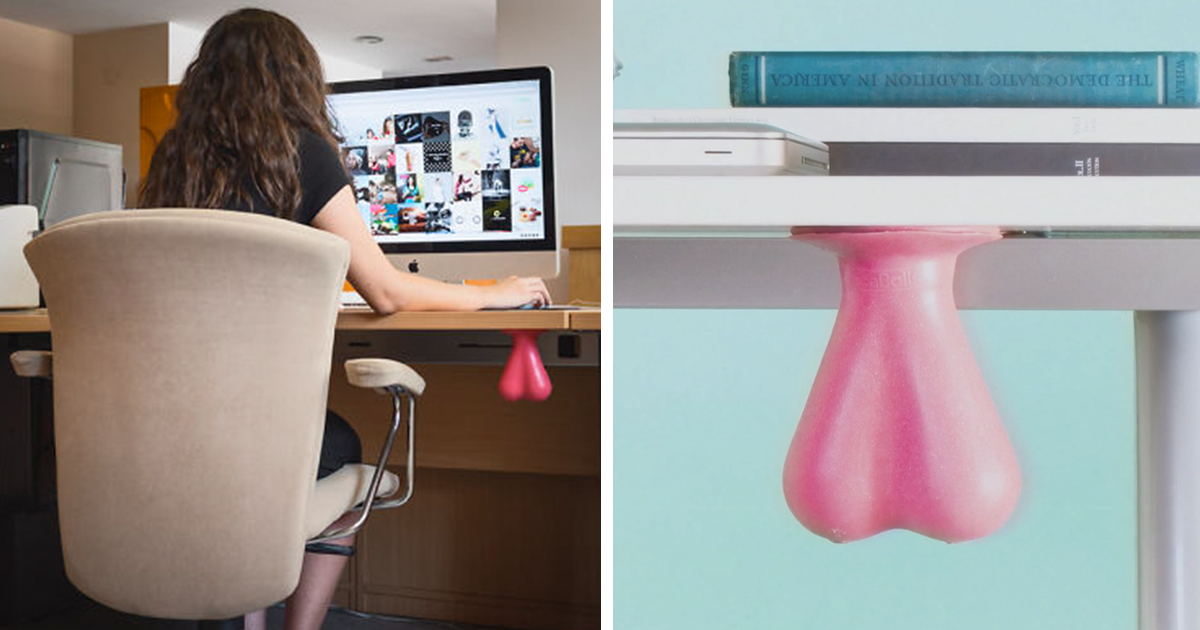
Work stress has a sneaky way of entering the room before your second cup of coffee. One minute you are opening your laptop with optimism; the next, your inbox looks like it has multiplied overnight, your calendar has no white space, and someone has scheduled a “quick sync” that is neither quick nor synchronized. That is the exact moment when a tiny, funny, tactile reset can feel surprisingly useful.
That is why we made Niceballs: a cheeky, desk-friendly stress relief toy designed to give your hands something harmless to do when your brain is juggling deadlines, notifications, and the emotional weather system known as “Monday.” Niceballs are not a magic cure for burnout, bad management, or a printer that refuses to cooperate. They are something simpler: a playful reminder to pause, breathe, release tension, and return to the task with a little more calm.
In a world where workplace wellness can sometimes sound like a 47-slide presentation, Niceballs bring the concept back down to earth. Stress relief does not always require a yoga mat, a silent retreat, or a dramatic resignation email saved in drafts. Sometimes, it begins with a squeeze, a laugh, and a 30-second reset under your desk.
Why Work Stress Feels So Physical
Workplace stress is not just “being busy.” It often happens when job demands exceed the time, control, resources, or support a person has available. That gap can make even ordinary workdays feel like a mental obstacle course. When stress builds, the body reacts with real physical signals: tight shoulders, shallow breathing, clenched hands, headaches, restless legs, and the unforgettable urge to stare at a spreadsheet as if it personally betrayed you.
This is why tactile stress relief can be useful. When your hands are tense, your attention is scattered, and your nervous system is buzzing, a soft object can create a small physical outlet. The action is repetitive, predictable, and easy. You squeeze, release, and repeat. It gives the body something to do while the mind gets a chance to slow down.
What Are Niceballs?
Niceballs are a humorous under-desk stress toy made for people who need a private, playful way to decompress during the workday. The idea is simple: place them beneath a desk, chair, or table, then use them as a discreet squeeze toy whenever tension starts to build. The design is intentionally absurd, because sometimes stress does not need a serious lecture. Sometimes it needs a ridiculous little object that says, “Relax. This email is not a tiger.”
The humor matters. Laughter can interrupt stress loops, soften awkward office moments, and make wellness feel less like homework. Niceballs are built around that idea: stress relief should be practical, but it does not have to be boring. A tiny moment of amusement can make a stressful task feel less dramatic, even if the task still needs doing.
Do Stress Balls Actually Help?
Stress balls and squeeze toys are best understood as short-term stress management tools. They can help reduce temporary tension, redirect nervous energy, and support focus by giving the hands a simple repetitive motion. They are especially useful during moments when stress is noticeable but manageable: before a presentation, during a long meeting, while reading a difficult message, or when waiting for feedback that somehow takes 11 business years.
The key is realistic expectation. A stress ball will not solve an unreasonable workload, a toxic office culture, or chronic anxiety. However, it can help you create a small pause between stress and reaction. That pause is valuable. It gives you a moment to unclench your jaw, soften your shoulders, breathe more slowly, and respond with a clearer head.
The Science Behind the Squeeze
When people are stressed, they often hold muscle tension without noticing it. Hands tighten. Shoulders rise. Breathing gets faster and shallower. A squeeze-and-release motion can make that tension more noticeable. Once you notice it, you can release it. This is similar in spirit to progressive muscle relaxation, where you intentionally tense and relax muscles to become more aware of the difference between strain and ease.
There is also a focus benefit. Repetitive tactile input can act like an anchor. Instead of chasing every anxious thought around the room, your attention has a simple physical rhythm to return to. Squeeze. Release. Breathe. Repeat. It is not complicated, and that is the point.
How Niceballs Fit Into a Healthier Workday
The best stress relief tools are the ones people actually use. Niceballs are designed for the real office environment: crowded calendars, noisy chats, shared spaces, hybrid meetings, and the strange pressure to look calm while your task list is quietly building a second task list.
Because they sit under the desk, Niceballs are easy to reach without turning stress relief into a public performance. You do not need to dim the lights, light a candle, or announce, “I am now regulating my nervous system.” You simply take a short break, squeeze for a few seconds, breathe, and keep going.
Use Them During Micro-Breaks
Micro-breaks are short pauses that help reset attention and reduce physical strain. A good micro-break can be as simple as standing up, stretching your fingers, looking away from the screen, or taking three slow breaths. Niceballs add a tactile element to that pause. Instead of scrolling your phone and accidentally losing 18 minutes to videos of dogs wearing sunglasses, you give your hands something calming to do.
Use Them Before Stressful Conversations
Before a performance review, sales call, client meeting, or project update, a quick squeeze-and-breathe routine can help you settle. Try this: squeeze gently while inhaling, hold for one beat, then release while exhaling. Repeat five times. It is simple, quiet, and much better than entering the meeting with your shoulders attached to your ears.
Use Them After a Frustrating Email
We all know the email. The one with “just following up” in the first line and chaos hiding in the second paragraph. Before replying, step away from the keyboard for a moment. Use Niceballs as a pause button. Squeeze, release, breathe, and ask yourself: “What response solves the problem without creating three new ones?” That tiny delay can prevent a rushed message from becoming a digital bonfire.
Niceballs Are Funny, But Workplace Stress Is Real
The humor behind Niceballs is intentional, but the issue it addresses is serious. Stress at work can affect sleep, mood, concentration, motivation, relationships, and physical health. When stress becomes constant, it stops being a temporary challenge and starts becoming a daily load. That is why stress relief should not be treated as a luxury. It is part of basic work hygiene, like taking breaks, setting boundaries, and not pretending lunch is three crackers eaten over your keyboard.
Niceballs work best as one piece of a larger stress management routine. Think of them as the desk drawer version of taking a breath. Helpful? Yes. Complete life strategy? Absolutely not. For lasting relief, people also need realistic workloads, supportive managers, recovery time, movement, sleep, and the freedom to say, “I cannot take on another urgent project without moving something else.”
Practical Stress Relief Tips To Pair With Niceballs
Niceballs are more effective when paired with small, healthy habits throughout the day. The goal is not to remove every stressful moment. That would require living inside a blanket fort with no Wi-Fi. The goal is to respond to stress before it piles up.
1. Try the 30-Second Reset
Sit back, place both feet on the floor, and relax your shoulders. Squeeze Niceballs gently for three seconds, then release for three seconds. As you release, exhale slowly. Do this five times. This quick routine gives your body a clear signal: we are not fighting a bear; we are handling a calendar invite.
2. Step Away From the Screen
Digital overload makes stress worse. A short screen break can help your eyes, posture, and attention. Look at something across the room, stretch your neck, or take a short walk. Pairing movement with tactile stress relief can make the reset feel more complete.
3. Name the Stressor
Stress feels bigger when it is vague. Instead of thinking, “Everything is terrible,” try naming the specific issue: “I have too many tasks due today,” “I need clearer instructions,” or “I am worried about this meeting.” Naming the stressor makes it easier to choose a response.
4. Use Breathing as a Co-Worker, Not a Cliché
Breathing exercises are popular because they are simple, portable, and free. Try inhaling through the nose for four counts and exhaling slowly for six counts. Use a gentle squeeze as you inhale and release as you exhale. The rhythm gives your hands and breath a shared job, which can make the practice feel less awkward.
5. Build Boundaries Into Your Day
Stress relief tools help, but boundaries prevent stress from becoming a permanent office roommate. Block focus time. Clarify priorities. Ask what can be delayed when everything is labeled urgent. Protect breaks when possible. A squeeze toy can help you calm down, but a better workflow can reduce how often you need to.
Who Can Benefit From Niceballs?
Niceballs are for office workers, remote workers, founders, designers, writers, support teams, managers, students with desk setups, and anyone who has ever whispered “what now?” at a notification. They are especially useful for people who fidget, clench their hands, tap their fingers, or need a physical outlet while thinking.
They also make memorable gifts for coworkers with a sense of humor. That said, workplace culture matters. In formal or conservative offices, a novelty item may be better kept private. In creative teams, startup spaces, design studios, or home offices, Niceballs can become a funny conversation starter. The golden rule is simple: stress relief should never make someone else uncomfortable. Keep it playful, respectful, and appropriate for the setting.
What Niceballs Cannot Do
Niceballs cannot replace therapy, medical care, better management, fair deadlines, or a healthy work culture. They cannot make your boss understand project scope through the power of foam alone. They cannot turn a 4:55 p.m. Friday request into a reasonable life choice. They are a tool, not a miracle.
If work stress is causing ongoing sleep problems, panic, persistent sadness, physical symptoms, or trouble functioning, it is worth reaching out for support from a qualified professional or a trusted healthcare provider. Stress toys can support everyday regulation, but serious or chronic stress deserves real care.
Why Humor Belongs in Workplace Wellness
Workplace wellness often gets packaged in polished language: resilience, optimization, performance, engagement. Those words have their place, but people are not machines. We are humans who spill coffee, misread calendar time zones, and occasionally need to laugh at the absurdity of corporate life.
Humor makes stress relief feel accessible. A funny object can lower the emotional barrier to taking a break. It can make people more willing to admit, “Yes, I am stressed,” without turning the moment into a dramatic confession. Niceballs use humor as an invitation: pause for a second, loosen up, and stop letting one stressful moment run the entire day.
Our Experience Making Niceballs for Work Stress
When we first started thinking about Niceballs, we were not trying to create another serious wellness gadget with a name that sounded like a spacecraft. We wanted something honest. Work is stressful. People fidget. Hands need something to do. And sometimes the best way to interrupt tension is with an object so unexpectedly silly that your brain forgets to spiral for a second.
The earliest idea came from watching how people behave at desks when pressure rises. Some click pens. Some tap feet. Some grip the edge of the chair. Some refresh their inbox like the answer to inner peace might arrive between two promotional emails. We noticed that stress often travels into the hands. So we asked a simple question: what if the hands had a better job?
That question shaped the product. Niceballs had to be easy to reach, satisfying to squeeze, and funny enough to create a tiny emotional shift. We did not want a stress toy that sat on the desk like a sad promotional giveaway from a conference no one remembers. We wanted something with personality. Something people would actually talk about. Something that understood the modern workplace has two moods: “deep focus” and “why is this meeting happening?”
Testing the concept was surprisingly revealing. People did not just squeeze it once and move on. They smiled first. That smile mattered. It showed us that Niceballs were not only about hand tension. They were about permission. Permission to take stress less personally. Permission to pause before reacting. Permission to admit that the day is a little ridiculous and still keep going.
We also learned that discretion matters. A good workplace stress relief tool should not demand attention every time someone uses it. Many people want relief without making a scene. By placing Niceballs under the desk, the design supports private use. You can sit through a long call, manage a tense moment, or reset after a difficult task without announcing your stress level to the room.
Another lesson was that stress relief must feel simple. People do not need another complicated system. They already have passwords, platforms, dashboards, workflows, and at least one app that updates at the worst possible time. Niceballs require no charging, no subscription, no onboarding, and no inspirational notification that says, “You deserve calm.” You just reach, squeeze, release, and breathe.
Over time, we began thinking of Niceballs as a tiny ritual. Not a replacement for healthy work habits, but a trigger for them. When you squeeze, you remember to exhale. When you release, you remember to relax your shoulders. When you laugh, you remember that one stressful message does not define your whole day. That small chain reaction is where the value lives.
The best feedback came from people who said Niceballs helped them pause. Not solve everything. Not become a productivity robot. Just pause. In stressful workplaces, that pause can be powerful. It creates space between the trigger and the response. It turns an automatic reaction into a choice. And sometimes, one better choice is enough to change the direction of an afternoon.
Making Niceballs taught us that stress relief does not have to be elegant to be effective. It can be weird. It can be funny. It can hide under a desk and quietly help someone survive a day packed with deadlines, decisions, and mysteriously urgent requests. At its best, Niceballs are a reminder that work may be serious, but we do not have to be tense every second we are doing it.
Conclusion: A Small Squeeze for a Less Stressful Workday
Niceballs were made for the real world of work: the deadlines, the meetings, the inbox drama, the awkward pauses, and the moments when your brain needs a reset but your calendar refuses to cooperate. They are playful, tactile, discreet, and easy to use. More importantly, they encourage a habit that many busy people forget: pausing before stress takes over.
Stress relief does not need to be complicated to be meaningful. A short breath, a relaxed hand, a moment of humor, and a tiny break from the mental noise can help you return to work with more clarity. Niceballs will not fix every workplace problem, but they can make the next stressful moment feel a little more manageableand a lot less boring.