Note: This article is for educational purposes only and should not replace emergency medical care or advice from a licensed healthcare professional. Ventricular fibrillation is a life-threatening emergency. If someone collapses, is not breathing normally, or has no pulse, call 911 immediately, start CPR, and use an automated external defibrillator (AED) if one is available.
What Is Ventricular Fibrillation?
Ventricular fibrillation, often shortened to V-fib or VF, is one of the most dangerous heart rhythm problems a person can experience. It happens when the heart’s lower chambers, called the ventricles, stop pumping in a coordinated way and begin quivering chaotically instead. In plain English, the heart is still electrically active, but it is not doing the useful “pump, pump, pump” work that keeps blood moving to the brain, lungs, and the rest of the body.
That is why ventricular fibrillation is considered a medical emergency. When the ventricles cannot pump blood effectively, the person can collapse within seconds. Without immediate treatment, VF can quickly lead to sudden cardiac arrest and death. It is not the kind of condition where someone should “walk it off,” sip water, or wait to see if things improve. The heart has left the group chat, and the situation needs fast action.
The good news is that ventricular fibrillation can sometimes be reversed if treatment begins quickly. CPR helps push blood through the body temporarily, while defibrillation delivers an electrical shock that may reset the heart’s rhythm. Every minute matters. The faster someone calls emergency services, starts chest compressions, and uses an AED, the better the chance of survival.
Ventricular Fibrillation vs. Atrial Fibrillation: Why the Difference Matters
Many people hear “fibrillation” and immediately think of atrial fibrillation, or AFib. Although the names sound similar, ventricular fibrillation and atrial fibrillation are very different problems.
Atrial fibrillation begins in the heart’s upper chambers, the atria. It can increase the risk of stroke and may cause palpitations, fatigue, or shortness of breath, but many people live with AFib under medical treatment. Ventricular fibrillation begins in the lower pumping chambers. It usually causes sudden collapse and requires immediate emergency treatment. AFib is serious; V-fib is “drop everything and act now” serious.
Common Symptoms of Ventricular Fibrillation
Ventricular fibrillation often happens suddenly. Because blood flow to the brain drops sharply, the person usually cannot describe symptoms for long. The most obvious sign is sudden collapse.
Emergency Symptoms
The most common emergency signs of ventricular fibrillation include sudden loss of consciousness, no normal breathing, no pulse, extreme weakness, and collapse. A person may gasp, make strange breathing sounds, or appear to be having a seizure. These gasps are not normal breathing. They are a sign of severe distress and should be treated as cardiac arrest until proven otherwise.
If someone collapses and does not respond when you tap their shoulders and shout, call 911. If the person is not breathing normally, begin CPR. Do not spend precious time searching the internet, debating whether it is “really cardiac arrest,” or waiting for a dramatic movie-style clue. Real emergencies are rarely polite enough to announce themselves clearly.
Possible Warning Signs Before Collapse
Some people may notice warning symptoms before ventricular fibrillation occurs, especially if VF is triggered by another heart problem. These warning signs can include chest pain, shortness of breath, dizziness, nausea, rapid heartbeat, fluttering in the chest, fainting, or unusual fatigue. However, many cases occur without much warning.
Any sudden chest pain, fainting, severe shortness of breath, or unexplained collapse deserves urgent medical attention. Even if symptoms turn out not to be ventricular fibrillation, it is much better to be checked than to gamble with the body’s most important electrical appliance.
What Causes Ventricular Fibrillation?
Ventricular fibrillation usually develops when the heart’s electrical system becomes unstable. Instead of a smooth signal telling the ventricles when to contract, the signals become rapid, chaotic, and useless. Several conditions can create that instability.
Coronary Artery Disease and Heart Attack
Coronary artery disease is one of the most common causes of ventricular fibrillation. It occurs when the arteries that supply blood to the heart become narrowed or blocked by plaque. If blood flow is suddenly blocked, a heart attack can occur. Damaged heart muscle is more likely to produce dangerous electrical rhythms, including ventricular tachycardia and ventricular fibrillation.
This is one reason chest pain should never be ignored. A heart attack is a plumbing problem, while ventricular fibrillation is an electrical problem, but the two can be closely connected. A blocked artery can irritate the heart’s wiring, and the result can be catastrophic.
Previous Heart Damage
Scarring from an old heart attack, cardiomyopathy, heart failure, or other structural heart disease can increase the risk of VF. Scarred or weakened heart tissue may not conduct electrical signals normally. Think of it like old wiring in a house: everything may seem fine until the wrong spark hits the wrong place.
Electrolyte Imbalances
The heart depends on minerals such as potassium, magnesium, calcium, and sodium to keep its rhythm stable. Severe imbalances can raise the risk of dangerous arrhythmias. These imbalances may happen because of kidney disease, dehydration, certain medications, eating disorders, severe vomiting or diarrhea, or other medical problems.
Inherited Heart Conditions
Some people are born with genetic conditions that affect the heart’s electrical system or structure. Examples include long QT syndrome, Brugada syndrome, hypertrophic cardiomyopathy, and arrhythmogenic right ventricular cardiomyopathy. These conditions may increase the risk of sudden cardiac arrest, sometimes even in young people who appear healthy.
Drug Use, Medications, and Toxins
Certain recreational drugs, especially stimulants such as cocaine or methamphetamine, can trigger dangerous rhythms. Some prescription medications may also affect the QT interval or interact with other drugs in ways that increase arrhythmia risk. This does not mean people should stop prescribed medications on their own. It means medication lists should be reviewed regularly with a healthcare professional, especially if a person has heart disease or a history of fainting.
Severe Physical Stress
Major trauma, severe infection, drowning, electrocution, extremely low oxygen, and major blood loss can all contribute to cardiac arrest and ventricular fibrillation. In these situations, the heart is often responding to a whole-body crisis.
How Ventricular Fibrillation Is Diagnosed
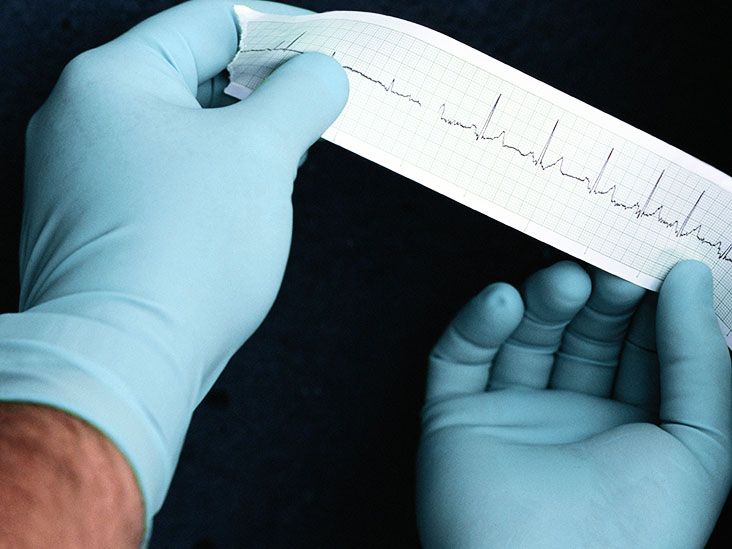
During an emergency, ventricular fibrillation is usually identified by an electrocardiogram, or ECG. An AED can also analyze the heart rhythm and determine whether a shock is recommended. In the field, the priority is not a long diagnostic conversation. The priority is restoring blood flow and rhythm as quickly as possible.
After the person is resuscitated, doctors may run tests to find the cause. These may include blood tests, ECG monitoring, echocardiogram, coronary angiography, cardiac MRI, stress testing, genetic testing, or electrophysiology studies. The goal is to understand why VF happened and how to reduce the chance of it happening again.
Emergency Treatment for Ventricular Fibrillation
Ventricular fibrillation treatment starts immediately. It does not wait for a perfect setting, a specialist, or someone in a white coat to appear with heroic background music.
Step 1: Call 911
If someone collapses and is unresponsive, call 911 right away. Put the phone on speaker if possible so you can follow dispatcher instructions while starting CPR. Dispatchers are trained to guide callers through emergency steps, including chest compressions.
Step 2: Start CPR
CPR keeps blood moving to the brain and organs until the heart can be restarted. Hands-only CPR is recommended for many adult sudden-collapse situations. Place the heel of one hand in the center of the chest, put the other hand on top, keep your arms straight, and push hard and fast. Aim for about 100 to 120 compressions per minute.
Do not worry about being perfect. Imperfect CPR is far better than standing nearby and giving the floor moral support. Push firmly, let the chest rise between compressions, and keep going until emergency responders arrive, the person wakes up, or an AED tells you to pause.
Step 3: Use an AED
An automated external defibrillator can analyze the heart rhythm and deliver a shock if needed. AEDs are designed for use by non-medical bystanders. Once turned on, the device gives voice and visual instructions. Place the pads on the bare chest as shown in the diagram, make sure no one is touching the person when the AED analyzes or shocks, and follow the prompts.
Defibrillation is the key treatment for ventricular fibrillation. The shock does not “jump-start” the heart like a car battery. Instead, it briefly stops the chaotic electrical activity so the heart’s natural rhythm may restart in an organized way.
Step 4: Advanced Medical Care
Emergency medical teams may continue CPR, give medications, manage the airway, provide oxygen, and deliver additional shocks if needed. In the hospital, doctors may treat blocked arteries, correct electrolyte imbalances, cool the body in selected cases after cardiac arrest, and monitor organ function.
Long-Term Treatment After Ventricular Fibrillation
Surviving ventricular fibrillation is only the first step. After the emergency, the medical team focuses on preventing another episode.
Implantable Cardioverter-Defibrillator
Many people who survive VF may be evaluated for an implantable cardioverter-defibrillator, or ICD. An ICD is a small device placed under the skin, usually near the chest, that monitors heart rhythm. If it detects a life-threatening rhythm, it can deliver a shock to restore normal rhythm.
An ICD is not a cure for heart disease, but it can act like a tiny security guard with one job: catch dangerous rhythms before they become fatal. Patients with ICDs still need follow-up care, medication management, and attention to the underlying cause.
Medications
Doctors may prescribe medications such as beta-blockers, antiarrhythmic drugs, blood pressure medicines, cholesterol-lowering drugs, or heart failure treatments depending on the cause. The exact medication plan varies widely from person to person. A patient with coronary artery disease may need a different plan than someone with an inherited rhythm disorder.
Procedures and Surgery
If VF is related to blocked coronary arteries, treatment may include angioplasty, stent placement, or bypass surgery. If a specific electrical pathway or scar area is triggering dangerous rhythms, catheter ablation may be considered. In some cases, treating valve disease, heart failure, or another structural problem can lower risk.
Lifestyle and Risk Reduction
Heart-healthy habits matter. Quitting smoking, controlling blood pressure, managing diabetes, treating sleep apnea, limiting alcohol, avoiding stimulant drugs, staying physically active as advised, and eating a balanced diet can all support heart health. These steps are not as dramatic as an emergency shock, but prevention rarely wears a cape. It usually wears walking shoes and reads nutrition labels.
Who Is at Higher Risk?
People may have a higher risk of ventricular fibrillation if they have coronary artery disease, a previous heart attack, heart failure, cardiomyopathy, a history of ventricular tachycardia, inherited arrhythmia syndromes, severe electrolyte problems, or a family history of sudden cardiac death. Risk may also rise with heavy stimulant use, untreated high blood pressure, and certain medication interactions.
Anyone with unexplained fainting, especially during exercise or emotional stress, should seek medical evaluation. Fainting is sometimes harmless, but when it is linked to exertion, palpitations, chest pain, or family history of sudden death, doctors take it seriously.
Can Ventricular Fibrillation Be Prevented?
Not every case can be prevented, but risk can often be reduced. Prevention starts with managing known heart disease. Regular checkups, cholesterol control, blood pressure treatment, diabetes management, and smoking cessation can lower the chance of coronary artery disease and heart attack, two major drivers of dangerous rhythms.
People with known inherited heart conditions may need specialized care from a cardiologist or electrophysiologist. Family members may also need screening. For people at high risk, an ICD may be recommended to prevent sudden cardiac death.
Community prevention also matters. CPR training and public access to AEDs can save lives. Homes, schools, gyms, airports, offices, and sports facilities are all places where rapid response can make the difference between tragedy and survival.
What To Do If You Witness a Possible VF Emergency
If someone suddenly collapses, remember three actions: call, push, shock. Call 911. Push hard and fast in the center of the chest. Shock with an AED if one is available.
Do not be afraid to use an AED. The device will not deliver a shock unless it detects a shockable rhythm. It talks you through the process like a very serious GPS: “Turn here, place pad here, do not touch the patient.” Listen to it and keep going.
Living After Ventricular Fibrillation
Surviving ventricular fibrillation can be physically and emotionally overwhelming. Some people recover quickly; others deal with fatigue, memory changes, anxiety, fear of recurrence, or lifestyle adjustments after receiving an ICD. These reactions are normal. A cardiac arrest does not just shake the heart; it can shake a person’s confidence in their own body.
Cardiac rehabilitation may help many survivors rebuild strength safely. Counseling or support groups can help with anxiety and emotional recovery. Family members may also benefit from CPR training and education, because knowing what to do can replace helplessness with a plan.
Experience-Based Reflections: What Ventricular Fibrillation Teaches Families, Patients, and Bystanders
Experiences around ventricular fibrillation often share one theme: nobody expects the emergency until it happens. A person may be eating dinner, walking through an airport, exercising at a gym, or sitting at home watching television when they suddenly collapse. For bystanders, the first few seconds can feel unreal. The brain tries to negotiate: “Maybe they just fainted. Maybe they will wake up. Maybe someone else knows what to do.” But ventricular fibrillation does not reward hesitation. It rewards action.
One practical lesson many families learn is that CPR training is not just for healthcare workers. It is for spouses, parents, coworkers, coaches, teachers, and friends. A person does not need to perform CPR with textbook perfection to help. Strong chest compressions can keep oxygen-rich blood moving until an AED or emergency team arrives. In real life, confidence often matters as much as memorizing every detail. People who have practiced CPR, even briefly, are more likely to step forward instead of freezing.
Another experience survivors describe is the strange emotional gap after recovery. Everyone around them may celebrate survival, while the survivor quietly wonders, “Can I trust my heart again?” That fear is understandable. A sudden cardiac arrest can make ordinary activities feel risky. Walking up stairs, sleeping alone, or hearing an ICD beep can trigger worry. This is where follow-up care becomes more than a medical checklist. Patients need clear explanations, realistic activity guidance, and permission to talk about fear without being brushed off.
Families also learn that an ICD can bring both comfort and adjustment. The device may provide lifesaving protection, but it can also remind the person daily that something serious happened. Some patients feel safer knowing the ICD is watching their rhythm. Others feel anxious about possible shocks. Both reactions are valid. Good care includes device checks, medication review, lifestyle counseling, and emotional support.
Caregivers often become the quiet project managers of recovery. They track appointments, organize medications, learn warning signs, and encourage healthy routines without becoming the household police department. That balance can be tricky. Nobody enjoys being lovingly interrogated about sodium intake at breakfast. Still, small habits add up: taking medications on schedule, attending cardiology visits, reporting new symptoms, and following activity recommendations can reduce risk.
For communities, ventricular fibrillation offers a blunt but useful lesson: AEDs should be visible, maintained, and easy to access. A locked AED hidden in a back office is about as helpful as a lifeboat stored in another zip code. Workplaces, schools, gyms, and public venues should not only own AEDs but also make sure people know where they are and how to use them.
The biggest takeaway is simple: ventricular fibrillation is terrifying, but helplessness is not the only option. Fast CPR, early defibrillation, emergency care, long-term treatment, and prevention planning can change outcomes. The heart may be complicated, but the first response can be beautifully simple: call for help, push hard and fast, and use the AED.
Conclusion
Ventricular fibrillation is a life-threatening heart rhythm that causes the ventricles to quiver instead of pump blood. It can lead to sudden collapse, cardiac arrest, and death within minutes if not treated immediately. The most important emergency treatments are calling 911, starting CPR, and using an AED as soon as possible.
Common causes include coronary artery disease, heart attack, previous heart damage, inherited rhythm disorders, electrolyte imbalances, medications, toxins, and severe physical stress. Long-term care may include an ICD, medications, procedures, cardiac rehabilitation, and lifestyle changes to reduce future risk.
The most powerful message is also the simplest: ventricular fibrillation is not a wait-and-see situation. Quick action saves lives. Learning CPR, knowing where AEDs are located, and taking heart symptoms seriously can turn an ordinary bystander into the most important person in the room.