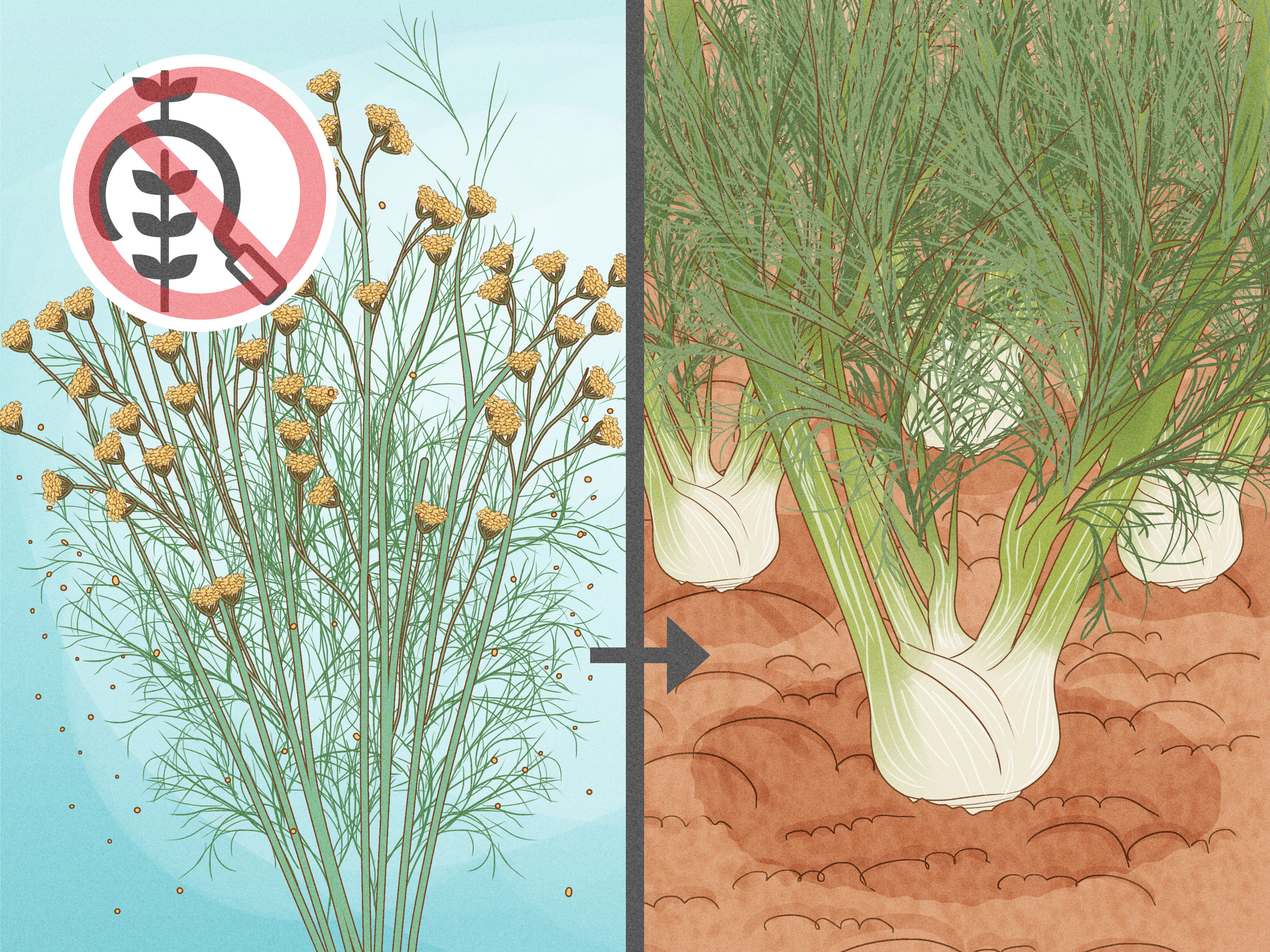
Fennel is one of those garden plants that looks delicate, tastes fancy, and secretly behaves like it knows exactly what it is doing. With feathery fronds, sunny yellow flowers, aromatic seeds, andin the case of Florence fennela crisp, swollen bulb, this Mediterranean herb brings both beauty and flavor to the backyard garden. It smells a little like licorice, looks a little like dill, and makes roasted vegetables taste like they went to culinary school.
The good news? Learning how to grow fennel is not complicated. The slightly tricky news? You need to choose the right type, give it sun, keep bulb fennel evenly watered, and harvest before the plant decides to bolt into flower like it has a train to catch. This guide breaks the process into eight practical steps, from choosing seeds to harvesting fronds, bulbs, and seeds. Whether you want fresh fennel for salads, roasted bulbs for dinner, or seed heads for seasoning sausage and bread, this plant can earn its spot in your gardenprovided you give it a little room and do not expect it to be best friends with every vegetable nearby.
Step 1: Choose the Right Type of Fennel
Before planting, decide what you actually want to harvest. Fennel is commonly grown in three main forms: common fennel, Florence fennel, and bronze fennel. They are related, but they are not used in exactly the same way.
Common fennel
Common fennel, also called herb fennel, is usually grown for its feathery leaves, yellow flowers, and aromatic seeds. It can grow several feet tall and has a strong anise-like fragrance. If your goal is to harvest fennel fronds for fish, salads, soups, or herb blends, this is a dependable choice. It is also a favorite host plant for swallowtail butterfly caterpillars, which is either charming or mildly alarming depending on how attached you are to your foliage.
Florence fennel
Florence fennel, sometimes called bulb fennel or finocchio, is grown for its swollen, bulb-like base. This is the fennel you see in grocery stores with a white bulb, green stalks, and frilly tops. The bulb is technically not a true bulb like an onion; it is made from enlarged stem bases. It has a crisp texture when raw and turns sweet and tender when roasted, braised, or sautéed.
Bronze fennel
Bronze fennel is often grown as an ornamental edible herb. Its smoky bronze-purple foliage looks gorgeous in borders, pollinator gardens, and cottage-style beds. Like common fennel, it is grown mostly for leaves and seeds rather than a large edible bulb.
If you want fennel bulbs, buy seeds labeled Florence fennel, bulb fennel, or finocchio. If you want seeds, fronds, flowers, and pollinator value, choose common or bronze fennel. This one decision prevents a lot of garden confusion later. Planting common fennel and waiting for a fat grocery-store bulb is like planting a sunflower and expecting a pumpkin. Admirable optimism, wrong plant.
Step 2: Pick a Sunny, Well-Drained Planting Site
Fennel loves full sun. Aim for a spot that receives at least six hours of direct sunlight per day, and more is even better in cooler climates. Strong sunlight helps plants grow upright, flavorful, and sturdy. In too much shade, fennel may become stretched, weak, and less productive.
Soil matters too, especially for Florence fennel. For the best bulbs, choose loose, fertile, well-drained soil that stays evenly moist but never soggy. A loamy garden bed enriched with compost is ideal. Fennel can tolerate average soil, but bulb fennel performs best when the ground is not compacted. If the soil is hard, rocky, or crusted, the developing base may stay small or become misshapen.
A slightly acidic to slightly alkaline soil is acceptable, but fennel generally does well around a near-neutral pH. If your garden soil is poor, mix in finished compost before planting. Avoid overloading the bed with high-nitrogen fertilizer, because too much nitrogen can encourage leafy growth at the expense of firm bulb development.
Give fennel its own space
Fennel has a reputation for being a difficult companion plant. It may inhibit the growth of some nearby plants, and it can cross-pollinate with dill if both are allowed to flower close together. For that reason, many gardeners grow fennel in its own bed, along the edge of the garden, or in a large container. Think of fennel as the interesting dinner guest who is delightful in the right seat but should not be placed between everyone at the table.
Step 3: Plant Fennel Seeds at the Right Time
Fennel is usually easiest to grow from seed. Direct sowing is often recommended because fennel develops a taproot and does not always appreciate transplanting. Transplant shock can slow growth, and slow growth is one of the factors that may lead Florence fennel to bolt before it forms a good bulb.
In most regions, sow fennel seeds in spring after the danger of hard frost has passed and the soil has started to warm. For a fall crop of Florence fennel, sow in midsummer, giving the plants enough time to mature before severe cold. Fall crops are often excellent because fennel prefers steady growth in mild weather and may bolt quickly during hot, stressful summer conditions.
Plant seeds about 1/4 inch deep in prepared soil. Keep the seedbed evenly moist until germination. Seeds commonly sprout in about one to two weeks when conditions are favorable. If you are sowing Florence fennel, space seeds several inches apart and thin seedlings later so each plant has room to form a bulb. Rows can be spaced widely enough for airflow, watering, and easy harvesting.
Starting seeds indoors
You can start fennel indoors, especially in regions with short growing seasons, but do it carefully. Start seeds about four to six weeks before outdoor planting time, use deep containers if possible, and transplant before seedlings become rootbound. Handle the roots gently and avoid disturbing the taproot. For many home gardeners, direct seeding still produces the least drama.
Step 4: Thin Seedlings and Space Plants Properly
Once seedlings are established, thinning becomes important. Crowded fennel plants compete for light, water, and nutrients. That is bad news for bulb fennel, which needs space to swell properly. Thin Florence fennel plants to about 8 to 12 inches apart. Herb fennel can also be spaced generously because mature plants may grow tall and broad.
Do not feel guilty about thinning. Gardeners often leave too many seedlings because every tiny plant looks like it deserves a chance. Unfortunately, overcrowding usually results in smaller, weaker plants. Snip extra seedlings at soil level rather than yanking them out if nearby roots might be disturbed.
If you are growing fennel in containers, choose a pot large enough for the plant’s roots and top growth. A container of at least 5 gallons is a good starting point for large herb fennel or Florence fennel. Make sure the pot has drainage holes. Fennel dislikes sitting in waterlogged soil, and no plant has ever looked at a swampy pot and said, “Yes, this is my wellness retreat.”
Container growing tips
Use a high-quality potting mix rather than dense garden soil. Place the container in full sun and monitor moisture often, because pots dry out faster than garden beds. Florence fennel grown in containers needs consistent watering to prevent stress, bolting, and tough bulbs.
Step 5: Water Consistently and Mulch the Soil
Watering is one of the most important parts of growing fennel successfully. Common fennel becomes fairly drought tolerant once established, but Florence fennel needs steady moisture to form tender bulbs. Dry spells can trigger bolting, splitting, or woody texture. The goal is evenly moist soil, not mud.
Check the soil regularly by pressing your finger about an inch below the surface. If it feels dry at that depth, water deeply. Shallow sprinkling encourages shallow roots, while deep watering helps plants stay resilient. In hot weather, raised beds and containers may need more frequent watering.
Mulch is helpful because it conserves moisture, moderates soil temperature, and reduces weed pressure. Apply a light layer of straw, shredded leaves, untreated grass clippings, or fine compost around the plants, keeping mulch slightly away from the stems. For Florence fennel, mulch can be especially useful during warm spells when soil dries quickly.
Avoid drought stress
Bolting is the gardener’s main enemy when growing bulb fennel. When fennel bolts, it sends up a flower stalk, and the bulb usually becomes tough or stops developing. Heat, drought, overcrowding, and transplant shock can all contribute. You cannot control the weather, but you can reduce stress by watering consistently, spacing plants correctly, and planting at the right season.
Step 6: Feed Lightly and Keep Weeds Under Control
Fennel does not need heavy feeding, but it appreciates fertile soil. Before planting, add compost to improve soil structure and provide slow-release nutrients. If your soil is lean, you can apply a balanced organic fertilizer according to label directions. For Florence fennel, steady moderate fertility supports bulb formation, but too much fertilizer can push excessive leafy growth.
Weeds are more than a cosmetic issue. They compete with young fennel plants for water, nutrients, and sunlight. Keep the bed weeded, especially during the first several weeks after germination. Hand-pull weeds carefully so you do not disturb fennel roots. Mulching after seedlings are established will make this job much easier.
As Florence fennel bulbs begin to swell, some gardeners mound soil lightly around the base. This process, called blanching, helps keep the bulb pale and tender. Do not bury the growing point or smother the plant. A gentle mound around the swelling base is enough. Think of it as tucking the bulb in, not burying it under a blanket with no air holes.
Support tall plants if needed
Herb fennel and bronze fennel can grow tall enough to lean in wind or heavy rain. If your garden is breezy, stake tall plants when they are young and flexible. This is especially useful if you plan to let plants flower and set seed.
Step 7: Watch for Pests, Pollinators, and Bolting
Fennel is generally not a high-maintenance plant, and it has relatively few serious pest problems in many home gardens. However, you may see aphids, caterpillars, or general leaf-chewing insects. Small aphid populations can often be washed off with a strong stream of water. Avoid harsh spraying whenever possible, especially when fennel is flowering, because the blooms attract beneficial insects.
One common visitor is the black swallowtail caterpillar, sometimes called parsley worm. It feeds on plants in the carrot family, including fennel, dill, parsley, and carrots. These caterpillars can chew leaves enthusiastically, but they become beautiful butterflies. If you enjoy wildlife gardening, plant extra fennel and share. A few missing fronds are a small price to pay for flying garden jewelry.
Bolting is a bigger concern for gardeners growing Florence fennel. Watch for a central stalk stretching upward before the bulb has sized up. Once that happens, bulb quality usually declines. To reduce bolting, plant during mild seasons, water evenly, avoid root disturbance, and choose bolt-resistant varieties when available.
Should fennel flower?
If you are growing herb fennel for seeds or pollinators, flowering is a good thing. The yellow umbels attract bees, beneficial wasps, butterflies, and other helpful insects. If you are growing Florence fennel for bulbs, flowering is usually a sign to harvest immediately or accept that the bulb may become tougher.
Step 8: Harvest Fronds, Bulbs, and Seeds at the Right Stage
One of fennel’s best qualities is that almost every part of the plant is useful. The leaves, stalks, bulbs, flowers, pollen, and seeds all have culinary value. Harvesting at the right time gives you better flavor and texture.
Harvesting fennel fronds
You can begin snipping fennel fronds once the plant is established and has enough growth to spare. Use clean scissors and remove only a portion of the foliage at a time so the plant can continue growing. Fronds are best used fresh, but they can also be dried or frozen for later use. Add them to salads, seafood, roasted vegetables, soups, sauces, and herb butters.
Harvesting Florence fennel bulbs
Harvest bulb fennel when the swollen base is about the size of a tennis ball or slightly larger, depending on the variety. Smaller bulbs are often more tender, while oversized bulbs can become stringy or tough. Use a sharp knife or garden pruners to cut the bulb at soil level, just above the root. Trim the stalks and fronds, but do not throw them away. The fronds make a lovely garnish, and the stalks can flavor stock.
Harvesting fennel seeds
For seeds, allow flower heads to mature and turn brown on the plant. Cut the seed heads and place them upside down in a paper bag in a dry, well-ventilated area. As they dry, the seeds will drop into the bag. Store fully dry seeds in an airtight container away from heat and light. Fennel seeds are excellent in breads, spice blends, sausage, pickles, teas, and roasted vegetable dishes.
Common Mistakes When Growing Fennel
Even though fennel is not difficult, a few common mistakes can reduce your harvest. The biggest mistake is planting the wrong type. Herb fennel will not produce the plump white bulb associated with Florence fennel. Another common problem is inconsistent watering. Bulb fennel needs steady moisture; repeated dry spells can lead to bolting and poor texture.
Planting too late in hot climates can also cause trouble. Fennel prefers mild conditions, and Florence fennel often performs better as a spring or fall crop rather than during intense summer heat. Crowding is another issue. If plants are too close together, bulbs cannot develop properly.
Finally, do not let fennel self-seed everywhere unless you truly want a fennel neighborhood, fennel suburbs, and possibly a fennel city council. Mature plants can drop many seeds, and volunteer seedlings may appear the following season. Remove spent flower heads before seeds scatter if you want to keep fennel contained.
Best Uses for Homegrown Fennel
Fresh fennel brings a sweet, herbal, lightly licorice-like flavor to the kitchen. Thinly sliced raw fennel adds crunch to salads, especially with citrus, apples, arugula, or Parmesan. Roasted fennel becomes mellow, sweet, and caramelized. It pairs beautifully with potatoes, carrots, chicken, fish, beans, pasta, and tomato-based dishes.
Fennel fronds can be used like a soft herb. Sprinkle them over grilled fish, fold them into yogurt sauce, mix them with lemon zest, or add them to compound butter. The stalks are tougher than the bulb but useful for flavoring soups and stocks. Seeds are stronger and warmer in flavor, perfect for spice rubs, breads, sausages, and herbal teas.
In the garden, fennel also earns points as an ornamental and pollinator-friendly plant. Its airy foliage softens garden edges, and its flowers attract beneficial insects. Bronze fennel is especially striking when paired with silver-leaved herbs, purple basil, or bright flowering annuals.
Real Gardening Experience: What Growing Fennel Teaches You
Growing fennel teaches patience, timing, and the gentle art of not panicking when a plant looks like dill’s dramatic cousin. The first thing many gardeners learn is that fennel has two personalities. Herb fennel is relaxed and generous. It grows tall, offers fronds, attracts pollinators, and usually forgives imperfect care. Florence fennel is more particular. It wants steady water, comfortable weather, elbow room, and soil that does not turn into a brick after the first rain.
One practical experience is that fall-grown bulb fennel often behaves better than spring-grown fennel in warm regions. Spring sowings may start nicely, then suddenly stretch upward when temperatures rise. At first, the plant looks impressivetaller, stronger, almost proud of itself. Then you realize it has bolted and the bulb is not getting any bigger. That is the gardening version of a plot twist. A midsummer sowing for fall harvest can avoid the worst heat and give bulbs time to mature in cooler weather.
Another useful lesson is that mulch makes fennel easier. Gardeners who mulch around bulb fennel usually spend less time chasing moisture problems. Without mulch, the soil surface can dry quickly, especially in raised beds. With mulch, the plants grow more steadily, and steady growth is exactly what Florence fennel wants. It does not want heroic rescue watering every five days. It wants consistency, like a houseplant with a calendar app.
Spacing is another experience you remember after one crowded crop. When fennel seedlings are tiny, spacing them 10 or 12 inches apart feels wasteful. Later, when the plants expand, it makes perfect sense. Crowded fennel bulbs stay small, and the fronds tangle into a feathery jungle. Thinning early is much easier than trying to separate mature plants later.
Gardeners also learn to share fennel with wildlife. If swallowtail caterpillars appear, the first reaction may be alarm. They can chew quickly. But many experienced gardeners simply plant extra fennel, parsley, or dill and let the caterpillars feed. The reward is butterflies, and butterflies have a way of making a few ragged leaves seem like a fair trade.
Harvest timing may be the biggest hands-on lesson. A fennel bulb that looks “almost ready” one week can become overmature if ignored too long. The best bulbs are firm, crisp, and harvested before flowering. When in doubt, harvest slightly early rather than waiting for a giant bulb. Smaller fennel is often sweeter and more tender. Oversized fennel may still be usable, especially cooked, but it loses that delicate crunch that makes fresh fennel so appealing.
Finally, growing fennel teaches you to use the whole plant. At first, many people focus only on the bulb. Then they discover the fronds are excellent in salads, the stalks flavor broth, and the seeds are worth saving. That is when fennel changes from “interesting garden experiment” to “why didn’t I grow this sooner?” It is beautiful, fragrant, edible, and a little quirkythe kind of crop that makes the garden feel more alive.
Conclusion
Learning how to grow fennel is mostly about matching the plant to the right purpose. Choose Florence fennel for crisp bulbs, common fennel for fronds and seeds, and bronze fennel for edible beauty and pollinator appeal. Give plants full sun, loose soil, proper spacing, and consistent moisture. Direct sow when possible, thin seedlings early, mulch to reduce stress, and harvest before bulb fennel bolts.
Fennel may look fancy, but it is very achievable for home gardeners. With eight simple steps and a little attention to timing, you can grow a crop that is useful from top to bottom. The fronds brighten salads, the bulbs roast into sweetness, the flowers feed pollinators, and the seeds bring warm flavor to the kitchen. Not bad for one plant with excellent hair.