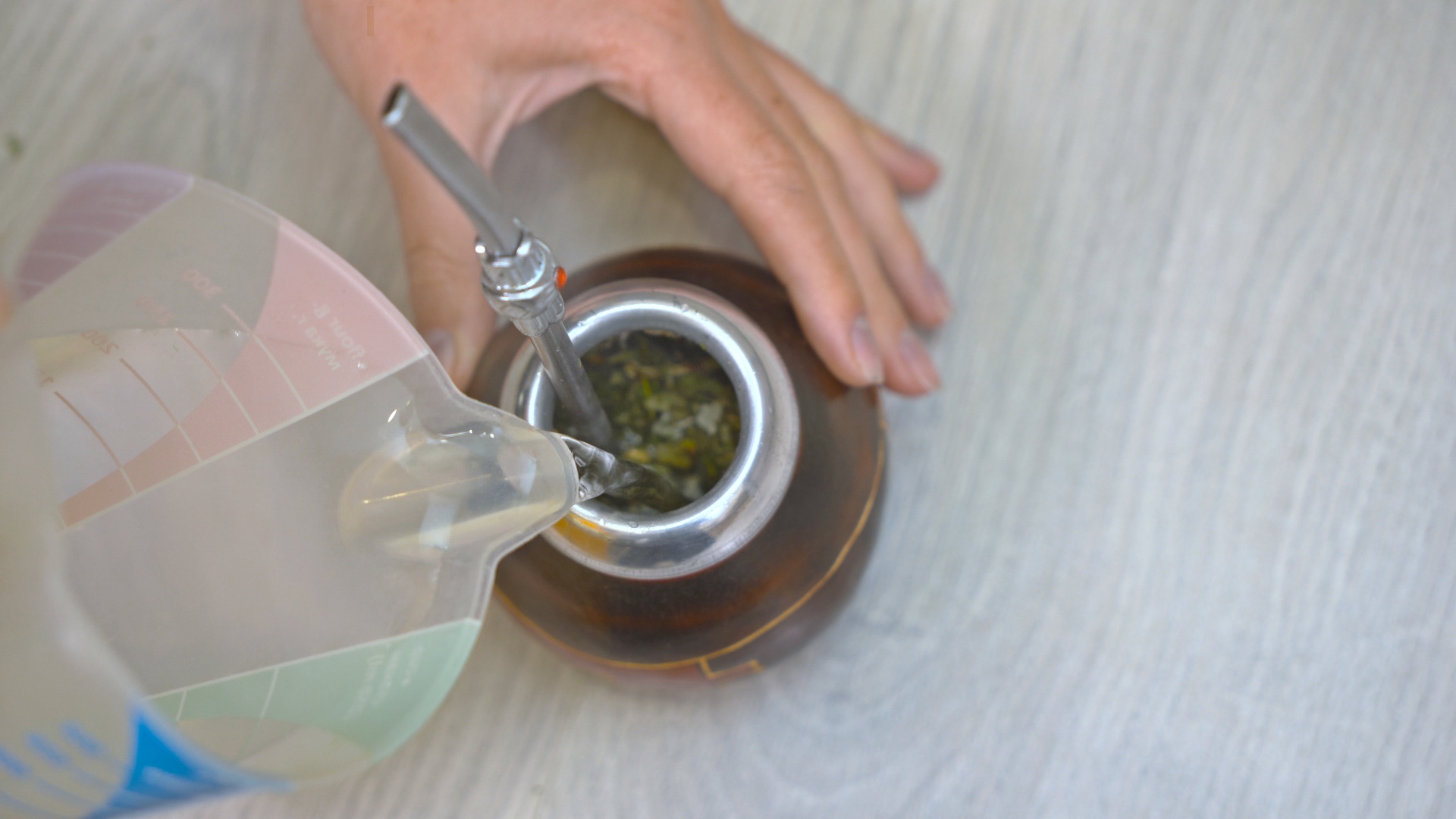
Yerba mate is not just a drink. It is a ritual, a social habit, a caffeine-powered handshake, and, for many people, the reason mornings do not begin with an emotional support coffee mug. Made from the dried leaves of the Ilex paraguariensis plant, yerba mate is especially popular in Argentina, Uruguay, Paraguay, southern Brazil, and increasingly across the United States among tea lovers, coffee quitters, students, remote workers, hikers, and anyone who enjoys a drink with personality.
Learning how to make yerba mate can feel mysterious at first because the traditional setup looks slightly theatrical: a gourd, a metal straw called a bombilla, a mountain of green leaves, and a thermos nearby like it has an important job. The good news is that the process is easier than it looks. Once you understand the steps, you can prepare a smooth, flavorful mate without clogging the straw, burning the leaves, or creating a swampy cup of regret.
This guide explains how to make yerba mate in 11 practical steps, including the traditional gourd method, water temperature tips, common mistakes, flavor adjustments, and a longer experience-based section at the end to help beginners feel more confident before their first sip.
What Is Yerba Mate?
Yerba mate is an herbal infusion made from the dried leaves and stems of a South American holly plant. It naturally contains caffeine, along with plant compounds such as polyphenols and saponins. The taste can be grassy, earthy, smoky, bitter, lightly sweet, or herbal depending on the cut, origin, drying method, and how you brew it.
Traditional yerba mate is served in a hollow cup called a gourd and sipped through a filtered metal straw known as a bombilla. Instead of steeping once and throwing the leaves away, you refill the same gourd many times with hot water. Think of it as tea with a refill subscription.
What You Need to Make Yerba Mate
Before beginning, gather your tools. Traditional preparation requires only a few items, but each one matters.
Basic Equipment
- Yerba mate: Loose-leaf yerba is best for the traditional method.
- Gourd: A calabash, wooden, ceramic, glass, or stainless steel mate cup works well.
- Bombilla: This metal straw filters the leaves while you drink.
- Hot water: Use hot water, not boiling water.
- Thermos: Helpful if you plan to refill your mate several times.
The ideal water temperature for hot yerba mate is usually around 150°F to 175°F. Boiling water can make the mate harsh, overly bitter, and unpleasant. It may also damage the delicate flavor compounds. If your kettle does not show temperature, boil water and let it rest for a few minutes before pouring.
How to Make Yerba Mate: 11 Steps
Step 1: Choose the Right Yerba Mate
Start with a yerba mate style that matches your taste. Argentine yerba is often balanced and slightly grassy. Paraguayan yerba may be bolder and is commonly used for cold mate, called tereré. Brazilian chimarrão is very fine, bright green, and requires a slightly different technique. For beginners, a medium-cut Argentine yerba with stems is usually the friendliest option because it is less likely to clog the bombilla and often tastes smoother.
Step 2: Fill the Gourd About Half to Three-Quarters Full
Add yerba mate to the gourd until it is about one-half to three-quarters full. If you are new to mate, start closer to half full. A heavily packed gourd creates a stronger drink, which may be too bitter or too caffeinated for beginners. Yerba mate is not shy. Give it room, and it will still introduce itself loudly.
Step 3: Cover, Flip, and Shake the Gourd
Place your palm over the top of the gourd, turn it upside down, and shake gently. This helps move the finer powder toward the top and the larger leaves and stems toward the bottom. The goal is to reduce clogging when you insert the bombilla. Shake with confidence, but do not act like you are auditioning for a cocktail bar. A few gentle shakes are enough.
Step 4: Tilt the Yerba to Create a Slope
Slowly turn the gourd upright while keeping the yerba tilted to one side. You want the leaves to form a sloped “mountain,” leaving an open space on the other side for water. This shape helps preserve the flavor through multiple refills because not all the yerba gets soaked at once.
Step 5: Add a Splash of Cool or Room-Temperature Water
Pour a small amount of cool or room-temperature water into the empty side of the gourd. Let it absorb for about one minute. This step protects the leaves from sudden heat and helps the yerba swell into place. It also makes the bombilla easier to position. Skipping this step is not a global disaster, but using it makes the final drink smoother and less likely to collapse into a leafy mudslide.
Step 6: Insert the Bombilla Correctly
Place the bombilla into the wet side of the gourd, pushing the filtered end toward the bottom. Try not to stir after inserting it. The bombilla is not a spoon. Stirring can clog the filter and disturb the yerba mountain you carefully created. Once the bombilla is in place, leave it alone like it is guarding treasure.
Step 7: Heat Water to the Right Temperature
Heat water to about 150°F to 175°F. Water that is too hot can make yerba mate taste sharp and bitter. Very hot beverages above 149°F may also be a safety concern when consumed regularly, so it is smart to let boiling water cool before pouring. The drink should be comfortably hot, not lava with a straw.
Step 8: Pour Water Into the Lower Side of the Gourd
Pour hot water into the open, lower side of the gourd near the bombilla. Avoid flooding the entire surface. Keeping part of the yerba dry allows the flavor to release gradually through several refills. Pour slowly and carefully. This is less “fill a cup” and more “wake up the leaves politely.”
Step 9: Sip, Do Not Stir
Drink through the bombilla until the liquid is mostly gone. You may hear a soft slurping sound when the gourd is empty. That sound is normal, even if it is not exactly elegant. The first pour may taste strong, grassy, or slightly intense. After a few refills, the flavor usually becomes smoother and more balanced.
Step 10: Refill and Repeat
Add more hot water to the same spot and sip again. A good serving of yerba mate can be refilled many times. The flavor will slowly fade with each pour. When the mate tastes flat, washed out, or like warm plant water, the leaves are finished. In many mate-drinking cultures, this is called “lavado,” meaning the yerba has been washed out.
Step 11: Clean the Gourd and Bombilla
After drinking, remove the used yerba and rinse the gourd. Let it dry completely, especially if you use a natural calabash or wooden gourd. Rinse the bombilla well so leaves do not dry inside the filter. A clean setup keeps the flavor fresh and prevents unpleasant smells. Yerba mate should taste earthy, not like it has been living in a gym bag.
How to Make Yerba Mate Without a Gourd
You can still enjoy yerba mate without traditional equipment. Use a French press, tea infuser, teapot, or reusable tea filter. Add one to two tablespoons of yerba mate per cup of hot water, steep for three to five minutes, then strain. This method tastes milder than traditional mate because the leaves are not packed as densely or refilled in the same way.
For a quick office-friendly version, put yerba mate in a French press, add hot water around 160°F, steep briefly, and press. It will not have the full ceremony of a gourd and bombilla, but it will still give you the herbal flavor and caffeine lift.
How to Make Cold Yerba Mate, or Tereré
Tereré is cold yerba mate, commonly enjoyed in Paraguay and hot-weather regions. To make it, prepare the yerba in a gourd or cup, then use cold water, ice water, or chilled herbal water instead of hot water. Some people add mint, lemon, orange peel, ginger, or fruit juice for extra flavor.
Cold yerba mate is refreshing, less bitter, and beginner-friendly. If traditional hot mate tastes too intense at first, tereré may be your gateway sip.
Common Yerba Mate Mistakes to Avoid
Using Boiling Water
This is the most common beginner mistake. Boiling water can burn the yerba, increase bitterness, and make the drink unpleasantly harsh. Let the water cool before pouring.
Moving the Bombilla
Once the bombilla is placed, avoid stirring. Moving it around can clog the filter and destroy the structure of the yerba.
Filling the Gourd Too Much
A full gourd may look impressive, but it can overwhelm beginners. Start with less yerba and increase the amount as your taste adjusts.
Expecting It to Taste Like Green Tea
Yerba mate has its own personality. It can be grassy, roasted, smoky, or bitter. The first sip may surprise you, but many people grow to love the layered flavor.
How Much Yerba Mate Should You Drink?
Yerba mate contains caffeine, so moderation matters. Many adults can tolerate moderate caffeine intake, but sensitivity varies. Too much caffeine may cause nervousness, trouble sleeping, stomach discomfort, or a racing heartbeat. People who are pregnant, breastfeeding, sensitive to caffeine, taking certain medications, or managing heart, anxiety, liver, or digestive conditions should ask a healthcare professional before drinking yerba mate regularly.
Another important tip: avoid drinking mate extremely hot. Let it cool to a comfortable temperature before sipping. This improves flavor and is a smarter long-term habit.
Flavor Tips for Better Yerba Mate
If your yerba mate tastes too bitter, use cooler water, reduce the amount of yerba, or try a blend with stems. If it tastes too weak, use more yerba or steep a little longer when making it in a French press. If it tastes smoky, that may come from the drying method. Try an unsmoked yerba if you prefer a cleaner, greener flavor.
You can also add herbs or natural flavorings. Mint makes mate brighter. Lemon peel adds freshness. Ginger gives it a spicy kick. Honey can soften bitterness, although traditional drinkers may raise an eyebrow. Let them. It is your cup.
Experience Notes: What Beginners Learn After Making Yerba Mate
The first experience with yerba mate is often a mix of curiosity, confusion, and mild suspicion. The setup looks simple, but the details matter. Many beginners expect to pour hot water over leaves the way they would with tea. Then they discover the slope, the bombilla, the cool-water splash, and the sacred rule of not stirring. Suddenly, making yerba mate feels like assembling a tiny green volcano with a straw in it.
One of the biggest lessons is that yerba mate rewards patience. The first gourd may not be perfect. The bombilla might clog. The water might be too hot. The yerba mountain might collapse dramatically, as if it had personal problems. That is normal. With practice, your hands learn the routine: fill, shake, tilt, moisten, insert, pour, sip, refill. After a few sessions, the process becomes automatic and surprisingly calming.
Another common experience is learning that the first sip is not always the best sip. The first pour can taste intense because it wakes up the dry leaves. The second, third, and fourth refills often taste more balanced. Beginners who judge mate only by the first sip may miss the point. Yerba mate is not a one-note drink. It changes as you refill it, which is part of its charm.
People also discover that water temperature can completely change the drink. With boiling water, mate can taste harsh, bitter, and almost smoky in an aggressive way. With cooler hot water, the flavor becomes smoother and more herbal. This is usually the moment beginners realize that bad mate is often not bad yerba. It is bad technique.
The social side is another memorable part of the experience. In traditional settings, one person may prepare and serve the mate, refilling the gourd and passing it around. The shared gourd represents conversation, hospitality, and connection. Even when drinking alone, the ritual can feel grounding. It gives your hands something to do and your mind a small pause between tasks.
For work or study, yerba mate can become a useful routine. It provides caffeine, but the repeated refills encourage slower drinking compared with quickly finishing a coffee. Instead of one large cup disappearing in ten minutes, mate becomes a companion through a morning reading session, writing block, or long afternoon of emails. It is productivity with a leafy sidekick.
Beginners should also expect their taste preferences to evolve. A brand that tastes too bitter at first may become enjoyable later. A smoky yerba may feel exciting to one person and overwhelming to another. Some people prefer traditional strong mate, while others love cold tereré with citrus and mint. There is no single correct personality for yerba mate. The best version is the one you actually enjoy drinking.
The final experience-based tip is simple: do not overcomplicate it. Traditional technique is helpful, but perfection is not required. Use good yerba, avoid boiling water, keep the bombilla still, and clean your tools afterward. That alone puts you ahead of most first-timers. Yerba mate is meant to be enjoyed, not feared. If your first gourd looks messy but tastes decent, congratulations. You have officially joined the club.
Conclusion
Learning how to make yerba mate is about more than following steps. It is about understanding how the leaves, water, gourd, and bombilla work together. Start with a beginner-friendly yerba, use hot but not boiling water, create a slope in the gourd, insert the bombilla carefully, and refill patiently. Once you get the rhythm, yerba mate becomes one of the most enjoyable and customizable drinks you can make at home.
Whether you prefer traditional hot mate, quick French press mate, or ice-cold tereré, the key is balance. Keep the flavor smooth, the temperature comfortable, and the ritual relaxed. Your first attempt does not need to be perfect. It just needs to be drinkable, repeatable, and preferably not sprayed across the kitchen counter.