If your body were a busy city, arteries would be the high-speed delivery trucks leaving the central warehouse, and veins would be the return routes bringing things back for cleanup, recycling, and another round of action. Both are blood vessels. Both are essential. And both work so quietly in the background that most of us only think about them when a nurse says, “You may feel a little pinch.”
The difference between an artery and a vein is not just a trivia-night fact. Understanding how arteries and veins work can help you make sense of blood pressure, blood tests, heart disease, varicose veins, circulation problems, and why doctors treat arterial and venous conditions differently. In simple terms, arteries usually carry blood away from the heart, while veins carry blood back to the heart. But like any good body system, there are plot twists, exceptions, and a supporting cast of capillaries doing tiny but heroic work.
What Are Arteries?
Arteries are blood vessels that carry blood away from the heart. Most arteries carry oxygen-rich blood to organs, muscles, skin, and other tissues. The largest artery in the body is the aorta, which receives blood from the left side of the heart and sends it into the body’s main circulation. From there, arteries branch into smaller arteries and then into arterioles, which help control how much blood reaches different tissues.
Arteries are built for pressure. Every heartbeat pushes blood into the arterial system with force, so artery walls are thick, muscular, and elastic. That elastic quality is important because arteries expand slightly when blood surges through them and then recoil to keep blood moving between heartbeats. Think of arteries as sturdy garden hoses designed for high-pressure flowexcept much smarter and far less likely to get tangled behind the garage.
Key Jobs of Arteries
Arteries deliver oxygen and nutrients to tissues, help maintain blood pressure, and adjust blood flow depending on what your body needs. When you exercise, arteries supplying your muscles widen so more oxygen-rich blood can reach working tissue. When you are resting, blood flow can be redirected to support digestion, temperature regulation, and normal organ function.
Some arteries have special names based on location. Coronary arteries feed the heart muscle itself. Carotid arteries supply blood to the brain. Peripheral arteries carry blood to the arms, legs, and other outer areas of the body. When plaque builds up in arteries, it can narrow the vessel and reduce blood flow, which is why arterial health gets so much attention in discussions about heart attack, stroke, and peripheral artery disease.
What Are Veins?
Veins are blood vessels that carry blood back toward the heart. In most cases, veins carry oxygen-poor blood after the body’s tissues have used the oxygen and nutrients delivered by arteries. The blood then returns to the heart and moves to the lungs, where it picks up oxygen again. Veins are the body’s return system, and they deserve more credit than they usually get. They are not glamorous, but neither is taking out the trash, and everyone notices when it stops happening.
Veins operate under lower pressure than arteries. Because of that, vein walls are thinner and less muscular. Many veins, especially in the legs, contain one-way valves that help prevent blood from flowing backward. This matters because blood returning from your feet has to move upward against gravity. Your leg muscles help squeeze veins as you walk, pushing blood toward the heart. The valves act like little traffic gates, keeping everything moving in the correct direction.
Key Jobs of Veins
Veins return blood to the heart, help remove carbon dioxide and waste products from tissues, and serve as a blood reservoir. A large portion of the body’s blood volume is held in the venous system at any given time. This ability to hold and release blood helps the body respond to changes in posture, activity, temperature, and hydration.
Common vein-related conditions include varicose veins, spider veins, chronic venous insufficiency, and deep vein thrombosis. These problems are different from artery diseases because they involve low-pressure return flow, valve function, and blood pooling rather than high-pressure delivery from the heart.
Artery vs. Vein: The Main Differences
The easiest way to remember the difference is this: arteries go away from the heart, and veins come back. The word “artery” does not start with “A” for nothing. Away. Artery. Your biology teacher would be proud.
Direction of Blood Flow
Arteries carry blood away from the heart. Veins carry blood toward the heart. This is the most important difference and the one that stays true even when oxygen levels create exceptions. The pulmonary artery, for example, carries oxygen-poor blood away from the heart to the lungs. Pulmonary veins carry oxygen-rich blood from the lungs back to the heart. So, the direction of flow defines whether a vessel is an artery or vein more accurately than oxygen content alone.
Oxygen Level
Most arteries carry oxygen-rich blood, and most veins carry oxygen-poor blood. However, the pulmonary vessels are the famous exception. The pulmonary artery carries oxygen-poor blood to the lungs, while the pulmonary veins carry oxygen-rich blood back to the heart. In fetal circulation, there are additional differences because the developing baby receives oxygen through the placenta rather than breathing through the lungs.
Wall Thickness
Arteries have thicker, stronger walls because they handle higher pressure. Their middle layer contains more smooth muscle and elastic tissue. Veins have thinner walls because blood pressure inside them is much lower. Their structure allows them to stretch and hold more blood, but it also makes them more dependent on valves and muscle movement to maintain flow.
Pressure
Arterial blood pressure is high enough to be measured with a cuff on your arm. That familiar reading, such as 120/80 mmHg, reflects pressure in the arteries. Venous pressure is much lower. That is why bleeding from an artery may pulse or spurt, while bleeding from a vein tends to flow more steadily. In real life, any significant bleeding should be treated seriously, but medically speaking, arterial bleeding is usually more urgent because of the pressure involved.
Valves
Most arteries do not need internal valves because the heart’s pumping force keeps blood moving forward. Veins, especially in the legs, often have one-way valves to fight gravity and prevent backflow. When these valves weaken or stop closing properly, blood can pool in the veins. That pooling may contribute to varicose veins, swelling, heaviness, aching, or skin changes in the lower legs.
Location and Appearance
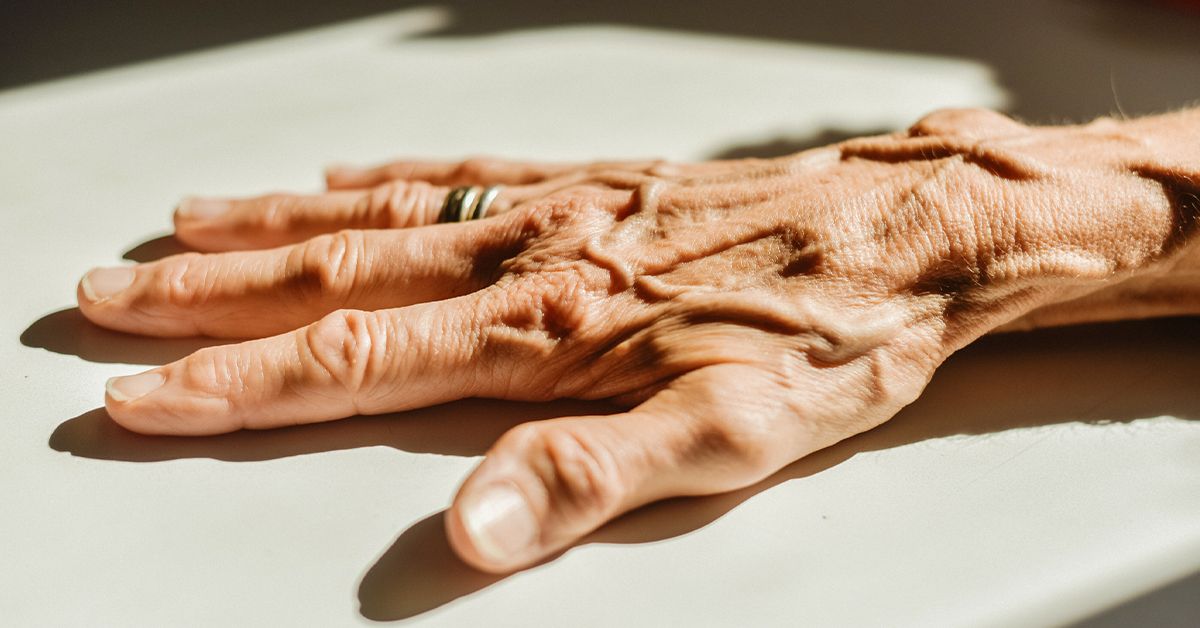
Many arteries run deeper in the body, protected by muscle and tissue. Some are close enough to the surface that you can feel a pulse, such as at the wrist or neck. Veins are often closer to the skin, which is why you may see bluish or greenish lines on your hands or arms. They are not actually blue inside; the color you see is affected by light, skin, tissue, and how your eyes interpret reflected wavelengths. In other words, your veins are not trying to become tiny mood rings.
Where Do Capillaries Fit In?
Capillaries are the tiny blood vessels that connect the arterial and venous sides of circulation. They are incredibly small, with very thin walls that allow oxygen, nutrients, carbon dioxide, and waste products to move between blood and tissues. If arteries are delivery trucks and veins are return routes, capillaries are the front-door handoff where the actual exchange happens.
Blood travels from the heart into arteries, then into arterioles, then into capillaries. After exchange occurs, blood moves into venules, then veins, and finally back to the heart. This smooth sequence keeps cells supplied and waste removed. Without capillaries, arteries and veins would be like two highways with no exitstechnically impressive, practically useless.
Why Artery Problems and Vein Problems Feel Different
Artery conditions often involve reduced blood supply. If an artery becomes narrowed or blocked, tissues beyond that blockage may not get enough oxygen-rich blood. In the heart, blocked coronary arteries can lead to chest pain or heart attack. In the brain, blocked or ruptured vessels can cause stroke. In the legs, peripheral artery disease may cause pain while walking, coldness, slow-healing wounds, or changes in skin color.
Vein problems usually involve poor return flow. Instead of blood failing to arrive, blood has trouble getting back. This can cause swelling, heaviness, bulging veins, aching, or skin changes. A blood clot in a deep vein, known as deep vein thrombosis, can be serious because part of the clot may travel to the lungs and cause a pulmonary embolism. That is one reason sudden leg swelling, pain, warmth, or shortness of breath should never be casually ignored.
Arteries and Veins in Medical Tests
Doctors and clinicians treat arteries and veins differently because they do different jobs. Blood pressure cuffs measure arterial pressure. A pulse check feels arterial blood moving with each heartbeat. Blood draws are usually taken from veins because veins are closer to the surface, lower pressure, and easier to access safely. IV lines also go into veins because they provide a direct return path toward the heart.
Arterial blood samples may be used in certain hospital settings to measure oxygen and carbon dioxide levels more precisely. These tests are different from routine venous blood draws and are usually performed when doctors need detailed information about breathing, oxygenation, or acid-base balance.
Common Examples: Arteries vs. Veins in Everyday Life
Example 1: Feeling Your Pulse
When you place two fingers on the inside of your wrist, you are feeling the radial artery. The pulse is the pressure wave created by your heartbeat. You are not feeling blood in a vein because veins do not pulse in the same way. This is why pulse checks are usually done at arteries.
Example 2: Getting Blood Drawn
When you get a routine blood test, the needle usually goes into a vein in your arm. Veins are easier to see and access, and the lower pressure makes them safer for routine collection. That is also why healthcare workers often apply a tourniquet before drawing bloodit helps veins fill and become more visible.
Example 3: Varicose Veins
Varicose veins are enlarged, twisted veins that commonly appear in the legs. They often develop when vein valves become weak, allowing blood to pool. This is a vein problem, not an artery problem. It may be more than cosmetic if it causes discomfort, swelling, skin changes, or ulcers.
Example 4: Peripheral Artery Disease
Peripheral artery disease is an artery problem. It often involves narrowed arteries in the legs, commonly related to plaque buildup. A person may feel leg pain during walking because muscles are not getting enough oxygen-rich blood. Rest may improve symptoms because the muscles need less oxygen when they are not working hard.
How to Support Healthy Arteries and Veins
Many healthy habits support both arteries and veins. Regular movement helps circulation, especially in the legs. Walking activates calf muscles that help push venous blood back toward the heart. A balanced eating pattern, healthy blood pressure, healthy cholesterol levels, and avoiding smoking are especially important for artery health. Staying hydrated, changing position during long sitting periods, and elevating the legs when appropriate may support venous comfort.
For arteries, the big goal is keeping blood flowing freely and reducing plaque buildup. For veins, the goal is helping blood return efficiently and reducing pooling. The same body owns both systems, so good cardiovascular habits usually help the whole network. Your blood vessels do not care whether you call it “wellness” or “finally using the gym membership.” They just appreciate the effort.
When to Seek Medical Advice
Because arteries and veins are essential to circulation, certain symptoms deserve medical attention. Chest pain, sudden weakness on one side of the body, trouble speaking, severe shortness of breath, sudden vision changes, or sudden severe leg pain can be urgent symptoms. Swelling in one leg, warmth, redness, tenderness, or unexplained shortness of breath may also require prompt evaluation because of the possibility of a blood clot.
Less urgent but still important symptoms include leg heaviness, visible bulging veins, slow-healing wounds, cold feet, pain while walking, or persistent swelling. These symptoms do not always mean something dangerous is happening, but they are worth discussing with a healthcare professional. Circulation issues are easier to manage when they are found early, before they start acting like a drama series with too many seasons.
Experience-Based Section: What People Often Notice About Arteries and Veins
Many people first learn the artery-versus-vein difference in a very practical setting: a clinic chair, one sleeve rolled up, trying not to stare at the needle. A routine blood draw is a perfect everyday example of vein function. The clinician usually looks for a vein near the inside of the elbow because it is close to the surface and easier to access. The experience also shows why veins can look more visible after a tourniquet is applied. The tourniquet slows the return of venous blood, causing the vein to fill slightly and become easier to find.
Another common experience is checking a pulse during exercise. After climbing stairs, jogging, dancing, or carrying groceries like a one-trip champion, your pulse becomes faster and stronger. That pulse comes from arteries responding to the heart’s increased pumping. Your body is sending more oxygen-rich blood to muscles that suddenly have opinions about your fitness level. This is arterial circulation in action: fast, forceful, and responsive.
People who stand for long periods may notice leg heaviness, ankle swelling, or visible veins by the end of the day. Teachers, nurses, retail workers, cooks, and anyone whose job involves hours on their feet may recognize this feeling. That experience is usually related to venous return. Blood in the leg veins must travel upward against gravity, and the calf muscles and vein valves help make that possible. When someone stands still for a long time, the calf pump is not working as actively, so blood may pool more easily.
Long travel offers another useful example. During a long flight or car ride, sitting still for hours can slow blood movement in the legs. That is why people are often encouraged to move their feet, flex their ankles, stand when possible, and walk during breaks. These small movements activate the muscles that help veins push blood upward. It is not glamorous, but ankle circles at 30,000 feet are basically a tiny circulation workout.
People also notice the artery-vein difference when discussing blood pressure. A blood pressure reading reflects pressure in the arteries, not the veins. When a healthcare professional says blood pressure is high, they are concerned about the force pushing against artery walls. Over time, high blood pressure can stress arteries and contribute to cardiovascular problems. Veins are part of circulation too, but they are not measured the same way because they work under much lower pressure.
Another real-world moment comes from seeing varicose veins. A person may notice twisted, raised veins in the legs and assume all blood vessel problems are the same. But varicose veins are usually a venous issue involving valve function and blood pooling. They are different from artery blockages, which involve reduced blood delivery. This distinction matters because treatments, risks, and warning signs are not identical.
Finally, exercise can highlight how beautifully arteries and veins cooperate. During a brisk walk, arteries deliver oxygen-rich blood to the leg muscles, capillaries exchange oxygen and waste products, and veins return oxygen-poor blood back toward the heart. The system repeats this cycle continuously. You do not have to think about it, schedule it, or send it a calendar invite. Your cardiovascular system simply gets the job done, every minute of every day.
Conclusion
Arteries and veins are both blood vessels, but they are designed for different missions. Arteries carry blood away from the heart, usually oxygen-rich blood under higher pressure. Veins carry blood back to the heart, usually oxygen-poor blood under lower pressure, often with the help of one-way valves. Capillaries connect the two systems and allow oxygen, nutrients, and waste products to move between blood and tissues.
Understanding the difference between arteries and veins makes everyday health information easier to understand. It explains why pulses are felt in arteries, why blood draws usually use veins, why high blood pressure affects artery walls, and why varicose veins involve valve problems. The body’s circulation system may be complex, but the basic idea is beautifully simple: arteries deliver, veins return, and capillaries handle the handoff. Teamwork, but make it biological.