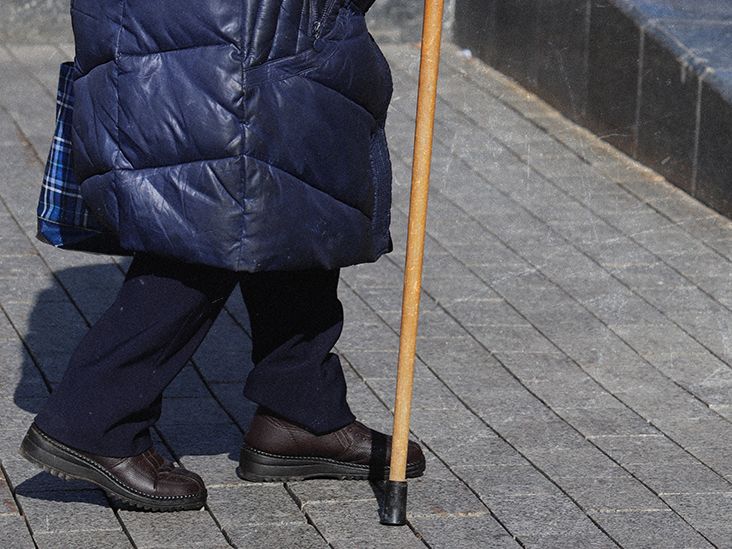
Foot drop sounds like something your shoe might do after a long day, but it is actually a walking problem that can make every step feel like a tiny obstacle course. Instead of lifting smoothly, the front of the foot drags, slaps the floor, or refuses to cooperate like a stubborn shopping cart wheel. The result can be tripping, awkward walking, fatigue, and understandable frustration.
The important thing to know is this: foot drop is not usually a disease by itself. It is a sign that something is affecting the nerves, muscles, brain, spine, or anatomy involved in lifting the front part of the foot. Sometimes it is temporary. Sometimes it lasts longer. Either way, identifying the cause matters because treatment depends on what is actually behind the problem.
This guide explains what foot drop is, common causes, symptoms, diagnosis, treatment options, recovery expectations, prevention tips, and real-life experiences that can help patients and caregivers understand the road ahead.
What Is Foot Drop?
Foot drop, also called drop foot, is difficulty lifting the front part of the foot upward toward the shin. That movement is called dorsiflexion. When dorsiflexion becomes weak or impossible, the toes may drag on the ground during walking.
To keep from tripping, many people with foot drop lift the knee higher than usual. This is called a steppage gait. It can look like someone is climbing an invisible staircase with every step. In some cases, the foot may slap down when it hits the floor because the muscles cannot control the motion smoothly.
Foot drop may affect one foot or both feet. One-sided foot drop often points to a localized nerve issue, such as peroneal nerve compression or a pinched nerve in the lower back. Foot drop in both feet may suggest a broader nerve, muscle, or neurological condition.
Why Foot Drop Happens
Lifting the foot requires a well-coordinated team. The brain sends a signal through the spinal cord and nerves. The nerves activate muscles in the front and outside of the lower leg. Those muscles pull the foot and toes upward. If any part of this chain breaks down, foot drop may appear.
1. Peroneal Nerve Injury
The peroneal nerve is one of the most common troublemakers behind foot drop. This nerve travels around the outside of the knee near the fibula, where it sits close to the surface. Because it is in a vulnerable location, it can be compressed or injured more easily than nerves tucked deeper inside the body.
Peroneal nerve problems may happen after a knee injury, leg fracture, prolonged pressure on the outside of the knee, tight casts, certain surgeries, or repeated leg crossing. Even dramatic weight loss can sometimes reduce the protective padding around the nerve, making it more prone to compression. The nerve is tiny, but when irritated, it knows how to make a big announcement.
2. Lumbar Radiculopathy
Foot drop can also begin in the lower back. A herniated disc, spinal stenosis, bone spur, or other spine condition may compress a nerve root that helps control foot lifting. This is often called lumbar radiculopathy.
When the lower back is involved, foot drop may come with back pain, shooting leg pain, numbness, tingling, or weakness that travels down the leg. Not everyone has severe pain, though. Some people notice weakness first and pain later, while others mainly notice that their foot is dragging.
3. Stroke and Brain Conditions
Because walking starts with signals from the brain, conditions that affect the brain can also cause foot drop. Stroke, traumatic brain injury, cerebral palsy, and certain neurological disorders may interfere with communication between the brain and the muscles that lift the foot.
In these cases, foot drop may appear with other symptoms such as weakness on one side of the body, balance problems, stiffness, coordination changes, or speech and vision symptoms. Sudden weakness, facial drooping, trouble speaking, or sudden confusion should be treated as a medical emergency.
4. Peripheral Neuropathy
Peripheral neuropathy means damage to nerves outside the brain and spinal cord. Diabetes is a common cause, but neuropathy may also be linked to vitamin deficiencies, alcohol use disorder, autoimmune conditions, infections, toxins, chemotherapy, kidney disease, or inherited nerve disorders.
When neuropathy affects the nerves that control the ankle and foot, foot drop may develop gradually. People may also notice burning, numbness, pins and needles, reduced sensation, or balance trouble, especially in the dark or on uneven ground.
5. Muscle Disorders
Muscle conditions can weaken the muscles that lift the foot. Muscular dystrophy, inflammatory muscle disease, motor neuron disease, and other neuromuscular disorders may be involved. These causes are less common than nerve compression, but they are important to consider when weakness is widespread, progressive, or affects both legs.
6. Injury, Surgery, or Trauma
Foot drop may follow direct trauma to the leg, ankle, knee, hip, or spine. It can also occur after certain surgeries, especially if nerves are stretched, compressed, or injured. Hip replacement, knee replacement, knee dislocation, or operations near the fibular head may occasionally be associated with foot drop.
Common Symptoms of Foot Drop
The main symptom is trouble lifting the front part of the foot. But foot drop usually brings a few companions to the party, and none of them brought snacks.
Walking Changes
People with foot drop often drag their toes, catch the front of the shoe on the floor, or lift the thigh higher than normal to clear the foot. This high-stepping pattern can become tiring because the hip and knee are doing extra work.
Foot Slapping
Some people hear or feel the foot slap against the ground. This happens when the muscles cannot lower the foot in a controlled way after the heel strikes the floor.
Numbness or Tingling
Depending on the cause, numbness may occur on the top of the foot, between the first and second toes, along the outer lower leg, or down the shin. Tingling, burning, or pins and needles may also occur.
Weakness
The ankle may feel unstable. The toes may be hard to lift. Some people notice they cannot walk on their heels. Others realize something is wrong when they trip over rugs, thresholds, sidewalks, or their own toes.
Balance Problems
Foot drop increases the risk of falls. Uneven surfaces, stairs, dim lighting, and crowded spaces can become more challenging. A hallway rug that once looked decorative may suddenly look like a villain with fringe.
When to Seek Medical Care
New foot drop should be evaluated by a healthcare professional. It may be caused by something treatable, and early diagnosis can protect mobility.
Seek urgent medical care if foot drop appears suddenly, especially with facial drooping, arm weakness, trouble speaking, confusion, severe headache, sudden vision changes, or loss of balance. These may be signs of a stroke.
Also seek urgent evaluation if foot drop comes with severe back pain, loss of bladder or bowel control, numbness in the groin or saddle area, fever, unexplained weight loss, recent major injury, or rapidly worsening weakness.
How Doctors Diagnose Foot Drop
Diagnosis usually begins with a physical exam. A clinician may ask when symptoms started, whether there was an injury, whether pain begins in the back, and whether numbness follows a specific pattern. They may test strength, reflexes, sensation, walking pattern, and the ability to lift the foot and toes.
Imaging Tests
MRI, CT scans, ultrasound, or X-rays may be used depending on the suspected cause. Imaging can help find disc herniation, spinal stenosis, tumors, cysts, fractures, or structural problems that may compress a nerve.
Nerve and Muscle Tests
Electromyography and nerve conduction studies are often used to evaluate how well nerves and muscles are working. These tests can help locate the problem and estimate severity. In plain English, they help determine whether the electrical wiring is sending the right messages or quietly filing a complaint.
Blood Tests
Blood work may be ordered when doctors suspect diabetes, vitamin deficiency, thyroid disease, inflammation, infection, autoimmune disease, or another systemic cause.
Treatment Options for Foot Drop
Foot drop treatment depends on the cause, severity, and duration of symptoms. The goal is to improve safety, prevent falls, restore function when possible, and treat the underlying problem.
Ankle-Foot Orthosis
An ankle-foot orthosis, often called an AFO, is a brace that supports the ankle and holds the foot in a better position for walking. It can prevent toe dragging and reduce tripping. Some AFOs are rigid, while others are lighter and more flexible.
An AFO does not cure the underlying cause, but it can be a practical mobility tool. For many people, it is the difference between walking carefully and walking confidently.
Physical Therapy
Physical therapy may include strengthening exercises, stretching, balance training, gait training, and fall-prevention strategies. Therapists may work on ankle dorsiflexors, hip strength, knee control, flexibility, and safe walking mechanics.
Therapy may also help prevent stiffness and contractures. If the ankle stays pointed downward for too long, the calf and Achilles tendon can tighten, making walking even harder.
Functional Electrical Stimulation
Functional electrical stimulation, or FES, uses small electrical impulses to activate muscles or nerves during walking. In selected people, especially after stroke or with multiple sclerosis, FES may help lift the foot during the swing phase of gait.
FES is not right for everyone. It depends on the cause of foot drop, nerve function, skin tolerance, cost, access, and personal goals. But for the right candidate, it can feel like giving the foot a well-timed reminder: “Up now, please.”
Treating the Underlying Cause
If foot drop is caused by a compressed nerve, treatment may focus on relieving pressure. This may involve changing habits, adjusting braces or casts, treating inflammation, managing back problems, or addressing masses such as cysts.
If diabetes or another metabolic condition is involved, controlling the underlying disease becomes part of protecting nerve health. If a vitamin deficiency is found, supplementation may help. If a spine condition is causing nerve compression, nonsurgical or surgical spine care may be considered.
Surgery
Surgery may be considered when foot drop is caused by nerve compression, traumatic nerve injury, tendon imbalance, or long-standing weakness that does not improve with conservative care. Options may include nerve decompression, nerve repair, nerve grafting, tendon transfer, or procedures that stabilize the ankle.
Tendon transfer surgery may move a functioning tendon to help lift the foot. This is usually considered when nerve recovery is unlikely or symptoms have been present for a long time.
Can Foot Drop Be Reversed?
Sometimes, yes. Recovery depends on the cause and how severe the nerve or muscle injury is. Mild compression may improve over weeks or months once pressure is relieved. Foot drop caused by temporary inflammation may also improve with treatment and rehabilitation.
However, severe nerve injury, long-standing compression, progressive neurological disease, or major muscle damage may lead to persistent foot drop. Even when full recovery is not possible, many people improve their walking safety and independence with braces, therapy, assistive devices, and home modifications.
Living With Foot Drop
Living with foot drop means thinking about safety without letting fear take over the entire room. Small changes can make a big difference.
Make the Home Easier to Navigate
Remove loose rugs, cords, clutter, and low furniture that can catch the toes. Improve lighting in hallways and staircases. Add handrails where needed. Keep frequently used items within easy reach.
Choose Supportive Footwear
Shoes should fit well, support the heel, and work with any brace or orthotic. Backless slippers, loose sandals, and floppy shoes may increase tripping risk. Fashion is fun, but gravity has no respect for cute footwear.
Use Assistive Devices When Needed
A cane, walker, trekking pole, or brace may help with stability. Using a device is not a defeat. It is a strategy. Nobody calls eyeglasses a failure of eyesight; they call them useful.
Stay Active Safely
Movement supports strength, circulation, joint flexibility, and confidence. A physical therapist can recommend safe exercises and activities based on the cause of foot drop.
Prevention Tips
Not every case of foot drop can be prevented, but some risk factors can be reduced. Avoid prolonged pressure on the outside of the knee. Be cautious with repeated leg crossing. Manage diabetes and other chronic conditions. Report numbness or weakness early after surgery, injury, or casting. Use protective equipment during sports or work when appropriate.
For people with back problems, good lifting habits, core strength, regular movement, and early care for worsening nerve symptoms may reduce complications. For people with neuropathy, foot checks, proper footwear, and fall-prevention planning are especially important.
Experiences and Practical Lessons From Foot Drop
Foot drop is not only a medical condition; it is also a daily experience. People often describe the first signs as strange rather than dramatic. One person may notice that a shoe keeps scraping the sidewalk. Another may trip on the edge of a carpet and blame the carpet, then blame the shoe, then eventually realize the foot is not lifting like it used to. The body is sometimes subtle before it becomes obvious.
A common experience is the sudden loss of trust in walking. Activities that once felt automatic, such as stepping off a curb or walking through a parking lot, may require planning. People may start watching the ground more closely. They may avoid crowds because one unexpected bump can throw off balance. Stairs may feel intimidating, especially going down. This mental load can be exhausting, even when the physical distance is short.
Another real-life challenge is explaining foot drop to others. Because the problem may not be visible when sitting, friends or coworkers may not understand why walking is difficult. A person may look “fine” at a restaurant table, then struggle while leaving. This can create embarrassment or pressure to move faster than is safe. Clear communication helps. Saying, “My foot does not lift well, so I need to take stairs slowly,” is practical, not dramatic.
Braces can also bring mixed feelings. An AFO may feel awkward at first. Shoes may need to be replaced. The brace may squeak, rub, or feel bulky. But many people later describe it as freeing because it reduces toe dragging and fear of falling. The adjustment period is real, and working with an orthotist or physical therapist can make the brace more comfortable and effective.
Physical therapy can be humbling. Exercises that look simple on paper may feel surprisingly difficult. Lifting the toes ten times may become a full workout. Balance drills can make grown adults feel like newborn deer on a polished floor. Still, progress often comes through repetition. Small gains, such as fewer trips, smoother steps, or better ankle control, can be meaningful victories.
Foot drop also teaches the value of patience. Nerve recovery can be slow. Unlike a phone charger, nerves do not reconnect instantly just because everyone involved is annoyed. Some people improve over weeks, while others need months or longer. Tracking changes can help: how far you can walk, how often you trip, whether numbness changes, and whether strength improves.
Caregivers have their own learning curve. The best support is usually practical and respectful: clearing walkways, offering an arm on uneven ground, encouraging therapy, and avoiding the urge to rush. People with foot drop often want independence, not a personal helicopter hovering over every step.
Emotionally, foot drop can be frustrating, especially for active people. It may interrupt exercise routines, travel plans, work tasks, or hobbies. But many people adapt well with the right combination of diagnosis, treatment, tools, and support. The goal is not simply to walk “normally.” The goal is to walk safely, confidently, and with as much freedom as possible.
The biggest lesson is simple: do not ignore new foot weakness. Early evaluation can uncover treatable causes and prevent avoidable falls. Foot drop may begin at the foot, but the answer may be in the nerve, spine, brain, muscle, or overall health. Finding that answer is the first step toward better movement.
Conclusion
Foot drop is a symptom that makes it hard to lift the front part of the foot, often causing toe dragging, foot slapping, tripping, or a high-stepping gait. Common causes include peroneal nerve injury, lumbar radiculopathy, stroke, peripheral neuropathy, muscle disorders, and trauma. Diagnosis may involve a physical exam, imaging, nerve tests, muscle tests, and blood work.
Treatment depends on the cause. Options may include an ankle-foot orthosis, physical therapy, functional electrical stimulation, treatment of underlying conditions, or surgery in selected cases. Recovery varies widely, but many people can improve safety, mobility, and quality of life with the right care plan.
If foot drop appears suddenly or comes with serious symptoms such as facial drooping, speech trouble, severe back pain, or bladder and bowel changes, urgent medical evaluation is important. When the foot starts dragging, do not simply tell it to behave. Find out why it is dragging in the first place.