Note: Product details, designer background, materials, sizing, color options, and availability context are based on verified product descriptions, designer references, museum-store listings, design publications, and current Areaware brand updates. Prices and stock may change over time.
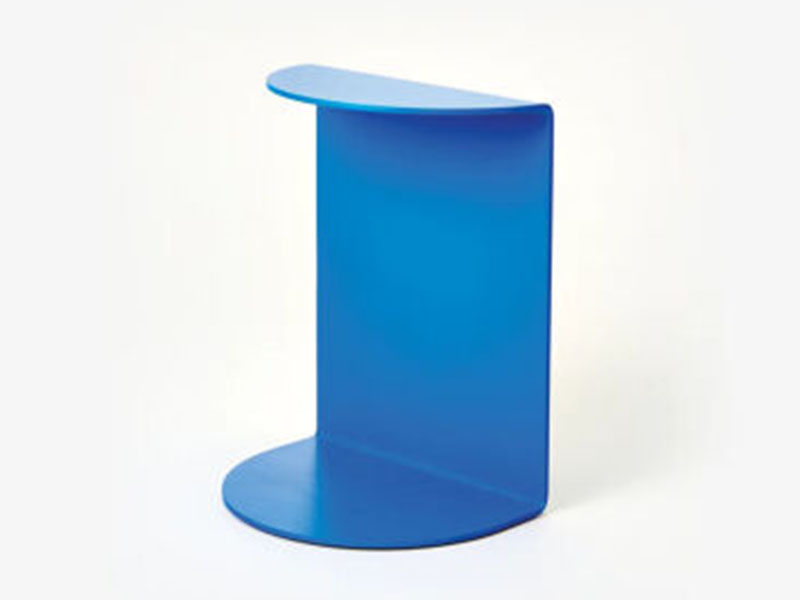
The Areaware Reference Bookend is the kind of object that proves a small desk accessory can have main-character energy. At first glance, it looks simple: a sturdy metal bookend with a clean silhouette, a rounded top, and a splash of color if you choose one of the brighter finishes. But give it a row of heavy art books, oversized cookbooks, or vinyl records, and suddenly it becomes less “cute shelf thing” and more “quiet engineering hero.” No cape. Just powder-coated metal and excellent posture.
Designed by New York-based industrial designer Henry Julier for Areaware, the Reference Bookend was created to solve a real problem: ordinary lightweight bookends often bend, slide, tip, or require books to press down on them just to stay useful. That is fine for a few paperbacks, but not so fine when your shelf contains a 600-page design monograph, a stack of coffee-table books, or records that deserve better than leaning like they are waiting for a bus.
This article takes a closer look at what makes the Areaware Reference Bookend special, how it fits into modern home decor, why its shape matters, and whether it is worth considering for your bookshelf, office, studio, reading nook, or vinyl corner.
What Is the Areaware Reference Bookend?
The Areaware Reference Bookend is a modern metal bookend made to support heavy books and upright collections. It is typically described as being made from powder-coated iron or powder-coated metal with a rubber grip. That rubber element helps keep the bookend in place while protecting the surface underneath. In plain English: it is built to hold things up without scratching your shelf like a tiny bulldozer.
The product has been listed in dimensions around 5 inches wide, 6.5 inches deep, and 8.5 inches high, with slight variations depending on retailer measurements. It is sold individually, which makes it easy to buy one for the end of a shelf, two for a symmetrical setup, or several in mixed colors if your bookshelf prefers a little personality with its structural support.
Available colors have included black, blue, red, and yellow. The black version feels architectural and restrained; the primary colors bring a cheerful design-store vibe that says, “Yes, I alphabetize my books, but I also know how to have fun.”
Who Designed the Reference Bookend?
The Reference Bookend was designed by Henry Julier, an industrial designer based in New York. Julier’s work often focuses on practical objects that balance everyday usefulness with careful form. His design approach is rooted in problem-solving, production reality, and the relationship between people and the objects they use.
That background matters because the Reference Bookend is not simply decorative. It is not a novelty object shaped like a cat, a mountain, or a tiny philosopher holding up your novels through emotional labor. Instead, it is a functional product that looks at a common failure in everyday storage and improves it through material, shape, weight, and usability.
Design Milk previously described the Reference concept as a response to the limitations of lighter sheet-steel bookends, especially when used with heavier books or vinyl records. The idea was to create a stiff, strong bookend that would not depend entirely on the downward pressure of books to work. That is a subtle difference, but on a real shelf it is the difference between “clean display” and “book avalanche during breakfast.”
Design Details That Make It Work
The Long Bottom Flange
One of the most important features of the Areaware Reference Bookend is its long bottom flange. This part extends under the books, giving the bookend more stability. Traditional thin bookends often slide or tip because their base is too small, especially when the weight distribution changes. The longer base helps prevent tipping and creates a stronger foundation.
This is especially useful for oversized books, art catalogs, photography books, textbooks, and vinyl records. These items are heavier and taller than standard paperbacks, so they put more pressure on the support object. The Reference Bookend is designed for exactly that kind of demanding shelf life.
The Rounded Top Handle
The rounded top flange is not just there to look friendly, although it does have a pleasing “industrial smile” quality. It also acts as a handle, making the bookend easier to grab, move, and reposition. Anyone who has tried to adjust a thin bookend trapped under fifteen books knows the struggle. It usually involves awkward finger angles, mild regret, and possibly whispering “why are books so heavy?” into the void.
With the Reference Bookend, the upper curve gives your hand something substantial to hold. That small usability detail is a major reason the design feels more thoughtful than a standard office-supply bookend.
Powder-Coated Metal Construction
The powder-coated finish gives the bookend a smooth, durable surface and a refined appearance. Powder coating is commonly used on metal products because it can create a tough, consistent finish while allowing for strong color expression. In the Reference Bookend, it supports both function and style: the product feels sturdy, but it does not look like something borrowed from a warehouse loading dock.
Rubber Grip for Surface Protection
A rubber grip helps the bookend stay put and reduces the chance of scratching shelves, desks, mantels, or media consoles. This is particularly important if you are using it on wood, lacquered surfaces, or painted shelving. The grip also helps the product feel more stable during daily use.
Why the Areaware Reference Bookend Is Popular With Design Lovers
Areaware built a reputation around “friendly objects” created by independent designers. Its catalog often included pieces that were playful, clever, accessible, and useful. The Reference Bookend fits that identity perfectly. It does not scream for attention, but it rewards attention. The more you look at it, the more you notice that its proportions are doing real work.
It also sits in a sweet spot between modern bookends and designer home accessories. Many bookends are either purely decorative or purely utilitarian. Decorative ones may look great but fail under pressure. Utilitarian ones may work but look like they escaped from an office supply closet in 1998. The Reference Bookend manages to be practical enough for serious storage and attractive enough to leave in full view.
That makes it suitable for homes where storage is part of the decor. A bookshelf is no longer just a place to hide books; it is often a visual feature in living rooms, bedrooms, studios, and workspaces. People style shelves with books, ceramics, framed art, plants, candles, collectibles, and personal objects. A bookend that looks intentional can help the whole shelf feel more curated.
Best Uses for the Areaware Reference Bookend
For Oversized Books
The Reference Bookend is an excellent match for oversized books. Think architecture books, photography collections, museum catalogs, design monographs, atlases, and ambitious cookbooks that weigh as much as a small houseplant. These books often need more support than a standard bookend can provide.
Because the Reference Bookend has a deeper base and substantial metal body, it can help keep large-format books upright and organized. It is especially helpful on open shelving where books are not packed tightly from end to end.
For Vinyl Records
Vinyl records should be stored upright rather than stacked flat for long periods. The Reference Bookend works well as a divider or support piece for a modest record collection, especially on a shelf or media console. Its height and sturdy base help keep records from leaning too aggressively, which can be useful for both access and presentation.
For collectors, the product offers a nice visual pairing: analog music meets industrial design. It looks right next to album spines, turntables, speakers, and those mysterious cables we all pretend are organized.
For Home Offices
In a home office, the Areaware Reference Bookend can support notebooks, reference manuals, binders, planners, and daily-read books. It is more polished than a basic metal file holder and more flexible than built-in storage. If your desk has a shelf above it, one bookend can create a clean “active library” zone for the materials you use most often.
For Kids’ Rooms and Creative Spaces
The colored versions can work well in playful interiors, including children’s rooms, art corners, and creative studios. The simple form keeps it from becoming visually noisy, while the bold color adds energy. It is the kind of object that can make a shelf feel organized without draining all the fun out of the room.
How to Style the Areaware Reference Bookend
The easiest way to style the Reference Bookend is to let it be seen. Do not hide it under a tightly packed row of books unless you need maximum support. Its rounded top and color options are part of the appeal, so give it a little breathing room.
For a minimalist shelf, choose black and pair it with neutral book spines, natural wood, or matte white shelving. The result feels clean, architectural, and calm. For a bolder shelf, choose red, yellow, or blue and repeat that color elsewhere in the room through artwork, a lamp, a throw pillow, or a small decorative object. This makes the bookend feel like part of a design plan rather than a random colorful rectangle that wandered in from another apartment.
You can also mix colors intentionally. A blue bookend on one shelf and a yellow one on another creates a subtle rhythm. A red bookend beside black-and-white art books adds a graphic pop. If your room already has a lot going on, one strong color may be enough. If your room is quiet and neutral, a set of colorful bookends can act like punctuation marks.
Areaware’s Brand Context and Current Availability
Areaware has gone through a major transition. After more than two decades of producing design-forward objects, the brand announced that it had closed its doors. A later update shared that Piecework acquired Areaware and would carry the brand forward, with select products expected to return over time. That context matters for shoppers because availability may vary by retailer, color, and remaining inventory.
Depending on when and where you shop, the Reference Bookend may appear through museum shops, design stores, specialty retailers, or resale channels. Prices have been listed around the $50 to $60 range in several U.S. museum and design-store listings, though pricing can shift based on stock, color, retailer, and region.
If you find one in a color you love, it may be wise to check the product details carefully before purchasing. Confirm whether the listing is for one bookend or a pair, because the Reference Bookend is commonly sold individually. Also check dimensions, shipping terms, and return policies, especially if you are trying to match existing pieces.
Pros and Cons
Pros
The biggest advantage of the Areaware Reference Bookend is its combination of strength and style. It is made for heavier collections, works with oversized books and records, and has a design that looks intentional rather than purely utilitarian. The rubber grip is a practical touch, and the top handle makes it easier to move than many flat sheet-metal bookends.
It also offers color flexibility. You can go understated with black or brighten a shelf with red, blue, or yellow. For design lovers, the Henry Julier connection adds another layer of appeal because the object reflects a thoughtful industrial design process.
Cons
The main downside is that it is sold individually, so a pair or multi-shelf setup can become more expensive than basic bookends. It may also be more than you need if your shelf only holds lightweight paperbacks. And because Areaware has gone through a brand transition, availability may be inconsistent.
Another consideration is style. The Reference Bookend has a modern, slightly industrial look. That is a benefit in contemporary spaces, studios, and design-forward homes, but it may not suit very ornate, traditional, or rustic interiors unless used as a deliberate contrast.
Who Should Buy the Areaware Reference Bookend?
The Areaware Reference Bookend is ideal for people who want their storage tools to look as considered as the items they hold. It is a smart choice for readers with heavy books, designers with reference libraries, vinyl collectors with a carefully edited selection, and anyone who appreciates useful objects that do not look boring.
It is also a good gift for architects, writers, artists, music lovers, students, teachers, or the person in your life who says, “I do not need anything,” while clearly needing a better way to keep their books from slowly collapsing into a dramatic paper landslide.
Experience Notes: Living With the Areaware Reference Bookend
Using the Areaware Reference Bookend is different from using a lightweight bookend because it feels less temporary. A thin bookend often disappears under the books and only gets attention when it fails. The Reference Bookend behaves more like a small piece of furniture. You place it, adjust it, and it becomes part of the shelf’s visual architecture.
In a real home setup, its best quality is confidence. When placed at the end of a row of large design books, it gives the shelf a clean stopping point. The books stand straighter, the shelf looks more intentional, and the whole arrangement feels less like “I ran out of space” and more like “I meant to do this.” That is the magic of good functional design: it quietly upgrades the behavior of everything around it.
The top handle is especially useful during rearranging. If you enjoy restyling shelves seasonally or moving books between rooms, you will appreciate not having to dig under heavy volumes to shift the support. Grab the rounded top, slide the bookend out, move the books, and reset the arrangement. It is a small convenience, but small conveniences are the difference between maintaining an organized shelf and letting chaos become a lifestyle brand.
The color versions can also change the mood of a space. A yellow Reference Bookend on a white shelf feels cheerful and graphic, especially beside children’s books, art books, or colorful spines. A red one can create a bold accent near black speakers, records, or framed prints. A blue one feels slightly softer and works well in creative studios or bedroom reading corners. Black is the safest and most versatile choice, especially for offices and minimalist interiors.
For vinyl storage, the Reference Bookend works best with a small to medium selection rather than a huge collection packed tightly into cubes. It helps keep records upright and accessible, and it looks more refined than a random divider. If you keep a “currently listening” stack near your turntable, one bookend can turn that stack into a neat, visible rotation. It is perfect for the records you actually play, not just the ones you own because someday you will become the kind of person who hosts jazz nights. We believe in you.
On a desk, the bookend can hold notebooks, sketchbooks, planners, and reference books without looking corporate. This makes it useful for hybrid workspaces where the desk is visible from the living room or bedroom. It brings order without making the space feel like a cubicle. Pair it with a good lamp, a ceramic pencil cup, and a small tray, and suddenly your desk looks like it has opinions about design.
The only experience-related caution is to measure your shelf before buying. The bookend has more depth than a very thin office bookend, and that is part of why it works. But on shallow ledges, small nightstands, or narrow floating shelves, you will want to confirm the fit. Also remember that one bookend supports one end of a row; if you want a freestanding group of books in the middle of a surface, you may need two.
Overall, living with the Areaware Reference Bookend feels like owning a tool that respects both your books and your room. It is not flashy in a gimmicky way. It is sturdy, smart, colorful when you want it to be, and practical enough to justify its presence. In a world full of decorative objects that mainly collect dust and whisper “why did you buy me,” this one earns its square inches.
Final Verdict
The Areaware Reference Bookend is a standout example of modern product design because it solves a familiar problem with clarity, strength, and charm. Henry Julier’s design improves on the ordinary bookend by adding weight, a longer base, a usable top handle, and a rubber grip. The result is a product that works hard without looking heavy-handed.
It is best for people who own oversized books, records, or visually important collections they want to display with care. It also suits anyone who believes organization should be useful, beautiful, and maybe just colorful enough to make a bookshelf smile.
If you want the cheapest bookend possible, this is probably not it. If you want a designer bookend that can hold its ground and look good doing it, the Areaware Reference Bookend deserves a place on your shelf.