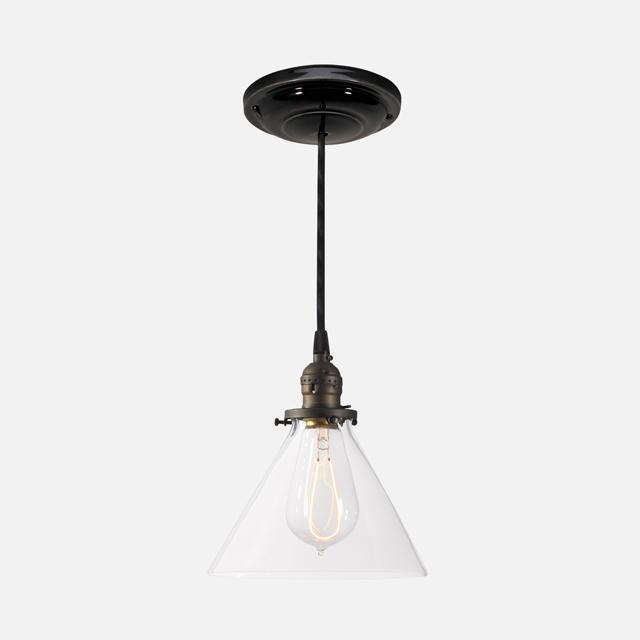
Lighting is the home’s mood ring. It can make a kitchen feel like a cheerful bakery, a hallway feel like a boutique hotel, or a living room feel like everyone suddenly became better at conversation. The latest lighting from Schoolhouse Electricnow commonly branded simply as Schoolhouseleans into that magic with fixtures that feel nostalgic without looking dusty, modern without becoming sterile, and playful without acting like a lamp just discovered jazz hands.
The appeal of Schoolhouse lighting has always been its balance: heritage shapes, sturdy materials, useful proportions, and enough personality to keep a room from feeling like a catalog forgot to exhale. The brand’s newer pieces continue that story through updated pendant lights, flush mounts, sconces, and lamps that mix warm finishes, frosted glass, industrial geometry, and color in a way that feels current but not disposable.
Why Schoolhouse Lighting Still Feels Fresh
Schoolhouse has built its reputation around “modern heirloom” design: pieces made to feel intentional, durable, and emotionally useful. That matters because lighting is not just décor. It is infrastructure with a face. You interact with it every morning, every evening, and every time you wander into the kitchen looking for “just one tiny snack” and somehow meet a full sandwich.
New Schoolhouse Electric lighting works because it understands three things at once: form, function, and atmosphere. A beautiful pendant must still provide useful light. A sconce should flatter the wall, not glare at your face like a tiny interrogation lamp. A table lamp should be easy to live with, not a museum object that requires a velvet rope and a nervous docent.
What’s New: Pendants, Flush Mounts, Lamps, and Sconces
The Alfred Pendant: Traditional Bones, Modern Manners
The Alfred Pendant is a strong example of the brand’s current direction. It reimagines the classic oil lantern as a streamlined pendant with stacked geometry, simple wire detailing, and an etched frosted glass shade. The result is warm, familiar, and quietly dramatic. It is the kind of fixture that can hang over a dining table, entryway, or kitchen island without yelling, “Behold, I am the main character!” even though, yes, it kind of is.
The practical details matter too. Adjustable length and dimming capability make the Alfred Pendant flexible for real homes, where ceilings, table heights, and human opinions vary wildly. Natural brass gives it a warmer, more traditional feel, while satin black pushes it toward a cleaner, graphic look. Either way, it fits the current demand for vintage-inspired lighting that still feels polished.
The Swell Flush Mount: Proof That Ceiling Lights Can Have Charisma
Flush mounts have a reputation problem. Too often, they are treated as the lighting equivalent of a beige filing cabinet: necessary, practical, and emotionally unavailable. The Swell 20-inch Flush Mount improves the situation with a frosted glass diffuser, perforated metal shade, and bolder frame. It is designed for hallways, entries, and rooms where ceiling height does not allow a pendant, but personality is still very much invited.
This is especially useful in older homes, apartments, and compact spaces where every inch matters. A good flush mount can add ambient lighting without interrupting sightlines. The Swell’s layered materials also help soften the light, which is crucial because harsh overhead lighting has ruined more dinners than overcooked chicken.
The Sidnie Table Lamp: A Mushroom Shape With Main-Character Energy
The Sidnie Table Lamp brings a softer, more playful note. With its mushroom-like silhouette, steel shade, dual porcelain sockets, rotary switch, and sturdy build, it sits comfortably on desks, nightstands, entry tables, and sideboards. It has the slightly retro confidence of something found in a very stylish aunt’s reading nookexcept newly made, nicely finished, and not discovered under a suspicious attic blanket.
Table lamps are essential for layered lighting because they bring illumination down to human scale. Overhead lights fill a room; lamps make people want to stay in it. A piece like Sidnie can add color, shape, and cozy light without requiring an electrician, which is wonderful news for renters and anyone who has ever looked at a breaker box and immediately decided to “research it later.”
Schoolhouse x Roll & Hill Bento: Color, Geometry, and Soft Glow
The Schoolhouse x Roll & Hill Bento collection adds a more design-forward mood. Inspired by Japanese bento boxes, practical minimalism, tubular modern furniture, and 1970s color, the Bento pieces combine painted aluminum, oak, chrome, and reeded glass. The Bento Floor Lamp, for example, uses a sleek frame and diffused glow to create a bold fixture that still feels controlled.
This collaboration is especially interesting because it shows how Schoolhouse Electric can stretch beyond pure vintage restoration. The collection still feels rooted in utility, but it also plays with color and modular shapes. In other words, it is not your grandmother’s schoolhouse lightunless your grandmother collected Donald Judd prints and had excellent taste in oak.
How to Use New Schoolhouse Electric Lighting Room by Room
Kitchen: Mix Pendants With Practical Task Light
In a kitchen, Schoolhouse pendants work beautifully over islands, breakfast tables, and sink zones. The trick is to avoid making one fixture do every job. A pendant can provide visual rhythm and general glow, but food prep still benefits from under-cabinet or directional task lighting. Think of it like cooking: the pendant is the charming host, while task lighting is the friend who actually chops the onions.
Choose warm white LED bulbs for comfort, but consider slightly brighter output where tasks happen. If your kitchen has brass hardware, a natural brass pendant can echo that warmth. If your cabinets are dark, a lighter shade or frosted glass diffuser can prevent the room from feeling too heavy.
Dining Room: Let the Fixture Anchor the Table
A dining room fixture should relate to the table first. The Alfred Pendant or a bold chandelier-style piece can visually center the room, especially when paired with a dimmer. Dimming is not a luxury here; it is survival. Nobody wants a romantic dinner under lighting bright enough to inspect dental work.
For rectangular tables, consider a longer linear fixture or two pendants spaced evenly. For round tables, a single pendant or chandelier often feels more natural. Keep the scale generous enough to feel intentional, but not so large that guests instinctively duck when passing the salad.
Living Room: Layer, Layer, Then Layer Again
The best living rooms rarely rely on one ceiling fixture. Use a Schoolhouse floor lamp near a reading chair, a table lamp on a side table, and sconces or picture lights if you want to highlight art or architectural details. This layered approach creates depth and gives you options: bright enough for board games, soft enough for movies, and flattering enough for video calls where you pretend the laundry pile is “textural décor.”
The Bento Floor Lamp is especially suited to a living room or office corner because it behaves as both sculpture and light source. Its diffused glow adds atmosphere, while the form provides a design moment even when switched off.
Bedroom: Go Softer, Warmer, and More Convenient
Bedrooms need gentle light that helps the room wind down. Bedside lamps, plug-in sconces, or compact wall lights can free up nightstand space and make reading easier. Warm color temperaturesoften around 2700Kare usually best for a restful mood. Cooler light can be useful for task-heavy areas, but in the bedroom it may feel like your alarm clock hired a motivational speaker.
If using sconces, place them where the light falls onto the book or bedside surface rather than directly into your eyes. Adjustable arms are helpful, but even fixed sconces can work well if installed at the right height and paired with the right shade.
Entryway and Hallway: Small Spaces, Big Payoff
Entryways and hallways are perfect for flush mounts and sconces. These areas often lack natural light, so a stylish fixture can instantly make the home feel more considered. The Swell Flush Mount is a natural candidate for a hallway or entry because it adds overhead light with more character than the usual builder-grade dome.
For narrow halls, sconces can add rhythm and warmth. Choose wet-rated or damp-rated options when appropriate for porches, bathrooms, or covered outdoor areas. Always check fixture ratings before installation, because electricity and wishful thinking are not a recommended design partnership.
Design Details That Make the Collection Work
Frosted and Reeded Glass
One reason Schoolhouse lighting feels easy to live with is its frequent use of frosted, opal, etched, or reeded glass. These materials diffuse the bulb, reduce glare, and create a softer glow. That is especially important with LED bulbs, which can be efficient but visually sharp if the fixture does not manage the light well.
Brass, Steel, Chrome, and Color
The newer Schoolhouse Electric lighting mix includes natural brass, satin black, painted steel, polished chrome, oak, and color-forward finishes such as olive, butterscotch, pool, persimmon, and lichen tones. These choices allow the fixtures to move between traditional, industrial, midcentury, and contemporary rooms without looking lost.
For an easy whole-home strategy, repeat one finish in each room but avoid matching every fixture exactly. A brass pendant, black sconce, and chrome lamp can coexist if their shapes share a similar simplicity. Matching everything too perfectly can make a home feel like a showroom where no one is allowed to eat crackers.
Dimmability and LED Compatibility
Many new fixtures are designed with LED bulbs and dimming in mind. That is important because modern lighting performance depends on the relationship between fixture, bulb, and dimmer. LEDs use far less energy than traditional incandescent bulbs and can last much longer, but the wrong dimmer can cause flicker, buzzing, or that dramatic haunted-house effect nobody ordered.
When buying Schoolhouse lighting, check the recommended bulb type, maximum wattage, socket type, location rating, and dimmer compatibility. A beautiful fixture deserves the right bulb. The wrong bulb can make even expensive lighting look like a gas station bathroom at midnight, and nobody deserves that.
How to Choose the Right Schoolhouse Fixture
Start With the Job
Before choosing a fixture, decide what the light needs to do. Ambient lighting fills the room. Task lighting helps you read, cook, work, or apply eyeliner without emotional consequences. Accent lighting highlights art, shelving, plants, stone, tile, or anything else you would like people to admire without announcing, “Please admire this.”
Most rooms need at least two lighting layers. Kitchens, living rooms, bathrooms, and offices often benefit from three. That means a pendant alone may not be enough, but it can be the visual anchor around which the rest of the lighting plan behaves itself.
Measure Before You Fall in Love
Lighting is one of those categories where scale can trick the eye online. Always check dimensions: overall height, shade diameter, canopy size, cord length, projection from the wall, and adjustable range. For pendants over tables or islands, consider both the fixture size and the clearance below it. For sconces, confirm depth so the light does not become a shoulder-checking hazard in a hallway.
Match the Mood, Not Just the Finish
A Schoolhouse fixture can be vintage, industrial, modern, colorful, or quietly classic depending on the finish and shade. Brass feels warmer and more traditional. Satin black feels architectural. Chrome feels crisp and slightly retro. Painted colors add charm and can connect lighting to cabinetry, tile, rugs, or artwork.
The best choice is not always the safest one. Sometimes a butterscotch sconce or persimmon lamp does more for a room than another predictable black fixture. Color, used well, is not chaos. It is seasoning.
Experiences and Practical Lessons From Living With Schoolhouse-Style Lighting
The first thing most people learn after upgrading lighting is that the fixture is only half the story. I once helped style a small dining area where the old ceiling light made every meal look like it was being served during a power outage in a hospital cafeteria. The table was nice, the chairs were nice, the art was niceand still the whole space felt flat. Swapping in a warm, vintage-inspired pendant changed the room immediately. Suddenly the wood grain looked richer, the wall color looked intentional, and dinner felt less like “we live here because the lease says so” and more like “welcome to our charming little restaurant that also has mail on the counter.”
That is the particular strength of Schoolhouse Electric lighting. It tends to make ordinary spaces feel designed without making them feel precious. A frosted glass shade can soften an entryway. A brass pendant can warm up white cabinets. A sculptural table lamp can rescue a forgotten corner from becoming the place where receipts go to retire. The fixtures have enough personality to matter, but they usually do not demand that the whole room dress around them.
Another lesson: dimmers are nonnegotiable. A dimmable pendant over a dining table is useful at breakfast, dinner, and late-night laptop sessions. A dimmable lamp in the living room makes the difference between “cozy evening” and “why does this feel like a dentist’s waiting room?” When choosing new lighting from Schoolhouse, I would rather spend carefully on one excellent fixture with proper dimming than scatter several mediocre fixtures around the house and hope they form a support group.
Color temperature also deserves attention. Warm white bulbs are usually more flattering in living rooms, dining rooms, and bedrooms. Cooler bulbs can help in offices, laundry rooms, and task zones, but mixing too many temperatures in one open space can make the room feel visually confused. Keep nearby fixtures in a similar color temperature so your home does not look like three different weather systems are happening indoors.
Installation planning matters as well. Before ordering a pendant, tape out the approximate diameter on the table or floor. Before choosing a sconce, mark its height with painter’s tape and stand where you normally walk or sit. Before buying a flush mount, check door swings, cabinet doors, and ceiling height. These tiny steps prevent expensive surprises, and they are much cheaper than discovering your dream fixture blocks a cabinet or bonks tall relatives during Thanksgiving.
The best experience with Schoolhouse-style lighting comes from treating fixtures as long-term companions. Choose shapes you will still like after the trend cycle has sprinted off to bother someone else. Pick finishes that relate to your hardware, furniture, and architecture, but do not be afraid of one playful piece. A room needs function, yesbut it also needs a little wink. Great lighting should help you see clearly, feel comfortable, and occasionally make you pause at the doorway and think, “Well, look at this place. We have taste now.”
Conclusion: New Schoolhouse Electric Lighting Is About Atmosphere That Lasts
Lighting: New From Schoolhouse Electric is not just about swapping an old fixture for a shinier one. It is about changing how a room behaves. The newer Schoolhouse collection blends classic silhouettes, warm materials, sculptural forms, and practical lighting details in a way that suits modern homes while honoring vintage design. From the Alfred Pendant to the Swell Flush Mount, from the Sidnie Table Lamp to the Bento collaboration with Roll & Hill, the brand continues to prove that lighting can be useful, beautiful, and just a tiny bit charmingly dramatic.
For homeowners, renters, designers, and enthusiastic online cart-fillers, the smartest approach is simple: choose the fixture for the room’s job, confirm the technical specs, use warm and efficient LED bulbs, and layer light sources whenever possible. Do that, and your home will not just look better. It will feel betterwhich is the whole point of good lighting in the first place.
Note: Product names, finishes, prices, and availability can change over time. Always confirm current specifications, location ratings, bulb requirements, and installation guidance before purchasing or installing any light fixture.