“`
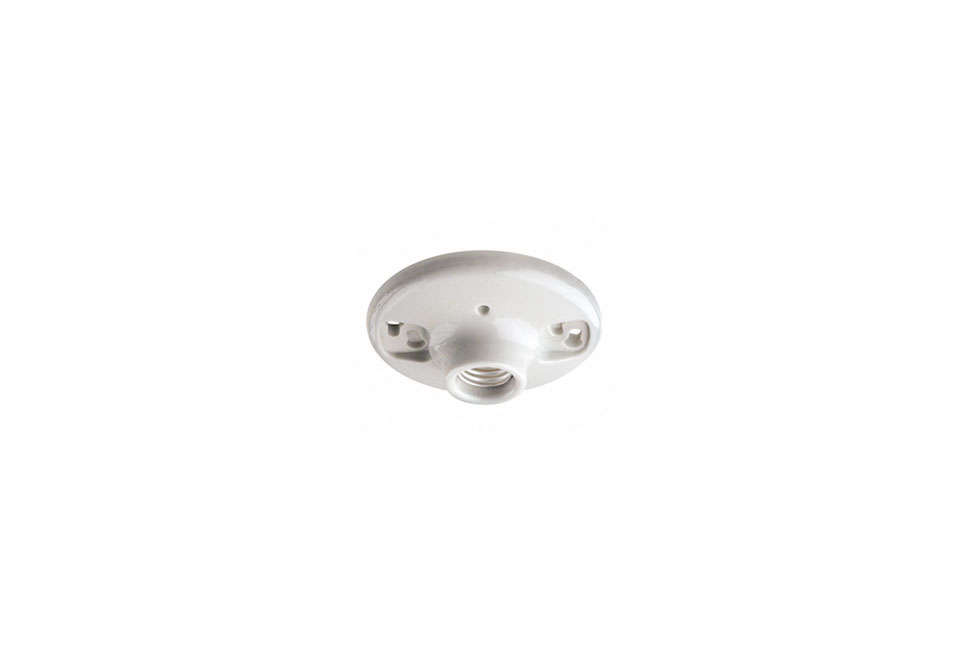
Some home improvement products arrive wearing a tuxedo. Others arrive in a small cardboard package, quietly ready to do the one job nobody notices until it stops working. The Leviton Porcelain Keyless Lampholder belongs firmly in the second group. It is not glamorous. It does not connect to Wi-Fi, analyze your sleep cycle, or ask you to download an app named something like “BulbPal Ultra.” It simply holds a light bulb, mounts to an outlet box, and provides dependable basic lighting in practical spaces.
That simplicity is exactly why this fixture remains popular in garages, basements, closets, workshops, attics, laundry rooms, storage areas, and utility spaces. When you need a basic ceiling light socket that feels sturdy, heat-resistant, and no-nonsense, a porcelain keyless lampholder makes sense. Leviton’s version is especially common because it combines a glazed porcelain body, a medium base socket, straightforward outlet-box mounting, and a keyless design meant to be controlled by a wall switch or another upstream control.
This article takes a deep look at what the Leviton Porcelain Keyless Lampholder is, where it works best, what features matter, how it compares with plastic lampholders, and what buyers should know before choosing one. Think of it as the humble ceiling socket finally getting its tiny moment under the spotlightliterally.
What Is a Leviton Porcelain Keyless Lampholder?
A keyless lampholder is a light bulb socket without a built-in pull chain, turn knob, or push switch. The word “keyless” sounds like something from a smart car commercial, but in lighting hardware it simply means the lampholder itself does not provide the on/off control. Instead, the light is controlled from a wall switch, timer, occupancy sensor, or another properly installed circuit control.
The Leviton Porcelain Keyless Lampholder is typically designed for a standard medium base bulb, also known as an E26-style bulb in the U.S. market. This is the familiar screw base used by many household bulbs. Depending on the exact model, Leviton offers versions such as outlet-box-mount porcelain lampholders with two terminal screws, four terminal screws, or pigtail leads. The widely referenced 49875 model is a one-piece glazed porcelain outlet box mount lampholder rated up to 660 watts and 250 volts, with a medium base and single-circuit design.
In normal home use, nobody is putting a 660-watt bulb in a closet unless they are trying to tan laundry. The higher rating is about electrical capacity and product design limits, not a recommendation to install the most powerful bulb you can find. For everyday use, most homeowners pair these lampholders with energy-efficient LED bulbs that match the fixture location, brightness needs, and bulb manufacturer’s instructions.
Why Porcelain Still Matters
Porcelain may sound old-fashioned, but in electrical fixtures it has real advantages. A glazed porcelain body is durable, rigid, and resistant to heat in a way that feels reassuring in utility lighting. Compared with lightweight plastic, porcelain has a more solid feel and is often preferred in unfinished spaces where a fixture may be exposed to dust, temperature swings, vibration, or the occasional bump from a storage bin named “Holiday Stuff 2009.”
Porcelain lampholders are common in practical spaces because they are built for function first. The surface is smooth and clean-looking, the white finish blends with most ceilings, and the one-piece body keeps the design simple. No decorative shade is required, though some models include a shade-holder groove for compatible shades. In most installations, however, the appeal is basic: screw in a bulb, flip the wall switch, and stop walking into the garage like a raccoon with car keys.
Key Features of the Leviton Porcelain Keyless Lampholder
Glazed Porcelain Body
The glazed porcelain body is the main reason people choose this style. It feels sturdy, resists heat well, and gives the fixture a clean utilitarian appearance. Porcelain is not indestructibledrop it on concrete and physics may still winbut once mounted properly, it is a reliable material for exposed ceiling lighting.
Medium Base Socket
The medium base socket is compatible with common household screw-in bulbs, including many incandescent, CFL, and LED options designed for standard medium base fixtures. For most modern households, LED bulbs are the practical choice because they use less energy, run cooler, and last longer than traditional incandescent bulbs.
Keyless Operation
Because the lampholder is keyless, it does not include a pull chain. That makes it a clean choice for rooms already controlled by a wall switch. It also avoids the classic utility-room drama of yanking a pull chain too hard and wondering whether you have just broken the fixture, the ceiling, or your relationship with home repair.
Outlet Box Mounting
Leviton porcelain keyless lampholders are commonly designed to mount to standard ceiling or outlet boxes. Some models fit 3-1/4-inch boxes, while others are designed for 3-1/4-inch or 4-inch outlet boxes. This detail matters because matching the lampholder to the box size helps ensure a secure, code-compliant installation.
Single-Circuit Design
The typical porcelain keyless lampholder is a single-circuit device. That means it is intended for a straightforward lighting circuit rather than multi-level switching or complex fixture control. For a basement storage room, garage corner, or attic access area, that is usually exactly what you want.
Best Places to Use a Leviton Porcelain Keyless Lampholder
This fixture is not trying to be a dining room chandelier. It knows its lane. The Leviton Porcelain Keyless Lampholder is best suited for practical areas where simple, bright, reliable lighting matters more than decorative flair.
Basements
Unfinished basements often need dependable overhead lighting. A porcelain lampholder can provide direct illumination for storage shelves, laundry zones, mechanical rooms, or workbench areas. It is especially useful where a decorative fixture would look strangely fancy, like wearing a bow tie to clean the furnace filter.
Garages
Garages are full of awkward lighting needs. You may need light near the electrical panel, above a tool bench, close to a storage rack, or near the door to the house. A keyless lampholder works well when controlled by a wall switch and paired with a bulb that provides enough brightness for the task.
Closets and Storage Areas
Porcelain lampholders are often used in closets and storage spaces, but fixture placement and bulb type must follow local electrical code requirements. Exposed bulbs in closets can be restricted depending on clearance, location, and fixture type. When in doubt, a licensed electrician should confirm whether a bare-bulb lampholder is appropriate for the space.
Attics and Utility Rooms
Attics and utility rooms rarely need mood lighting. They need clear, safe illumination so people can see framing, boxes, ducts, equipment, or the mysterious object that made a noise at 2 a.m. A porcelain keyless lampholder can be a practical choice in these areas when properly installed and protected from damage.
Leviton Porcelain vs. Plastic Lampholders
Plastic lampholders have their place. They are lightweight, affordable, and common in basic residential lighting. But porcelain has a stronger reputation in heat resistance and long-term ruggedness. For exposed utility areas, many buyers prefer porcelain because it simply feels more durable.
The choice often comes down to location. In a clean, finished space with low heat and low risk of bumps, plastic may be acceptable when properly rated. In a garage, basement, or utility room, porcelain can feel like the better long-term choice. It has that “I was built before everything needed a subscription” energy.
Still, material is not the only consideration. The correct rating, box compatibility, listing or certification, installation quality, bulb selection, and local electrical code all matter. A good porcelain lampholder installed poorly is not better than a plastic one installed correctly. Electrical products do not grade on personality.
Choosing the Right Bulb
Most homeowners today will pair a Leviton Porcelain Keyless Lampholder with an LED bulb. LEDs are efficient, widely available, and cooler-running than incandescent bulbs. For basements and garages, a daylight or bright white LED can improve visibility. For closets or utility spaces, a moderate-lumen bulb may be enough.
Always check the bulb packaging and fixture rating. The lampholder may have a high maximum wattage rating, but that does not mean every bulb shape, wattage, or application is appropriate. In enclosed or poorly ventilated spaces, bulb heat and clearance can still matter. For closets, code rules and manufacturer instructions are especially important.
Color temperature is also worth considering. A 2700K bulb gives a warmer, softer look. A 4000K or 5000K bulb feels brighter and more task-oriented. In a garage or workbench area, cooler white light can make it easier to see tools, labels, and tiny screws that insist on rolling under the nearest appliance.
Installation and Safety Considerations
The Leviton Porcelain Keyless Lampholder is a hardwired electrical device, not a plug-in lamp. That means installation should follow the manufacturer’s instructions, local electrical codes, and safe electrical practices. The official guidance emphasizes turning off power at the breaker or fuse and verifying power is off before wiring. It also notes that the product should be used with copper or copper-clad wire and installed according to applicable electrical codes.
For homeowners who are not experienced with electrical work, hiring a licensed electrician is the safest choice. This is especially true in older homes, unfinished basements, garages, or any place where wiring may have been altered by previous owners who believed electrical tape was a personality trait.
A proper installation is not just about making the bulb turn on. It is about correct polarity, secure mounting, compatible box size, appropriate wire type, grounding where required, and safe placement. If the fixture flickers, feels loose, smells hot, shows scorch marks, or trips a breaker, stop using it and call a professional.
Common Buyer Questions
Is the Leviton Porcelain Keyless Lampholder decorative?
Not really. It is functional, clean, and simple. It looks fine in utility spaces, but it is not meant to be the star of a designed room. It is more “reliable assistant manager” than “interior design influencer.”
Can it be used with LED bulbs?
Yes, many standard medium base LED bulbs can be used when they are compatible with the fixture and location. Always follow the bulb manufacturer’s instructions, especially regarding enclosed spaces, damp locations, dimmers, and temperature limits.
Does it include a switch?
No. “Keyless” means there is no built-in pull chain or switch on the lampholder itself. It is typically controlled by a wall switch or another properly installed control device.
Is porcelain better than plastic?
Porcelain is generally preferred for heat resistance and durability in exposed utility applications. Plastic may be suitable in certain basic installations, but porcelain is often chosen for garages, basements, attics, and work areas where ruggedness matters.
Can it be used outdoors?
Only use any lampholder in locations allowed by its rating and the applicable electrical code. A standard porcelain keyless lampholder is commonly used indoors in dry utility spaces. Outdoor or damp-location applications require fixtures specifically rated for those conditions.
Pros and Cons
Pros
The biggest advantages are simplicity, durability, affordability, and compatibility with common medium base bulbs. The glazed porcelain construction feels sturdy, the keyless design is clean, and the outlet-box mounting style suits many practical residential and light commercial applications. It is also widely available through home centers, electrical suppliers, hardware stores, and online retailers.
Cons
The main drawback is that it is not decorative. It also does not include a pull chain, so it requires a separate switch or control. Because it is hardwired, it is not a casual plug-and-play product. In some spaces, especially closets, local code may require a different fixture style or specific clearances.
Practical Buying Tips
Before buying, confirm the exact model number. Leviton makes multiple porcelain lampholders that look similar but differ in terminal style, mounting details, box compatibility, and dimensions. A model with four terminal screws may be different from a two-terminal-screw model. A 3-3/4-inch version may not match the same outlet boxes as a 4-1/2-inch version.
Next, check the outlet box size and installation location. If the existing box is damaged, loose, too small, or not designed for the application, the lampholder is not the only issue. The box itself may need attention. Also consider whether the location needs a guarded bulb, enclosed fixture, damp-rated fixture, or motion-controlled lighting instead.
Finally, choose the right bulb. For a basement, a bright LED with a wide beam angle may be ideal. For a closet, a lower-heat LED and proper code-compliant fixture placement are important. For a garage workbench, a high-lumen bulb may help, but glare can become annoying if the bulb is directly in your line of sight.
Experience Notes: Living With a Leviton Porcelain Keyless Lampholder
Using a Leviton Porcelain Keyless Lampholder in real life is refreshingly uneventful, which is exactly what you want from basic electrical hardware. The best home products are sometimes the ones you never think about again. A porcelain lampholder mounted in a basement stairwell, garage ceiling, or storage room does not ask for firmware updates. It does not blink an error code. It does not decide at midnight that it has lost connection to “the cloud.” It just holds a bulb and waits patiently for the switch.
One of the most noticeable experiences is the solid feel of porcelain. When compared with a thin plastic socket, the porcelain version feels more permanent. In an unfinished basement, that matters psychologically as much as practically. A garage ceiling is not a spa. It has dust, ladders, extension cords, paint cans, and boxes full of cables nobody can identify but everyone is afraid to throw away. In that environment, porcelain feels appropriate.
The keyless design is also cleaner than a pull-chain fixture when the room already has a wall switch. Pull chains are useful in some places, but they can become awkward when the fixture is high, behind shelving, or near stored items. A keyless lampholder avoids the dangling chain and keeps the ceiling looking tidy. It is not “designer lighting,” but it is visually quiet. Sometimes quiet is the design.
Another practical benefit is bulb flexibility. With a medium base socket, it is easy to choose an LED bulb that fits the job. In a storage room, a bright daylight bulb can make labels easier to read. In a laundry area, a softer white bulb may be less harsh. In a garage, a high-output LED can make a big difference when searching for a dropped washer, a bicycle pump needle, or the one screwdriver that somehow migrated to the opposite side of the house.
The main lesson from experience is that placement matters. A bare bulb directly overhead can create glare. In a work area, positioning the fixture so the bulb is not shining straight into your eyes makes the space more comfortable. In storage areas, make sure shelves, boxes, and seasonal decorations do not crowd the bulb. Lighting is simple until a cardboard box named “Halloween” gets cozy with a hot lamp.
Maintenance is minimal. Keep the bulb appropriate for the fixture, avoid over-tightening bulbs, and pay attention to warning signs such as flickering, discoloration, looseness, buzzing, or heat that seems unusual. Dust can collect around exposed fixtures, so occasional cleaning with power safely off helps keep the area looking better. The porcelain surface is easy to wipe compared with textured materials.
Overall, the Leviton Porcelain Keyless Lampholder is the kind of product that earns trust by being boring in the best possible way. It is not the feature you show off during a home tour, but it may be the reason you can find the breaker panel, fold laundry without guessing sock colors, or locate the holiday lights before the neighbors have already won December. For practical lighting, boring is not a flaw. Boring is dependable.
Conclusion
The Leviton Porcelain Keyless Lampholder is a simple, durable, and widely used lighting solution for practical spaces. Its glazed porcelain body, medium base socket, keyless design, and outlet-box mounting make it a smart fit for basements, garages, utility rooms, attics, storage spaces, and other areas where function matters more than decoration.
It is not fancy, and that is the point. This lampholder is for people who want reliable light without turning a utility room into a lighting showroom. Choose the correct model, use an appropriate bulb, follow code requirements, and rely on a qualified electrician when installation details are uncertain. Done right, this small porcelain fixture can quietly improve some of the hardest-working spaces in a home.