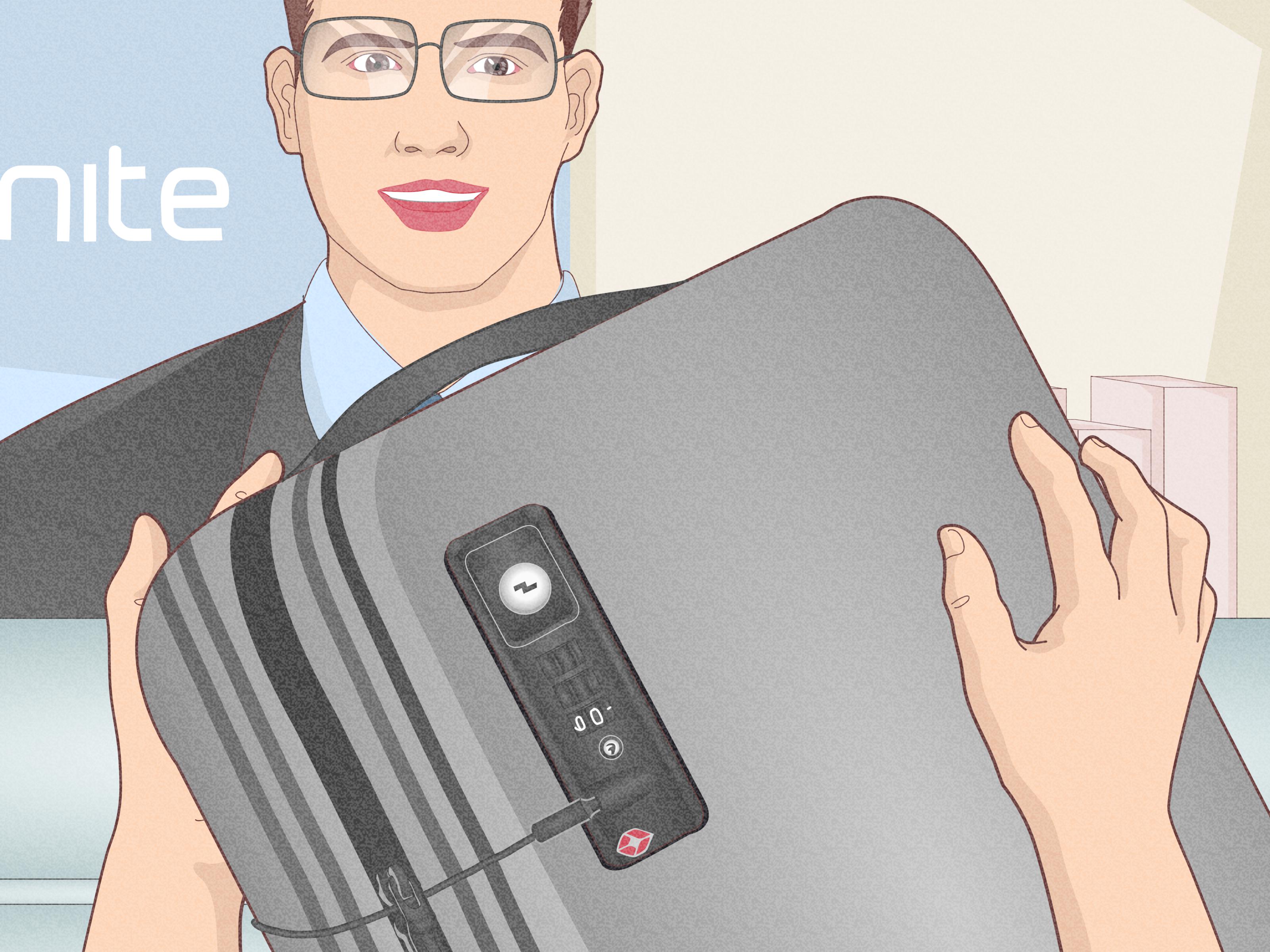
Few travel moments feel more dramatic than standing over a suitcase, spinning tiny number wheels, and wondering whether your socks are now trapped forever behind a three-digit fortress. The good news? Setting a Samsonite luggage lock is usually simple once you know which lock style you have. The less-good news? Samsonite uses several lock designs, and each one has its own tiny ritual. Think of it as a travel-themed escape room, except the prize is clean clothes.
This guide explains how to set a Samsonite luggage lock for three common types: a pinhole TSA lock, a side-button pinhole TSA lock, and a hold-and-slide TSA lock. You will also learn how to test the new combination, what to do if the lock will not open, how TSA-approved luggage locks work, and how to avoid the classic “I changed the code and immediately forgot it” situation. We have all been there, emotionally if not legally.
Before You Start: Understand Your Samsonite TSA Lock
Most modern Samsonite suitcases come with a built-in TSA-approved combination lock. These locks are designed so travelers can secure their luggage while airport security officers can open and relock the bag with special tools if inspection is required. You should not use the small TSA keyhole yourself; it is not for the owner. Your part of the lock is the three-digit combination dial and the reset mechanism.
Most Samsonite TSA locks are preset to 0-0-0 when new. That factory code opens the lock until you set your own combination. If your suitcase is brand-new, start with the dials aligned at 0-0-0. If the luggage has been used before, you usually need the current combination before you can reset it. A lock cannot normally be reset while closed if you do not know the working code.
Quick checklist before resetting
- Open the suitcase first, or make sure the zipper pulls are released.
- Set the dials to the current combination, often 0-0-0 on a new suitcase.
- Choose a code you can remember but others cannot easily guess.
- Avoid obvious combinations like 1-2-3, 0-0-0, 7-7-7, or your birth year if it is easy to find online.
- Write the code in a secure note before scrambling the dials.
How to Identify the 3 Main Samsonite Lock Types
Look closely at the lock before pressing anything. Samsonite locks may look similar at first glance, but the reset mechanism gives away the type.
Type 1: Pinhole lock next to the number dials
This lock has a small reset hole near the dial area. You push the pinhole with a pen, pencil, or similar small tool, then choose your new combination. This is one of the most common built-in Samsonite TSA lock styles.
Type 2: Pinhole lock with a side release button
This version also uses a pinhole, but the reset is confirmed by squeezing or pressing a side button until the lock clicks. It is easy to mistake this for Type 1, so check whether your lock has a prominent button on the side that releases the zipper pulls.
Type 3: Hold-the-lock or hold-the-release style
This lock does not rely on a pinhole. Instead, you hold the TSA release mechanism or lock button while turning the dials to the desired code. When you release the button, the new combination is saved. It is the luggage-lock equivalent of “hold this pose until the camera flashes.”
Type 1: How to Set a Samsonite Pinhole TSA Lock
This method applies to Samsonite locks with a small pinhole beside the dial. The pinhole may be tiny, so good lighting helps. Do not use a sharp knife or anything that could damage the lock. A ballpoint pen, paper clip, or mechanical pencil tip usually works better.
Step-by-step instructions
- Turn the three number dials to the current combination. On a new Samsonite suitcase, this is usually 0-0-0.
- Release the zipper pulls by sliding the TSA lock button.
- Find the small pinhole near the dials.
- Press the pinhole gently with a pen or pencil. You may feel a small click or slight movement.
- While the reset is engaged, turn the dials to your new three-digit combination.
- Slide the TSA lock button to set the new code.
- Place the zipper pulls back into the lock.
- Scramble the dials, then return them to your new code and test the lock.
Example: If you choose 4-8-2, turn the dials to 4-8-2 while the pinhole reset is engaged. Then slide the lock button to save the code. After that, mix up the numbers, return to 4-8-2, and make sure the zipper pulls release smoothly.
Common mistakes with Type 1 locks
The most common mistake is letting go of the reset before the dials are fully aligned. Another common issue is saving the code while one wheel sits between two numbers. Make sure every digit is centered in the display window. If one wheel is halfway between 8 and 9, your suitcase may later decide to become mysterious for no good reason.
Type 2: How to Set a Samsonite Side-Button Pinhole Lock
Type 2 looks similar to Type 1, but the side button is important. On this design, the button does more than release the zipper pulls; it also helps confirm the new combination after you press the pinhole and choose the code.
Step-by-step instructions
- Set the dials to the current combination. For new luggage, start with 0-0-0.
- Push the side button to release the zipper pulls.
- Locate the pinhole, often near the top of the lock.
- Use a pen or pencil to gently press the pinhole.
- Turn the dials to your desired three-digit code.
- Squeeze or press the side button until you hear or feel a click.
- Insert the zipper pulls back into the lock.
- Mix the dials, return to the new code, and press the side button to test.
Example: Suppose you want your new combination to be 6-2-9. Start at 0-0-0 if the suitcase is new, press the pinhole, set the dials to 6-2-9, then squeeze the side button until it clicks. Do not celebrate yet. Test it twice before packing your passport, chargers, and emotional support snacks.
Why the click matters
The click tells you the lock has accepted the new setting. If you set the numbers but do not press the side button properly, the lock may not save your combination. That can lead to confusion later because the dials may look correct, but the mechanism never recorded the change.
Type 3: How to Set a Samsonite Hold-and-Release TSA Lock
Some Samsonite locks skip the pinhole completely. Instead, you hold the release or TSA lock slider while setting the dials. This style is quick once you understand it, but it can be confusing because there is no obvious reset button.
Step-by-step instructions
- Turn the dials to the current combination, usually 0-0-0 on a new suitcase.
- Open the lock and release the zipper pulls.
- Hold the TSA lock button, slider, or release mechanism in the open position.
- While holding it, turn the dials to your new combination.
- Release the TSA lock button or slider.
- Place the zipper pulls back into the lock.
- Scramble the dials and test the new code.
Example: To set 3-5-1, hold the release mechanism open, turn the dials to 3-5-1, then let go. Once released, the lock should remember the new code. Test before traveling because airport floors are not the ideal place to troubleshoot tiny metal parts while people behind you sigh like professional critics.
How to Test Your New Samsonite Lock Combination
Testing is not optional. It is the difference between “I am a prepared traveler” and “I am asking hotel reception for scissors.” After setting your combination, follow this simple test process.
- Put the zipper pulls into the lock.
- Turn the dials away from your new code.
- Try to release the zipper pulls. They should stay locked.
- Turn the dials back to your new code.
- Press or slide the release button. The zipper pulls should pop out smoothly.
- Repeat once more to confirm the code.
If the lock opens only when one number is slightly off-center, reset it again with the dials perfectly aligned. Combination wheels are small, and small errors create large travel headaches.
What If You Forgot Your Samsonite Lock Combination?
If you forgot your Samsonite luggage lock code, first check whether the suitcase is already open. If it is open and the lock is aligned to the working code, you can usually reset it using the correct method for your lock type. If the suitcase is locked shut and you do not know the code, the situation becomes harder.
Try any combinations you commonly use, but avoid forcing the button. For a three-digit lock, there are 1,000 possible combinations from 000 to 999. Some travelers patiently test each one, starting at 000 and moving upward. It is boring, but it can work. Put on a podcast. Choose peace.
If you cannot open the suitcase, contact Samsonite customer support, visit a Samsonite repair center, or take the bag to a professional luggage repair shop or locksmith. Do not try to use the TSA keyhole. The TSA key slot is designed for authorized security tools, not owner access.
Tips for Choosing a Good Samsonite Luggage Lock Code
A good luggage lock code should be memorable, private, and not painfully obvious. The goal is not to create a bank-vault password; it is to discourage casual tampering and keep your bag closed during normal travel.
Better code ideas
- Use a number connected to a private memory, not public information.
- Choose a code that is easy for you to remember under stress.
- Store it in a password manager or secure note labeled discreetly.
- Use a different code from your phone PIN, debit card PIN, or home alarm code.
Codes to avoid
- 0-0-0
- 1-2-3
- 9-9-9
- Your birthday month and day
- Your house number
- Your child’s birthday if it appears on social media
Why Use a TSA-Approved Lock on Samsonite Luggage?
A TSA-approved lock allows airport security officers to inspect your checked luggage without cutting the lock under normal circumstances. This is useful because checked bags may be screened after you drop them off. If security needs to inspect a locked suitcase and the lock is not TSA-compatible, they may have to remove or break the lock to complete the inspection.
A TSA luggage lock is not a magic shield. It will not stop a determined thief with tools, time, and poor life choices. But it does help keep zipper pulls secured, discourages casual opening, and reduces the chance that your bag arrives with the lock destroyed after inspection.
Troubleshooting: Samsonite Lock Will Not Set or Open
The lock will not accept the new combination
Make sure you are using the correct reset method for your lock type. A Type 2 side-button lock, for example, may require a click from the side button before the code is saved. If you treat it like Type 1, the setting may not stick.
The zipper pulls will not release
Check that the dials are perfectly aligned. Move each wheel slightly forward and backward around the chosen number while pressing the release button gently. Do not force the button; forcing can damage the mechanism.
The TSA indicator looks open
Some TSA locks have an indicator that shows whether the lock was opened by security. If the indicator remains in the open position, it may need to be reset according to the specific lock design. A small flat tool may be used on some locks to rotate the indicator back, but this varies by model.
The lock feels jammed
Dust, pressure from overpacking, or misaligned zipper pulls can make a lock feel stuck. Remove pressure from the suitcase lid, align the zipper pulls, and try again. Overpacked luggage can push against the lock from inside, turning a simple release into a wrestling match between you and three sweaters.
Care Tips to Keep Your Samsonite Lock Working
Keep the lock clean and dry. Wipe away sand, dust, or sticky residue after trips. Avoid spraying random oils into the mechanism unless recommended by the manufacturer, because some lubricants attract dirt. When closing the suitcase, align the zipper pulls carefully instead of jamming them into place. Built-in locks are durable, but they appreciate manners.
Before every major trip, test the lock at home. Do it before packing, not after. If the lock has an issue, it is much easier to solve on your bedroom floor than at 5:30 a.m. beside a rideshare driver who has already rated your punctuality in his heart.
Real-World Experience: Lessons From Setting Samsonite Luggage Locks
After helping travelers set and reset luggage locks, one pattern becomes obvious: most problems happen because people rush. A Samsonite lock usually takes less than a minute to set, but that minute needs full attention. The dials are small, the reset button is tiny, and the difference between saving 5-4-8 and accidentally saving 5-4-9 can be one distracted glance at a boarding notification.
The best experience starts before the suitcase is packed. Open the bag, set it on a stable surface, and face the lock directly. Good lighting matters more than people think. Hotel rooms, closets, and airport corners are often dim, and lock numbers can cast shadows. If the digits are not centered, the mechanism may save a code you did not mean to choose. This is why testing the lock two or three times is not overkill; it is cheap insurance.
Another practical lesson: choose the combination before touching the reset button. Many travelers press the reset pin, then pause to think of a clever code. During that pause, they shift their grip, release the reset by accident, or bump a dial. Decide on the number first. Write it down in a secure place. Then reset the lock. The process feels calmer when your brain is not trying to invent a secret code while your fingers are holding a pinhole the size of a sesame seed.
For family travel, avoid setting every suitcase to the same combination if the bags contain important items. It may be convenient, but it also means one exposed code opens everything. A simple system works better: use related but different numbers, then store them securely. For example, each bag can have its own code saved under a discreet label in a password manager. Do not name the note “Samsonite suitcase full of valuables.” Subtlety is free.
Business travelers often prefer easy-to-enter combinations because they open luggage frequently in hotels. That makes sense, but easy should not mean obvious. A private three-digit pattern is better than 0-0-0 or 1-2-3. Remember, a luggage lock is mainly a deterrent. It keeps honest hands honest, prevents accidental zipper opening, and makes casual tampering less inviting.
One more experience-based tip: never change the lock code the night before an international trip unless you have time to test it carefully. Late-night packing already includes enough chaos: chargers hiding in plain sight, toiletries staging a rebellion, and someone asking where the passports are. If you must reset the lock before leaving, do it slowly, test it repeatedly, and take a photo or secure note of the code before scrambling the dials.
Finally, treat the TSA lock as part of your travel routine, not an afterthought. Test it when you pull the suitcase from storage. Test it again after packing. When you arrive, unlock it before you are exhausted. A Samsonite lock is simple, reliable, and useful when set correctly. Give it a little attention upfront, and it will quietly do its job while you focus on more exciting travel decisions, such as window seat versus aisle seat or whether airport coffee counts as breakfast. It does, by the way. Spiritually.
Conclusion
Learning how to set a Samsonite luggage lock is mostly about identifying the lock type. A Type 1 lock uses a pinhole near the dials and saves the code with the TSA slider. A Type 2 lock uses a pinhole plus a side button click. A Type 3 lock saves the code while you hold and release the TSA lock mechanism. Once you know which style you have, the process is quick, practical, and far less mysterious than it first appears.
Always begin with the current combination, usually 0-0-0 on a new suitcase. Choose a code that is memorable but not obvious, align the dials carefully, and test the lock before traveling. A few calm minutes at home can prevent a suitcase standoff later. Your luggage should carry your clothes, not your stress.
Note: This article is written for web publishing and is based on current manufacturer-style lock-setting guidance, TSA-approved luggage lock practices, and common Travel Sentry lock reset procedures. Always check your exact Samsonite model if the lock design differs from the three types described here.