Note: The jokes in this article are original, light-hearted, and designed to laugh at the strange habits and everyday chaos of pandemic lifenot at illness, grief, or people who were harmed by COVID-19.
The coronavirus pandemic changed almost everything: how we worked, how we shopped, how we greeted people, how often we washed our hands, and how suspiciously important one roll of toilet paper could become. It was a serious global event, but somewhere between the sourdough starters, awkward Zoom calls, foggy glasses, and homemade haircuts, people found a way to laugh.
That is where coronavirus jokes came in. Not the cruel kind. Not the careless kind. The funny, oddly comforting kind that said, “Yes, this is weird, and yes, we are all trying our best while wearing pajama pants to a business meeting.”
Humor became a small survival tool. It helped people talk about stress without sounding like a medical chart. It turned fear into something a little less sharp. It made quarantine feel less lonely, one meme, one pun, and one “you’re still on mute” moment at a time.
Below are 40 of the funniest coronavirus jokes, written in a playful, clean, and family-friendly style. They are perfect for anyone who remembers the days when hand sanitizer became liquid gold and every grocery trip felt like a spy mission with produce.
Why Coronavirus Jokes Became So Popular
Coronavirus humor spread quickly because almost everyone had shared experiences. People understood the same tiny disasters: video calls freezing at the worst possible second, pets becoming unofficial coworkers, children interrupting meetings like tiny unpaid consultants, and people pretending they definitely knew what “flatten the curve” meant before Googling it.
Jokes helped people process uncertainty. They gave ordinary people a way to say, “This is hard,” without starting every conversation with a sigh deep enough to power a wind turbine. From public-health reminders to quarantine routines, comedy turned the daily pandemic script into something easier to handle.
Of course, the best coronavirus jokes know where the line is. They make fun of panic-buying, messy home offices, and our sudden obsession with banana breadnot people who got sick. Good pandemic humor works because it laughs at the situation, not at suffering.
40 Of The Funniest Coronavirus Jokes
Quarantine Life Jokes
- I cleaned my house so much during quarantine that my dust started calling me “management.”
- Quarantine taught me that my refrigerator light is basically a tiny stage spotlight for snacks.
- I used to wonder what I would do with more free time. Apparently, I would walk into the kitchen 47 times a day.
- My quarantine hobby was learning to bake bread. My oven filed for emotional support.
- During lockdown, my jeans and I entered a long-distance relationship.
- I made a quarantine schedule. Then I scheduled a nap to recover from making the schedule.
- My houseplants survived the pandemic better than I did. At least they had a watering plan.
- Quarantine made me realize my dog has been judging my productivity for years.
Work From Home Jokes
- Working from home is great until your boss meets your cat’s management style.
- My home office has everything: a laptop, coffee, unpaid laundry, and a chair that was clearly designed by a villain.
- “You’re on mute” became the unofficial national anthem of remote work.
- I dressed professionally for Zoom: business on top, laundry-day documentary on the bottom.
- My commute went from 40 minutes to 14 steps, and somehow I was still almost late.
- Remote work taught me that “just a quick meeting” is a phrase invented by people who do not own clocks.
- My internet froze during a presentation, so I called it a dramatic pause.
- Working from home gave me a new skill: nodding seriously while wondering if my microwave popcorn is burning.
Mask And Sanitizer Jokes
- Wearing a mask with glasses was just a free sauna for your eyeballs.
- Hand sanitizer became so valuable that my purse smelled like a hospital gift shop.
- I washed my hands so much my fingerprints considered early retirement.
- My mask collection had more variety than my actual wardrobe.
- Nothing humbled me faster than trying to unlock my phone with Face ID while wearing a mask.
- Hand sanitizer taught us all the location of every invisible paper cut.
- I sneezed once in public and felt like I had accidentally set off a tiny courtroom drama.
- My mask protected me from germs and from people recognizing that I was mouthing song lyrics in the grocery store.
Grocery Store And Toilet Paper Jokes
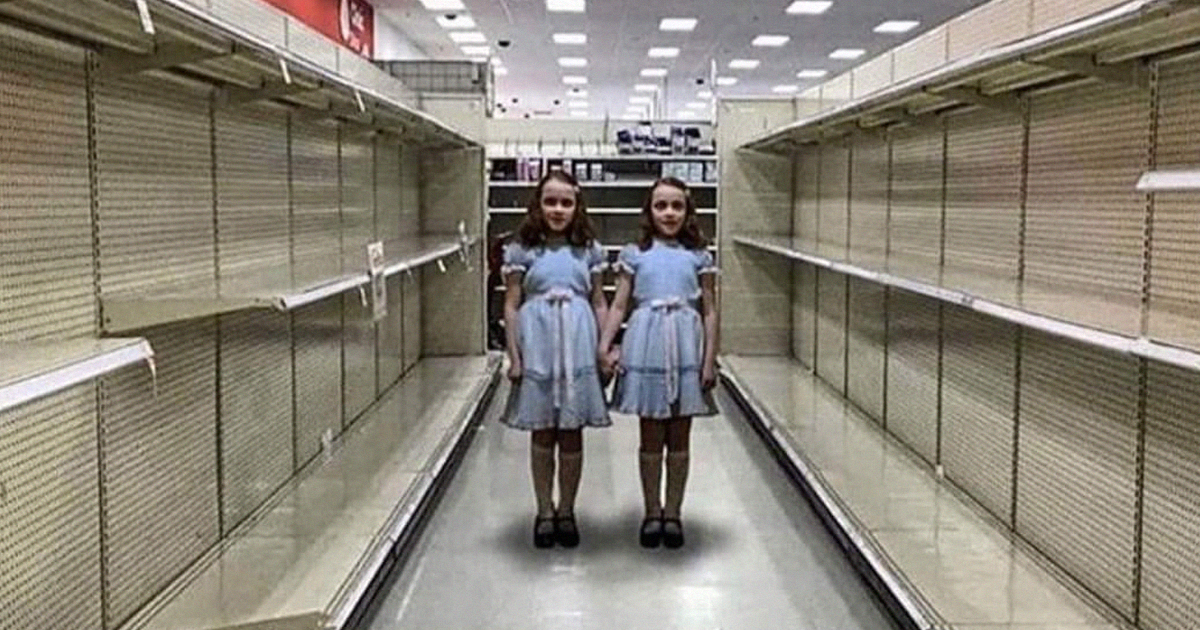
- In 2020, finding toilet paper felt like discovering buried treasure, except the map was just aisle signs and panic.
- People used to flex with sports cars. Then suddenly the real status symbol was a 12-pack of paper towels.
- My grocery list used to say “milk, eggs, bread.” During the pandemic it said, “Whatever is left.”
- I went to the store for one thing and returned with beans, flour, and the emotional energy of a frontier settler.
- Banana bread was the official way Americans told overripe fruit, “Your time has come.”
- Online grocery substitutions were wild. I ordered spinach and got a pineapple. Close enough, spiritually.
- The checkout line was so spaced out it looked like everyone was auditioning for a very nervous parade.
- I never knew I could feel so victorious over buying disinfecting wipes.
Social Distancing And Everyday Awkwardness Jokes
- Social distancing was easy for introverts. Finally, public health matched their weekend plans.
- Handshakes disappeared, and for a while everyone greeted each other like confused traffic directors.
- I got so used to six feet of space that crowded elevators now feel like emotional group projects.
- My small talk improved during the pandemic because “How are you?” became a full psychological weather report.
- I waved goodbye at the end of video calls like the other person was sailing away on a ship.
- My screen time report during lockdown looked less like data and more like a cry for help from my phone.
- Before the pandemic, I had plans. During the pandemic, I had “maybe I’ll reorganize this drawer” energy.
- Coronavirus changed dating forever. Suddenly, “Do you have hobbies?” ranked below “Do you own soap?”
The Comedy Behind The Chaos
The funniest coronavirus jokes work because they are instantly recognizable. You do not need a long setup to understand the comedy of a frozen Zoom face, a suspicious cough in a quiet room, or the emotional roller coaster of finding one lonely bottle of sanitizer on a store shelf.
These jokes also reveal how quickly daily life changed. Remote work went from a perk to a lifestyle. Kitchen tables became offices, classrooms, lunch counters, and storage units for mysterious charging cables. Pets became coworkers, children became surprise guests, and pants with buttons became optional formalwear.
The grocery store became its own comedy stage. People planned shopping trips like military operations, only to discover the pasta shelf had been cleared by citizens preparing for what appeared to be a lasagna-based emergency. Toilet paper, once the least glamorous household item, became the star of group chats and neighborhood rumors.
Then came the masks. They were useful, necessary in many settings, and also responsible for some of the strangest social moments of modern life. People learned to smile with their eyes, shout politely through fabric, and accept that glasses fogging up was simply part of the human experience now.
Even the language of the pandemic became funny through repetition. Words like “quarantine,” “pivot,” “unprecedented,” “new normal,” and “Zoom fatigue” entered conversations so often that they began to sound like characters in a sitcom nobody asked to be in. Humor helped people take back a little control over vocabulary that had become heavy with worry.
How To Tell Coronavirus Jokes Without Being Insensitive
There is a big difference between laughing at shared inconveniences and making light of real suffering. The safest and funniest coronavirus jokes usually focus on everyday absurdities: messy home routines, awkward technology, grocery shortages, overenthusiastic cleaning, and the strange ways people adapted.
A good rule is simple: punch up at the situation, not down at people. Make fun of your own banana bread phase, your pajama work uniform, or your heroic battle with a foggy pair of glasses. Avoid jokes that mock people who became seriously ill, lost loved ones, worked under dangerous conditions, or continue to live with long-term symptoms.
That is why clean pandemic humor still works. It is not about pretending the pandemic was harmless. It is about remembering that humans are strange, resilient creatures. We can be scared, careful, tired, and ridiculous all at the same time.
Funny Pandemic Moments People Will Never Forget
Some coronavirus jokes are funny because they point to moments millions of people experienced together. The first time someone forgot they were on mute. The first time a child wandered into a professional meeting asking for cereal. The first time a pet stole the camera spotlight with the confidence of a celebrity guest.
People also remember the hobbies. For a few months, everyone seemed to become a baker, a gardener, a puzzle expert, or a person who owned resistance bands but mostly used them as guilt decorations. Sourdough starters had names. Banana bread had a cultural moment. Home workouts happened in living rooms where the coffee table posed a greater injury risk than the exercise itself.
Then there were the haircuts. Many people discovered that cutting hair at home is less of a skill and more of a legal argument between confidence and scissors. Bangs were attempted. Beards expanded. Hair dye experiments became private family legends. Some people came out looking refreshed; others came out looking like they had lost a bet with a lawn mower.
The humor of these experiences comes from the fact that people were improvising. Nobody had a perfect manual for turning homes into offices, schools, gyms, bakeries, restaurants, and anxiety-management centers. Everyone was figuring it out in real time, usually with bad lighting and a video call starting in two minutes.
Why We Still Laugh At Coronavirus Jokes Today
Years later, coronavirus jokes still land because they are part of cultural memory. They capture a specific time when everyday objects took on dramatic importance. Soap became heroic. Toilet paper became currency. A thermometer became the household oracle. A cough in public had the power to turn heads faster than a dropped tray in a cafeteria.
Laughing now can also be a way of reflecting. Many people do not want to relive the fear, but they can laugh at the odd little details that made the period feel surreal. The jokes give shape to the story. They let people say, “Remember how strange that was?” without needing to list every hard part.
Humor is especially useful when it is gentle. A joke about wearing pajama pants to a meeting can bring people together because it reminds them they were not alone. Everyone had a weird moment. Everyone adapted in some awkward way. Everyone learned at least one new phrase they never wanted to hear again.
That is the real power of coronavirus humor. It turns shared stress into shared recognition. It is not about ignoring reality. It is about finding one small laugh in the middle of a very long chapter.
Personal Experiences That Made Coronavirus Jokes So Relatable
The reason “40 Of The Funniest Coronavirus Jokes” works as a topic is that the jokes are not floating in the air. They are attached to real experiences people remember in detail. Many people can still picture the early days of wiping down groceries, checking the news too often, and wondering whether it was normal to have a favorite brand of hand sanitizer. Suddenly, everyone became an amateur expert in airflow, pantry organization, and how many cans of soup count as “prepared” versus “possibly building a bunker.”
One of the most universal experiences was the collapse of boundaries. Home was no longer just home. It was the office, classroom, cafeteria, conference room, daycare center, yoga studio, and occasional emotional support cave. The kitchen table became a headquarters. A bedroom corner became a professional background. A hallway became the only private place to take a phone call. That is why work-from-home jokes still feel funny: they are based on the absurd truth that many people were trying to look polished while sitting three feet away from a basket of unfolded towels.
Video calls created their own comedy universe. People forgot to mute themselves. People forgot to unmute themselves. People accidentally turned on filters, froze mid-sentence, or appeared on camera from an angle that made them look like a concerned potato. Pets joined meetings with no agenda and complete confidence. Children became tiny executives with urgent snack-related announcements. Doorbells, blenders, leaf blowers, and barking dogs all became recurring cast members in the remote-work sitcom.
Shopping also became memorable in a way nobody expected. Before the pandemic, buying paper towels was boring. During the pandemic, it felt like winning a small domestic lottery. Grocery substitutions from delivery apps were often hilarious: one person might order lettuce and receive cabbage, or ask for one lemon and receive a bag large enough to open a lemonade stand. The weirdness of those moments made people laugh because the alternative was staring too long at an empty pasta shelf and wondering if spaghetti had become a national security issue.
Then there were the personal transformations. Some people became better cooks. Some became worse cooks with more confidence. Some learned to bake bread; others learned that yeast has boundaries. Fitness plans began with ambition and sometimes ended with a yoga mat quietly collecting dust under the couch. Many people promised to read more books and instead became deeply familiar with every corner of a streaming service menu.
These experiences made coronavirus jokes more than disposable one-liners. They became little snapshots of adaptation. They remind us that people can be careful and funny, worried and creative, exhausted and still capable of laughing at a sourdough starter named “Bread Pitt.” The jokes lasted because they captured the human side of an overwhelming time: the improvisation, the awkwardness, the small victories, and the strange comfort of knowing millions of other people were also wearing slippers during serious meetings.
Conclusion
Coronavirus jokes became popular because they turned a strange, stressful period into something people could talk about without immediately feeling overwhelmed. The best jokes did not minimize the pandemic. They highlighted the everyday absurdities that came with it: foggy glasses, remote meetings, toilet paper treasure hunts, nervous grocery trips, and the sudden rise of banana bread as a national personality trait.
Whether you laughed at Zoom mishaps, quarantine hobbies, home haircuts, or the drama of finding disinfecting wipes, these jokes are a reminder that humor can help people stay connected. Sometimes, the smallest laugh is enough to make a difficult memory feel a little lighter.