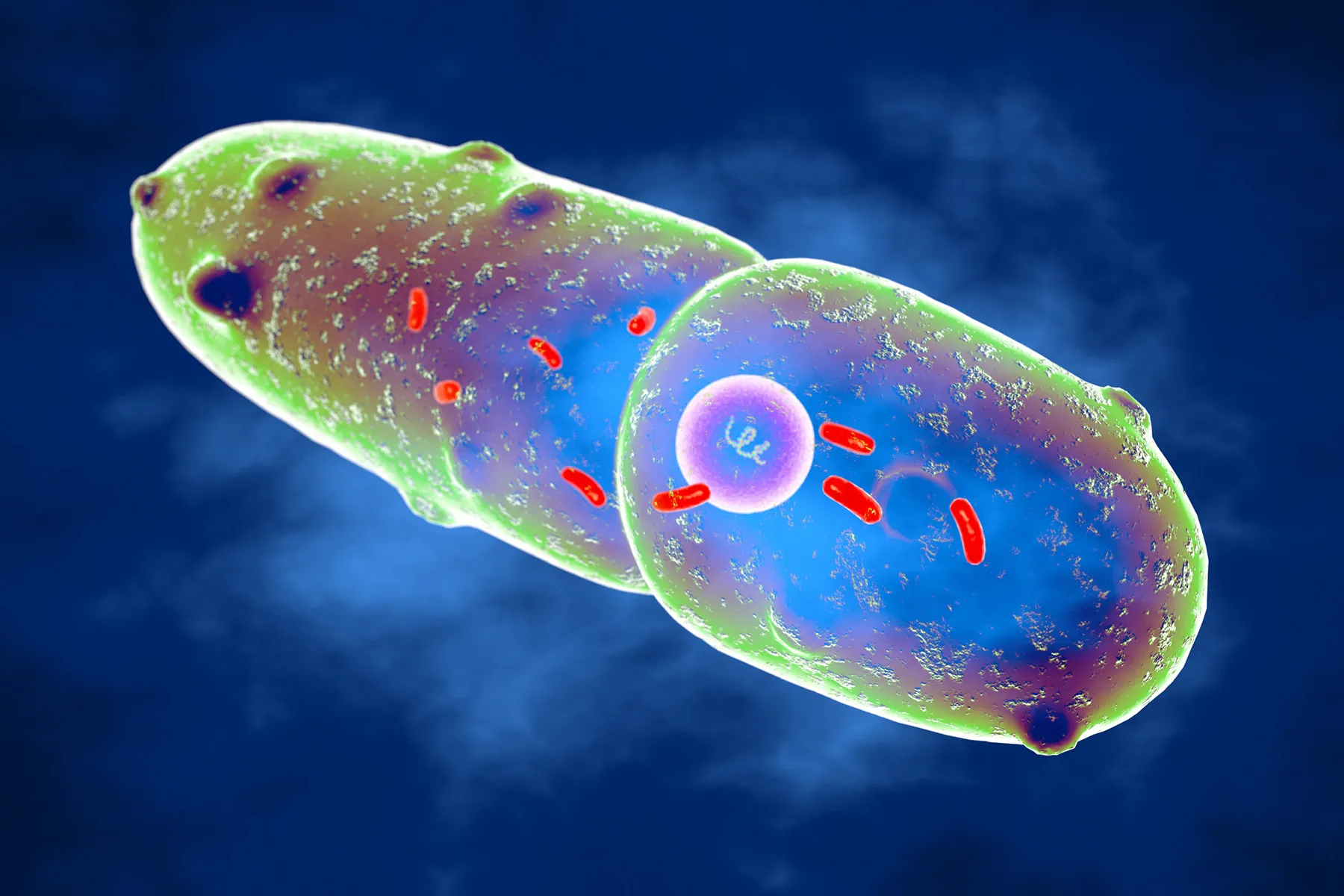
Klebsiella pneumoniae infections sound like something that escaped from a medical textbook and started charging rent. But this bacterium is very real, surprisingly common in healthcare settings, and sometimes stubborn enough to make doctors reach for the serious-antibiotic toolbox. The tricky part is that Klebsiella pneumoniae can live quietly in the intestines without causing trouble, then become a problem when it reaches places it does not belong, such as the lungs, urinary tract, bloodstream, wounds, or surgical sites.
This guide explains what Klebsiella pneumoniae is, what symptoms to watch for, how infections are diagnosed, and what treatments may be used. The goal is not to turn you into a walking microbiology lab, but to help you understand the basics clearly enough to ask better questions and act faster when symptoms appear.
Medical note: This article is for educational purposes only. If you have fever, trouble breathing, confusion, chest pain, signs of sepsis, worsening wound symptoms, or urinary symptoms with fever or back pain, seek medical care promptly.
What Is Klebsiella Pneumoniae?
Klebsiella pneumoniae is a type of gram-negative bacteria. It is often found in the human gut, where it may simply exist without causing illness. That harmless presence is called colonization. Colonization is like having a quiet roommate who pays no rent but also does not break anything. Infection is different: that is when the bacteria enter a vulnerable body site and cause symptoms, inflammation, and tissue damage.
Although its name includes “pneumoniae,” this germ does not only cause pneumonia. It can also cause urinary tract infections, bloodstream infections, wound infections, surgical site infections, liver abscesses, and meningitis. It is especially important in hospitals, nursing homes, long-term care facilities, and intensive care units because people in those settings may already be ill, recovering from surgery, using catheters, or receiving breathing support.
One reason Klebsiella pneumoniae infection gets so much attention is antibiotic resistance. Some strains produce enzymes that break down common antibiotics. Others are resistant to carbapenems, which are often reserved for serious multidrug-resistant infections. When that happens, treatment becomes more complicated, more expensive, and much less fun for everyone involved.
How Klebsiella Pneumoniae Spreads
Klebsiella pneumoniae most often spreads through direct contact, especially via contaminated hands, medical equipment, wounds, stool, or surfaces in healthcare environments. Unlike flu or COVID-19, Klebsiella generally does not spread through the air. So, no, you usually do not “catch” it because someone across the room sneezed dramatically like a Victorian poet.
Common routes of spread include:
- Person-to-person contact, particularly from unwashed hands
- Contaminated medical equipment, such as ventilators or catheters
- Open wounds or surgical sites
- Contact with contaminated surfaces in healthcare settings
- Less commonly, contaminated water or soil
Good hand hygiene, careful wound care, proper cleaning of medical devices, and responsible antibiotic use are major prevention tools. In hospitals, infection control teams may use contact precautions, isolation procedures, screening, and environmental cleaning to reduce spread.
Who Is Most at Risk?
Healthy people can develop Klebsiella infections, but it is less common. The risk rises when the body’s defenses are weakened or when bacteria have an easy entry point. In other words, Klebsiella is opportunistic. It does not need a red carpet; a catheter, wound, or long hospital stay may be enough.
Higher-risk groups include:
- People staying in hospitals or long-term care facilities
- Patients in intensive care units
- People using ventilators or breathing machines
- People with urinary catheters or intravenous lines
- Patients recovering from surgery or injury
- People with weakened immune systems
- People taking long courses of antibiotics
- Older adults and people with chronic lung disease, diabetes, kidney disease, or cancer
Antibiotic exposure matters because antibiotics can disturb the normal balance of bacteria in the body. When friendly bacteria are reduced, resistant organisms may have more room to grow. This is why antibiotics should be used carefully, not like breath mints.
Klebsiella Pneumoniae Symptoms by Infection Type
The symptoms of Klebsiella pneumoniae infections depend on where the bacteria are causing trouble. A lung infection feels different from a urinary tract infection, and a bloodstream infection may look different from both.
1. Klebsiella Pneumonia Symptoms
When Klebsiella infects the lungs, it can cause bacterial pneumonia. Symptoms may include:
- Fever and chills
- Cough with thick mucus or phlegm
- Yellow, green, or bloody sputum
- Shortness of breath
- Chest pain, especially when breathing deeply or coughing
- Fatigue, weakness, or confusion, especially in older adults
- Low oxygen levels in severe cases
Klebsiella pneumonia can be serious, particularly in people with lung disease, weakened immunity, or recent hospitalization. Severe pneumonia may require oxygen, intravenous antibiotics, breathing support, or intensive care.
2. Klebsiella Urinary Tract Infection Symptoms
Klebsiella pneumoniae can cause UTIs, especially in people with urinary catheters, recent antibiotic use, or structural urinary tract problems. Symptoms may include:
- Burning or pain during urination
- Frequent or urgent need to urinate
- Cloudy, strong-smelling, or bloody urine
- Lower abdominal pain or pelvic discomfort
- Fever or chills
- Back or flank pain if infection reaches the kidneys
A UTI with fever, back pain, vomiting, or weakness may suggest a kidney infection or a more serious infection. That is not the time to “wait and see” while drinking cranberry juice like it is a heroic potion.
3. Bloodstream Infection Symptoms
If Klebsiella enters the bloodstream, it can cause bacteremia or sepsis. This is a medical emergency. Symptoms may include:
- High fever or very low temperature
- Fast heart rate
- Rapid breathing
- Confusion or extreme sleepiness
- Low blood pressure
- Cold, clammy, or mottled skin
- Severe weakness or feeling “not right”
Sepsis can progress quickly. Anyone with possible sepsis symptoms should seek emergency care immediately.
4. Wound or Surgical Site Infection Symptoms
Klebsiella may infect wounds, burns, pressure ulcers, or surgical incisions. Warning signs include:
- Increasing redness, warmth, swelling, or pain
- Pus or foul-smelling drainage
- Fever
- Delayed healing
- Red streaks spreading from the wound
Do not ignore wound changes after surgery. A small infection can become a big problem if bacteria move deeper into tissue or enter the bloodstream.
5. Meningitis Symptoms
Klebsiella meningitis is less common but serious. It may occur after procedures, trauma, or in people with weakened immune systems. Symptoms may include:
- Severe headache
- Stiff neck
- Fever
- Confusion
- Sensitivity to light
- Vomiting
- Seizures
Meningitis symptoms require urgent medical evaluation. This is not a “sleep it off” situation.
How Doctors Diagnose Klebsiella Pneumoniae Infections
Diagnosis usually starts with symptoms, medical history, risk factors, and a physical exam. If a provider suspects a bacterial infection, they may collect samples and send them to a laboratory. The type of sample depends on the suspected infection site.
Common tests include:
- Sputum culture for suspected pneumonia
- Urine culture for UTI symptoms
- Blood cultures for suspected bloodstream infection
- Wound culture for skin, surgical, or wound infections
- Imaging tests such as chest X-ray or CT scan
- Complete blood count and inflammatory markers
- Antibiotic susceptibility testing
Susceptibility testing is especially important. It shows which antibiotics are likely to work against the specific strain. Without it, treatment can become a guessing game, and bacteria are annoyingly good at making guesses expensive.
Treatment for Klebsiella Pneumoniae Infections
The main treatment for Klebsiella pneumoniae infections is antibiotics, but the exact choice depends on the infection site, severity, resistance pattern, kidney function, allergy history, and local antibiotic-resistance data. Mild infections may be treated with oral antibiotics if the strain is susceptible. Severe infections usually require intravenous antibiotics in a hospital.
Antibiotics that may be considered
Depending on lab results, doctors may use antibiotics such as cephalosporins, cefepime, piperacillin-tazobactam, fluoroquinolones, aminoglycosides, carbapenems, or newer beta-lactam/beta-lactamase inhibitor combinations. These are not do-it-yourself medications. Antibiotics should be selected by a clinician based on culture results and patient-specific factors.
Drug-resistant Klebsiella infections may require specialized treatment. For example, extended-spectrum beta-lactamase-producing strains may need carbapenems for serious infections outside the urinary tract. Carbapenem-resistant strains may require newer agents such as ceftazidime-avibactam, meropenem-vaborbactam, imipenem-cilastatin-relebactam, cefiderocol, or other carefully selected therapies depending on the resistance mechanism.
Supportive care
Treatment may also include supportive care, such as:
- Fluids to prevent dehydration
- Oxygen therapy for pneumonia
- Fever control
- Drainage of abscesses when needed
- Removal or replacement of infected catheters or lines
- Wound cleaning and surgical care when necessary
- Monitoring kidney function during certain antibiotic treatments
For severe pneumonia, sepsis, or resistant infections, infectious disease specialists may be involved. That is a good thing. These specialists are like bacterial detectives with prescription pads.
Why Antibiotic Resistance Matters
Antibiotic resistance means bacteria have developed ways to survive medications that used to kill them. Klebsiella pneumoniae is particularly concerning because some strains can resist multiple antibiotic classes. Resistant infections may lead to longer hospital stays, limited treatment options, higher costs, and greater risk of complications.
Carbapenem-resistant Enterobacterales, often called CRE, include resistant strains of Klebsiella pneumoniae. These infections can be difficult to treat because carbapenems are often used as last-resort drugs for serious infections. Some people may carry resistant bacteria without symptoms, but colonized patients can still spread the bacteria in healthcare settings.
When to Seek Medical Care
Call a healthcare provider if you have symptoms of pneumonia, UTI, wound infection, or unexplained fever, especially after hospitalization, surgery, catheter use, or antibiotic treatment.
Seek emergency care for:
- Trouble breathing
- Chest pain
- Blue lips or low oxygen
- Confusion or fainting
- Very high fever or shaking chills
- Signs of sepsis, such as rapid breathing, fast heartbeat, or low blood pressure
- Severe weakness or sudden worsening
Early treatment can make a major difference, especially for high-risk patients.
How to Prevent Klebsiella Pneumoniae Infections
Prevention is not glamorous, but it works. No cape required, although hand sanitizer does have a certain superhero sparkle.
Practical prevention tips
- Wash hands often with soap and water or use alcohol-based hand sanitizer.
- Clean hands before eating, touching your face, or handling wounds.
- Clean hands after using the bathroom, coughing, sneezing, or touching hospital surfaces.
- Ask healthcare workers whether they cleaned their hands before touching you or your device.
- Keep wounds clean, covered, and monitored for changes.
- Use antibiotics only when prescribed.
- Take antibiotics exactly as directed and complete the course unless your clinician tells you otherwise.
- Avoid sharing personal medical supplies or wound-care items.
- Discuss catheter removal as soon as it is no longer needed.
In healthcare settings, prevention also includes device care, environmental cleaning, contact precautions, antimicrobial stewardship, screening during outbreaks, and careful communication when patients transfer between facilities.
Can Klebsiella Pneumoniae Be Cured?
Many Klebsiella infections can be treated successfully, especially when they are identified early and the bacteria are susceptible to available antibiotics. Recovery depends on the infection type, severity, resistance pattern, age, immune status, and underlying health conditions.
A simple UTI may improve within a few days of the right antibiotic. Pneumonia may take longer, and fatigue can linger even after the infection is controlled. Bloodstream infections, meningitis, and carbapenem-resistant infections are more serious and often require hospital care.
Common Myths About Klebsiella Pneumoniae
Myth 1: Klebsiella only causes pneumonia.
False. It can cause pneumonia, but it can also infect the urinary tract, bloodstream, wounds, surgical sites, abdomen, and central nervous system.
Myth 2: If bacteria are found, you always need antibiotics.
Not always. Some people are colonized, meaning the bacteria are present without causing disease. Colonization often does not need treatment, but it may require infection control precautions in healthcare settings.
Myth 3: Stronger antibiotics are always better.
No. The best antibiotic is the one that targets the bacteria effectively while minimizing unnecessary harm. Overusing broad-spectrum antibiotics can encourage resistance.
Myth 4: Natural remedies can cure Klebsiella infections.
No reliable evidence supports replacing medical treatment with home remedies for Klebsiella infections. Rest, fluids, and nutrition may support recovery, but antibiotics and professional care are often necessary.
Real-Life Experience: What Klebsiella Pneumoniae Infections Can Feel Like
Experiences with Klebsiella pneumoniae infections can vary widely. One person may discover it after a routine urine culture during a hospital stay. Another may become very sick with pneumonia after time on a ventilator. Someone recovering from surgery may notice that an incision suddenly looks angry, swollen, and dramatic, like it has decided to file a complaint with management.
A common experience is confusion at the beginning. Many patients do not hear the word “Klebsiella” until a lab result comes back. Before that, they may simply know they have a fever, cough, painful urination, wound drainage, or unexplained weakness. The name can feel intimidating, especially when a doctor mentions antibiotic resistance. Patients may wonder, “Did I do something wrong?” Usually, the answer is no. These infections often occur because of medical vulnerability, device use, recent antibiotics, or exposure in healthcare settings.
For families, the most stressful part may be waiting for culture and susceptibility results. A clinician may start an antibiotic based on the most likely cause, then change it when the lab identifies the bacteria and shows which drugs work. This can feel like a treatment detour, but it is often normal. Cultures help doctors move from educated guesswork to targeted therapy. Think of it as switching from throwing darts in a dim room to turning on the lights.
Patients with Klebsiella pneumonia may remember deep fatigue, heavy coughing, breathlessness, and the frustration of needing oxygen or repeated checks. Recovery from bacterial pneumonia is rarely instant. Even when fever improves, the body may need time to rebuild stamina. Walking across the room can feel like a sporting event nobody trained for. Follow-up care, pulmonary support, hydration, and gradual activity often matter.
Patients with Klebsiella UTIs may describe burning, urgency, pelvic pressure, cloudy urine, or fever. If the infection is resistant, the first antibiotic may not work, and symptoms may persist until treatment is adjusted. This is why urine culture can be so useful, especially after recent antibiotic use, catheter use, recurrent UTIs, or hospitalization.
For wound infections, people often notice visual clues: more redness, swelling, drainage, odor, pain, or slow healing. These signs should not be covered up and ignored. A clean bandage is helpful; pretending the wound is “probably fine” when it is getting worse is less helpful. Medical teams may need to culture the wound, clean it, drain fluid, change antibiotics, or evaluate whether deeper tissue is involved.
Caregivers also play a major role. They can help track temperatures, medication schedules, breathing changes, urine symptoms, wound appearance, and mental status. A simple notebook or phone note can be surprisingly powerful: date, symptom, medication, temperature, and questions for the doctor. Clear notes help clinicians make better decisions, and they prevent the classic appointment moment where everyone forgets the important detail until the car ride home.
Emotionally, Klebsiella infections can be scary because the words “resistant bacteria” sound severe. Sometimes they are severe. But resistant does not always mean untreatable. It means treatment must be chosen carefully. Many people recover with the right antibiotic plan, source control, supportive care, and monitoring. The key is not panic; it is prompt, informed action.
One practical lesson from patient experiences is this: speak up early. Ask what site is infected, what culture results show, whether the bacteria are resistant, how long treatment may last, what side effects to watch for, and when to seek urgent help. Good questions do not annoy good healthcare teams. They help everyone stay on the same page.
Conclusion
Klebsiella pneumoniae infections can range from mild urinary infections to life-threatening pneumonia, bloodstream infection, or meningitis. The symptoms depend on the infection site, but fever, worsening respiratory symptoms, painful urination, wound changes, confusion, or sudden weakness should always be taken seriously, especially after hospitalization or device use.
The most important steps are early diagnosis, lab testing, antibiotic susceptibility results, and treatment guided by a healthcare professional. Because some Klebsiella strains are resistant to multiple antibiotics, guessing is not good enough. Prevention also matters: clean hands, careful wound care, safe catheter practices, responsible antibiotic use, and strong infection control in healthcare settings.
Klebsiella may have a name that sounds like a villain from a science-fiction sequel, but understanding it makes it less mysterious. Know the symptoms, respect the risks, and get medical help when warning signs appear.