Teen skin can be dramatic. One week it is glowing like a movie montage, and the next week a pimple appears on picture day with the confidence of a tiny villain. The good news? A skincare routine for teen girls does not need to be complicated, expensive, or filled with 14 products lined up like a chemistry lab. In fact, dermatologists usually recommend the opposite: keep it simple, consistent, gentle, and sunscreen-friendly.
During the teen years, hormones can increase oil production, which makes clogged pores, blackheads, whiteheads, and breakouts more common. Add sports sweat, makeup, stress, late-night homework, and viral skincare trends, and suddenly the bathroom counter becomes very crowded. But healthy teen skin is not about chasing “perfect” skin. It is about protecting the skin barrier, treating acne early when needed, and building habits that are realistic enough to survive school mornings.
This expert-backed guide breaks down a simple morning and nighttime skincare routine for teen girls, explains which ingredients actually help acne, and shows what to skip before irritation turns the face into a very unhappy tomato.
Why Teen Girls Need a Different Skincare Routine
Teen skin is not just “adult skin, junior edition.” It is often oilier because puberty increases androgen hormones, which can stimulate sebaceous glands. That extra oil can mix with dead skin cells inside pores, creating the perfect setting for acne. Some teen girls also notice breakouts around their period, along the forehead from hair products, or on the cheeks and jaw from phones, masks, helmets, or makeup.
At the same time, young skin can still be sensitive. That means harsh scrubs, strong acids, fragrance-heavy products, and anti-aging ingredients can cause burning, peeling, redness, or more breakouts. The best teenage skincare routine should focus on four basics: cleansing, moisturizing, sun protection, and targeted acne treatment only when necessary.
The Simple Morning Skincare Routine
Step 1: Cleanse Gently
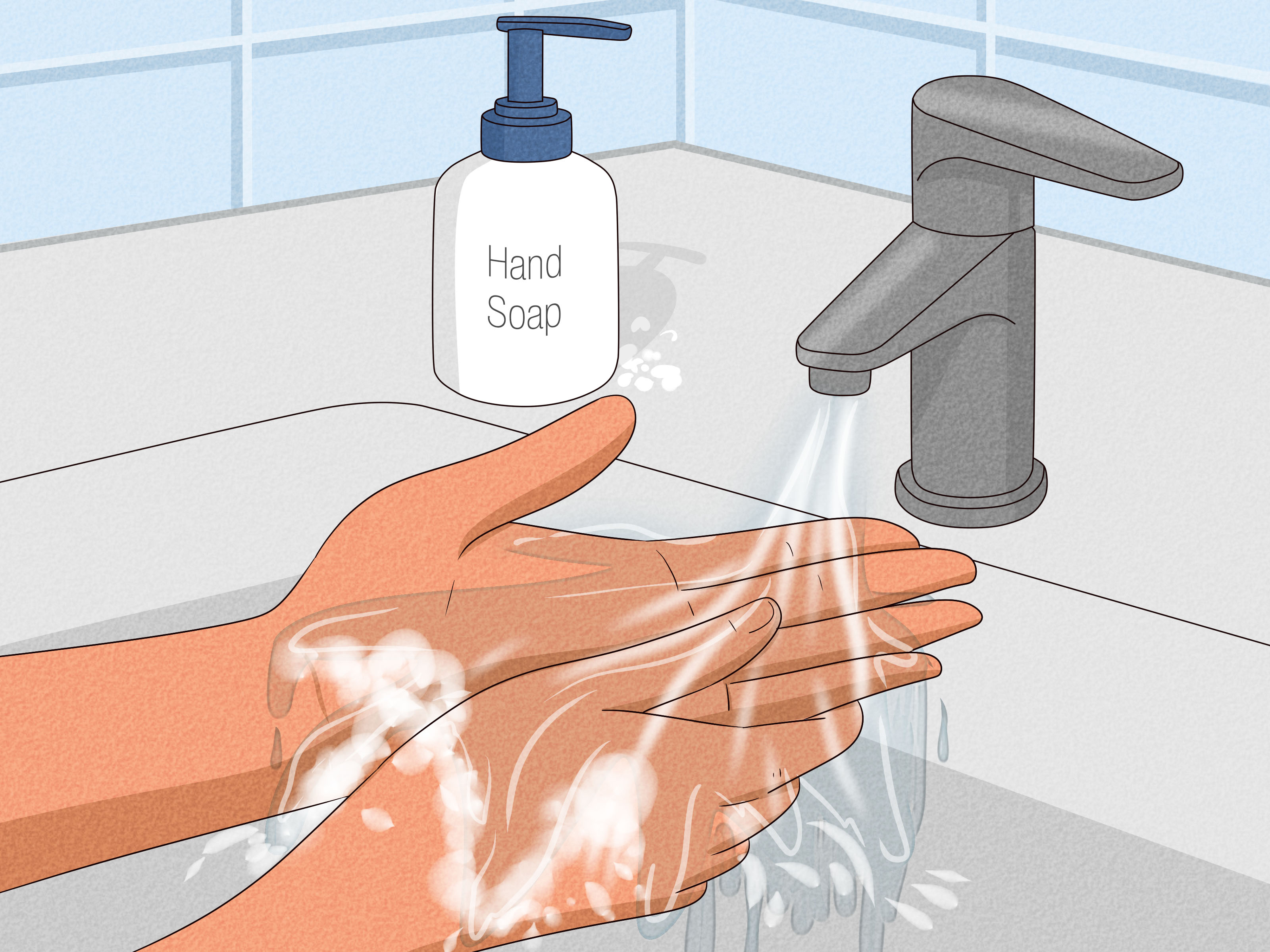
Start the day with a gentle cleanser. If the skin is oily or acne-prone, use a mild foaming or gel cleanser. If the skin is dry or sensitive, a cream or hydrating cleanser may be better. The goal is to remove sweat, oil, and leftover nighttime products without stripping the face.
Teen girls do not need to scrub like they are sanding a picnic table. Scrubbing can irritate the skin and make acne look angrier. Use lukewarm water, massage the cleanser with fingertips for about 20 to 30 seconds, and rinse well. A washcloth is optional, but if used, it should be soft and clean.
Step 2: Apply a Lightweight Moisturizer
Yes, oily skin still needs moisturizer. Oil and hydration are not the same thing. When acne treatments dry out the skin, skipping moisturizer can lead to peeling, tightness, and irritation. The skin may even feel oilier later because it is trying to compensate.
Look for a moisturizer labeled “oil-free,” “non-comedogenic,” or “won’t clog pores.” Ingredients like glycerin, ceramides, niacinamide, and hyaluronic acid can support the skin barrier without feeling heavy. For sensitive skin, fragrance-free is usually the safer choice.
Step 3: Use Broad-Spectrum Sunscreen Every Morning
Sunscreen is not just for beach days, pool parties, or that one family hike where everyone pretends they love nature. Daily sunscreen helps protect against sunburn, long-term skin damage, and dark marks left behind after acne. For teen girls with deeper skin tones, sunscreen is still important because acne spots and hyperpigmentation can linger longer after inflammation.
Choose a broad-spectrum sunscreen with SPF 30 or higher for daily use. If the skin is acne-prone, look for lightweight, oil-free, non-comedogenic formulas. Mineral sunscreens with zinc oxide or titanium dioxide can be helpful for sensitive skin, while chemical sunscreens may feel lighter. The best sunscreen is the one a teen will actually wear every day without declaring war on the texture.
The Simple Nighttime Skincare Routine
Step 1: Remove Makeup and Sunscreen
At night, cleansing matters. Makeup, sunscreen, sweat, and oil can sit on the skin and contribute to clogged pores. If a teen wears makeup or water-resistant sunscreen, she may need a gentle micellar water, cleansing balm, or oil-free makeup remover before using her regular cleanser.
Never sleep in makeup. Not even “just this once.” The skin remembers. So does the pillowcase.
Step 2: Cleanse Without Overwashing
Wash the face once at night with a gentle cleanser. Twice a day is enough for most teen girls. Washing too often can irritate the skin and weaken the moisture barrier. After sports or heavy sweating, cleansing soon afterward is helpful, but the cleanser should still be mild.
Step 3: Add Acne Treatment Carefully
If breakouts are mild, an over-the-counter acne ingredient may help. The key is to introduce one active ingredient at a time. More products do not mean faster results. They often mean dryness, stinging, and a teen standing in front of the mirror wondering why her face feels like toast.
Benzoyl peroxide can help red, inflamed pimples because it targets acne-causing bacteria and helps reduce excess oil. It may be found in cleansers, gels, or spot treatments. Start with a lower strength or use it a few times per week if the skin is sensitive. Warning: benzoyl peroxide can bleach towels, pillowcases, and favorite hoodies. White towels are its natural habitat.
Salicylic acid is useful for clogged pores, blackheads, and whiteheads because it helps exfoliate inside the pore. It may be less drying than some treatments, but it can still irritate if overused. A salicylic acid cleanser or leave-on product a few times weekly may be enough for many teens.
Adapalene 0.1% is an over-the-counter topical retinoid often used for stubborn acne. It helps prevent clogged pores, but it must be used patiently. Start with a pea-sized amount for the whole face, two or three nights a week, then increase as tolerated. Always moisturize, and always use sunscreen in the morning.
Step 4: Moisturize Again
After acne treatment, apply a gentle moisturizer. This step helps reduce dryness and makes it easier to stick with treatment long enough to see results. Acne products can take several weeks to show improvement, so consistency matters more than product-hopping.
What Teen Girls Should Avoid in Skincare
Skincare trends can be fun, but teen skin does not need an adult anti-aging routine. Many young teens should avoid strong retinol products, harsh exfoliating acids, abrasive scrubs, peel pads, alcohol-heavy toners, and fragrance-loaded products unless a dermatologist recommends them. These can irritate the skin barrier and create redness, burning, or breakouts that were not there before.
Also avoid popping pimples. It is tempting. It is also a trap. Picking can push inflammation deeper, increase the risk of scarring, and leave dark marks. A hydrocolloid pimple patch can be a better option for some surface-level pimples because it protects the spot from fingers.
Skincare Tips for Different Teen Skin Types
For Oily or Acne-Prone Skin
Use a gentle foaming cleanser, lightweight moisturizer, non-comedogenic sunscreen, and one acne active at a time. A benzoyl peroxide wash or salicylic acid product may help, but do not layer multiple harsh treatments every day.
For Dry or Sensitive Skin
Choose fragrance-free, creamy cleansers and barrier-supporting moisturizers. Avoid scrubs and strong acids. If acne treatment is needed, start slowly and moisturize before and after treatment if dryness occurs.
For Combination Skin
Combination skin may be oily in the T-zone and dry on the cheeks. Use lightweight products all over, then adjust only where needed. For example, use acne treatment on breakout-prone areas rather than coating the entire face with every active ingredient available.
For Skin of Color
Inflammation from acne can leave dark spots that last for months. Gentle treatment, sunscreen, and avoiding picking are especially important. If dark marks, scarring, or painful acne appear, early dermatologist care can make a major difference.
Makeup, Sports, and Real Teen Life
Teen girls who wear makeup should choose non-comedogenic and oil-free products when possible. Brushes and sponges should be cleaned regularly because old foundation plus bacteria is not exactly a dream team. Makeup should be removed every night, even after dances, sleepovers, or long study sessions.
For athletes, sweat itself is not “dirty,” but leaving sweat, sunscreen, and tight gear on the skin for hours can contribute to breakouts. Wash the face after practice, shower after intense workouts, and avoid staying in sweaty headbands, helmets, or uniforms longer than necessary.
When to See a Dermatologist
A teen should see a doctor or dermatologist if acne is painful, deep, cystic, causing scars, leaving dark marks, or not improving after about 8 to 12 weeks of consistent over-the-counter care. Professional help is also important if acne is affecting confidence, mood, school, or social life. Acne is common, but that does not mean a teen has to “just deal with it.”
Dermatologists can prescribe treatments such as topical antibiotics, prescription retinoids, hormonal therapy for some teen girls, or other medications depending on the severity and pattern of acne. The earlier severe acne is treated, the better the chance of preventing long-term scarring.
A Smart Product Checklist for Teen Skincare
- Gentle cleanser, preferably fragrance-free if skin is sensitive
- Lightweight moisturizer labeled non-comedogenic
- Broad-spectrum sunscreen with SPF 30 or higher
- One acne treatment ingredient at a time
- Oil-free or non-comedogenic makeup
- No harsh scrubs, peel pads, or unnecessary anti-aging products
- Clean towels, pillowcases, makeup brushes, and phone screens
Sample Expert-Backed Skincare Routine for Teen Girls
Morning Routine
- Wash with a gentle cleanser or rinse with water if skin is very dry.
- Apply a lightweight, non-comedogenic moisturizer.
- Apply broad-spectrum SPF 30 or higher sunscreen.
- Use non-comedogenic makeup if desired.
Night Routine
- Remove makeup and sunscreen.
- Cleanse gently with lukewarm water.
- Apply one acne treatment if needed, such as salicylic acid, benzoyl peroxide, or adapalene.
- Finish with moisturizer.
Experience Section: What a Teen Skincare Routine Looks Like in Real Life
The best skincare routine is not the one that looks prettiest on a shelf. It is the one a teen girl can actually follow when life is busy, dramatic, hilarious, and occasionally powered by iced coffee and algebra panic. In real life, a routine has to work on school mornings, after volleyball practice, before a birthday party, and during that very special week when hormones decide to host a breakout festival on the chin.
Imagine a teen named Maya. She used to try whatever was trending online: a scrub on Monday, a peel on Tuesday, three serums on Wednesday, and a clay mask whenever she felt personally attacked by her pores. Her skin became red, tight, and bumpy. The problem was not that she “failed” at skincare. The problem was that her routine was doing too much. Once she switched to a gentle cleanser, a basic moisturizer, daily sunscreen, and a benzoyl peroxide product only a few nights per week, her skin started to calm down. Not overnight, because skin is not a microwave burrito, but gradually.
Then there is the sports situation. After practice, sweat dries on the face, sunscreen mixes with dust, and the forehead may break out under a helmet, cap, or headband. A practical fix is simple: pack gentle cleansing wipes or micellar water for emergencies, then wash properly at home. Change out of sweaty gear quickly. Keep hair products away from the hairline if forehead bumps keep appearing. These tiny habits are not glamorous, but neither is a breakout shaped like a headband.
Makeup days need a plan too. If a teen loves concealer, mascara, blush, or tinted moisturizer, she does not have to quit makeup forever. She should look for non-comedogenic products, avoid sharing eye or face makeup, wash brushes weekly, and remove everything before bed. Sleeping in makeup after a dance or party may feel harmless, but the pores are not impressed. A gentle double cleanse can help remove sunscreen and makeup without scrubbing.
Period-related breakouts are another common experience. Some teen girls notice pimples along the jaw or chin right before their period. Tracking breakouts on a calendar can help reveal patterns. During that time, it may help to stay consistent with the routine, avoid picking, and use spot treatment carefully. If breakouts are painful or leave marks, a dermatologist can offer stronger options.
The emotional side matters as much as the product side. Acne can feel embarrassing, especially when everyone seems filtered, edited, and suspiciously poreless online. A healthy routine should support confidence, not create obsession. Teen girls deserve to know that real skin has texture, pores, oil, dry patches, and occasional pimples. The goal is not perfection. The goal is skin that feels comfortable, protected, and cared for.
Conclusion
An expert-backed skincare routine for teen girls should be simple, gentle, and consistent. Start with a mild cleanser, use a lightweight moisturizer, wear broad-spectrum sunscreen every morning, and add acne treatment only when needed. Avoid harsh scrubs, overloaded routines, and social media trends that promise instant glass skin but deliver irritation with free emotional damage.
Teen skincare works best when it respects the skin barrier and fits real life. With patience, smart ingredients, and early help for stubborn or severe acne, teen girls can build healthy habits that protect their skin now and in the future.
Note: This article is for educational purposes only and should not replace medical advice. A parent, pediatrician, or board-certified dermatologist should be consulted for severe, painful, scarring, sudden, or emotionally distressing acne.