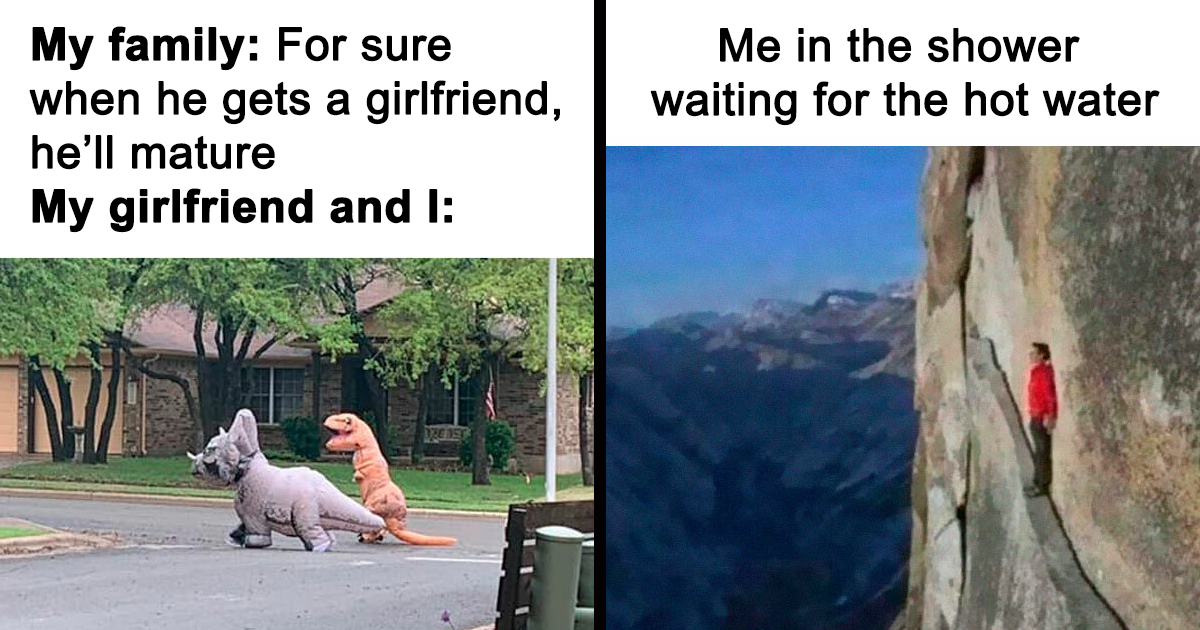
Memes are the internet’s favorite way of saying, “I have a complex emotional state, but I only have twelve seconds and a raccoon picture.” From ancient message boards to TikTok, Reddit, X, Instagram, Tumblr, YouTube, and group chats that should probably be studied by anthropologists, memes have become a shared language. They turn awkward moments, celebrity expressions, pets, cartoons, stock photos, and total nonsense into cultural shorthand.
The best memes of all time are not just funny images. They are tiny cultural machines. They travel fast, mutate constantly, and somehow explain modern life better than a three-hour documentary. A great meme captures a feeling before we even know how to describe it: panic, victory, boredom, betrayal, overconfidence, embarrassment, or the spiritual exhaustion of opening one more work email that begins with “friendly reminder.”
This guide looks at 50 iconic internet memes that shaped digital culture. Some are adorable. Some are chaotic. Some are so old they deserve a pension and a commemorative USB drive. Together, they show how online humor evolved from early web weirdness into a global language.
What Makes a Meme an Internet Culture Icon?
An iconic meme usually has three things: instant recognition, remix potential, and emotional accuracy. People should understand it in one glance, be able to customize it for endless situations, and feel that tiny spark of “yes, that is exactly my life.” That is why image macros, reaction GIFs, viral videos, stock-photo memes, animal memes, and caption templates keep coming back. The format changes, but the human experience remains suspiciously meme-shaped.
50 of the Best Memes of All Time
1. Doge
Doge gave the internet a Shiba Inu, Comic Sans, and a grammar style that sounded like a golden retriever trying to write poetry. “Much wow,” “very meme,” and “so internet” became part of online vocabulary. Doge also jumped from meme culture into cryptocurrency history through Dogecoin.
2. Distracted Boyfriend
A stock photo became one of the most flexible object-labeling memes ever. The boyfriend, girlfriend, and passing woman could represent anything: bad habits, new hobbies, capitalism, snacks, or ignoring responsibilities to reorganize a playlist.
3. Grumpy Cat
Grumpy Cat, whose real name was Tardar Sauce, turned feline displeasure into a global brand. Her unimpressed face became the perfect response to forced optimism, Monday mornings, and people who say “smile more.”
4. Rickroll
The Rickroll is less a meme than a cultural booby trap. A link promises one thing and delivers Rick Astley’s “Never Gonna Give You Up.” It is harmless betrayal with choreography.
5. Nyan Cat
A pixel cat with a Pop-Tart body flying through space while leaving a rainbow trail should not make sense. That is exactly why it worked. Nyan Cat captured the surreal, cheerful absurdity of early YouTube culture.
6. Keyboard Cat
Keyboard Cat became the internet’s musical exit sign. When something failed spectacularly, Keyboard Cat could “play them off,” turning embarrassment into vaudeville.
7. Success Kid
A baby clutching sand with fierce determination became the face of small victories. Success Kid is for finding a parking spot, finishing taxes early, or reheating pizza without turning it into roof shingles.
8. Disaster Girl
Zoë Roth’s sly smile in front of a controlled fire became the ultimate image of suspicious innocence. Disaster Girl says, “I did not technically cause this chaos, but I support its artistic direction.”
9. Bad Luck Brian
Bad Luck Brian turned an awkward school photo into a universal symbol of comic misfortune. The joke is simple: hope enters the room, trips over a backpack, and immediately files an insurance claim.
10. Scumbag Steve
Scumbag Steve became the visual shorthand for unreliable friends, selfish behavior, and people who borrow your hoodie and return it spiritually changed.
11. Overly Attached Girlfriend
This meme used an intense facial expression to exaggerate clingy devotion. It became a classic example of how one screenshot can create an entire character online.
12. Trollface
Trollface is the official smirk of internet mischief. Born from rage-comic culture, it represents the person who knows exactly what they are doing and should probably be supervised.
13. Rage Comics
Rage comics gave the early internet a full emotional cast: rage, sadness, smugness, awkwardness, and “forever alone.” The drawings were simple, but the feelings were painfully accurate.
14. Forever Alone
This rage-comic character became the face of loneliness, social defeat, and being the only person at a party who knows the Wi-Fi password but not anyone’s name.
15. Me Gusta
“Me Gusta” made creepy satisfaction into a meme template. It worked for strange pleasures, guilty snacks, and anything that made people say, “I should not enjoy this, and yet here we are.”
16. Y U No Guy
With one angry face and broken grammar, “Y U No” expressed frustration at technology, people, and the universe. “Printer, Y U No print?” remains a spiritual truth.
17. Philosoraptor
Philosoraptor gave deep thoughts to a dinosaur. The meme asked fake-profound questions that were both ridiculous and oddly philosophical, proving that wisdom is better with claws.
18. Ancient Aliens Guy
Giorgio Tsoukalos’s expressive pose became the template for explaining everything with “aliens.” Lost keys? Aliens. Weird Wi-Fi? Aliens. Your cat staring at the wall? Honestly, maybe aliens.
19. Condescending Wonka
Gene Wilder’s Willy Wonka became a sarcastic reaction meme for politely judging people. It is the digital equivalent of saying, “Oh, fascinating,” while absolutely not meaning it.
20. Leonardo DiCaprio Cheers
DiCaprio raising a glass in “The Great Gatsby” became the internet’s go-to toast for irony, celebration, and passive-aggressive congratulations.
21. Crying Jordan
Michael Jordan’s teary face became one of sports culture’s most enduring reaction images. It appears when teams lose, plans fail, or someone drops a taco shell-first.
22. This Is Fine
A cartoon dog calmly sitting in a burning room perfectly describes modern stress. “This Is Fine” became the anthem of denial, burnout, and pretending everything is under control while the metaphorical curtains ignite.
23. Pepe the Frog
Pepe began as a cartoon frog by Matt Furie and became one of the most complicated meme figures online. At different times, Pepe has represented sadness, silliness, irony, and controversy, showing how memes can change meaning far beyond their creators’ intentions.
24. Kermit Sipping Tea
Kermit drinking tea became the perfect closer for judgment disguised as politeness. “But that’s none of my business” made gossip feel almost elegant.
25. Evil Kermit
Evil Kermit shows the battle between good judgment and terrible impulses. Normal Kermit says, “Save money.” Evil Kermit says, “Buy the deluxe air fryer. It has emotions.”
26. Woman Yelling at Cat
This meme combined a reality TV screenshot with Smudge the cat sitting at dinner. Together, they created a masterpiece of accusation, confusion, and feline refusal.
27. Smudge the Cat
Smudge deserves his own entry because his face says what words cannot: “I did not order this salad, and I would like to speak to the concept of reality.”
28. Surprised Pikachu
Surprised Pikachu is the face of predictable consequences. It is used when someone does the obvious wrong thing and then reacts like physics personally betrayed them.
29. Drake Hotline Bling
Drake’s two-panel reaction template is beautifully efficient: reject one thing, approve another. It became a universal tool for ranking choices, opinions, and snacks.
30. Expanding Brain
The Expanding Brain meme turned bad ideas and fake genius into a glowing journey of escalation. The final panel is rarely smart, but it is always committed.
31. Galaxy Brain
Closely related to Expanding Brain, Galaxy Brain pushed absurd reasoning to cosmic levels. It is perfect for decisions that are technically wrong but spiritually confident.
32. Two Buttons
A sweating cartoon man struggles between two buttons, making this meme ideal for impossible choices. It captures the drama of choosing between productivity and another episode.
33. Change My Mind
Steven Crowder’s table sign became a debate template across the internet. People remixed it for serious arguments, silly opinions, and bold food takes like “fries are just potato noodles.”
34. Mocking SpongeBob
Mocking SpongeBob uses alternating capital letters to imitate childish repetition. It became the internet’s favorite way to be petty without typing a full essay.
35. SpongeBob Imagination
SpongeBob forming a rainbow with his hands became the image of whimsical exaggeration. It is ideal for mocking unrealistic expectations, dramatic plans, and “vision boards” that require billionaire funding.
36. Arthur Fist
A close-up of Arthur’s clenched fist became a perfect symbol of quiet frustration. It is not rage; it is the polite, public-library version of rage.
37. Roll Safe
Roll Safe points to his temple with the confidence of someone delivering terrible logic. The format works because the advice is always technically clever and practically disastrous.
38. Is This a Pigeon?
An anime character misidentifying a butterfly as a pigeon became a classic for misunderstanding obvious things. It is the official meme of bad takes delivered with confidence.
39. Hide the Pain Harold
Harold’s forced smile became the global image of internal suffering wrapped in politeness. It is every work meeting, family gathering, and customer-service voice in one face.
40. Salt Bae
Salt Bae transformed a dramatic seasoning gesture into a symbol of flair. Suddenly, everyone was sprinkling invisible salt onto achievements, outfits, and questionable decisions.
41. Harambe
Harambe became one of the strangest and most persistent memes of the 2010s. What began as a tragic zoo incident became a massive wave of absurd internet remembrance, irony, and commentary.
42. Bernie Sanders Mittens
Bernie Sanders sitting in mittens at the 2021 inauguration became instantly remixable. The image worked because he looked like someone waiting for the pharmacy to open, not attending a national ceremony.
43. The Dress
Was it blue and black or white and gold? The Dress turned the internet into an emergency vision clinic. It proved that even color perception can become a group-chat war.
44. Area 51 Raid
The “Storm Area 51” meme mixed conspiracy culture, absurd planning, and collective imagination. Few people took it literally, but everyone understood the joke: if we Naruto run, they cannot stop us all.
45. OK Boomer
“OK Boomer” became a short, sharp generational clapback. It captured frustration with outdated opinions in two words, which is efficient enough to deserve a productivity award.
46. I Can Has Cheezburger?
LOLcats helped define early meme grammar with cute cats and intentionally silly captions. “I Can Has Cheezburger?” made broken English, cats, and internet humor inseparable for a generation.
47. All Your Base Are Belong to Us
This early gaming meme came from a famously awkward translation in “Zero Wing.” Its strange wording spread across forums, videos, and websites, helping establish remix culture before social media ruled everything.
48. Dancing Baby
The Dancing Baby was one of the earliest viral internet animations. Before memes were polished, monetized, and algorithmically launched into orbit, there was simply a weird 3D baby dancing across inboxes.
49. Charlie Bit My Finger
This viral video showed how everyday family moments could become internet history. A child biting his brother’s finger became one of YouTube’s defining early clips because it was short, funny, and weirdly wholesome.
50. Cheems
Cheems, another beloved Shiba Inu meme, became famous for intentionally misspelled words and soft, anxious humor. It represents a gentler, more vulnerable branch of dog meme culture.
Why These Internet Memes Still Matter
The best memes of all time survive because they do more than make people laugh. They compress complicated emotions into formats that anyone can reuse. A meme is a joke, a reaction, a social signal, and sometimes a tiny protest sign. It can celebrate, criticize, comfort, tease, or simply say, “I too am tired, hungry, and pretending to understand the meeting.”
Memes also reflect changes in technology. Early memes spread through forums, email chains, Flash animations, and blogs. Later memes traveled through Reddit, Tumblr, Twitter, Instagram, TikTok, Discord, and private chats. Each platform changed the style. Image macros favored captions. Reaction GIFs favored expressions. TikTok favored sounds, edits, and participatory formats. Yet the core idea stayed the same: people remix culture to explain themselves.
Experience: What Living Through Meme Culture Feels Like
Experiencing meme culture is a little like living in a comedy club where everyone is also the performer, the audience, the critic, and the person selling suspicious nachos in the back. The first time you understand a meme, you feel like you have been handed a secret password. The first time you use one correctly, you feel like you have joined a tiny civilization. The first time your parents send you a meme six months after it peaked, you understand that all things eventually return to dust.
One of the best parts of internet memes is how they create instant connection. You can send “This Is Fine” to a friend during a stressful workday, and they immediately know you are not actually fine, but you are still functioning at a respectable 42 percent. You can send Surprised Pikachu when someone ignores obvious advice and suffers obvious consequences. You can send Kermit sipping tea when you want to judge without writing a paragraph that will later be used as evidence.
Memes also become personal bookmarks. People remember where they were when Doge took over Tumblr, when The Dress divided families by color perception, when Bernie’s mittens appeared in every possible historical painting, or when Distracted Boyfriend became the visual grammar of temptation. These memes are not just jokes; they are timestamps. They remind us of old platforms, old friendships, old phones, and old versions of ourselves who thought rage comics were the peak of civilization.
Of course, meme culture has its strange side. A meme can be funny on Monday, overused by Wednesday, printed on a corporate coffee mug by Friday, and spiritually deceased by the weekend. Brands often arrive late, wearing sunglasses indoors, asking if “the youths” still enjoy Nyan Cat. But even that cycle is part of the charm. Memes are alive because they move quickly. Their short life span makes the great ones feel even more impressive.
The most iconic memes last because they are adaptable. Doge can be silly, nostalgic, or financial. Kermit can be judgmental or morally conflicted. SpongeBob can mock, imagine, panic, or collapse. The same template can carry thousands of different meanings, depending on context. That flexibility is why memes have become a true digital language rather than disposable jokes.
In daily life, memes help people soften stress. They make bad news easier to discuss, boring tasks easier to survive, and embarrassing moments easier to laugh about. A good meme does not solve your problems, but it gives your problems a caption. Sometimes that is enough to get through the afternoon without becoming a villain origin story.
That is the real magic of meme culture: it turns shared confusion into shared laughter. The internet can be noisy, messy, and occasionally powered by pure raccoon energy, but memes give it rhythm. They let millions of people point at the same absurdity and say, “Yes. That. Exactly.”
Conclusion
From Dancing Baby to Doge, from Grumpy Cat to Distracted Boyfriend, the best memes of all time prove that internet culture has its own folklore. These memes are funny because they are familiar, flexible, and emotionally precise. They travel across platforms, generations, and languages because they capture the universal human experience of being delighted, confused, annoyed, dramatic, hungry, tired, and occasionally very proud of a tiny success.
Memes may look silly, but their impact is serious. They shape online conversations, influence marketing, define digital humor, and preserve cultural moments in a format people actually want to share. The next legendary meme may already be sitting in someone’s camera roll, waiting for the perfect caption and the internet’s questionable judgment.