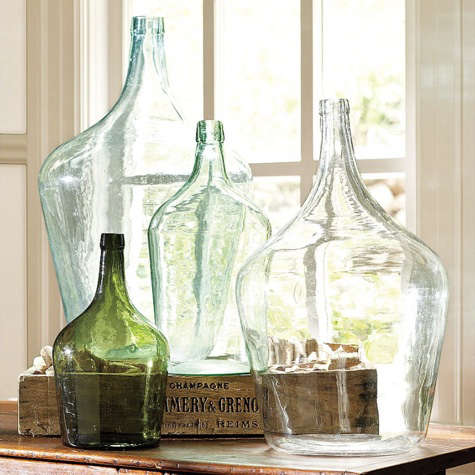
There are ordinary household discoveries, and then there are discoveries that make you stop, stare, and wonder whether a very elegant giant used to live in your neighborhood. Oversized wine bottles fall beautifully into the second category. You might find one at an estate sale, in a restaurant storage room, behind a bar, at a flea market, in a relative’s basement, or sitting dramatically in a thrift shop window like it knows it has better stories than everyone else.
At first glance, a huge wine bottle can look like a novelty item. But large format wine bottles are real pieces of wine culture. They have names like Magnum, Jeroboam, Methuselah, Salmanazar, Balthazar, and Nebuchadnezzarnames so grand they sound less like containers and more like minor characters in an epic fantasy trilogy. Yet behind the theatrical names is a practical world of aging, celebration, collecting, décor, and hospitality.
This guide explores what oversized wine bottles are, why they exist, how to identify them, what they might be worth, and how to use or display them without turning your living room into a suspiciously classy recycling center.
What Are Oversized Wine Bottles?
Oversized wine bottles, also called large format wine bottles, are bottles that hold more than the standard 750 milliliters of wine. The most familiar large format is the magnum, which holds 1.5 liters, or the equivalent of two standard bottles. From there, the sizes climb quickly. A double magnum or Jeroboam usually holds 3 liters. A Methuselah or Imperial holds 6 liters. A Salmanazar holds 9 liters. A Balthazar holds 12 liters. A Nebuchadnezzar holds 15 liters, which equals 20 standard bottles.
That means one Nebuchadnezzar can serve roughly 100 five-ounce pours. In normal party language, that is less “bring a bottle” and more “bring a dolly, a plan, and maybe a motivational speech.”
Large format bottles are most common with Champagne, sparkling wine, Bordeaux, Burgundy, Cabernet Sauvignon, Pinot Noir, Barolo, premium rosé, and cellar-worthy whites. They are used for celebrations, aging, restaurant service, collector releases, and limited winery bottlings. Some are filled and sold commercially; others are empty display bottles used for decoration, promotion, or events.
Why Big Wine Bottles Exist
Oversized wine bottles are not just about showing off, although let us be honest: they are extremely good at showing off. Their appeal comes from a mix of science, tradition, and theater.
They Make Wine Age Differently
One of the main reasons wine lovers care about large format bottles is aging. A larger bottle contains more wine while allowing in roughly the same small amount of oxygen through the closure over time. Because the oxygen-to-wine ratio is lower, the wine usually evolves more slowly and evenly than it would in a standard bottle. This can help preserve freshness, structure, aroma, and balance, especially in wines built for aging.
That does not mean every oversized bottle automatically contains magical wine. A simple wine in a magnum is still a simple wine, just wearing a larger suit. But for high-quality reds, vintage Champagne, structured Chardonnay, and other cellar-worthy wines, larger formats can be excellent vessels for long-term development.
They Turn Any Table Into an Event
A standard bottle says, “We are having dinner.” A magnum says, “We planned ahead.” A Salmanazar says, “Someone has made decisions, and we are all living with them.”
Large format bottles create instant drama. They are popular at weddings, milestone birthdays, anniversaries, holiday parties, winery dinners, charity auctions, and restaurant celebrations. Part of the pleasure is visual. Guests remember the bottle before they remember the salad. The bottle becomes a centerpiece, a photo prop, and a conversation starter before the cork is even pulled.
They Offer Consistent Pours for Groups
For larger gatherings, an oversized wine bottle can also be practical. Instead of opening several standard bottles and risking small bottle-to-bottle variations, one large bottle lets everyone share the same wine from the same vessel. That consistency matters for formal dinners, tastings, and events where the host wants every guest to enjoy the same experience.
Common Oversized Wine Bottle Sizes
Wine bottle names can vary by region, especially between Champagne and Bordeaux traditions. Still, the following list covers the most recognized large formats:
- Magnum: 1.5 liters, equal to 2 standard bottles.
- Double Magnum or Jeroboam: 3 liters, equal to 4 standard bottles.
- Rehoboam: 4.5 liters, equal to 6 standard bottles, often associated with Champagne.
- Methuselah or Imperial: 6 liters, equal to 8 standard bottles.
- Salmanazar: 9 liters, equal to 12 standard bottles.
- Balthazar: 12 liters, equal to 16 standard bottles.
- Nebuchadnezzar: 15 liters, equal to 20 standard bottles.
- Solomon or Melchior: 18 liters, equal to 24 standard bottles.
- Melchizedek or Midas: 30 liters, equal to 40 standard bottles.
The larger the bottle, the rarer and more expensive it tends to be. Production is harder, storage is awkward, shipping is expensive, and opening one requires either confidence or a very calm sommelier.
How to Identify a Found Oversized Wine Bottle
If you found an oversized wine bottle, the first question is simple: is it a real filled bottle, an empty collectible, or a decorative display piece? Start with the label. A genuine bottle should usually show the producer, region, vintage, alcohol percentage, volume, importer information, and government warning if it was sold in the United States. An empty restaurant display bottle may still have a real label, but it might have been opened long ago.
Next, check the volume marking. Look for “1.5L,” “3L,” “6L,” or another measurement on the label or glass. Some bottles also have embossed markings near the base. If the bottle is sealed, inspect the capsule, cork, fill level, and signs of leakage. A low fill level, sticky residue, pushed cork, moldy capsule, or wine stains can suggest heat damage, poor storage, or seepage.
If the bottle is empty, its value depends less on the wine and more on size, brand, condition, label appeal, rarity, and decorative demand. A huge bottle from a famous Champagne house or prestigious Napa winery may be more desirable than an unmarked jug, even if both are empty.
Are Oversized Wine Bottles Valuable?
Sometimes, yes. But the value depends heavily on whether the bottle is full, authentic, properly stored, and from a recognized producer. A sealed magnum of collectible Bordeaux, vintage Champagne, or cult Napa Cabernet can be worth significantly more than two standard bottles, especially if it has provenance. Provenance means a trustworthy history of where the bottle came from and how it was stored. In wine collecting, provenance is not a boring detail; it is the difference between “rare treasure” and “garage mystery juice.”
Empty oversized wine bottles can also have decorative value. Restaurants, wine bars, event planners, photographers, and home decorators use them for displays. Some people turn them into lamps, vases, candle holders, garden accents, or dramatic shelf décor. However, most empty bottles are not highly valuable unless they are very large, branded, rare, beautifully labeled, or connected to a famous producer.
What to Do If You Found a Full Oversized Bottle
If the bottle is full and sealed, do not open it immediately just because curiosity is standing on your shoulder whispering, “Do it.” First, identify the wine. Search the producer, vintage, region, and bottle size. Check whether it is meant for aging or immediate drinking. A giant bottle of fine red wine might be a collectible; a giant bottle of inexpensive sparkling wine might be best enjoyed at a party.
Look closely at storage clues. Wine dislikes heat, sunlight, vibration, and dramatic temperature swings. If the bottle spent ten years above a refrigerator, it may not taste like a collector’s dream. If it came from a cool cellar, wine fridge, professional storage facility, or reputable estate, it has a better chance of being sound.
For potentially valuable bottles, consider contacting a reputable wine merchant, auction house, or certified appraiser. Do not clean the label aggressively, remove capsules, or polish the bottle with household chemicals. Collectors value original condition, even when it looks a little dusty. In wine, dust can be dignity.
How to Serve an Oversized Wine Bottle
Serving a large format bottle takes planning. A magnum is easy enough for one person to pour. A 3-liter bottle is manageable but heavy. Once you get into 6 liters and beyond, the bottle becomes less like table service and more like a team-building exercise.
Chill sparkling wine and rosé well before serving. For a large bottle, cooling takes longer than it does with a standard bottle. Use a large ice bucket, a clean tub, or a cooler filled with ice and water. Water matters because it surrounds the bottle and chills more efficiently than ice alone.
For red wine, avoid serving too warm. Many reds taste best slightly below typical room temperature, especially if the room is warm. If the wine is older, stand the bottle upright in advance to let sediment settle. When opening, use a sturdy corkscrew and patience. If the cork is fragile, a two-prong wine opener can help.
Decanting may be useful for older reds with sediment or younger structured wines that need air. However, decanting a huge bottle can be comically impractical unless you have a very large decanter or several clean vessels. For events, some hosts pour from the large bottle into standard decanters or carafes, then serve from those.
Decorating With Found Oversized Wine Bottles
If the bottle is empty, congratulations: you have acquired décor with shoulders. Oversized wine bottles work beautifully in dining rooms, kitchens, home bars, wine cellars, patios, restaurants, and event spaces. They add height, color, and a sense of story. Green and amber glass can look especially warm near wood, stone, brass, leather, or candlelight.
One simple approach is to display the bottle as-is. Place it on a console table, beside a bar cart, near a fireplace, or in a corner that needs vertical interest. If the label is attractive, face it outward. If the label is damaged, turn the bottle slightly and let the glass shape do the work.
You can also repurpose large bottles into vases. Long branches, eucalyptus, dried grasses, olive stems, cherry blossoms, or seasonal greenery look striking in tall bottles. For a rustic look, leave the bottle bare. For a polished look, pair it with linen, ceramic bowls, and low lighting. The goal is “effortlessly charming,” not “I lost a fight with a craft store.”
Creative Uses for Empty Oversized Wine Bottles
Make a Statement Lamp
A large bottle can become a dramatic table lamp or floor lamp base. This usually requires a bottle lamp kit or help from someone comfortable drilling glass. Use caution, because thick glass can crack if handled incorrectly. A simple shade and warm bulb can turn a found bottle into a custom piece.
Use It as Event Décor
Oversized bottles are perfect for weddings, wine tastings, anniversary parties, and restaurant displays. Add flowers, fairy lights, custom tags, or table numbers. A large bottle near a guest book or dessert table creates a natural photo spot.
Create a Memory Bottle
An empty magnum or larger bottle can hold corks, notes, travel tickets, anniversary cards, or tiny mementos. It becomes a time capsule with better posture. This works especially well for couples, families, or wine clubs that want to collect memories from special dinners.
Use It in the Garden
Large wine bottles can be used as garden accents, especially in Mediterranean-style landscapes. They can sit among herbs, line a patio, or hold solar lights. Just make sure they are stable and protected from strong wind, pets, and enthusiastic children who believe every object is secretly a drum.
Buying Oversized Wine Bottles: What to Know
If finding one has made you want to buy more, start with magnums. They are the easiest large format bottles to find, store, chill, open, and serve. Many wine shops carry magnums of Champagne, rosé, Cabernet Sauvignon, Pinot Noir, and holiday-friendly reds. Larger bottles may require special ordering from a wine merchant or winery.
Before buying, think about storage. A magnum may fit in a wine fridge, but a 6-liter bottle probably will not. Large bottles need stable temperatures, low light, and enough shelf strength to support their weight. They are not ideal for balancing above kitchen cabinets unless your decorating style is “minor earthquake suspense.”
Also consider the occasion. A magnum is excellent for dinner with six to ten people. A 3-liter bottle suits a larger party. A 6-liter or 9-liter bottle is best for a true event. Anything larger should come with a guest list, a serving plan, and at least one person who has opened a large format bottle before.
Common Mistakes to Avoid
The first mistake is assuming bigger always means better. Bottle size can help age-worthy wine develop beautifully, but it cannot fix poor wine. Choose quality first, format second.
The second mistake is ignoring weight. A full 6-liter bottle is heavy, awkward, and slippery when chilled. Always support the base and neck. Do not try to pour one-handed unless you are a professional or a cartoonishly confident uncle.
The third mistake is storing large bottles upright for too long when they have natural corks. Cork-sealed wine is generally best stored on its side to help keep the cork moist. Sparkling wine can be more forgiving because internal pressure helps maintain the seal, but proper storage still matters.
The fourth mistake is treating an old, found bottle as safe or valuable without inspection. Wine can spoil. Corks can fail. Labels can be misleading. Counterfeits exist. Heat damage is real. When in doubt, ask an expert before selling, gifting, or serving a suspicious bottle.
Why Oversized Bottles Feel So Special
Part of the charm of oversized wine bottles is that they are unnecessary in the best possible way. Nobody needs a bottle the size of a toddler to enjoy dinner. But celebration has never been about strict necessity. We light candles when electricity works perfectly. We put flowers on tables even though tables function without flowers. We open big bottles because they tell the room, “This moment is worth remembering.”
Found oversized wine bottles carry even more intrigue because they arrive with a mystery. Who bought it? Was it opened at a wedding? Did it sit in a restaurant window? Was it a gift that nobody knew how to store? Did someone once look at a normal bottle and think, “Respectfully, not enough”?
That sense of story is what makes them fun. Whether full or empty, valuable or purely decorative, an oversized bottle has presence. It asks questions. It starts conversations. It makes guests point. In the world of objects, that is a pretty impressive résumé.
Personal Experiences and Real-Life Moments With Found Oversized Wine Bottles
Finding oversized wine bottles often feels less like shopping and more like discovering evidence of a party you wish you had attended. The first time many people encounter one outside a restaurant or winery, the reaction is usually the same: a pause, a laugh, and the immediate need to compare it to a nearby household object. “This bottle is bigger than my dog” is not a technical measurement, but emotionally, it gets the job done.
Estate sales are especially good places for these discoveries. A dusty magnum tucked behind glassware can tell you a lot about the previous owner. Maybe they hosted dinner parties. Maybe they traveled through Napa or France. Maybe they bought one dramatic bottle every holiday and saved the empties because throwing them away felt rude. Large bottles have a way of making even strangers seem festive.
Restaurants and wine bars also create memorable oversized bottle moments. A Nebuchadnezzar on a high shelf can become part of the room’s personality. Guests may not remember every item on the menu, but they remember the giant bottle watching over dinner like a benevolent glass monument. In some restaurants, empty large formats are signed by winemakers, chefs, or guests after special events. Over time, the bottle becomes a scrapbook with a cork.
At home, found oversized wine bottles can become surprisingly useful design pieces. A magnum on a bar cart adds instant charm. A 3-liter bottle filled with corks becomes a casual record of dinners with friends. A 6-liter bottle holding tall branches can make an entryway look styled without trying too hard. The secret is restraint. One oversized bottle looks intentional. Twelve oversized bottles in a hallway may look like you are preparing to open a very niche museum.
There is also comedy in the logistics. Moving a huge bottle from a flea market to a car requires confidence. Cleaning it requires a sink with patience. Finding a place to display it can turn into a full interior design debate. It may not fit on the shelf you imagined. It may dwarf the lamp next to it. It may make normal bottles look emotionally insecure. But once it finds the right spot, it earns its keep.
The best experiences happen when the bottle becomes a conversation starter. Guests ask where it came from. Someone guesses the size incorrectly. Someone else tries to pronounce Nebuchadnezzar after one glass of wine, which is both brave and rarely successful. The bottle creates a small ritual around curiosity. That is the real magic of found oversized wine bottles: they do not have to be expensive to be memorable.
For collectors, the thrill is in identification. Finding the producer, vintage, format, and history can feel like solving a tiny wine mystery. For decorators, the pleasure is visual. For hosts, the bottle becomes part of the mood. For sentimental people, it becomes a keepsake. And for practical people, it is at minimum a very sturdy vase.
In the end, finding an oversized wine bottle is a reminder that objects can carry atmosphere. A big bottle suggests abundance, celebration, and stories told around a table. Even empty, it feels full of occasion. That is why people keep them, display them, reuse them, and smile when they stumble across one unexpectedly. It is not just glass. It is a party fossil.
Conclusion
Found oversized wine bottles are more than quirky discoveries. They are part of a long tradition of large format wine service, aging, celebration, and display. From the practical magnum to the mighty Nebuchadnezzar, these bottles combine science and spectacle in a way few everyday objects can. If you find one, identify it carefully, check whether it is full or empty, evaluate its condition, and decide whether it belongs in a cellar, at a celebration, or proudly displayed in your home.
Whether it becomes a collector’s item, a party centerpiece, a lamp, a vase, or simply the best conversation starter in the room, an oversized wine bottle brings a little drama wherever it goes. And honestly, in a world full of ordinary containers, sometimes a bottle with main-character energy is exactly what the shelf needed.