Editorial note: This article is original, fully rewritten, and based on real U.S. home décor, textile-care, and window-treatment guidance. No source links are included in the article body for clean publishing.
A sheer linen curtain is the quiet overachiever of interior design. It does not shout, sparkle, or demand a dramatic soundtrack. Instead, it floats near the window, softens harsh sunlight, adds texture, gives a room that “I read design magazines but still own snacks” feeling, and somehow makes everything look calmer. In a world of blackout panels, smart blinds, and complicated window treatments that require a small engineering degree, sheer linen curtains keep things beautifully simple.
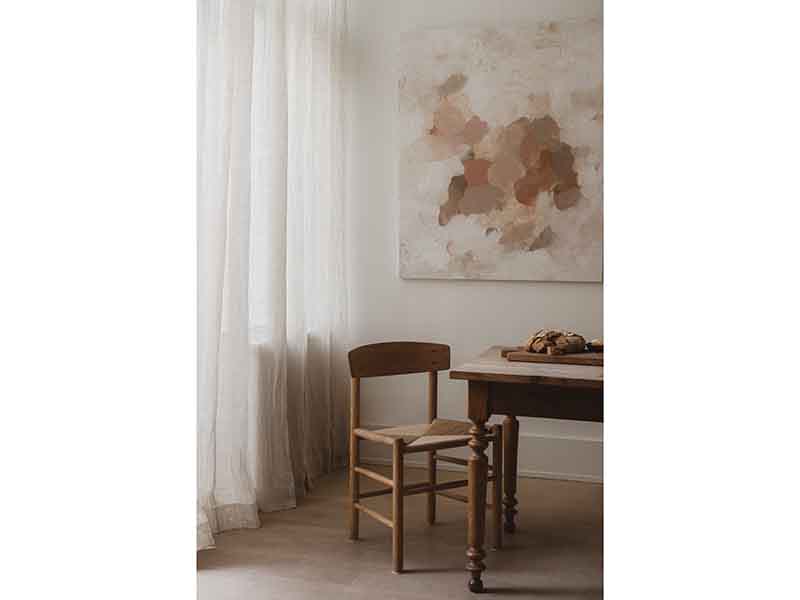
The appeal comes from the combination of two design superpowers: linen and sheerness. Linen brings natural texture, breathability, and an easy, lived-in elegance. Sheer fabric allows daylight to pass through while gently diffusing glare. Together, they create window treatments that feel airy, relaxed, and refined without trying too hard. Whether used in a living room, bedroom, dining area, home office, or sunroom, sheer linen curtains can transform a plain window into a finished design feature.
But before you buy the first pretty white panel you see online, it helps to understand how sheer linen curtains work, where they shine, where they need backup, and how to choose the right size, color, hanging style, and care routine. Because yes, curtains can be emotional. Hang them too short and your room looks like it outgrew its pants.
What Is a Sheer Linen Curtain?
A sheer linen curtain is a lightweight window panel made from linen or a linen blend with an open or semi-transparent weave. Unlike blackout curtains, which are designed to block light, sheer linen curtains are made to filter light. They soften sunshine, reduce glare, and add a graceful layer of privacy during the day while keeping a room bright and open.
Pure linen curtains are made from flax fibers, known for their strength, natural texture, and breathable feel. Many modern sheer linen curtain panels are also made from linen-cotton blends, linen-polyester blends, or certified European flax linen. These blends may reduce wrinkling, improve durability, or lower the cost while still preserving the natural look people love.
Sheer vs. Semi-Sheer vs. Light-Filtering
These terms are often used together, but they are not identical. A sheer curtain is the most transparent option and allows generous daylight into the room. A semi-sheer curtain offers a little more coverage and slightly more privacy. A light-filtering linen curtain may be heavier or lined, allowing daylight to glow through while reducing visibility and glare more effectively.
For bright living areas, sheer linen curtains are often perfect on their own. For bedrooms, bathrooms, street-facing rooms, or any space where nighttime privacy matters, they are usually best paired with shades, blinds, blackout panels, or lined drapes.
Why Sheer Linen Curtains Are So Popular
Sheer linen curtains are popular because they solve several design problems at once. They soften hard architectural lines, make natural light more flattering, add texture without visual clutter, and give a room a finished look. They are especially useful in interiors that feel too stark, too boxy, or too dependent on overhead lighting.
Think of them as the Instagram filter your room did not know it needed. Morning light becomes softer. Afternoon glare becomes less aggressive. The view outside still feels connected to the room, but the window no longer looks naked. That is a lot of work for a piece of fabric hanging politely from a rod.
They Make Light Look Better
The biggest benefit of a sheer linen curtain is light diffusion. Direct sunlight can create glare on screens, fade furniture, and make a space feel harsh. Sheer linen fabric breaks up that light and spreads it more evenly. The result is a gentle glow that feels warmer, calmer, and more comfortable.
This makes sheer linen curtains especially useful in living rooms, breakfast nooks, reading corners, and home offices. In a workspace, they can reduce screen glare without turning the room into a cave. In a dining room, they make lunch feel like a lifestyle photo shoot, even if the meal is leftovers eaten with heroic optimism.
They Add Texture Without Heaviness
Linen has an organic weave that gives it visual depth. Unlike flat synthetic sheers, linen has small irregularities, slubs, and texture that make it feel natural. This is why sheer linen curtains work so well in coastal, modern farmhouse, Scandinavian, organic modern, minimalist, transitional, and casual traditional interiors.
White sheer linen curtains feel crisp and airy. Ivory or oatmeal panels create warmth. Natural flax tones add an earthy, relaxed mood. Soft gray linen curtains feel quiet and sophisticated. Pale blue, sage, or blush linen sheers can introduce color without overpowering the room.
Where to Use Sheer Linen Curtains
Sheer linen curtains are versatile, but they perform differently depending on the room. The best placement depends on how much privacy, light control, and softness you need.
Living Room
The living room is the natural home of the sheer linen curtain. In this space, you often want sunlight, softness, and a welcoming atmosphere. Floor-to-ceiling sheer linen panels can make windows look larger and ceilings feel taller. They also help connect the indoors with the outdoors while keeping the room from feeling exposed during the day.
Bedroom
In a bedroom, sheer linen curtains are beautiful but rarely enough on their own. They can create a romantic, breezy look, but they do not block early morning light or provide strong nighttime privacy. The best solution is layering: sheer linen curtains closest to the glass, with blackout curtains, woven shades, or lined drapes in front. This gives you softness by day and privacy by night.
Dining Room
Dining rooms benefit from the glow of sheer linen. The fabric adds elegance without making the room feel formal or fussy. A natural linen shade works beautifully with wood tables, woven chairs, ceramic lighting, and warm metals. It also helps reduce the “empty echo” feeling that can happen in dining rooms with hard floors and large windows.
Home Office
For a home office, sheer linen curtains can reduce glare while keeping the space cheerful. Choose off-white, warm white, or pale neutral panels to maintain brightness. If the office faces a busy street, pair the curtains with blinds or solar shades for extra privacy and light control.
How to Choose the Right Sheer Linen Curtain
Choosing the right sheer linen curtain is partly practical and partly emotional. You need accurate measurements, but you also need to decide what mood you want. Breezy beach cottage? Clean modern apartment? Soft Parisian bedroom? Calm neutral sanctuary? Your curtain choice can push the room in any of those directions.
Pick the Right Color
White is the classic choice for sheer linen curtains. It keeps rooms bright, clean, and timeless. Ivory and cream are warmer, which helps if your walls are beige, greige, tan, or warm white. Natural flax is excellent for organic and earthy rooms. Gray works well in modern spaces but can feel cool if the room does not get much sunlight.
A simple rule: match the undertone of your curtains to the undertone of your room. Warm walls like warm curtains. Cool walls like cooler curtains. When in doubt, order fabric swatches. Swatches are cheaper than curtain regret, and curtain regret is surprisingly real.
Choose the Right Length
For a polished look, sheer linen curtains should usually reach the floor. The most common designer-friendly options are curtains that just kiss the floor, lightly break at the floor, or puddle slightly. A small puddle can look relaxed and romantic, especially with linen, but it is not ideal for homes with pets, toddlers, robot vacuums, or anyone who treats the living room like a racetrack.
Mounting the curtain rod higher than the window frame makes the ceiling look taller. Extending the rod wider than the window makes the window look larger and allows panels to stack outside the glass, which lets in more light when open.
Get Enough Width
Thin, skimpy curtains can make even expensive fabric look sad. For fullness, the total curtain width should usually be about two times the width of the window. For sheers, you can go even fuller if you want a soft, gathered look. A 48-inch window, for example, often looks better with about 96 inches of total curtain fabric.
Fullness matters because sheer linen is lightweight. Without enough width, the panels may hang flat instead of creating soft folds. And flat curtains are not illegal, but they do look like they were installed during a lunch break.
Best Hanging Styles for Sheer Linen Curtains
The hanging style affects both function and appearance. Rod pocket curtains create a casual gathered look but can be harder to slide open and closed. Back tab curtains look cleaner and more tailored. Ring clips create soft pleats and make panels easier to move. Pinch pleat styles look more formal and custom, especially when hung on rings.
For sheer linen curtains, ring clips are a flexible choice because they allow the fabric to fall naturally and make removal easier for cleaning. Rod pocket panels are better if you want a relaxed, cottage-style look and do not plan to open and close the curtains constantly.
Do Sheer Linen Curtains Provide Privacy?
Sheer linen curtains provide daytime privacy, but only to a point. During the day, when it is brighter outside than inside, they can blur the view into your home. At night, when lights are on indoors, sheer curtains become much more transparent. In other words, they are polite, not secretive.
If privacy is important, layer them with another treatment. Use woven wood shades for texture, roller shades for a clean look, Roman shades for softness, or blackout drapes for bedrooms. Layered window treatments also give a room more depth and allow you to adjust light throughout the day.
How to Style Sheer Linen Curtains
Sheer linen curtains look best when they feel intentional. Pair white linen sheers with black curtain rods for modern contrast. Use brass or antique bronze rods for warmth. Choose wood rods for a natural or coastal look. Keep hardware simple if the fabric is textured, and let the linen do the charming little dance.
In a neutral room, sheer linen curtains can be the soft layer that prevents the space from feeling flat. In a colorful room, they can calm the palette. In a small room, they can make the walls feel taller and the windows feel larger. In a rental, they can cover basic blinds and instantly make the space feel more personal.
Layering Ideas
Layer sheer linen curtains under heavier linen drapes for a classic designer look. Pair them with bamboo shades for organic texture. Use them behind velvet curtains for contrast. Combine them with Roman shades in bedrooms for practical privacy. In a room with sliding glass doors, install extra-wide panels so the fabric stacks cleanly to the side.
How to Care for Sheer Linen Curtains
Linen is durable, but it appreciates gentle care. Always check the care label first because some linen curtains are machine washable while others are dry clean only. Linen can shrink, especially when exposed to hot water or high heat. If machine washing is allowed, use cold or lukewarm water, a gentle cycle, and mild detergent. Avoid overcrowding the washer because linen needs room to move.
Air drying is usually the safest option. Hang the curtains while slightly damp to reduce wrinkles, or steam them after hanging. Do not panic over every crease. Linen wrinkles are part of its character. If polyester curtains wrinkle, they look neglected. If linen wrinkles, people call it “relaxed elegance” and charge more for it.
For regular maintenance, vacuum curtains with a brush attachment or shake them outdoors to remove dust. Spot clean small marks quickly and gently. Avoid harsh scrubbing, bleach, or high heat. With proper care, sheer linen curtains can stay soft, beautiful, and useful for years.
Common Mistakes to Avoid
The first mistake is buying curtains that are too short. Unless you are decorating a café window or a kitchen sink area, most full-length curtains should reach the floor. The second mistake is not buying enough width. Sheers need fullness to look graceful. The third mistake is expecting sheer linen curtains to act like blackout curtains. They will not. They are here for glow, not total darkness.
Another common mistake is choosing a color without checking it in the actual room. A curtain that looks warm white online may look yellow next to cool white walls. A natural flax panel may appear beige in one room and gray in another. Always test fabric in morning, afternoon, and evening light if possible.
Are Sheer Linen Curtains Worth It?
Yes, sheer linen curtains are worth it if you want natural texture, soft daylight, and an elevated but relaxed look. They are especially valuable in rooms where privacy is needed during the day but heavy window coverings would feel too dark. They are not the cheapest option, and they require more thoughtful care than basic polyester sheers, but the visual payoff is significant.
A sheer linen curtain can make a basic room feel finished, a bright room feel softer, and a plain window feel designed. It is one of those home upgrades that seems small until you install it. Then suddenly the room looks calmer, taller, more expensive, and less like you moved in yesterday.
Conclusion
A sheer linen curtain is more than a decorative panel. It is a practical design tool that filters sunlight, adds privacy during the day, softens the mood of a room, and introduces natural texture. The best sheer linen curtains are chosen with attention to length, width, color, weave, and hanging style. They work beautifully alone in living rooms and dining spaces, and they become even more functional when layered with shades, blinds, or blackout drapes in bedrooms and private areas.
For homeowners who want a lighter, more refined alternative to heavy curtains, sheer linen is a timeless choice. It fits modern apartments, coastal cottages, traditional homes, and relaxed family spaces. It is elegant without being stiff, casual without looking unfinished, and practical without looking boring. In short, sheer linen curtains are the design equivalent of good lighting and a deep breath.
Personal Experience and Practical Notes on Sheer Linen Curtains
After working with sheer linen curtains in different rooms, one thing becomes obvious: they change the atmosphere before they change the décor. A room may have the same sofa, same rug, same wall color, and same slightly judgmental houseplant, but once sheer linen panels are installed, the light feels different. The edges soften. The window looks taller. The room feels less exposed. It is not a dramatic makeover; it is more like the room finally learned how to relax.
In living rooms, sheer linen curtains are especially useful when the windows face a street, sidewalk, or neighboring building. They create a visual buffer without blocking natural light. During the day, people outside may still see shapes and movement if they are close to the glass, but the view is softened enough to make the room feel more comfortable. This is helpful in urban apartments where closing heavy curtains all day can make the home feel gloomy.
One practical lesson is to buy more width than you think you need. A single narrow panel on each side of a window often looks unfinished. Linen sheers need generous folds to look intentional. When the panels are full, they fall in soft vertical lines that make the room feel taller. When they are too narrow, they look more like window scarves that lost their confidence.
Another experience-based tip is to steam the curtains after hanging them, not before. Linen wrinkles during packaging, shipping, folding, and installation. If you iron them first, then wrestle them onto a rod, you may end up repeating the work while questioning your life choices. Hang the panels, let them settle for a day, then steam them vertically. Some wrinkles will remain, but that is part of the linen look. The goal is relaxed, not laminated.
Color also matters more than expected. White sheer linen curtains can look crisp and bright, but in rooms with warm beige walls, they may appear too stark. Ivory, oatmeal, or natural flax can feel more harmonious. In cooler rooms with gray floors or blue undertones, a soft white or pale gray linen curtain may look cleaner. The safest approach is to test swatches near the window because daylight can completely change the fabric’s appearance.
For bedrooms, sheer linen curtains alone are not enough for most people. They create a beautiful morning glow, but they do not protect privacy at night when indoor lights are on. A layered setup works much better. Use sheer linen panels for daytime softness and blackout curtains or Roman shades for sleep and privacy. This combination gives the room flexibility, which is just a fancy way of saying you can enjoy sunlight without accidentally starring in a neighborhood shadow puppet show.
Maintenance is manageable if you treat the fabric gently. Dusting or vacuuming regularly keeps the curtains fresh. Washing depends on the label, but cold water, gentle cycles, and air drying are usually safer than heat. If the curtains are expensive, lined, pleated, or labeled dry clean only, professional cleaning is the wiser choice. Linen is strong, but it is not invincible. It prefers care, patience, and absolutely no hot dryer drama.
Overall, sheer linen curtains are one of the easiest ways to make a home feel more finished without adding clutter. They bring softness, movement, texture, and light control in a way that feels natural. They are not perfect for every privacy need, but when used correctly, they make interiors feel calm, thoughtful, and quietly elegant.