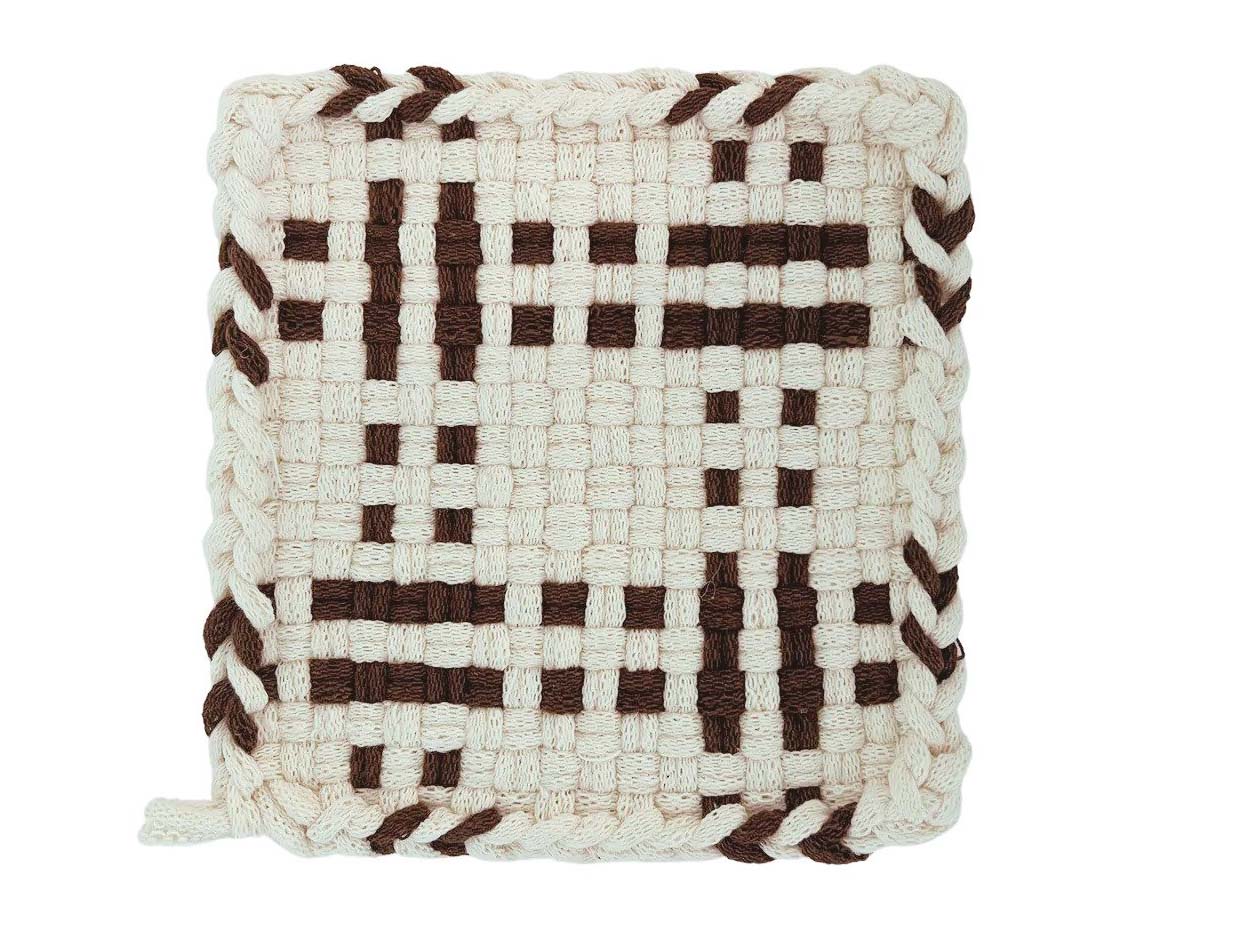
Open weave chocolate and winter potholders sound like something a cozy kitchen invented after drinking hot cocoa and watching snow fall outside. In reality, they are a charming blend of function, texture, color, and seasonal home styling. The phrase brings together three ideas: an open-weave design that feels handmade and breathable, a rich chocolate-brown palette that warms up the room, and a winter-ready potholder that can handle holiday cooking, soup season, and the emotional drama of pulling a bubbling casserole from the oven.
A potholder may be small, but in the kitchen it has the confidence of a bodyguard. It protects hands from hot pans, saves counters from heat marks, andwhen chosen welladds a decorative accent that makes the whole cooking space feel more intentional. The open weave chocolate winter potholder is especially appealing because it looks rustic, modern, and giftable all at once. It belongs beside a Dutch oven, under a cast-iron skillet, next to a tray of cookies, or hanging from a hook like it has its own tiny design degree.
This guide explores what makes an open weave potholder attractive, how chocolate and winter colors work in kitchen decor, which materials are best, how to use and care for one safely, and how to style it as a practical seasonal accessory. We will also look at real-life experience with this type of potholder at the end, because a kitchen item is only truly understood after it has faced soup splashes, cookie sheets, and at least one pan that was “not that hot” until it absolutely was.
What Is an Open Weave Chocolate & Winter Potholder?
An open weave chocolate & winter potholder is a potholder or hot pad designed with visible woven, crocheted, knitted, or looped texture. The “open weave” part usually refers to a pattern with small gaps, raised strands, or interlaced fibers that create visual depth. The “chocolate” part describes the warm brown color familythink cocoa, espresso, dark truffle, cinnamon bark, or toasted walnut. The “winter” part refers to both seasonal styling and practical use during colder months, when kitchens tend to work overtime.
Winter cooking is not shy. It brings roasted vegetables, baked pasta, casseroles, pies, bread, cocoa, stews, and sheet-pan dinners. A potholder used in winter needs to be more than pretty. It should be thick enough for comfort, easy to grip, washable, and durable enough to survive frequent use. A decorative open weave design can be beautiful, but it should be backed by smart construction if it is meant for actual heat handling.
Why Open Weave Designs Are So Popular
Open weave kitchen textiles feel handmade even when they are commercially produced. The texture gives them personality. Compared with a flat printed potholder, an open weave design catches light, adds dimension, and feels more tactile. It can look farmhouse, Scandinavian, rustic, boho, minimalist, or cottage-inspired depending on the weave and color combination.
The key advantage is visual warmth. Kitchens often contain hard surfaces: stone counters, metal appliances, tile backsplashes, glass jars, and wooden boards. A woven potholder softens those surfaces. It makes the kitchen feel lived-in rather than staged. It says, “Yes, meals happen here,” but in a way that still looks good when guests wander in and pretend they are not checking what smells so amazing.
Open Weave vs. Tight Weave
A tight weave or dense stitch is usually better for direct heat protection because it reduces gaps where heat can pass through. An open weave is often more decorative and flexible. That does not mean open weave potholders are useless; it means construction matters. A good winter potholder may use an open-weave top layer for beauty and a dense insulated backing for performance.
If the potholder has large holes, thin yarn, or only a single loose layer, it is better used as a decorative trivet, table accent, mug pad, or serving piece rather than as your main tool for gripping a 425-degree baking dish. Heat has a talent for finding shortcuts, and fingers do not appreciate surprises.
The Beauty of Chocolate Brown in Winter Kitchens
Chocolate brown is one of the most underrated kitchen colors. It is warm without being loud, neutral without being boring, and seasonal without screaming “holiday decoration.” In winter, chocolate tones pair beautifully with cream, ivory, oatmeal, pine green, cranberry red, copper, brass, charcoal, and snowy white.
A chocolate potholder can make a white kitchen feel warmer. It can calm down a colorful kitchen. It can also blend naturally with wood cutting boards, walnut shelves, cast iron, ceramic bakeware, and stoneware mugs. Unlike bright seasonal prints, chocolate brown works from November through Marchand honestly, it looks good in October with pumpkins and in April with fresh bread. Very few kitchen accessories have that kind of range.
Winter Color Pairings That Work
For a cozy winter look, pair chocolate brown potholders with cream dish towels, dark green napkins, and matte black cookware. For a festive but grown-up style, combine chocolate with cranberry, gold, and warm white. For a modern lodge feeling, use chocolate, gray, oatmeal, and natural wood. For a sweet cocoa-bar vibe, place the potholder near mugs, marshmallow jars, cinnamon sticks, and a small tray of spoons.
The best part is that chocolate brown hides minor stains better than pale colors. A white potholder can look personally offended after one encounter with tomato sauce. Chocolate brown is more forgiving. It has seen things. It remains dignified.
Best Materials for a Winter Potholder
The material determines whether a potholder is useful, decorative, or somewhere in between. For kitchen heat protection, cotton and silicone are among the most common choices. Many handmade potholders use cotton yarn because it is durable, washable, and comfortable to handle. Wool can also tolerate heat well, especially when felted, though it requires more careful washing. Silicone provides excellent grip and heat resistance, but it does not have the same soft handmade look as woven cotton.
Cotton
Cotton is a favorite for potholders because it is sturdy, absorbent, and easy to wash. It also feels natural in the hand. For open weave designs, cotton yarn gives structure without looking stiff. A cotton potholder can be crocheted, knitted, quilted, or woven, making it ideal for handmade kitchen decor.
Wool
Wool has natural heat-resistant qualities and can make a thick, cozy potholder. Felted wool is especially dense, which helps with insulation. The downside is care: wool may shrink, felt further, or change texture if washed carelessly. If you choose wool, read the care label and avoid treating it like a gym sock with ambition.
Silicone
Silicone is excellent for grip. It is often used on the back of potholders or oven mitts to prevent slipping when handling slick baking dishes. A chocolate winter potholder with a woven cotton front and silicone backing can offer the best of both worlds: cozy style plus practical control.
Insulated Batting
Quilted potholders often include insulated batting between cotton layers. This internal layer helps slow heat transfer. For decorative open-weave potholders, an insulated backing or dense inner layer is important if the item is meant to handle hot cookware rather than simply decorate a table.
What to Look for Before Buying or Making One
Before choosing an open weave chocolate winter potholder, consider how you plan to use it. A potholder that hangs near the stove for seasonal charm does not need the same specifications as one used daily for cast iron, baking trays, and casserole dishes.
Thickness
A practical potholder should feel substantial. Thin fabric or loose stitching may not provide enough protection. If you can easily see through the weave, treat it cautiously around direct heat. A layered design is safer than a single open layer.
Grip
Texture can help with grip, but too much looseness can reduce control. Look for a stable weave, firm edges, and a size that fits comfortably in your hand. Silicone dots or backing can be useful if you regularly handle heavy cookware.
Size
Most potholders are square or rectangular and large enough to fold around a handle. For winter cooking, bigger is often better. A larger potholder can double as a trivet under a Dutch oven or soup pot. Just do not let it drape near a burner flame, because fabric and fire are not friends, no matter how cute the weave is.
Washability
Winter cooking means gravy, butter, melted cheese, chocolate, and the occasional mysterious stain that no one in the household will confess to creating. Choose a potholder that can be washed regularly. Cotton is generally easier to launder than delicate fibers or embellished designs.
How to Use an Open Weave Potholder Safely
Safety is the serious part, but we can still say it kindly: never assume a decorative potholder is heat-proof just because it looks kitchen-adjacent. Use it according to its construction. If it is thick, layered, and made for heat protection, it can handle normal potholder tasks. If it is loose, thin, or highly decorative, use it as a table trivet, mug mat, bread basket liner, or styling accent.
Keep potholders dry. A wet potholder can transfer heat quickly and may create steam against your skin. Avoid using a greasy or stained potholder near open flame. Do not leave it on a hot burner, under a broiler, or touching the side of a hot pan for long periods. Also, use two potholders when lifting a pot with two handles. One potholder and one confident attitude are not enough.
Styling Ideas for a Cozy Winter Kitchen
An open weave chocolate potholder is more than a heat shield. It can be part of your winter kitchen story. Hang it from a brass hook near the stove. Layer it under a ceramic teapot. Place it on a wooden tray with mugs and cocoa toppings. Fold it with a cream towel and tie both with twine for a simple hostess gift. Use it under a small cast-iron skillet of cornbread at the table.
For holiday styling, combine chocolate potholders with pine sprigs, cinnamon sticks, dried orange slices, and linen napkins. For everyday winter, keep the look simpler: one potholder, one towel, one wooden spoon crock, and one candle that smells like vanilla but does not compete with dinner.
Gift Basket Idea
A chocolate winter potholder makes a thoughtful gift when paired with practical items. Try a baking-themed basket with a potholder, wooden spoon, brownie mix, sea salt, and a handwritten recipe card. Or create a soup-night gift with a potholder, ladle, dried herbs, and a bag of artisan crackers. It is affordable, useful, and personalthe rare gift category that does not end up in a closet wondering what it did wrong.
Handmade Appeal: Crochet, Knit, Quilted, or Loom-Woven
Open weave potholders can be made in several ways. Crochet creates thick texture and decorative stitch patterns. Knitting offers softness and stretch, though it may need dense stitching or double layers for heat protection. Quilting provides structure and insulation, especially with cotton batting and heat-resistant layers. Loom-woven potholders are nostalgic, colorful, and approachable for beginners.
For a chocolate winter theme, makers can use dark brown as the base color and add winter accents: cream stripes, snowflake-inspired stitches, pine green edging, or cranberry loops. The design does not have to be complicated. A simple square with a strong border and hanging loop can look elegant when the color palette is right.
Care and Cleaning Tips
Kitchen textiles collect food residue, oils, and moisture, so potholders should be cleaned regularly. Always check the product label first. Many cotton potholders can be machine washed, while wool or embellished designs may need gentler care. Avoid fabric softener if absorbency or grip matters, because it can leave residue on fibers.
After washing, dry the potholder thoroughly before using it again. Damp fabric is uncomfortable and can be unsafe around heat. If your potholder smells smoky, feels greasy, has thinning spots, or shows scorch marks, retire it from active duty. It can still live a peaceful second life as a decorative mat, but it should not be trusted with a hot skillet.
Common Mistakes to Avoid
The first mistake is using a decorative open weave potholder as if it were a professional oven mitt. Open spaces may allow heat through, especially if there is no backing. The second mistake is using synthetic yarn that may melt or deform under heat. The third mistake is using a wet potholder. The fourth is leaving any potholder close to a burner, toaster oven, or flame.
Another common mistake is buying only one. Winter cooking often involves heavy dishes that require two hands. A matching pair is not just prettier; it is more practical. Besides, potholders are like socks in the laundry universe. One will eventually wander off into mystery.
Why This Small Kitchen Textile Matters
Good kitchen design is not only about cabinets, countertops, and appliances. It is also about small objects that make cooking smoother and the room more welcoming. A potholder sits at the intersection of safety, comfort, and style. You reach for it in quick moments, often without thinking. That makes quality important.
An open weave chocolate winter potholder adds sensory warmth. It looks soft, feels textured, and suggests slow cooking, handmade gifts, and meals that require actual serving spoons. In a season when kitchens become gathering places, that matters. The right potholder can make a simple weeknight meal feel a little more cared for.
Extended Experience: Living With an Open Weave Chocolate & Winter Potholder
Using an open weave chocolate winter potholder over several weeks teaches you things that product photos never mention. First, the color is a quiet hero. Chocolate brown does not shout from across the kitchen, but it improves almost everything around it. Next to white dishes, it feels warm. Beside stainless steel, it softens the shine. On a wood table, it looks like it has always belonged there. It is the kitchen version of a good cardigan: dependable, cozy, and oddly flattering to nearby objects.
The open weave texture also changes how the potholder feels in daily use. A flat potholder works fine, but a woven or crocheted surface gives your hand more feedback. You can feel where the fabric folds around a handle. You can grip the edge of a baking pan with more awareness. When the weave is firm and the potholder is properly layered, it feels both flexible and protective. That balance is important. Too stiff, and it becomes awkward. Too floppy, and you start negotiating with gravity.
During winter cooking, the potholder becomes part of a rhythm. It waits near the stove while soup simmers. It lands under a hot mug when someone makes cocoa. It protects the table from a casserole dish that is too pretty to leave on the counter. It gets folded, dropped, washed, rehung, and grabbed again. A good one does not feel precious. It feels useful. That is exactly what a kitchen textile should be.
One practical lesson is to keep decorative and heavy-duty roles separate. If the potholder is open weave on both sides and fairly thin, it works beautifully as a trivet for warm bowls, teapots, bread baskets, and serving plates. If it has a dense backing or insulated core, it can handle more serious oven work. The best setup is to keep two types nearby: a thick pair for hot pans and a prettier open-weave piece for serving and styling. This way, the attractive potholder gets used often without being pushed beyond its limits.
Cleaning becomes part of the experience too. Chocolate brown hides little marks, but it should not become an excuse for neglect. After baking or cooking greasy foods, washing the potholder keeps it fresh and safer to use. The texture may catch crumbs, flour, or dried herbs, so shaking it out before laundering helps. After washing, reshaping it while damp can keep the edges neat. Hanging it to dry fully is especially important, because a damp potholder near heat is a tiny kitchen betrayal waiting to happen.
As a decor piece, the open weave chocolate potholder is surprisingly flexible. In December, it pairs with evergreen branches and gingerbread tones. In January, it fits with stoneware bowls and creamy neutrals. In February, it looks lovely beside dark red napkins or a chocolate dessert board. Even after winter, it can stay in rotation because brown is not locked to one holiday. It is seasonal without being costume-like.
The best experience comes when the potholder feels personal. Maybe it is handmade. Maybe it was bought from a small shop. Maybe it was part of a gift basket. Maybe it simply matches the kitchen better than expected. Whatever the story, a textured chocolate winter potholder brings a little comfort to ordinary cooking. It reminds us that useful things can still be beautiful, and beautiful things do not have to sit untouched in a drawer like royalty.
Conclusion
The Open Weave Chocolate & Winter Potholder is a small kitchen accessory with a big personality. It combines cozy seasonal color, tactile handmade charm, and everyday usefulness. Whether crocheted, woven, quilted, or designed with an insulated backing, it can protect surfaces, support winter cooking, and add warmth to the kitchen.
The most important takeaway is to match the potholder to the task. Use thick, layered, heat-safe designs for hot cookware. Save looser open-weave styles for trivets, serving pieces, and decoration. Choose washable materials, keep potholders dry, and replace them when they become worn. With the right care, a chocolate winter potholder can be both practical and beautifulthe kind of humble kitchen helper that quietly earns its hook by the stove.
Note: This article is intended for general home, kitchen, and craft guidance. Always follow the manufacturer’s care label and heat-safety instructions for any potholder or oven mitt.