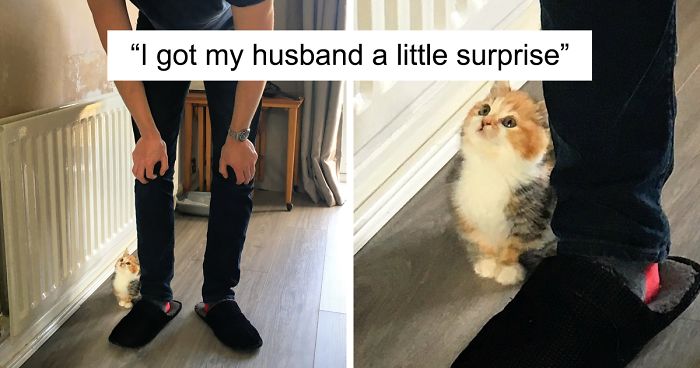
There are many ways pets say “I love you.” Dogs wag. Cats slow blink. Rabbits flop dramatically like tiny theater actors. Birds tilt their heads as if they are evaluating your entire life plan. But nothing hits quite like that quiet, full-face, deeply sincere pet starethe kind that makes an owner stop mid-scroll, mid-coffee, or mid-existential crisis and whisper, “Why are you looking at me like you know my browser history?”
The internet adores photos of pets lovingly staring at their owners because they feel universal. A golden retriever gazing up from the kitchen floor, a rescue cat watching from the windowsill, a parrot locking eyes from a shoulder, a senior dog studying a human’s face like it is the world’s most important weather reportthese moments are sweet, funny, and surprisingly emotional. They remind us that companionship is often built from tiny rituals: the morning greeting, the dinner-table stare, the couch cuddle, the bedtime check-in, and the mysterious bathroom escort service that many pets seem legally committed to providing.
Behind these heartwarming pet photos is real behavior science. Dogs often stare to communicate, seek cues, ask for something, or express attachment. Research on mutual gaze between dogs and humans suggests eye contact can strengthen bonding through oxytocin, sometimes called the “love hormone.” Cats stare for more complicated reasonsattention, curiosity, food, affection, or the royal demand that you open a door they immediately will not enter. Birds, rabbits, and other companion animals also use eye direction, posture, and stillness as part of their body language. In other words, that soul-melting stare may be cute, but it is also communication.
So, let’s celebrate the 40 kinds of pet stares that warm everyone’s hearts, decode why they feel so powerful, and appreciate the tiny furry, feathered, and floppy-eared therapists who make ordinary life feel a little more cinematic.
Why Pet Stares Melt the Internet
Pet staring photos work because they combine three ingredients: trust, comedy, and emotional projection. A dog looking up at its owner with soft eyes can seem like it is saying, “You are my entire universe.” A cat staring from the edge of a bed might be saying, “I love you,” or “The bowl is only 72% full, and this household is collapsing.” Either way, humans are experts at reading emotion into faces, especially the faces of animals we love.
That does not mean we are imagining everything. Pets really do learn our patterns. Dogs study human gestures, voice tone, posture, and routines. Cats notice when we wake up, when we cook, when we sit down, and when we are most emotionally vulnerable to snack-related negotiations. Even rabbits and birds can learn daily rhythms and respond to familiar people. The loving stare often appears when a pet feels safe enough to focus on its human without fear.
Still, context matters. A relaxed gaze with loose body language is different from a hard, frozen stare. A dog with soft eyes, a wiggly body, and a relaxed mouth is probably comfortable. A stiff dog staring directly, especially with growling, raised hackles, or tension, may need space. A cat staring with slow blinks and relaxed posture is not the same as a cat crouched, tail lashing, pupils wide, and ears back. The internet loves the adorable version, but good owners learn the whole sentence, not just the eye contact punctuation.
40 Heartwarming Pet Stares That Say More Than Words
1. The “You Came Home” Stare
This is the look a dog gives when the front door opens and their favorite person appears. It is half disbelief, half worship, and fully dramatic. You were gone for 23 minutes. To them, you returned from a legendary expedition.
2. The Rescue Pet Realization Stare
Many adopters describe a moment when a rescued animal seems to understand, “I am safe now.” The stare is quiet, cautious, and tender. It does not need fireworks; it needs a couch, patience, and a bowl that stays full.
3. The Cat Slow-Blink Stare
A cat staring with half-closed eyes and slow blinks can feel like receiving a handwritten love letter from a tiny, judgmental poet. It is subtle, but cat people know: this is premium affection.
4. The Dinner Table Philosopher
This pet sits beside the table and stares as if asking, “What is morality, and does it apply to chicken?” It is not subtle, but it is persuasive. No lawyer has ever matched the emotional force of a Labrador watching someone eat toast.
5. The Bedtime Guardian
Some pets stare before sleep, checking that their human is settled. It may be routine, comfort, or habit, but it feels like having a tiny night watchman who occasionally snores louder than a lawn mower.
6. The Bathroom Escort Stare
Many pets follow their owners into the bathroom and stare like security staff assigned to a high-profile celebrity. Is it loyalty? Curiosity? Poor boundaries? Yes.
7. The Senior Dog Soul Gaze
Older dogs often have a way of looking at people that feels wise, soft, and impossibly deep. Their gray muzzles and calm eyes can turn a simple photo into an emotional event.
8. The Puppy Confusion Stare
A puppy hearing a new sound may tilt its head and stare with total concentration. It is adorable because you can practically see the loading screen spinning behind those eyes.
9. The “Throw It Again” Stare
This stare usually comes with a tennis ball placed directly on a human foot. The message is clear: negotiations are over. The throwing department must resume operations immediately.
10. The Window Cat Watch
A cat gazing at its owner from a window can look like a tiny Victorian ghost waiting for a sailor to return from sea. In reality, they may want attention, food, or to report suspicious bird activity.
11. The Parrot Side-Eye of Devotion
Birds often communicate with posture, feathers, eye movement, and head position. A relaxed parrot staring from a shoulder can look both affectionate and mildly supervisory, like a tiny manager with wings.
12. The Rabbit Across-the-Room Stare
Rabbits are prey animals, so trust can be quiet. A bunny calmly watching from across the room may be saying, “I see you, I know you, and I am comfortable enough not to vanish under furniture.” That is a big compliment in rabbit language.
13. The “You Are Sad, I Know” Stare
Many owners believe their pets notice emotional changes. Whether responding to posture, tone, tears, or routine disruption, pets often move closer when humans feel low. Their stare can feel like a warm blanket with whiskers.
14. The Kitchen Floor Hope Stare
This is common among dogs and bold cats. The pet sits in the exact spot where food has historically fallen. It is not begging; it is data-driven optimism.
15. The New Baby Protector Stare
Photos of pets calmly watching over babies often go viral because they feel protective and tender. Responsible supervision is always essential, but the emotional image is undeniably powerful.
16. The “I Did Something” Stare
A pet staring from the hallway while a shredded paper towel lies in the next room is not exactly confession. It is more like an experimental legal strategy.
17. The Rainy Day Couch Stare
Some pets watch their owners during quiet afternoons as if the whole world has shrunk to one blanket, one couch, and one perfect human-shaped heater.
18. The Shelter Kennel Stare
Photos from shelters can be heartbreaking and hopeful at once. A dog or cat looking directly through the kennel door reminds viewers that every adoptable pet has a personality, a story, and a future waiting to begin.
19. The “Please Share Your Snack” Stare
This stare is powerful because it contains no anger, only faith. Your pet believes you are generous. Your pet believes cheese is a community resource.
20. The Morning Wake-Up Stare
Waking up to a pet staring inches from your face can be alarming, but usually the message is simple: breakfast exists, and you are the only employee on shift.
21. The Car Ride Trust Stare
A dog looking back from the passenger seat or crate during a drive can feel incredibly sweet. The world is moving fast, but their human is nearby, and that seems to be enough.
22. The Grooming Table Stare
Freshly bathed pets often stare as if betrayed by civilization itself. Yet once dry and fluffy, they return to loving eye contact, proving forgiveness is possible after shampoo.
23. The “You’re Working Too Much” Stare
A cat sitting on a laptop or a dog resting a chin on a knee has a clear message: spreadsheets are temporary, cuddles are forever.
24. The Tiny Pet, Giant Feelings Stare
Hamsters, guinea pigs, and small animals can deliver surprisingly intense looks. Their faces are small, but their snack expectations are enormous.
25. The Snow Day Stare
A dog staring through snowy fur after a backyard adventure can look like a heroic explorer. A cat staring at snow from indoors looks like a landlord reviewing unacceptable weather conditions.
26. The “I Chose You” Stare
When a pet curls beside one person in a crowded room and looks up at them, it feels like being selected by a tiny emotional committee. The vote is unanimous.
27. The Vet Office Trust Stare
In stressful places, pets often look to their owners for reassurance. That eye contact can be a reminder that companionship includes responsibility, calmness, and showing up when things are uncomfortable.
28. The “Read My Mind” Stare
Some pets stare silently until the human guesses the problem: empty water bowl, closed door, missing toy, forbidden cabinet, or the tragic absence of second dinner.
29. The Foster Pet First-Cuddle Stare
Foster families often witness the first moment a frightened animal relaxes. A pet looking up during that first cuddle can feel like a little sunrise.
30. The Bird-on-the-Shoulder Stare
A bird calmly watching its owner from shoulder height has main-character energy. It is affectionate, curious, and slightly pirate-coded.
31. The “I Heard the Leash” Stare
Some dogs can hear a leash being touched from another dimension. The stare that follows is bright, focused, and full of athletic delusion.
32. The Cat From the Staircase Stare
Cats love staring from elevated places. It makes them look mysterious, regal, and like they know who moved the hair tie under the refrigerator.
33. The “Comfort Human” Stare
Pets often bond with the person who feeds, walks, plays, and comforts them. Their gaze can reflect routine trust: “You are my safe place, and also my snack distributor.”
34. The Holiday Sweater Stare
A pet in a festive outfit may stare with deep patience and quiet disappointment. The photo warms hearts because dignity has temporarily been exchanged for cuteness.
35. The “I’m Listening” Stare
Many owners talk to pets while cooking, cleaning, or worrying aloud. A pet staring back can feel like the best listener in the house, even if their advice is mostly blinking.
36. The Backyard Adventure Stare
After chasing leaves, sniffing fences, or supervising squirrels, pets often look back as if to say, “Did you see that? I was magnificent.” They usually were.
37. The Sick-Day Companion Stare
When humans are ill, many pets stay close. A quiet stare from the foot of the bed can feel deeply comforting, like a little nurse with no medical degree but excellent bedside manner.
38. The “Don’t Leave” Stare
Pets recognize departure rituals: keys, shoes, bags, jackets. Their stare can tug at the heart because it captures attachment in one silent frame.
39. The Reunion Stare
After a trip, hospitalization, deployment, college semester, or long workday, the first look between pet and owner can be unforgettable. The stare says everything the tail, purr, chirp, or zoomies cannot finish.
40. The Everyday Love Stare
The most touching pet stare is not always dramatic. Sometimes it is just a dog watching from the rug, a cat blinking from the couch, or a rabbit resting nearby. No big event. No perfect lighting. Just love, quietly doing its regular Tuesday shift.
The Science Behind the “Soul Stare”
One reason pet stares feel so emotional is that humans are wired to respond to eyes. Eye contact helps us read attention, emotion, and intention. When a beloved animal looks at us softly, our brains often interpret that moment as connection. With dogs, research suggests mutual gaze can support bonding between dogs and humans, helping explain why a dog’s adoring look can feel almost human in its warmth.
But dogs are not the only pets communicating with their eyes. Cats may stare because they are relaxed, curious, hungry, playful, or asking for attention. A slow blink, loose body, and calm posture can suggest comfort. Birds may use eye movement, feather position, vocalizations, and posture to communicate excitement or stress. Rabbits often express trust through relaxed body language, flopping, grooming, and calm presence. The key is to read the entire animal, not just the eyes.
There is also a health-and-wellness angle. Studies and public health sources have linked pet companionship with benefits such as lower stress, reduced loneliness, more opportunities for exercise, and a stronger sense of social support. That does not mean pets are magic cures, though many owners would argue their cat’s purr has at least minor supernatural properties. It means human-animal relationships can support emotional well-being in real, everyday ways.
Why These Photos Feel So Personal
Part of the charm of “pets staring into their owners’ souls” is that every viewer recognizes the scene. Even if the animal in the photo is not yours, the feeling is familiar. It brings back your own pet’s kitchen stare, couch stare, doorway stare, or “I need emotional support because the vacuum exists” stare.
These images also flip the usual internet mood. Online spaces can be noisy, sarcastic, and exhausting. A gallery of animals looking at their humans with trust offers a tiny reset button. It is wholesome without being boring, funny without being cruel, and emotional without needing a grand speech. A dog’s eyes, a cat’s blink, or a rabbit’s patient little face can do what 900 motivational quotes cannot.
There is also something beautifully democratic about pet love. A mutt, a purebred cat, a senior rescue, a tiny parakeet, a three-legged dog, a shy rabbit, or a scruffy shelter kitten can all become the star of a heartwarming photo. The magic is not perfection. It is connection.
How to Tell If a Pet’s Stare Is Loving, Curious, or Concerned
Look for Relaxed Body Language
A soft stare usually comes with a relaxed body. Dogs may have loose posture, soft eyes, a gently wagging tail, or a relaxed mouth. Cats may slow blink, sit comfortably, purr, or keep their ears neutral. Rabbits may rest calmly, groom, or flop nearby. Birds may appear alert but not tense, with comfortable posture and normal vocal behavior.
Notice the Context
A pet staring while you hold food is probably not composing poetry about your bond. A dog staring at the leash wants a walk. A cat staring beside an empty bowl has filed a formal complaint. A bird staring at a favorite treat may be excited. Context turns a mysterious look into a readable message.
Respect Warning Signs
A hard stare can be a warning, especially if paired with stiffness, growling, lunging, flattened ears, tail lashing, puffed feathers, hiding, or repeated stress signals. Loving pet content should never encourage people to force eye contact or crowd an uncomfortable animal. The sweetest bond is built on respect.
Why Pet Owners Treasure These Moments
Owners often remember the stares because they happen during ordinary life. A pet looks up while you are folding laundry, and suddenly the room feels softer. A cat watches you from the end of the bed after a hard day, and the silence feels less lonely. A dog rests its chin on your knee while you answer emails, and your priorities rearrange themselves with suspicious speed.
These moments matter because pets are present. They do not care if your inbox is terrifying, your hair is doing something unusual, or your plan for the day collapsed before lunch. They care that you are there. They care that the routine continues. They care that the couch has enough space for both of you, even if “both of you” somehow means they get 87% of it.
of Real-Life Experience: What These Soulful Pet Stares Teach Us
Anyone who has lived with a pet knows that the stare becomes part of the relationship. At first, it can be funny or even a little strange. You turn around and your dog is watching from the hallway. You wake up and your cat is sitting on your chest like a tiny judge. You glance across the room and your rabbit is still, alert, and apparently waiting for you to make one correct decision in your life. Over time, though, those looks become familiar. They become part of home.
One of the most powerful experiences with pets is realizing that their attention is not random. A dog may stare when you pick up a jacket because it has learned that jackets mean leaving. A cat may stare when you sit in a favorite chair because that chair has become the official petting station. A bird may watch closely when you open a container because containers sometimes contain treats, and no bird has ever been too busy to investigate a snack-related development. These repeated moments create a shared language. You learn them, and they learn you.
There is also comfort in the way pets notice our emotional weather. Many owners have stories of a pet approaching during grief, stress, or sickness. Maybe the animal smelled a change, heard a different tone, noticed unusual stillness, or simply responded to a broken routine. Whatever the reason, the result feels intimate. A pet’s stare can say, without words, “I am here.” That may not solve the problem, but it can make the room feel less empty.
Pet stares also teach patience. Animals do not communicate on human schedules. A shy rescue cat may take months before offering a steady, relaxed gaze. A nervous dog may need routine before eye contact feels safe. A rabbit may show trust through calm nearness instead of cuddles. A parrot may need careful observation before its excitement and stress signals become clear. When owners slow down enough to understand these differences, the relationship deepens.
And yes, sometimes the stare is absolutely about food. That does not make it less charming. Love and snacks have always had a complicated relationship. A dog can adore you and still believe your sandwich should be legally redistributed. A cat can cherish your presence and still view you primarily as the opener of cans. The humor is part of the bond. Pets make us laugh because they are sincere about everything, including ridiculous things.
In the end, the reason these 40 pet stares warm everyone’s hearts is simple: they show connection without performance. No speeches. No filters required. Just an animal looking at a human with curiosity, trust, need, or affectionand a human feeling lucky to be seen.
Conclusion
Photos of pets lovingly staring into their owners’ souls are more than cute internet content. They capture the small, meaningful exchanges that make human-animal bonds so powerful. A soft dog gaze, a cat’s slow blink, a rabbit’s calm attention, or a bird’s curious side-eye can remind us that love is often quiet, routine, and wonderfully weird.
These stares warm hearts because they feel honest. Pets do not need perfect captions or dramatic music. Their faces already tell the story: trust me, feed me, comfort me, notice me, stay with me. And because we love them, we usually understandespecially the feed me part.
Whether you are a lifelong pet owner, a shelter volunteer, a foster family, or simply someone who pauses for every adorable animal photo online, these moments offer the same message: companionship matters. Sometimes the smallest eyes in the room see us most clearly.