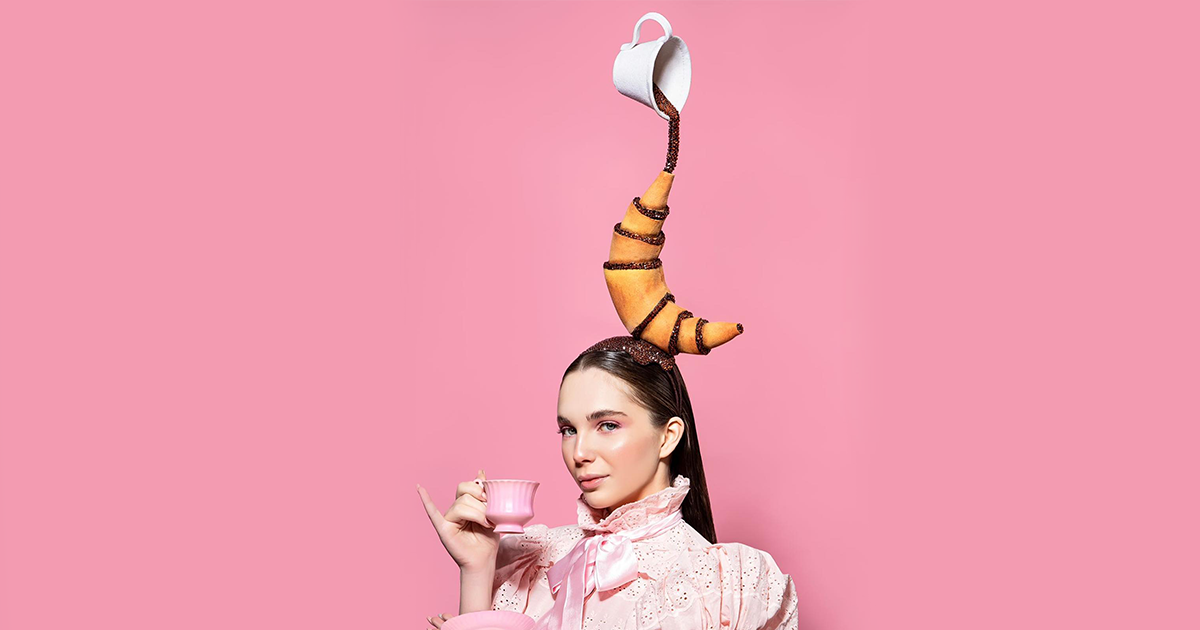
Some hats whisper. Some hats politely introduce themselves at brunch. And then there are Maor Zabar’s hats, which burst through the door wearing sequins, carrying a tiny lobster, and asking whether anyone has seen the runway.
If you have ever believed that a hat is simply something you wear to keep the sun off your face, prepare to have that small, practical idea gently escorted out of the building. The world of millinery is far stranger, funnier, and more artistic than most people realize, and Zabar’s surreal headpieces are proof that the human head is not just a place for hair, headphones, and Monday-morning stress. It can also be a stage.
The viral collection often described as “the craziest headpieces and hats” features 62 images of wearable sculptures that look like they escaped from a fashion museum, a theater prop room, and a very stylish fever dream at the same time. Food fascinators, sea creatures, flowers, masks, oversized textures, and odd little visual jokes all appear in his work. Some pieces look delicious. Some look dangerous. Some look like they would start a conversation before the wearer even opened their mouth.
And that is exactly the point.
Who Is Maor Zabar?
Maor Zabar is a Tel Aviv-based millinery and fashion designer known for handmade, surreal, and often humorous hats and headpieces. His atelier, Maor Zabar Hats, specializes in couture millinery that turns everyday objects, natural forms, and playful scenes into art you can wear on your head.
Zabar’s background helps explain why his designs feel so theatrical. He studied fashion and costume design, worked in costume design for theater, television, dance, and performance, and developed a strong eye for storytelling. Instead of treating a hat as an accessory, he treats it as a character. A Zabar headpiece does not complete an outfit in the quiet way a belt does. It enters the scene, takes a bow, and possibly steals the entire show.
His work is especially popular among people who see fashion as performance: drag artists, Burning Man attendees, partygoers, fashion lovers, collectors, brides with a sense of adventure, and anyone who thinks “subtle” is just a word invented by beige curtains.
What Makes These Headpieces So Wild?
The first thing you notice is the subject matter. Zabar’s hats are not limited to classic brims, bows, veils, and flowers, though he can absolutely work with those. His collections include food-inspired hats, sea creature designs, floral pieces, insect-like forms, political references, party-themed fascinators, and miniature scenes that seem to tell tiny stories from the top of the wearer’s head.
One piece may look like a perfect plate of sushi. Another might resemble a carnivorous plant. A different headpiece may suggest coral, fruit, pastry, a mask, or a strange creature from a glittery undersea kingdom. The result is a gallery of wearable surrealism: fashion that makes people look twice, smile, and then wonder whether the wearer is brave, brilliant, or simply very hungry.
Food Hats That Look Almost Too Real
Zabar’s food hats are among his most recognizable creations. These are not lazy novelty caps with a hot dog printed on the front. They are sculptural, carefully made pieces that can resemble sushi, vegetables, desserts, eggs, salads, fruit, and other edible subjects. They are funny because they are absurd, but they are impressive because they are crafted with serious skill.
That combination is rare. A poorly made food hat looks like a school project after a glue-gun accident. A Maor Zabar food hat looks like a couture object with a punchline. The joke works because the craftsmanship is strong enough to support it.
Food also makes the work instantly relatable. Everyone understands a strawberry, a radish, a slice of cake, or an avocado. By placing those familiar things on the head, Zabar changes the conversation. Suddenly the everyday becomes theatrical. Lunch becomes luxury. The grocery aisle becomes a runway.
Sea Creatures, Flowers, and Wearable Escapism
The sea creature pieces show another side of his imagination. These designs often feel organic, fluid, and fantastical. They suggest coral reefs, tentacles, shells, underwater plants, and creatures that might politely ruin your beach vacation if they were real.
Floral and plant-inspired pieces are equally dramatic. In many fashion traditions, flowers are soft, romantic decorations. Zabar’s flowers can be dreamy, oversized, strange, glamorous, or slightly mischievous. They are less “garden party” and more “the garden has gained confidence and hired a stylist.”
This sense of escapism is central to the appeal. His hats are playful, but they also offer a way to step out of ordinary life. A surreal headpiece says, “Today, I am not simply going to an event. I am arriving as a concept.”
The Art of Millinery: More Than Just Making Hats
Millinery is the design and creation of hats and headwear, but that simple definition does not capture the full range of the craft. Traditional millinery can involve blocking felt or straw, shaping materials over wooden forms, wiring brims, sewing by hand, trimming with feathers or veils, and balancing structure with comfort. It is part sculpture, part engineering, part fashion design, and part magic trick.
The best milliners understand proportion. A headpiece must sit correctly on the head, relate to the face, work with the body, and survive movement. It must look intentional from a distance and interesting up close. It also has to stay put, because nothing ruins a dramatic entrance like chasing your couture mushroom across the floor.
Zabar’s work pushes millinery into the territory of wearable art. His pieces are not only about looking elegant. They are about surprise, humor, fantasy, and personality. In that sense, they connect to a long tradition of statement hats in fashion history. Museums have celebrated millinery as an important craft, and famous hats have often become cultural moments, from royal events to red carpets to stage performances.
Why These Hats Work So Well Online
It is no surprise that Zabar’s headpieces spread quickly online. Visual platforms reward images that stop the scroll, and few things stop the scroll faster than a person wearing what appears to be an entire seafood restaurant on their head.
His designs are instantly understandable but still surprising. That is the sweet spot for viral fashion. Viewers do not need a degree in textile history to enjoy a hat shaped like a dessert, but the more they look, the more they notice details: texture, color, construction, balance, humor, and styling.
The 62-photo format also works because each image offers a new visual punch. One hat is funny. Ten hats become a pattern. Sixty-two hats create a world. By the end, the viewer understands that this is not a gimmick. It is a complete creative language.
From Costume Design to Couture Headwear
Zabar’s costume design background gives his millinery a sense of narrative. Costume designers do not simply make clothing; they help build characters. They ask what a person’s clothes reveal about mood, history, status, fantasy, and movement. That approach appears in his hats.
Many of his pieces feel like they belong to someone specific. A sea creature headpiece might be worn by an underwater queen. A food hat might belong to a glamorous chef from a parallel universe. A floral piece might suit a bride who wants romance but refuses to be boring. A carnivorous plant fascinator might be perfect for someone who likes compliments but prefers them delivered from a safe distance.
This theatrical quality is why the hats are so appealing for drag performers, stage artists, and festivals. They do not merely decorate the wearer; they give the wearer a role to play.
The Craft Behind the Comedy
Humor in fashion can be risky. If the object is poorly made, the joke becomes cheap. If the joke is too obscure, the viewer feels left out. Zabar avoids both problems by making pieces that are visually clear, technically controlled, and full of personality.
His use of color is especially important. Many pieces are bright, saturated, and joyful. The colors help the forms feel alive, whether the subject is food, flowers, or fantasy creatures. The result is not minimalism. It is maximalism with manners.
Materials also matter. Milliners often work with felt, straw, fabric, wire, feathers, and trims, but Zabar’s practice includes experimenting with unusual textures and techniques. His work shows how a designer can use traditional foundations while inventing new surfaces, shapes, and effects. That willingness to experiment keeps the pieces from feeling like ordinary hats with decorations glued on top. They feel built from the inside out.
Why People Love Wearing Statement Headpieces
A dramatic hat changes the wearer’s posture. Put on a baseball cap and you might run errands. Put on a sculptural fascinator shaped like an exotic flower and suddenly you are not “picking up oat milk.” You are “making an appearance.”
Statement headpieces give people permission to be seen. They are especially powerful at weddings, festivals, fashion events, drag shows, themed parties, gallery openings, and performances. They invite strangers to comment, laugh, ask questions, and take photos. In a world where many outfits are designed to blend in, a surreal hat proudly refuses.
There is also something wonderfully democratic about the joy of hats. You do not need to change your entire body to enjoy one. A hat can transform a simple outfit instantly. Jeans and a black shirt become a look if the headpiece is doing enough glorious nonsense up top.
Millinery in the Age of Instagram and Red Carpets
Modern millinery has found new life through social media, celebrity styling, drag culture, fashion editorials, and destination events. While everyday hat-wearing is not as common as it was in earlier decades, the statement hat has become more powerful precisely because it is less expected.
When someone wears a major headpiece today, it signals intention. It says the wearer thought about the moment. It also photographs beautifully, which matters in a digital culture built on images. A strong hat creates instant silhouette, drama, and shareability.
This is why designers like Zabar matter. They show that millinery is not a dusty old craft locked in a costume archive. It is alive, weird, funny, and ready for its close-up.
Specific Examples That Capture the Maor Zabar Spirit
Several themes stand out across Zabar’s work. The food pieces are probably the easiest entry point because they mix realism with absurd placement. A vegetable, dessert, or egg becomes funny when elevated into couture. The sea creature pieces lean more into fantasy and texture, making the head feel like a living reef. The floral headpieces combine romance with exaggeration, turning flowers into architectural statements.
There are also more conceptual pieces that use masks, social commentary, or party references. These designs remind us that headwear can respond to current events and cultural moods. A hat can be beautiful, but it can also be witty, critical, emotional, or strange. In Zabar’s hands, the headpiece becomes a small stage for big ideas.
Why These Hats Are Not Just “Crazy”
The word “crazy” is often used online to describe anything unusual, but Zabar’s hats deserve a better reading. Yes, they are wild. Yes, some look like they were designed during a very productive dream. But they are not random.
They are controlled acts of imagination. The scale, color, placement, and materials are considered. The humor is intentional. The references are legible. The pieces may look spontaneous, but good surrealism usually requires discipline. Otherwise, fantasy becomes clutter.
Zabar’s strongest pieces work because they balance chaos and craft. They are strange enough to feel fresh, but polished enough to feel luxurious. That balance is the difference between costume and couture.
What Fashion Lovers Can Learn From These Headpieces
You do not need to wear a shrimp cocktail on your head to learn something from Maor Zabar’s work, although frankly, life is short and shrimp cocktail deserves opportunities. The bigger lesson is that personal style becomes more memorable when it includes point of view.
Many people dress safely because they fear standing out. Zabar’s hats encourage the opposite. They suggest that clothes and accessories can carry humor, biography, fantasy, and emotion. They remind us that fashion is not only about looking attractive. It is also about communicating identity.
Another lesson is that craft and play can coexist. Serious design does not have to be serious-faced. A hat can be technically impressive and hilarious. It can be beautiful and ridiculous. It can make people admire the stitching while also asking, “Is that a tiny salad?”
How to Style a Surreal Headpiece Without Looking Lost
If you are inspired by Zabar’s designs and want to wear a dramatic hat or fascinator, start with balance. Let the headpiece be the star. A simple dress, suit, or monochrome outfit can provide the perfect background for a bold design.
Think about proportion. A very tall or wide headpiece needs space. Consider the event, the seating arrangement, doorways, and whether the person behind you paid good money to see the stage. Confidence is also essential. Statement headwear is not for apologizing. Once you put it on, commit.
Finally, match the mood rather than the color. A surreal hat does not always need to coordinate perfectly with an outfit. It needs to feel like it belongs to the same story. If the hat is playful, let the outfit support that energy. If the hat is sculptural and elegant, keep the rest clean and intentional.
Personal Experience: Seeing Headpieces as Wearable Conversation Starters
The first time you encounter a truly outrageous headpiece in person, something funny happens: everyone in the room becomes slightly more awake. People stop pretending to check their phones. Conversations begin more easily. Even the shyest person can point, smile, and say, “Okay, I have to ask about the hat.”
That is the hidden power of millinery. A great hat is not just decoration; it is social architecture. It changes how people gather, talk, and remember an event. At weddings, a sculptural fascinator can make the guest book feel dull by comparison. At an art opening, a surreal headpiece can become the unofficial exhibit. At a festival, it can help friends locate one another in a crowd: “Meet me by the woman wearing the giant flower that looks emotionally prepared for battle.”
Looking at Maor Zabar’s work, I am reminded of how much fashion can affect mood. A food hat makes people laugh before they analyze it. A sea-inspired piece makes the wearer seem mysterious. A floral explosion can turn a simple portrait into a magazine cover. These designs invite joy without asking permission first.
There is also a kind of bravery in wearing something so visible. Most of us are trained to dress appropriately, which often means quietly. But a headpiece like Zabar’s does not do quiet. It says the wearer is willing to be looked at, photographed, questioned, and remembered. That can be intimidating, but it can also be freeing.
Imagine getting ready for an event with one of these hats on the table. Before makeup, before shoes, before the final mirror check, the headpiece already sets the tone. A cherry-topped fascinator says playful. A carnivorous plant says dangerous but fun. A sea creature says mythical. A sculptural mask says mysterious. Suddenly getting dressed becomes storytelling instead of problem-solving.
Another experience connected to this kind of work is the way it changes the viewer’s understanding of craft. From far away, a hat might look like a funny object. Up close, you start noticing the labor: shaping, layering, stitching, balancing, trimming, and building volume without making the piece impossible to wear. You realize that humor does not make the work less serious. It may actually make the technical challenge greater, because the piece has to function as both design and joke.
There is a practical lesson here for anyone interested in creativity. The most memorable ideas often begin with a strange question. What if a hat looked like lunch? What if a flower became architecture? What if a sea creature climbed onto someone’s head and somehow made them more glamorous? These questions sound silly until a skilled designer answers them beautifully.
That is why Zabar’s headpieces stay in the mind. They do what great fashion should do: they enlarge the imagination. They make ordinary objects feel new. They turn the head into a stage and the wearer into a performer. And even if you never wear a couture radish in public, you may walk away a little more willing to add surprise to your own style.
Conclusion
Maor Zabar’s millinery proves that hats can be more than accessories. They can be sculptures, jokes, fantasies, statements, and tiny portable theaters. His craziest headpieces work because they are not merely odd; they are crafted with imagination, skill, and a fearless sense of humor.
In a fashion world that often swings between minimalism and trend-chasing, Zabar offers something refreshingly personal. His hats are playful without being careless, theatrical without being messy, and strange without losing elegance. Whether shaped like food, flowers, sea creatures, or surreal scenes, each piece invites us to look at the human head as a canvas for creativity.
So yes, these may be some of the craziest headpieces and hats you have ever seen. But they are also reminders that fashion is at its best when it dares to be memorable. After all, anyone can wear a hat. It takes a true millinery artist to make the hat look like it has its own personality, passport, and dinner reservation.