Note: This review reflectsd repair experiences. Results can vary by surface condition, water pressure, weather, and how carefully the tape is applied.
Few household products have entered pop-culture territory quite like Flex Tape. It is the glossy, rubbery repair tape famous for dramatic leak-stopping claims, heroic boat-saving commercials, and the kind of stickiness that makes ordinary duct tape look like it has commitment issues.
But beyond the memes and the booming “That’s a lot of damage!” energy, does Flex Tape actually deserve a spot in the emergency repair drawer? In many situations, yes. It is not magic, and it will not transform a corroded pipe or crumbling roof into a forever-home. Still, for quick patches, low-pressure leaks, tears, cracks, gaps, and “I need this to stop leaking before dinner” problems, Flex Tape can be absurdly effective.
This Flex Tape review looks at what the waterproof repair tape does well, where it can disappoint, how to apply it correctly, and why it may become the most aggressively loyal roll of tape in your toolbox.
What Is Flex Tape, Exactly?
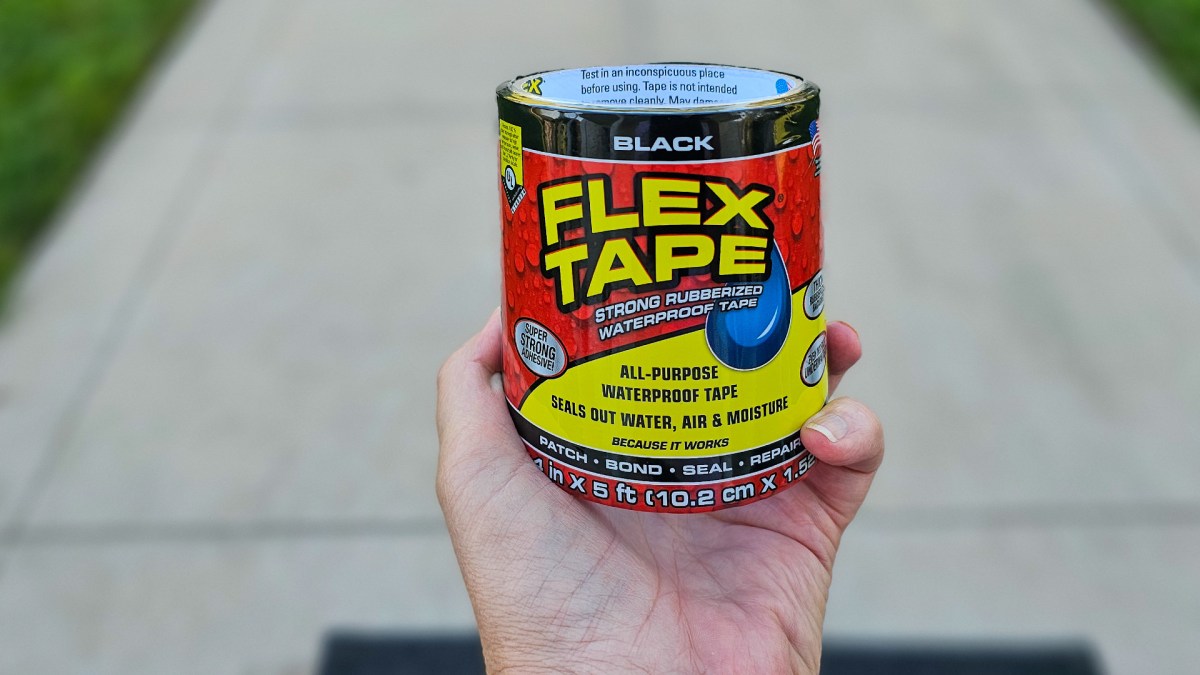
Flex Tape is a thick, rubberized waterproof tape designed to patch, bond, seal, and protect a wide range of materials. It comes in several colors, including black, white, gray, and clear, and is sold in multiple widths and roll lengths for small fixes or larger patches.
Unlike ordinary duct tape, which is usually best for temporary bundling, labeling, or holding together something that has given up on life, Flex Tape has a flexible rubber backing. That backing allows it to conform around curved surfaces, uneven edges, cracks, and awkward shapes.
The tape is marketed for use on wet or dry surfaces and is often used for outdoor repairs, leaking containers, torn pool liners, damaged gutters, cracked bins, hose problems, and emergency roof patches. It is also promoted as UV resistant and able to handle changing weather conditions, which makes it more practical than a basic indoor adhesive tape.
The main selling point is simple: it creates a flexible barrier that blocks water, air, and moisture. In the right situation, that is exactly what you need. In the wrong situation, it is still a very expensive way to decorate a disaster.
Flex Tape Review: The Big Strength Is the Adhesive
The first thing most people notice is that Flex Tape does not merely stick. It clings. It grabs. It forms an emotional attachment to the surface and begins planning a long-term future there.
Once pressure is applied, the tape’s adhesive bites down quickly. Users often discover that positioning matters far more than expected because peeling it back for a second attempt can be difficult. That may sound inconvenient, but it is also the reason the product performs well when the goal is stopping a leak fast.
The rubberized backing gives the tape a thick, durable feel. It is not delicate, and it does not behave like transparent office tape or bargain-bin duct tape. It can stretch slightly around corners and contours, making it useful for repair jobs where a stiff patch would leave gaps.
Independent DIY testing has shown especially promising results for low-pressure leaks, damaged containers, torn hose sections, small roof defects, and punctured materials. The tape tends to perform best when the damaged area is stable, the surface is reasonably clean, and the patch extends well beyond the actual crack or hole.
Where Flex Tape Performs Best
1. Small Leaks in Plastic Containers and Outdoor Gear
Flex Tape is excellent for patching plastic storage bins, coolers, watering containers, trash cans, buckets, and other items that develop cracks after years of being bumped, dragged, frozen, or left outside in a weather mood swing.
A small crack in a bin is often not worth replacing the whole container. A properly applied Flex Tape patch can extend its useful life and prevent the item from becoming yet another piece of plastic furniture in the garage.
2. Temporary Hose Repairs
A garden hose can spring a leak at the worst possible moment, usually when you are already late, sweaty, or wearing shoes you were trying to keep dry. Flex Tape can help seal small tears or punctures in a hose, especially as a temporary fix until you can replace the damaged section.
However, do not expect tape alone to solve every high-pressure hose issue forever. If the hose has a split near a fitting, a deep tear, or repeated pressure stress, a hose repair connector or replacement may be the smarter long-term move.
3. Gutters and Downspouts
For a small crack or pinhole in a gutter, waterproof repair tape can be a useful emergency measure. Flex Tape can help stop drips while you arrange a more permanent repair, especially when rain is headed your way and the gutter has decided to become a tiny waterfall.
For the best chance of success, clean away debris, dry the area when possible, and apply a generously sized patch. A tiny strip over a long crack is like putting one Band-Aid on a canoe. Coverage matters.
4. Pool Toys, Inflatable Items, and Vinyl Surfaces
Small punctures in inflatable toys, air mattresses, pool floats, and similar items are common candidates for repair tape. The tape’s flexible backing can work well on surfaces that bend and move, provided the material is clean and the patch is pressed down thoroughly.
Clear Flex Tape can be especially handy here because it is less visually obvious than black or white tape. It will not become invisible, but it does not scream, “This float lost a fight with a patio chair.”
5. Emergency Roof and RV Repairs
A small roof or RV leak can cause major water damage if ignored. Flex Tape may help reduce water intrusion in an emergency, particularly on a small tear, crack, or seam problem. Still, it should be viewed as a short-term rescue measure, not a complete roofing system.
Roof leaks often involve damaged shingles, flashing, membrane failure, poor drainage, or hidden rot. Tape can buy time. It cannot diagnose the reason your roof is suddenly trying to become an indoor water feature.
Where Flex Tape Can Fall Short
It Is Not a Structural Repair
Flex Tape can seal a crack, but it cannot restore the original strength of a broken object. A cracked chair leg, split ladder rung, broken tool handle, or damaged load-bearing component needs a real repair or replacement. Adhesive tape should not be trusted with tasks where failure could cause injury.
High-Pressure Plumbing Is a Different Beast
For minor drips, tape may provide a short-term patch. For a pressurized plumbing line, burst pipe, damaged fitting, or recurring leak, turn off the water supply and use an appropriate repair method. Waterproof tape may slow the problem, but it should not replace a proper pipe repair, clamp, fitting, or plumber.
Dirty, Oily, or Crumbly Surfaces Reduce Performance
Adhesive needs something solid to grab. Dust, grease, loose paint, rust flakes, mildew, and wet leaves create a barrier between the tape and the surface. The tape may look attached at first, then lift at the corners when water or pressure tests its loyalty.
It Is Not Pretty
Flex Tape is functional, not subtle. Even clear tape can be visible, and black tape on a white surface has the visual charm of a tuxedo patch on a wedding dress. For hidden repairs, outdoor equipment, storage containers, utility areas, and emergency fixes, that is fine. For a polished indoor finish, you may want a more cosmetic repair solution.
How to Apply Flex Tape for Better Results
Start With Surface Prep
Whenever possible, clean the repair area thoroughly. Remove dirt, grease, loose debris, soap residue, and flaky material. A dry surface is generally easier to work with, even though Flex Tape is designed for wet conditions.
Use a Larger Patch Than You Think You Need
Cut the tape so it extends several inches beyond the damaged area on all sides. The goal is to spread stress across a larger surface rather than forcing the tape to carry all the pressure directly over the crack or hole.
Round the Corners
Square corners are more likely to catch, lift, or peel over time. Rounding the corners creates a smoother patch that is less likely to snag on objects, clothing, tools, water flow, or the general chaos of daily life.
Press Firmly and Remove Air Pockets
Apply the tape slowly and press it down with your hand, a plastic scraper, or a roller. Push out air bubbles and make sure the tape makes full contact with the surface. Wrinkles and gaps can become weak points where water sneaks in like it pays rent.
Give It Time to Set
The bond can strengthen with pressure and time. Avoid immediately tugging, flexing, soaking, or testing the patch harder than necessary. Let the adhesive settle before putting the repaired item back into heavy use.
Flex Tape vs. Duct Tape vs. Other Waterproof Repair Tapes
Flex Tape is not the only waterproof repair tape available, but it occupies a useful middle ground between regular duct tape and specialized roofing, butyl, silicone, or industrial repair products.
Basic duct tape is cheaper and useful for countless household tasks, but it is usually not the best choice for long-term exposure to water, sunlight, changing temperatures, or flexible surfaces. Duct tape is the friend who helps you move. Flex Tape is the friend who shows up with tools, waterproof boots, and unreasonable confidence.
Butyl repair tapes can be excellent for roofing, flashing, windows, RV repairs, and exterior sealing. Silicone repair tapes are often useful for wrapping pipes or making compression-style repairs. Specialty products may outperform Flex Tape for a specific application, but Flex Tape wins on convenience because it is easy to cut, widely available, and usable across many common household emergencies.
The best waterproof tape is not always the strongest tape. It is the tape that matches the repair: surface type, moisture level, pressure, movement, temperature exposure, and how permanent the repair needs to be.
Is Flex Tape Worth Buying?
For many homeowners, renters, campers, DIYers, and people who own anything capable of leaking, cracking, or unexpectedly falling apart, Flex Tape is worth keeping nearby.
It is especially useful when you need a fast, flexible, waterproof patch without waiting for caulk to cure, epoxy to harden, or replacement parts to arrive. A small roll can save a storage bin, delay a hose replacement, patch a pool toy, reduce a gutter drip, or help protect property from a minor leak until a proper repair is possible.
The main drawback is value. Flex Tape is more expensive than ordinary duct tape, and small rolls do not provide a huge amount of coverage. But it also performs a different job. Comparing Flex Tape to cheap duct tape is a little like comparing rain boots to paper towels. Both may technically encounter water, but only one came prepared.
Final Verdict: Ridiculously Sticky, in the Best Way
Flex Tape earns its reputation as a powerful waterproof repair tape because it is thick, flexible, easy to cut, and impressively adhesive. It is not a miracle cure for every household disaster, but it can be a remarkably effective first response for small leaks, cracks, holes, and tears.
The key is to use it realistically. Clean the surface, use an oversized patch, press firmly, and treat serious plumbing, roofing, or structural damage as a repair project rather than a tape project. Do that, and Flex Tape can be the kind of toolbox essential that seems almost sillyright up until the day it saves you from a soggy mess.
Extra Experience Notes: What Using Flex Tape Teaches You Over Time
The first experience most people have with Flex Tape is mild disbelief. You peel away the backing, place it over a crack, press it down, and suddenly the leak that was annoying you for three days becomes quiet. Not solved forever, perhaps, but quiet. That alone can feel like a small domestic miracle.
The second experience is learning that Flex Tape rewards patience and punishes improvisation. If you try to apply it one-handed while holding a dripping hose, balancing on a step stool, and answering a phone call, the tape may fold onto itself. Once it touches itself, the situation gets personal. The adhesive does not negotiate. It has chosen its partner, and you are not invited to separate them.
People also learn quickly that bigger patches are better patches. A narrow strip placed directly over a crack may work for a while, but a wider piece that overlaps the damage creates more security. The tape does not need to be applied with the precision of a surgeon; it needs to be applied with the caution of someone who does not want to redo the job in the rain.
Another common experience is discovering the difference between sealing and repairing. Flex Tape can stop water from escaping a cracked container, but the container is still cracked. It can help a hose survive another week, but the hose may still be nearing retirement. That does not make the tape less useful. It simply means the tape is a smart bridge between “problem discovered” and “proper repair completed.”
Outdoor applications tend to reveal the product’s practical value. A cracked bucket, loose gutter seam, torn grill cover, damaged pool float, or split storage tote may not seem important until bad weather arrives. Flex Tape becomes most impressive when it turns a small inconvenience into something you can deal with tomorrow instead of something that ruins your afternoon.
For renters, the tape can be particularly handy for nonstructural, removable household fixes such as patching a plastic bin, stabilizing outdoor gear, or protecting a small utility item. However, it should not be used to hide serious property damage or replace a landlord-required repair. A major leak, damaged electrical area, mold issue, gas line concern, or broken fixture needs professional attention, not a heroic tape montage.
There is also a strange satisfaction in keeping a roll around. Most household supplies are boring until needed. Flex Tape has the rare quality of looking prepared. It sits in a toolbox with the confidence of something that knows a patio umbrella, cooler, hose, gutter, or lawn chair will eventually betray you.
That is the real reason Flex Tape has lasted beyond its viral advertising fame. The product is not useful because it promises to fix everything. It is useful because, when used for the right kind of problem, it fixes enough to make a bad day noticeably better.