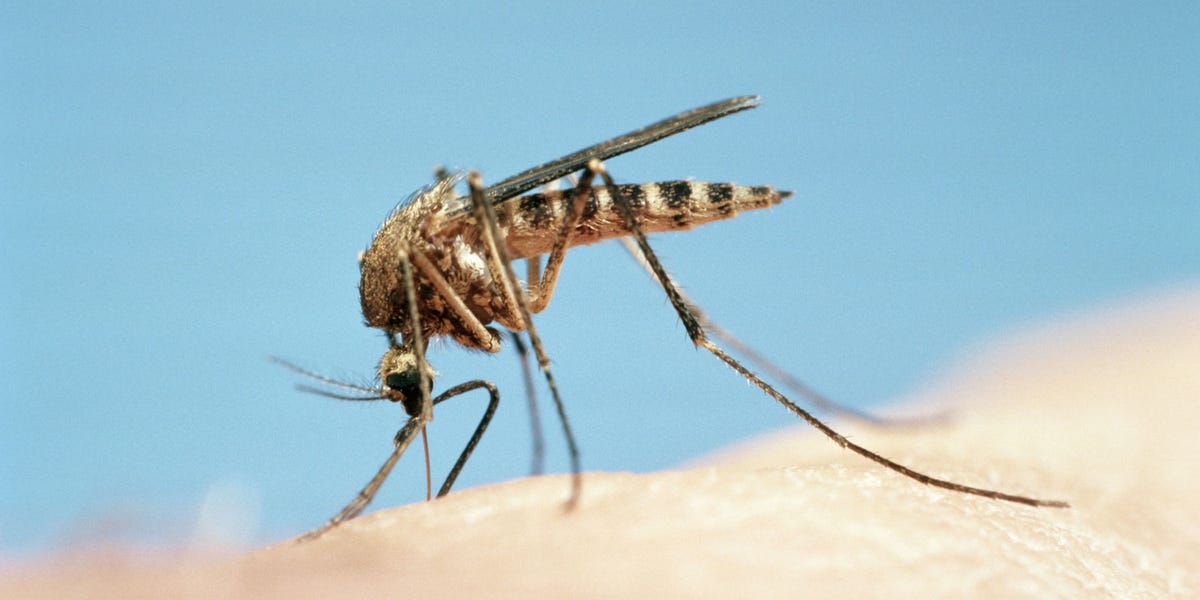
Malaria is one of humanity’s oldest enemies, and for once, humans may be entering the fight with more than a rolled-up newspaper and wishful thinking. We now have better mosquito nets, faster tests, stronger surveillance, preventive medicines, next-generation malaria vaccines, and genetic technologies that sound like they escaped from a science-fiction conference with free coffee. The big question is no longer simply, “Can we reduce malaria?” It is becoming, “Could we completely eliminate malariaand if we can, should we?”
The easy answer is yes. Malaria kills hundreds of thousands of people each year, most of them young children in sub-Saharan Africa. It drains families, weakens economies, overwhelms clinics, and keeps communities trapped in a cycle of fever, missed school, missed work, and grief. From a human point of view, eliminating malaria feels less like an option and more like an overdue apology.
But the word “completely” carries weight. Eliminating malaria may involve tools that reshape ecosystems, redirect billions of dollars, require global coordination, and raise ethical questions about who gets to decide the future of disease-carrying mosquitoes. So yes, we should aim to end malaria. But we should do it with humility, public consent, ecological care, and a long-term plan that does not declare victory while the mosquito is quietly laughing in a puddle.
What Does It Mean to Eliminate Malaria?
Before we throw a “goodbye malaria” party, we need to define the guest list. Malaria elimination usually means stopping local transmission in a specific country or region. The United States, for example, eliminated ongoing malaria transmission in the early 1950s, although imported cases still occur and local outbreaks can happen when infected travelers, competent mosquitoes, and favorable conditions overlap.
Malaria eradication is bigger. It means reducing global malaria transmission to zero permanently, so routine control measures are no longer needed. That is the public-health equivalent of cleaning the garage so thoroughly that future generations ask, “What is a garage?” It is possible in theory, but history shows that malaria is stubborn, adaptable, and annoyingly good at exploiting weak systems.
Malaria is caused by Plasmodium parasites and spread mainly by infected female Anopheles mosquitoes. The deadliest species, Plasmodium falciparum, is especially common in Africa. Other species, including P. vivax, can hide in the liver and relapse later, which makes elimination more complicated. Malaria is not one enemy; it is a team of biological troublemakers wearing matching jerseys.
Why Malaria Is Still So Hard to Beat
1. Mosquitoes Are Extremely Good at Being Mosquitoes
Mosquitoes do not need a five-year strategic plan. They need water, warmth, blood, and the audacity to buzz near your ear at 2:13 a.m. In many malaria-endemic areas, mosquitoes breed quickly and bite efficiently. Some species prefer biting indoors at night, which makes insecticide-treated bed nets powerful. Others bite outdoors or earlier in the evening, which means communities need multiple layers of protection.
2. Resistance Keeps Changing the Game
One of the biggest threats to malaria elimination is resistance. Mosquitoes can become resistant to insecticides used on bed nets and in indoor spraying. Parasites can become resistant to antimalarial drugs. When resistance spreads, yesterday’s miracle tool becomes today’s slightly disappointing umbrella in a thunderstorm.
This is why malaria control cannot depend on one intervention. Bed nets, indoor spraying, preventive medicine, rapid diagnosis, effective treatment, vaccines, larval source management, and surveillance all matter. The best malaria strategy is not a silver bullet. It is a toolbox, and the toolbox needs constant restocking.
3. Poverty, Conflict, and Climate Make Malaria Worse
Malaria is not only a biological problem. It is also a housing problem, a health-system problem, a funding problem, a climate problem, and a political stability problem. Conflict can interrupt treatment. Floods can create breeding sites. Weak clinics can miss cases. Stockouts can leave families without medicines. Poverty can make prevention unaffordable, even when the science is already solved.
That is why eliminating malaria requires more than killing mosquitoes. It requires stronger primary health care, reliable supply chains, trained health workers, community trust, and money that arrives before the emergency instead of after the obituary.
The New Tools Changing the Malaria Fight
Malaria Vaccines: A Historic Breakthrough
For decades, a malaria vaccine seemed like public health’s version of a unicorn: beautiful, desired, and always just beyond the next hill. That has changed. The RTS,S/AS01 vaccine became the first widely recommended malaria vaccine, and R21/Matrix-M followed as another WHO-recommended option. Both target P. falciparum, the parasite responsible for much of the severe malaria burden in African children.
These vaccines are not perfect shields. They do not replace bed nets, diagnosis, treatment, or mosquito control. But they can significantly reduce severe malaria and childhood deaths when introduced in the right settings. That is a very big deal. In public health, “not perfect but life-saving” is not a weakness; it is basically the job description.
The rollout has expanded across African countries with support from global partners. Still, vaccine delivery is not as simple as mailing a box labeled “less malaria, please.” Countries need cold chains, trained staff, community outreach, financing, appointment tracking, and public confidence. A vaccine sitting in a warehouse protects no one except the warehouse.
Better Medicines and Smarter Prevention
Antimalarial drugs remain essential. Fast treatment prevents severe illness and reduces transmission. Preventive medicines can protect pregnant women, infants, seasonal-risk communities, and travelers. New drug combinations are being studied because resistance threatens current therapies. In elimination campaigns, every missed infection matters, including cases with mild symptoms or no symptoms at all.
Testing is also crucial. Rapid diagnostic tests help health workers confirm malaria quickly, but quality, availability, and follow-up matter. Treating every fever as malaria can waste medicines and miss other dangerous illnesses. Ignoring malaria because symptoms look mild can be deadly. The goal is boring but powerful: test correctly, treat correctly, report correctly.
Gene Drive Mosquitoes: The Boldest Tool on the Table
Now we arrive at the headline-grabber: genetically engineered mosquitoes. Gene drive technology can push a genetic trait through mosquito populations faster than normal inheritance would allow. In theory, scientists could create mosquitoes that cannot transmit malaria or mosquitoes whose populations collapse because females become infertile.
This is where the debate gets spicy. Supporters argue that gene drives could save enormous numbers of lives, especially in regions where existing tools are not enough. Critics worry about ecological uncertainty, cross-border effects, consent, governance, and whether humans should intentionally suppress or eliminate a species. Somewhere, a mosquito is probably hiring a lawyer.
It is important to be precise: the goal is not to eliminate all mosquitoes. There are thousands of mosquito species, and only some transmit human malaria efficiently. The focus is on specific Anopheles species that drive transmission. Even so, releasing self-spreading genetic technology into the environment demands careful testing, transparent regulation, regional cooperation, and meaningful community engagement.
Should We Eliminate Malaria? The Strong Case for Yes
Malaria Is a Massive Cause of Preventable Death
The moral case for elimination is powerful. Malaria is preventable, diagnosable, and treatable, yet it still kills at a scale that should make the modern world uncomfortable. Children under five carry a devastating share of the burden. Pregnant women face serious risks, including anemia, low birth weight, and maternal complications.
When a disease repeatedly kills children because prevention tools do not reach them, the question “Should we eliminate it?” sounds almost absurd. Imagine asking whether we should eliminate a house fire while children are still inside. Of course we should. The harder question is how to do it responsibly.
Elimination Would Improve Education and Economic Growth
Malaria is expensive in ways that do not always appear on hospital bills. It keeps children out of school, adults away from work, farmers out of fields, and families in debt. A child who misses school repeatedly because of fever loses learning time. A parent who misses work loses income. A clinic overwhelmed by malaria has fewer resources for childbirth, injuries, vaccinations, and chronic disease care.
Ending malaria would improve productivity, reduce household medical spending, strengthen tourism and investment in some regions, and free health systems to handle other priorities. Malaria elimination is not only a health project. It is an economic development strategy wearing a lab coat.
We Have Done Big Disease Work Before
Smallpox was eradicated. Polio has been pushed close to the finish line, though not without serious setbacks. Many countries have eliminated malaria locally. These examples show that determined public-health campaigns can change what once looked permanent. Diseases are not destiny. They are problems, and problems can be cornered if humans cooperate long enough.
The Case for Caution: Why “Should We?” Still Matters
Ecological Questions Are Real
Some people argue that eliminating malaria-transmitting mosquitoes would have limited ecological impact because the targeted species are only a small part of broader food webs. Others argue that ecosystems are complex, and humans have a long record of saying “What could possibly go wrong?” shortly before something goes very wrong.
The honest answer is that ecological risk depends on the species, region, method, and scale. Replacing mosquito populations with non-transmitting mosquitoes may raise different concerns than suppressing a population. Local pilot studies, ecological monitoring, and reversible or controllable systems should be taken seriously. “Move fast and break things” is a terrible slogan when the “things” include ecosystems and public trust.
Consent Cannot Be an Afterthought
Malaria-endemic communities must not be treated as outdoor laboratories. If a technology affects villages, districts, countries, and neighboring regions, then people in those places deserve real participation in decisions. That means more than a brochure, a town hall, and a cheerful poster with a mosquito wearing a red X.
Meaningful engagement includes local languages, independent information, time for questions, transparent risk discussion, and respect for disagreement. It also includes regional governance because mosquitoes do not carry passports. If a gene drive spreads across borders, consent and oversight must be wider than the release site.
Funding Choices Have Opportunity Costs
Every dollar spent on malaria is a dollar not spent somewhere else. That does not mean malaria funding should shrink. It means elimination strategies must be judged against other urgent health needs, including nutrition, maternal care, HIV, tuberculosis, sanitation, and routine immunization. A responsible malaria campaign strengthens health systems instead of draining them.
The smartest approach is integration. Malaria programs can support community health workers, improve laboratories, expand supply chains, and build surveillance systems that help detect other diseases too. If malaria elimination leaves behind stronger clinics, better data, and healthier communities, it becomes much easier to justify.
A Practical Answer: Yes, But Not Recklessly
So, should we completely eliminate malaria? Yesbut not with a victory-at-any-cost mindset. The goal should be a staged, ethical, science-based elimination strategy that saves lives now while evaluating future tools carefully.
First, countries and donors should fully use the tools already proven to work: insecticide-treated nets, indoor residual spraying where appropriate, preventive treatment, rapid diagnosis, effective medicines, vaccines, and strong surveillance. These interventions are not glamorous, but neither is plumbing, and civilization seems pretty fond of that.
Second, vaccine rollout should accelerate where malaria burden is high and health systems can support delivery. RTS,S and R21 should be presented honestly: not magic, not useless, but valuable additions to layered protection. Parents deserve clear communication about dosing schedules, benefits, and continued need for nets and treatment.
Third, research into gene drives and other genetic tools should continue under strict ethical and ecological guardrails. Laboratory research, contained trials, regulatory review, and community-led governance should come before any open release. The people living with malaria should have a central voice in deciding whether these tools are acceptable.
Fourth, elimination plans must prepare for resurgence. Malaria has a talent for returning when funding drops, conflict disrupts care, or surveillance weakens. A country can celebrate zero local cases, but it still needs the ability to detect imported infections quickly. The mosquito does not read press releases.
Specific Examples That Show the Path Forward
Several countries have achieved malaria-free certification after years of surveillance, case investigation, and targeted control. These successes show that elimination is possible when political commitment, public-health capacity, and community cooperation align. They also show that the last mile is often the hardest. As cases decline, malaria becomes less visible, funding becomes harder to defend, and complacency creeps in wearing comfortable shoes.
In Africa, the expanded rollout of malaria vaccines is a historic step. Countries introducing vaccines into routine immunization programs are not abandoning other tools; they are adding another layer. This is important because layered protection is how malaria transmission is squeezed down over time.
In the United States, the reappearance of locally acquired malaria cases in 2023 after decades without such transmission was a reminder that elimination is not the same as immunity from risk. Travel, climate, mosquito ecology, and public-health readiness all matter. Even places that eliminated malaria must keep watch.
For gene-drive research, projects involving African scientists and local engagement models demonstrate how future innovation may be governed more responsibly. The key lesson is simple: communities are not obstacles to science. Communities are part of the science, because without trust, even brilliant technology can fail.
What Would a Responsible Malaria-Free Future Look Like?
A responsible malaria-free future would not be a single dramatic moment where someone presses a giant red button labeled “Goodbye, Mosquito Drama.” It would be a long transition marked by fewer fevers, fewer funerals, fewer emergency clinic visits, and more children growing up without malaria as a routine threat.
It would include affordable vaccines, reliable medicines, next-generation nets, climate-aware surveillance, local manufacturing where possible, and public-health workers who are paid, trained, and respected. It would also include transparent debate about genetic technologies, because eliminating disease should not require eliminating democracy from the decision-making process.
Most importantly, it would center the people most affected. Malaria elimination should not be something wealthy countries do “for” poorer countries. It should be something endemic countries lead, with global partners supporting the priorities, knowledge, and consent of local communities.
Experiences and Reflections: Living With the Idea of Eliminating Malaria
To understand the question “Should we eliminate malaria?” it helps to imagine the experience from several angles. Picture a mother in a rural clinic who has walked for hours with a feverish child on her back. She is not asking whether the mosquito has ecological significance. She is asking whether her child will survive the night. For her, malaria is not an abstract debate. It is sweat on a child’s forehead, a crowded waiting room, and the quiet terror of being told the medicine is out of stock.
Now picture a community health worker with a bicycle, a box of rapid tests, and a phone that only sometimes has signal. This worker may test children under a tree, explain bed net use to families, remind parents about vaccine doses, and report cases to a district office. In global health reports, this person may appear as “frontline capacity.” In real life, they are the difference between a treatable fever and a tragedy. Any malaria elimination plan that ignores these workers is like trying to bake bread without flour and then blaming the oven.
Consider also the experience of scientists working on gene-drive mosquitoes. Their work carries enormous promise and enormous responsibility. In the laboratory, the data may look elegant: inheritance patterns, parasite-blocking traits, population models. Outside the laboratory, the questions become human. Who approves a release? What happens if neighboring communities disagree? How are risks explained without either exaggerating fear or selling certainty that does not exist? Responsible science must be brave enough to innovate and humble enough to listen.
For travelers from non-endemic countries, malaria can feel distant until a pre-travel clinic visit turns it into a checklist: pills, repellents, long sleeves, bed nets, and urgent care if fever develops after returning home. This experience reveals another truth: malaria is global because people are global. Airplanes can move infections faster than mosquitoes can fly. A malaria-free world would reduce risk not only in endemic countries but also everywhere connected by travel, migration, trade, and climate change.
There is also the experience of policymakers. They must decide whether to fund malaria programs when many other problems are shouting for attention. Malaria prevention is politically difficult because success can look like nothing happened. No outbreak. No headlines. No dramatic rescue. Just children who did not die, hospitals that were not overwhelmed, and economies that quietly became more productive. Prevention is the hero that rarely gets a parade.
Finally, there is the experience of asking the ethical question itself. “Should we eliminate malaria?” should not be mistaken for indifference. It is a sign of maturity. Humanity should want to end preventable suffering. At the same time, we should ask how our tools work, who controls them, who benefits, who carries risk, and what kind of world we are building. The right answer is not hesitation forever. The right answer is determined action with open eyes.
In that sense, malaria elimination is a test of our species. Can we use science without arrogance? Can we fund prevention before catastrophe? Can we respect communities while moving urgently enough to save lives? Can we treat children in malaria-endemic regions as worthy of the same safety that wealthy countries already expect? If the answer is yes, then eliminating malaria is not just something we should do. It is something we should do well.
Conclusion: Eliminate the Disease, Respect the Process
We can imagine a world without malaria. That sentence alone is extraordinary. For most of human history, malaria was a fact of life, a seasonal terror, and a force that shaped settlement, labor, war, and childhood survival. Today, with vaccines, medicines, vector control, surveillance, and emerging genetic tools, elimination is no longer a fantasy. It is a difficult but reachable goal.
Should we pursue it? Absolutely. But we should not confuse urgency with recklessness. The world should move faster to save lives with proven tools, invest in the next generation of malaria science, and support countries carrying the heaviest burden. At the same time, powerful technologies such as gene drives require consent, governance, ecological monitoring, and public trust.
The best future is not one where humans simply “defeat nature.” It is one where we reduce suffering while becoming wiser about our power. Malaria deserves elimination. Communities deserve respect. Science deserves accountability. And mosquitoes, frankly, have had a very long run.