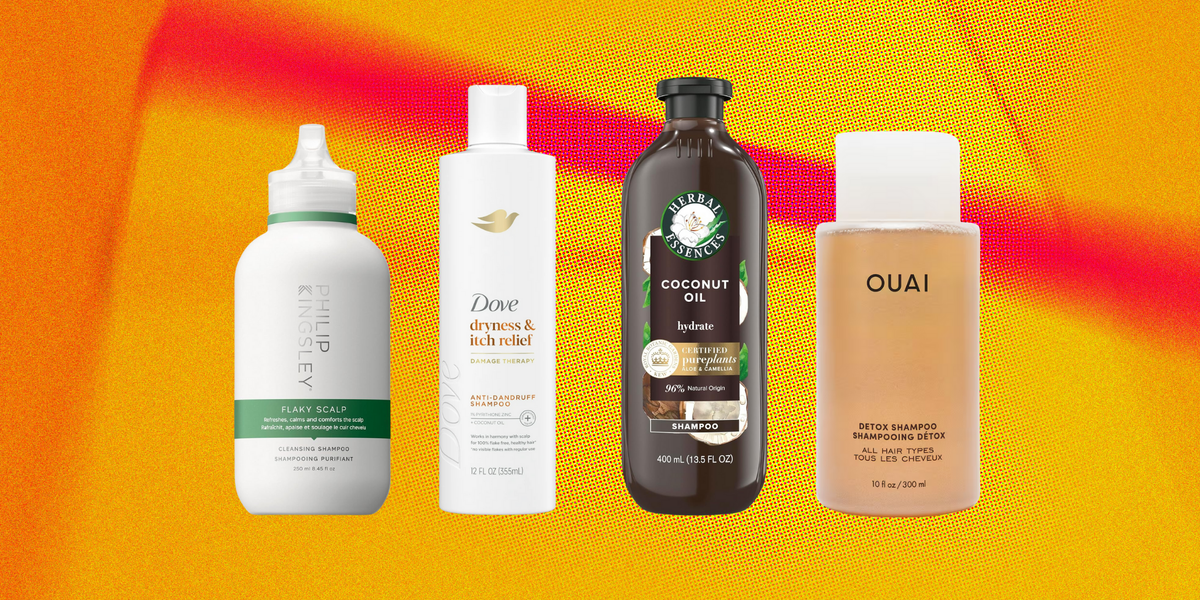
If your scalp feels tight, itchy, flaky, or just generally offended by your existence, you are not alone. A dry scalp is one of those annoyingly common problems that can make even a good hair day feel like a betrayal. One minute your hair looks shiny, the next minute your shoulders look like they have been lightly dusted with powdered sugar. Not ideal.
The good news is that the right shampoo can make a real difference. The tricky part is that “dry scalp” is often confused with dandruff, buildup, seborrheic dermatitis, or plain old irritation from harsh products. That means the best shampoo for you may not be the fanciest bottle on the shelf. It may be the one with the gentlest formula, the right active ingredient, or the least amount of fragrance drama.
For this roundup of the best shampoos for dry scalps of 2025, I focused on formulas that stand out for hydration, scalp comfort, gentle cleansing, and ingredient logic. In other words, these picks are not here because their bottles look pretty in a shower caddy. They are here because they make sense for real-world scalp issues.
What Actually Helps a Dry Scalp?
Before grabbing any shampoo labeled “soothing,” it helps to know what your scalp is asking for. A truly dry scalp usually benefits from mild cleansers, fewer irritants, and moisture-supporting ingredients such as ceramides, hyaluronic acid, aloe, glycerin, niacinamide, or lightweight oils. If flakes come with more obvious itch, redness, or greasy patches, you may be dealing with dandruff or seborrheic dermatitis instead. In that case, actives like ketoconazole, pyrithione zinc, or salicylic acid often work better than a basic moisturizing shampoo.
That is why the list below includes both hydrating everyday shampoos and a few treatment-style options. Think of it as a scalp wardrobe: not every wash day needs the same outfit.
10 Best Shampoos for Dry Scalps of 2025
1. CeraVe Anti-Dandruff Hydrating Shampoo
Best overall for flakes, dryness, and itch.
If your scalp cannot decide whether it is dry, flaky, irritated, or all three before breakfast, this is the kind of hybrid formula that makes a lot of sense. CeraVe Anti-Dandruff Hydrating Shampoo combines dandruff-fighting power with a more skin-care-minded formula, which is honestly the energy more scalp products should bring. Instead of going all in on “nuke the flakes,” it supports the scalp barrier while still addressing visible flaking and itch.
It is especially appealing for people who want a treatment shampoo that does not leave hair feeling stripped, rough, or one argument away from snapping. If you want a practical, dermatologist-coded choice that works for a wide range of hair types, this is a very strong number one.
2. Vanicream Shampoo
Best for sensitive, easily irritated scalps.
Some people do not need a “hero” shampoo. They need a product that simply minds its business. Vanicream Shampoo is that product. It is a classic pick for people who are reactive to fragrance, dyes, and a long list of extras that tend to make sensitive skin grumpy.
This is not a flashy formula, and that is exactly why it earns a spot here. If your scalp gets itchy after heavily fragranced products, if you are prone to eczema-like irritation, or if you want a simple baseline shampoo to pair with a medicated option, Vanicream is a smart, no-nonsense buy. It cleans without feeling aggressive, and for many people with dry or reactive scalps, that is half the battle won.
3. Head & Shoulders BARE Soothing Hydration
Best budget-friendly option.
Not every good dry-scalp shampoo needs to cost as much as a brunch entrée. Head & Shoulders BARE Soothing Hydration is one of the better affordable picks because it balances an anti-dandruff active with a gentler, more minimalist feel than the old-school formulas many people remember from childhood. It is designed to help with dry scalp relief while skipping some of the extras that can feel heavy or irritating.
This is a particularly good choice if you suspect your “dry scalp” has a dandruff element but you still want a shampoo that feels more modern, less medicinal, and easy to find at a drugstore. Budget pick, yes. Basic pick, no.
4. Nizoral Anti-Dandruff Shampoo
Best for stubborn flakes that are probably more than simple dryness.
Let’s be honest: sometimes what we call dry scalp is really dandruff wearing a fake mustache. If you have persistent flakes, itch, and recurring scalp discomfort, Nizoral is the kind of treatment shampoo people graduate to when gentler options are not cutting it. It uses ketoconazole, which targets the fungal component linked to dandruff.
This is not the bottle I would hand to someone with mild seasonal dryness and no flaking. But if your scalp has been throwing a tantrum for weeks and your shoulders are paying the price, Nizoral is worth considering. Use it as directed, do not overdo it, and pair it with a gentler moisturizing shampoo on other wash days if your hair tends to feel dry.
5. SEEN Shampoo, Fragrance Free
Best for reactive skin, acne-prone hairlines, and “everything irritates me” people.
SEEN has built a loyal following for a reason: it treats hair care a little more like skin care. The fragrance-free shampoo is gentle, non-stripping, and a strong option for people whose scalp issues do not stop at the scalp. If your forehead, hairline, neck, or back also tend to freak out from hair products, this formula deserves attention.
It feels more polished than some ultra-basic sensitive-skin shampoos, so it is a nice middle ground between comfort and a more elevated wash experience. If your scalp is dry but your skin is also fussy, this is one of the best “reduce the chaos” options on the market.
6. Neutrogena T/Sal Therapeutic Shampoo
Best for heavy buildup and thick, stubborn flakes.
Some scalps are not just dry. They are dry and crusty, congested, or coated with layers of buildup that seem to survive every wash like they are in an action movie. That is where Neutrogena T/Sal comes in. This therapeutic shampoo is designed for scalp buildup control, and it is especially useful when flaking is thick, sticky, or hard to budge.
This is not your everyday cuddly shampoo. It is more of a reset button. Use it when your scalp needs exfoliating help, then follow with a gentler hydrating routine. For the right person, it can be the difference between endless scratching and finally feeling like your scalp can breathe again.
7. Pureology Hydrate Shampoo
Best for color-treated hair that is dry at both the scalp and the lengths.
Dry scalp does not always show up alone. Sometimes it brings along brittle ends, color damage, and hair that feels like it has been emotionally neglected. Pureology Hydrate Shampoo is a strong pick for that situation. It is geared toward dry, color-treated hair and focuses on moisture without being too harsh.
If your scalp feels tight after washing but you also care about preserving color and softness, this is a more salon-style answer than a medicated one. It will not replace a true anti-dandruff shampoo if you need actives, but it is excellent for people whose main issue is dryness, dehydration, and hair that has seen one too many appointments with bleach or heat tools.
8. Philip Kingsley Flaky/Itchy Scalp Anti-Dandruff Shampoo
Best salon-quality daily option for itchy, flaky scalps.
Philip Kingsley’s Flaky/Itchy Scalp Shampoo has become one of those “if you know, you know” products among people who want scalp relief without a super harsh feel. It is designed to calm flakiness and irritation while still being gentle enough for frequent use, which matters when your scalp acts up regularly.
What makes it stand out is that it bridges the gap between treatment and cosmetic elegance. Some medicated shampoos work but feel like punishment. This one feels more polished. If you want a product that addresses flakes and itch yet still fits into a more premium hair-care routine, this is one of the best splurge-leaning choices in the category.
9. Briogeo Scalp Revival Charcoal + Coconut Oil Micro-Exfoliating Shampoo
Best weekly scalp reset.
This is the shampoo for people who look at their scalp and think, “You need a fresh start.” Briogeo’s micro-exfoliating shampoo is not an everyday wash for most people, but it is a very satisfying weekly addition when dryness is mixed with flakes, residue, or product buildup. The texture gives you that deep-clean feeling without sending your scalp into the shadow realm.
If you use lots of styling products, dry shampoo, or heavy conditioners, this can help clear the runway so your scalp feels less congested. The trick is moderation. Used once or twice a week, it can be a great supporting player in a dry-scalp routine. Used every day by someone already very dry? That is a gamble I would not recommend.
10. Innersense Hair Renew Scalp Hairbath
Best gentle “clean beauty” leaning pick for soothing and balance.
Innersense Hair Renew Scalp Hairbath is a good example of a treatment-minded shampoo that still feels modern, sensory, and pleasant to use. It is built to refresh the scalp, reduce flakes, and support a healthier scalp environment without giving harsh, stripped-hair energy.
This is a nice option for people who want something gentler than a classic medicated shampoo but more targeted than a plain moisturizing one. It works especially well for those who want a scalp-first product that still leaves hair feeling soft and cared for. In other words, it is for the person who wants results but still enjoys a little shower luxury. Fair enough.
How to Choose the Right Shampoo for Your Dry Scalp
The best shampoo depends on what your scalp is actually doing:
- If your scalp is dry and sensitive: start with Vanicream or SEEN.
- If you have flakes plus itch: try CeraVe, Head & Shoulders BARE, or Philip Kingsley.
- If flakes are stubborn or recurring: Nizoral is the stronger move.
- If you have heavy buildup or thick patches: Neutrogena T/Sal or Briogeo can help reset things.
- If your hair is color-treated and thirsty: Pureology is a safer everyday bet.
A good rule of thumb: if your scalp burns, feels tight right after washing, or gets worse with heavily fragranced products, go gentler. If you have persistent scaling, oily flakes, or recurring itch, you may need an active treatment rather than “more moisture.”
What to Stop Doing If You Have a Dry Scalp
Even the best shampoo will struggle if the rest of your routine is chaos. Try not to wash with very hot water, scratch aggressively, overload your roots with dry shampoo, or switch between five random products every week like you are running a scalp science fair. Consistency matters. So does not overusing treatment shampoos. A strong anti-dandruff formula can be fantastic when you need it and way too much when you do not.
If your symptoms are severe, if you notice thick plaques, bleeding, scalp pain, or unusual hair loss, it is time to bring in a dermatologist. Shampoo is helpful, but it is not a wizard.
Dry Scalp Experiences: What People Usually Notice After Switching Shampoos
One of the most common experiences people describe when they finally find the right shampoo is not dramatic overnight transformation. It is relief. Quiet, unglamorous, absolutely delightful relief. The scalp stops feeling tight after a shower. The urge to scratch during the workday drops. Black shirts become wearable again. It is not exactly a movie montage, but it is meaningful.
For people with sensitive scalps, the biggest difference often comes from what is missing in the formula. When someone switches from a heavily fragranced, overly foamy shampoo to a gentler option like Vanicream or SEEN, they often notice less stinging, less redness around the hairline, and fewer moments of “why is my scalp angry again?” The change can feel subtle at first, but over a couple of weeks the scalp often becomes less reactive overall.
People dealing with flakes that are really dandruff in disguise often have a different experience. They may try richer moisturizing shampoos first and feel disappointed because the flakes keep coming back. Once they switch to something with an actual active ingredient, like ketoconazole, pyrithione zinc, or salicylic acid, the difference can be much more obvious. The flakes loosen up, the itch calms down, and the scalp starts feeling cleaner for longer. The key lesson many people learn is that dryness and dandruff can look similar, but they do not always want the same treatment.
There is also a very real learning curve with wash frequency. Some people discover they were over-washing and stripping their scalp. Others realize they were under-washing, letting oil, dead skin, and styling product pile up until the scalp felt worse. The sweet spot is usually somewhere in the middle. Once people figure out a rhythm that suits their scalp, they often report that both comfort and hair texture improve. Funny how the scalp likes consistency almost as much as the rest of us pretend to.
Color-treated hair adds another wrinkle. A lot of people with dry scalps and dyed hair spend months feeling like they have to choose between scalp relief and nice-looking hair. Then they find a gentle hydrating shampoo for regular use and rotate in a treatment formula only when needed. Suddenly, their roots do not feel miserable and their lengths do not feel like straw. That kind of routine tweak can be more effective than constantly chasing the newest bottle with the loudest marketing.
Curly and coily hair routines also tend to benefit from this more flexible approach. Many people find that their scalp needs occasional treatment for flakes or itch, but their hair needs moisture and softness the rest of the time. Alternating between a targeted scalp shampoo and a nourishing everyday cleanser often creates a better balance than relying on one product to do everything.
The biggest real-world takeaway is simple: the best shampoo for dry scalp usually is not the strongest, the fanciest, or the most viral. It is the one that matches what your scalp is actually dealing with and that you can use consistently without making things worse. Glamorous? Not especially. Effective? Very often, yes.
Final Thoughts
The best shampoos for dry scalps of 2025 are not all trying to do the same job, and that is exactly why this list works. Some are made to soothe sensitive skin, some are made to treat flakes and itch, and some are better for dry hair that needs scalp comfort without sacrificing softness. If you choose based on your actual symptoms instead of packaging promises, you are already ahead of the game.
If you want the safest starting point, go with a gentle formula. If you know your flakes are persistent and recurring, reach for a treatment shampoo. And if your scalp has been acting like it is personally offended by every product you own, maybe this is the year to stop experimenting like a mad scientist and pick a routine that makes sense.