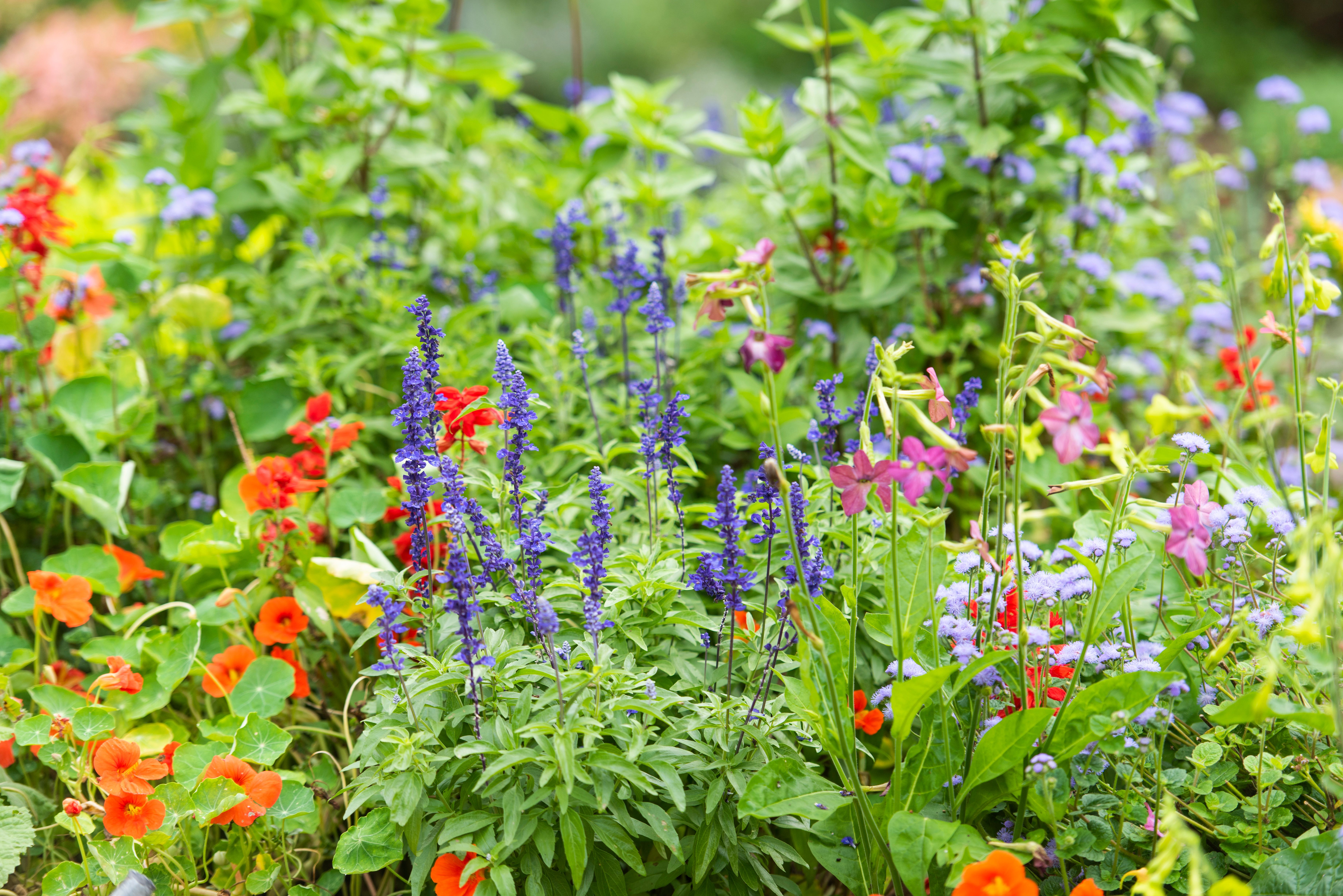
Fall gardens have a funny way of looking both dramatic and tired at the same time. The trees are showing off like they just discovered social media, while your summer annuals may be slumping over like they paid rent all season and are officially done. That is where fall annuals come in: quick, colorful, reliable plants that can freshen up beds, porch pots, window boxes, borders, and bare patches before winter arrives with its usual “fun is canceled” energy.
The best fall annuals are not just pretty faces. They tolerate cooler temperatures, many handle light frost, and several keep blooming or holding color long after heat-loving summer flowers have packed their little floral suitcases. Some bring petals, some bring bold foliage, and somelooking at you, ornamental peppersbring tiny fruit that makes containers look like a harvest festival got a design degree.
Below are nine excellent fall annuals that add instant color to your garden, plus practical planting tips, design ideas, and real-world experience to help your autumn display look intentional instead of “I panicked at the garden center and bought everything orange.”
Why Fall Annuals Are Worth Planting
Fall annuals are the garden equivalent of a smart wardrobe change. They step in when summer bloomers fade, refresh tired containers, and bridge the gap between late summer and winter. In many parts of the United States, cool-season annuals can be planted in early to mid-fall so their roots settle in before colder weather. In warmer regions, some continue through winter and even into spring.
The key is choosing plants that match your climate and your goal. Do you want flowers? Choose pansies, violas, snapdragons, calendula, or sweet alyssum. Need bold texture? Try ornamental kale or cabbage. Want a fall porch container that looks expensive without requiring a second mortgage? Combine mums, ornamental peppers, and trailing alyssum. The secret is contrast: round blooms, spiky blooms, ruffled foliage, trailing edges, and a few colors that actually speak to one another instead of yelling across the yard.
1. Pansies: The Classic Fall Color Hero
Pansies are the friendly overachievers of fall flowers. Their “faces” come in purple, yellow, orange, white, blue, burgundy, and bicolor combinations, making them one of the easiest annuals for instant garden color. They work beautifully in borders, containers, window boxes, and along walkways where visitors can admire them without needing a botanical dictionary.
How to use pansies in fall
Plant pansies in full sun to part sun, with rich, well-drained soil. They prefer cool weather and may slow down during sudden warm spells, but once temperatures settle, they usually perk up like they just had a tiny espresso. Use them in large drifts for a carpet of color, or tuck them around taller plants such as snapdragons, mums, or ornamental kale.
For a polished look, choose two or three colors and repeat them. Purple and yellow make a bold classic combination. White, lavender, and blue create a softer cottage-garden look. Orange and burgundy lean into autumn without making your flower bed look like a pumpkin spice billboard.
2. Violas: Small Flowers, Big Personality
Violas are close relatives of pansies, but they usually have smaller blooms and a more delicate appearance. Do not let the size fool you. Violas can bloom heavily and often look more natural in mixed plantings. They are especially useful when you want a cheerful, meadow-like effect rather than big, dramatic flowers.
Best places to plant violas
Violas shine at the front of borders, in hanging baskets, and in shallow containers. They are excellent “filler” plants because they knit together spaces between larger annuals. If your fall pot has a mum in the center and ornamental kale on one side, violas can soften the edges and make the whole thing look planned.
They also tend to play well with other cool-season annuals. Pair purple violas with silver dusty miller, yellow snapdragons, or white sweet alyssum. The result is a container that looks like it came from a boutique garden shop, even if you assembled it next to the driveway while holding a half-drunk coffee.
3. Garden Mums: The Porch Staple That Earned Its Reputation
Chrysanthemums, usually called mums, are practically the official uniform of fall porches in America. They deliver dense domes of color in bronze, yellow, white, pink, purple, red, and orange. While some garden mums can be perennial when planted early enough and cared for properly, many fall-purchased mums are best treated as annuals because they often do not have enough time to establish roots before winter.
How to keep mums looking good
Choose plants with plenty of unopened buds if you want the display to last longer. Mums need consistent moisture, especially in containers. A dry mum can go from “autumn centerpiece” to “crispy tumbleweed” with impressive speed. Check the soil often and water when the top inch feels dry.
Use mums as bold focal points. One mum in a pot is fine; three grouped together near a porch step looks intentional. Combine them with trailing sweet alyssum, upright snapdragons, or ornamental peppers for texture. For best results, place them where they receive good light and protection from harsh wind.
4. Ornamental Kale and Cabbage: Foliage That Steals the Show
Ornamental kale and cabbage prove that flowers are not the only way to bring color to a fall garden. Their ruffled or rounded leaves appear in creamy white, rose, pink, purple, green, and deep burgundy. Cooler temperatures often intensify their color, which feels like a nice reward after summer spent watering things that acted personally offended by heat.
Design ideas for ornamental kale
Use ornamental kale and cabbage as anchors in containers or mass them in beds for bold structure. Their low, sturdy habit makes them ideal near the front of borders, around mailboxes, or in porch pots. They look especially good with pansies, violas, mums, and snapdragons.
For modern containers, try one ornamental cabbage in the center with dark violas around the edge. For a farmhouse-style display, combine ornamental kale with white pumpkins, straw, and bronze mums. Just remember: ornamental kale is grown for looks. While related to edible kale, it is usually tougher and less tasty, which is a polite way of saying your salad deserves better.
5. Snapdragons: Vertical Color for Cool Weather
Snapdragons bring height, movement, and a little theatrical flair. Their flower spikes bloom in shades of pink, red, yellow, orange, white, lavender, and bicolor blends. They are useful when a fall container feels too flat, because they add vertical structure without turning the arrangement into a shrubbery contest.
Where snapdragons work best
Plant snapdragons in full sun with moist, well-drained soil. Shorter varieties fit nicely in containers, while taller ones work well in the middle or back of a garden bed. In many climates, they bloom in fall, pause during the coldest weather, and may return with more blooms in spring if conditions are favorable.
Snapdragons pair beautifully with pansies and ornamental kale because they create a layered effect. Put snapdragons toward the back, kale in the middle, and violas or alyssum at the edge. Suddenly your container has height, body, and a soft landingbasically the floral version of good interior design.
6. Calendula: Cheerful Blooms for Crisp Days
Calendula, also known as pot marigold, brings sunny yellow, gold, orange, and cream-colored flowers to cool-season gardens. It has an easygoing, slightly rustic look that fits cottage gardens, raised beds, borders, and mixed containers.
Why calendula belongs in fall gardens
Calendula likes cool weather and can bloom generously in fall and spring. It is especially charming when planted near herbs, vegetables, or relaxed flower borders. The daisy-like flowers brighten gray days and look fantastic beside purple pansies or deep burgundy foliage.
Deadheading spent blooms helps keep plants tidy and encourages more flowering. If seed heads form and drop, calendula may self-sow in some gardens. This is usually manageable and often welcome, because free flowers are one of the few bargains in gardening that do not involve wrestling with a hose.
7. Sweet Alyssum: The Fragrant Finishing Touch
Sweet alyssum is the plant you add when a container needs softness, fragrance, and a graceful edge. It produces clusters of tiny flowers, often white, lavender, pink, or purple, and it can spill gently over the side of pots or along the edge of a bed.
How to use sweet alyssum
Use sweet alyssum as a “spiller” in container design. It looks lovely with mums, pansies, ornamental kale, and snapdragons. White alyssum is especially useful because it blends with almost any color scheme and makes darker flowers pop.
Sweet alyssum also attracts pollinators during a season when nectar sources may be fading. Plant it near walkways or seating areas where its honey-like scent can be enjoyed. Give it sun to part sun, keep the soil evenly moist, and trim lightly if it becomes uneven. It may look delicate, but it is tougher than it appearslike a lace napkin that knows karate.
8. Ornamental Peppers: Bold Color Without Another Flower
Ornamental peppers add color through fruit rather than petals, which makes them especially useful in fall designs. Their small peppers can appear in red, yellow, orange, purple, cream, or near-black shades, often on the same plant as they mature. Some varieties also have dark or variegated foliage.
How to design with ornamental peppers
Use ornamental peppers as accents in containers, especially where you want a harvest-inspired look. They pair well with mums, celosia, ornamental kale, and pumpkins. Because the fruit can be very hot on some varieties, treat them as decorative plants and keep them away from curious children and pets.
Ornamental peppers prefer full sun and well-drained soil. They are not as cold-hardy as pansies or ornamental kale, so plan to protect them from frost or enjoy them as an early-fall display. Their biggest advantage is drama: one small plant can make a container look lively, spicy, and slightly mischievous.
9. Celosia: Flame-Like Texture for Early Fall
Celosia is a warm-season annual that often carries bold color into early fall. Its flame-shaped, plume-like, wheat-like, or cockscomb blooms come in red, orange, yellow, pink, purple, and burgundy. It is not the most frost-tolerant plant on this list, but for instant early fall color, it is hard to ignore.
Best uses for celosia
Plant celosia in sunny beds or containers where it can enjoy warmth and good drainage. It looks terrific with ornamental peppers, mums, and dark-leaved foliage plants. In garden beds, repeat celosia in small groups so the color feels purposeful rather than random.
Celosia is especially useful when your fall garden needs texture. Pansies and mums are round and soft; celosia is upright, fiery, and architectural. It is the plant that walks into a polite fall container and says, “Let’s make this interesting.”
How to Plant Fall Annuals for Fast Results
For instant color, start with healthy transplants rather than seeds. Choose compact plants with strong stems, fresh foliage, and plenty of buds. Avoid plants that are wilted, root-bound, yellowing, or already fully bloomed out. A plant covered in open flowers looks tempting at the store, but buds usually mean a longer show after planting.
Prepare the soil
Fall annuals need good drainage. If water sits in the planting area after rain, improve the bed with compost or choose containers instead. In pots, use fresh potting mix rather than tired summer soil that may be compacted, depleted, or secretly hosting a fungus convention.
Water deeply after planting
Water newly planted annuals thoroughly so the root ball and surrounding soil settle together. Containers dry faster than garden beds, especially in sunny or windy locations. Check moisture regularly. Most fall annuals prefer soil that is moist but not soggy.
Mulch lightly
A thin layer of mulch helps moderate soil temperature, reduce moisture loss, and keep soil from splashing onto leaves. Do not bury plant crowns under mulch. Plants enjoy a cozy blanket; they do not enjoy being tucked in over their heads.
Best Fall Annual Color Combinations
Choosing fall annuals is easier when you think in palettes. For a classic autumn look, combine bronze mums, orange calendula, purple ornamental peppers, and white alyssum. For a refined porch display, use white mums, purple violas, ornamental cabbage, and silver foliage. For a playful cottage-garden style, mix snapdragons, pansies, calendula, and sweet alyssum in loose clusters.
Containers look best when they include three roles: a thriller, a filler, and a spiller. The thriller is tall or bold, such as snapdragons, celosia, or ornamental peppers. The filler adds fullness, such as mums, pansies, or ornamental kale. The spiller trails over the edge, such as sweet alyssum or trailing violas. This simple formula makes even a beginner container look confident.
Common Mistakes to Avoid
The first mistake is planting too early in hot climates. Cool-season annuals can stretch, wilt, or decline if planted while the weather still feels like July wearing a Halloween costume. Wait until nights cool down and garden centers stock strong fall transplants.
The second mistake is forgetting to water. Cooler weather reduces stress, but containers still dry out. Mums, pansies, and alyssum are especially quick to complain when neglected. The third mistake is using too many colors in one small space. Fall plants are already vibrant; limit each container to a few colors for a cleaner look.
Finally, do not assume every fall annual has the same frost tolerance. Pansies, violas, ornamental kale, and some snapdragons handle cold better than celosia or ornamental peppers. If frost is forecast, move tender pots closer to the house or cover them overnight.
Experience Notes: What Actually Works in a Fall Garden
In real-life fall gardening, the best displays usually come from simple decisions repeated well. One of the most reliable tricks is to refresh only the tired parts of a summer container instead of rebuilding everything. If a pot still has healthy trailing foliage or an ornamental grass, leave it in place. Pull the exhausted annuals, loosen the top few inches of soil, add fresh potting mix, and tuck in pansies, violas, mums, or ornamental kale. The container instantly looks new without the drama of starting from scratch.
Another lesson: buy smaller plants when you need coverage, but buy larger plants when you need impact today. A six-pack of pansies is great for edging a bed, but a porch pot that must look full by Saturday may need larger transplants. Gardening has its noble ideals, but sometimes guests are coming over and the front steps need to look alive immediately.
For containers, drainage matters more than almost anything else. Fall rain followed by cold nights can make soggy soil a real problem. A pot without drainage holes is not a planter; it is a decorative swamp with ambitions. Use containers with holes, lift them slightly off flat surfaces if needed, and avoid letting saucers stay full of water.
Color planning also pays off. The most attractive fall gardens often use contrast instead of chaos. Purple pansies look richer next to yellow calendula. White alyssum makes red mums feel brighter. Ornamental kale softens the heavy look of mums. Snapdragons give height to low plantings. Once you understand each plant’s job, designing becomes much easier.
One practical experience tip is to deadhead selectively. Pansies, violas, calendula, and snapdragons usually bloom better when old flowers are removed. Mums are different; once a florist-style mum is fully spent, it often will not rebloom heavily that same season. At that point, replace it, compost it, or move it somewhere less visible and let it finish with dignity.
Microclimates make a surprising difference. A pot beside a brick wall may stay warmer than one exposed on open steps. A garden bed near the house may survive a light frost better than a bed in a low, open spot. Use this to your advantage. Put tender plants like ornamental peppers and celosia in protected early-fall locations, and reserve exposed areas for tougher choices such as pansies, violas, and ornamental kale.
The final experience worth remembering is that fall annuals do not have to be perfect to be beautiful. A few nibbled leaves, a leaning snapdragon, or a mum that blooms slightly unevenly will not ruin the garden. Autumn is already a season of texture, change, and imperfection. The goal is not to create a plastic-looking display. The goal is to add warmth, color, and life when the rest of the garden is slowing down.
Conclusion
Fall annuals are one of the easiest ways to bring instant color back to a tired garden. Pansies and violas offer cheerful blooms, mums deliver classic autumn drama, ornamental kale adds sculptural foliage, snapdragons bring height, calendula glows in cool weather, sweet alyssum softens edges, ornamental peppers add spicy color, and celosia brings fiery texture for early fall.
The best approach is simple: match the plant to your climate, choose healthy transplants, refresh the soil, water consistently, and build combinations with texture as well as color. With the right fall annuals, your garden can keep looking lively long after summer flowers have retired to the compost pile. And honestly, after months of weeding, watering, and negotiating with squirrels, you deserve a garden that gives you one more big, colorful round of applause.