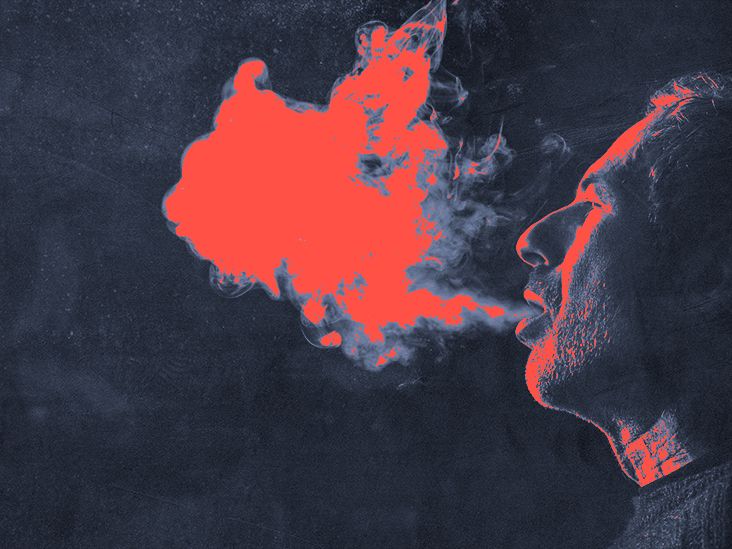
Smoking has somehow managed one of the strangest public relations tricks in modern history: it can look small, ordinary, and almost harmless while causing massive damage in the background. A cigarette is tiny. The health bill it hands your body is not. If you have ever wondered why doctors, public health experts, and probably that one brutally honest relative keep saying smoking is bad for you, the answer is simple: smoking hurts nearly every organ in your body, and it does it in more ways than most people realize.
Yes, the lungs take a beating. But smoking is not just a “lung issue.” It affects your heart, blood vessels, brain, mouth, immune system, fertility, skin, healing, and long-term quality of life. It raises your risk for multiple cancers, makes breathing harder, stresses your heart, and can even harm people standing nearby through secondhand smoke. In other words, smoking is not a bad habit with one downside. It is more like a wrecking ball with a very good disguise.
Smoking Is More Than a Bad Habit. It Is a Full-Body Problem.
The first thing to understand about the health effects of smoking is that cigarette smoke is not just “a little smoke.” When tobacco burns, it creates a toxic mix of thousands of chemicals. Many of those chemicals irritate tissue, damage blood vessels, trigger inflammation, and increase the risk of cancer. Nicotine, the addictive chemical in tobacco, is what keeps many people coming back. But nicotine is only part of the story. The smoke itself is packed with substances your body never requested and definitely does not enjoy.
That is why the question “why is smoking bad for you?” has such a wide answer. Smoking does not politely stay in one lane. Once inhaled, its chemicals move through your lungs into your bloodstream, and from there, they travel all over your body. Your organs do not get to vote on the matter. Your heart works harder. Your blood vessels get damaged. Your cells face more oxidative stress. Your immune system becomes less effective. Your body, basically, has to spend energy coping with a problem it did not need in the first place.
And this is not some rare, one-in-a-million outcome. Smoking is one of the leading preventable causes of disease and death in the United States. That phrase sounds formal, but the meaning is blunt: a lot of the harm smoking causes is avoidable, and a lot of people suffer anyway.
Why Smoking Is Bad for Your Lungs
Let’s start with the obvious victims: the lungs. Your lungs are designed to exchange oxygen with incredible efficiency. They are not designed to handle hot, chemical-filled smoke on repeat. Every puff can irritate the airways and damage the tiny air sacs that help move oxygen into your blood. Over time, this damage adds up.
Smoking increases the risk of COPD, chronic bronchitis, and emphysema
One of the most serious smoking risks is chronic obstructive pulmonary disease, or COPD. This umbrella term includes chronic bronchitis and emphysema. In chronic bronchitis, the airways stay inflamed and produce excess mucus, leading to that classic smoker’s cough that sounds like the lungs are filing a complaint. In emphysema, the air sacs in the lungs are damaged, making it harder to move air in and out. The result can be shortness of breath, reduced stamina, frequent infections, and a life that gets smaller because basic activities suddenly feel harder.
Walking upstairs. Carrying groceries. Chasing your dog. Laughing too hard. None of these should feel like an endurance sport, yet smoking can push the body in that direction. Even before a person develops a major lung disease, smoking can cause coughing, wheezing, chest tightness, reduced exercise tolerance, and more respiratory infections.
Smoking is strongly linked to lung cancer
When people think of smoking and cancer, lung cancer usually comes to mind first, and for good reason. Smoking is the leading cause of lung cancer and is associated with most lung cancer deaths. People who smoke are far more likely to develop lung cancer than people who do not. The reason is not mysterious. Tobacco smoke damages DNA, weakens the body’s ability to fight abnormal cells, and creates the perfect conditions for tumors to develop over time.
The especially frustrating part is that lung damage can build gradually. Many smokers feel “mostly fine” for years, which can create a false sense of safety. Meanwhile, the damage keeps collecting interest.
Why Smoking Is Bad for Your Heart and Blood Vessels
Smoking and heart disease are close, miserable friends. Cigarette smoke damages the lining of blood vessels, promotes inflammation, makes blood more likely to clot, and contributes to the buildup of plaque in arteries. That means smoking raises the risk of heart attack, stroke, and other cardiovascular diseases.
Here is where smoking becomes especially sneaky. Some people assume a smoking-related disease will announce itself slowly and dramatically, like a villain entering with theme music. Cardiovascular disease does not always work that way. A person can feel okay, keep smoking, and then suffer a heart attack or stroke as the first obvious sign that something has gone badly wrong.
Nicotine also causes short-term spikes in heart rate and blood pressure. Over time, that repeated stress is not exactly a wellness routine. It is more like asking your cardiovascular system to sprint tiny intervals all day while also breathing poison. The body can adapt for a while, but adaptation is not the same as safety.
Smoking also affects circulation. Damaged blood vessels and reduced oxygen delivery can contribute to cold hands and feet, slower healing, and peripheral artery disease. In plain English: the highway system carrying oxygen and nutrients around your body starts getting clogged, inflamed, and less reliable. That is a terrible upgrade.
Smoking and Cancer: Not Just the Lungs
Another reason smoking is bad for you is that its cancer risk extends far beyond the chest. Smoking is linked to cancers of the mouth, throat, larynx, esophagus, bladder, pancreas, kidney, liver, cervix, colon and rectum, and more. It is not a one-cancer problem. It is a multi-organ cancer risk multiplier.
Why does smoking have such a wide reach? Because the chemicals in smoke do not stay in one place. They enter the bloodstream and affect tissues throughout the body. Some damage DNA directly. Some interfere with how cells repair themselves. Some weaken immune defenses that would otherwise help clear dangerous cells before they become tumors.
This is one reason the phrase “I only smoke socially” is less comforting than people hope. Cancer risk is not impressed by the fact that the cigarette came with a rooftop view and good music. Less smoking is generally better than more smoking, but there is no magical line where cigarettes become harmless.
The Health Effects of Smoking You Might Not Notice Right Away
One reason people underestimate smoking is that not every consequence arrives immediately. Some of the damage is quiet, cumulative, and easy to ignore until it becomes a serious problem.
Smoking can raise the risk of type 2 diabetes
Smoking is associated with a higher risk of type 2 diabetes, and for people who already have diabetes, it can make management harder. Nicotine and other chemicals can increase inflammation and interfere with how the body handles blood sugar. That means smoking does not just create new health problems. It also makes existing ones harder to control.
Smoking weakens the immune system
Your immune system is supposed to help defend you from infection and support healing. Smoking makes that job harder. It can weaken immune function, increase inflammation, and slow down recovery. Cuts may heal more slowly. Infections may hit harder. The body spends more time fighting the effects of smoking and less time doing all the other important maintenance work that keeps you functioning well.
Smoking harms oral health
If your idea of smoking damage ends at the lungs, your mouth would like a word. Smoking increases the risk of gum disease, tooth loss, poor healing after dental procedures, bad breath, staining, and oral cancer. It can also make it harder for gums to recover once they have been damaged. So yes, smoking can literally take your breath away and your smile with it. Efficient, in the worst possible way.
Smoking affects fertility and pregnancy
Smoking can make it harder to get pregnant and is linked to reproductive health problems. During pregnancy, smoking can harm the fetus and raises the risk of complications, including low birth weight. This is one more reminder that the effects of smoking do not stay neatly contained within the smoker’s body. Tobacco exposure can affect families before a child is even born.
Secondhand Smoke Is Bad for You Too
Even if you do not smoke, smoke can still come looking for you. Secondhand smoke is not just annoying air with a bad attitude. It has real health consequences. Exposure can harm the heart and blood vessels, increase the risk of heart disease and stroke in adults, and cause lung cancer in people who do not smoke. For babies and children, secondhand smoke can contribute to breathing problems and other health issues.
This matters because smoking is often treated like a personal choice with personal consequences. In reality, the impact can spread to roommates, partners, children, coworkers, and anyone sharing enclosed air. Smoke has no respect for personal space. It is the rude party guest of public health.
No, “Light” Smoking Is Not Safe
Some people assume the real danger only applies to heavy smokers. That belief has been stubborn and wildly unhelpful. The truth is that even low-intensity smoking carries serious risk. Research has found that smoking just a few cigarettes a day is still associated with much higher risks of dying from respiratory disease, lung cancer, and heart disease compared with never smoking.
That is because smoking damage is not measured only by dramatic habits. It is also measured by repetition. One cigarette may not cause a visible crisis in the moment, but repeated exposure over time still adds harm. There is no health version of “I barely touched the stove” that makes burns a good idea.
What Smoking Often Feels Like in Real Life
Statistics explain the scale of smoking-related disease, but real life is where the issue becomes impossible to ignore. Smoking often begins with a story that sounds ordinary. Someone is stressed. Someone wants to fit in. Someone is curious. Someone thinks one cigarette at a party is no big deal. At first, the habit can feel social, calming, or even stylish in a retro-movie sort of way. Then the practical consequences start showing up, and they are rarely glamorous.
A person who smokes may notice small changes before any doctor uses a scary term. Morning cough. Shorter breath while climbing stairs. More throat irritation. More colds that seem to linger. Food does not taste as sharp. Exercise feels harder. The smell sticks to clothes, hair, the car, the couch, and basically any fabric within a five-mile radius. The body starts sending tiny warning letters long before it sends an emergency memo.
There is also the social side of smoking, which people do not always talk about. Some smokers describe planning their day around cigarette breaks without even realizing it. Long flights become more annoying. Movies become longer. Restaurants become a calculation. Rain becomes less of a weather event and more of a smoking inconvenience. Addiction has a way of shrinking freedom while pretending to offer comfort. That is a bad trade.
Families feel it too. Kids notice when a parent coughs. Partners worry about health, money, and secondhand smoke. Loved ones may not always know how to bring it up without sounding judgmental, so concern turns into quiet stress. In homes where someone smokes for years, the smell itself can become part of the memory of that house. Not exactly the legacy most people are aiming for.
Then there are the medical moments that make everything more real. A dental appointment where gum disease shows up. A physical where blood pressure is higher than expected. A scan, a persistent cough, a warning from a doctor, a friend the same age getting diagnosed with something serious. Smoking-related harm often becomes emotionally real not when people read a fact sheet, but when the body interrupts daily life and says, in effect, “We need to talk.”
People who have smoked for years often describe a strange mix of normalization and worry. The habit can feel routine, but the consequences slowly become harder to deny. Maybe they avoid hills. Maybe they get winded carrying luggage. Maybe they feel embarrassed by the cough in a quiet room. Maybe they tell themselves they are “not that bad” because someone else smokes more. That comparison game is common, and it is useless. The body does not award safety points because another person made worse choices.
There is also a financial experience attached to smoking that adds insult to injury. Cigarettes cost money, and smoking-related illness can cost much more in healthcare, missed work, and reduced quality of life. It is a habit that can take your breath, your energy, your time, your comfort, and then ask for cash on the way out. Remarkably rude behavior from a paper tube.
In everyday life, the biggest lesson is this: smoking rarely stays “just a habit.” It becomes a pattern that affects health, confidence, convenience, relationships, and future risk. That is why the question is not only “Can smoking kill you?” It is also “How much of your life can smoking quietly make worse before you even reach that point?” The answer, unfortunately, is: quite a lot.
The Bottom Line
So, why is smoking bad for you? Because it damages the lungs, strains the heart, injures blood vessels, increases the risk of many cancers, weakens immune defenses, harms oral and reproductive health, raises the risk of diabetes, and exposes other people to dangerous secondhand smoke. It is one of the clearest examples in medicine of a habit that can affect nearly the entire body.
Smoking may feel normal because it has been around for so long, but “common” and “safe” are not the same thing. Plenty of bad ideas have been popular. Cigarettes are simply one of the most medically documented examples. The more we understand about the health effects of smoking, the less mysterious the warning becomes. Smoking is bad for you because it keeps asking your body to absorb damage, adapt to poison, and pretend everything is fine. Eventually, the body stops pretending.