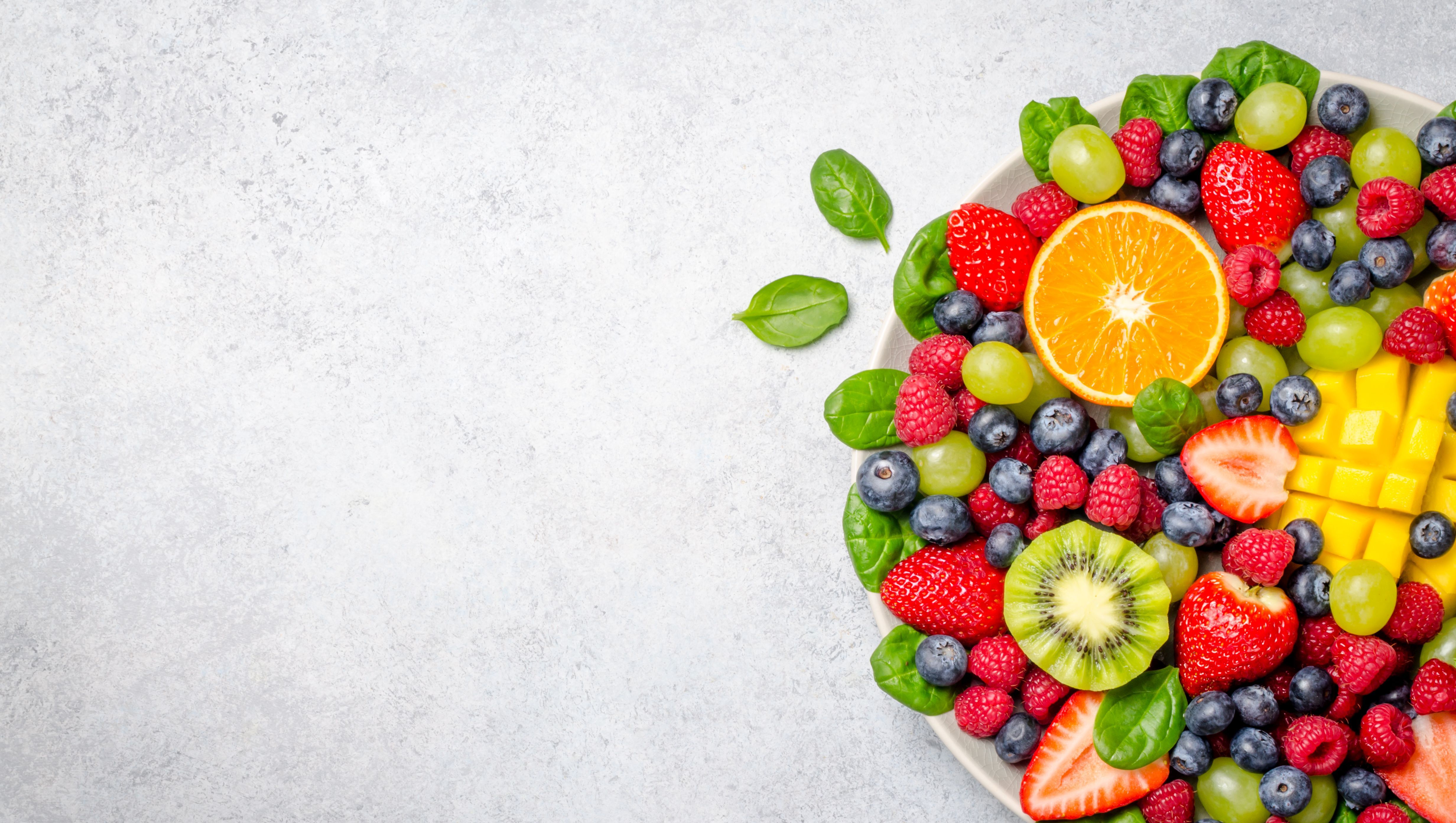
A 3-day fruit cleanse diet sounds bright, refreshing, and just a little glamorouslike your refrigerator put on a spa robe. But before you fill the kitchen with pineapples, berries, melon, and heroic intentions, let’s clear up one important thing: your body does not need a magical fruit-only vacation to “flush toxins.” Your liver, kidneys, digestive system, lungs, and skin are already doing that job, no celebrity-endorsed juice bottle required.
That does not mean a short, fruit-focused reset is useless. Done wisely, a 3-day fruit cleanse can help you eat more whole foods, drink more water, reduce ultra-processed snacks, notice your hunger cues, and bring more color back to your plate. Done poorly, it can leave you hungry, tired, lightheaded, low on protein, and oddly emotional about toast. The healthiest version is not a strict fruit-only fast. It is a balanced, whole-food, fruit-forward plan that includes vegetables, protein, healthy fats, and enough calories to support normal life.
This guide explains how to do a 3-day fruit cleanse diet in the safest, most realistic waywithout falling for detox myths, starving yourself, or turning breakfast into a blender-based identity crisis.
What Is a 3-Day Fruit Cleanse Diet?
A 3-day fruit cleanse diet is typically a short eating plan centered on fresh fruit, smoothies, juices, or raw plant foods. Some versions are extremely restrictive, allowing only fruit or juice. The healthier version is more flexible: fruit is the star, but it shares the stage with vegetables, lean or plant-based protein, whole grains, nuts, seeds, yogurt, beans, and plenty of water.
The goal should not be rapid weight loss or “detoxing.” A better goal is to reset your eating pattern for a few days by emphasizing whole, fiber-rich foods and reducing added sugars, fried foods, alcohol, and heavily processed snacks. Think of it as a nutritional spring cleaningnot a punishment, not a crash diet, and definitely not a three-day banana hostage situation.
The Truth About “Detox” Claims
Many cleanse diets claim to remove toxins, boost metabolism, flatten the stomach, clear skin overnight, or make you glow like a freshly polished apple. The problem is that most of these claims are not well supported by strong evidence. Your body already has a built-in detox system. The liver processes substances, the kidneys filter blood, the intestines move waste, and the lungs help remove carbon dioxide.
What food can do is support those systems. A diet rich in fruits, vegetables, fiber, fluids, and nutrient-dense foods can support digestion, regular bowel movements, heart health, and overall wellness. But a cleanse does not scrub your insides like a kitchen sponge. If someone promises that three days of juice will erase months of stress, poor sleep, and convenience-store dinners, smile politely and protect your wallet.
Who Should Avoid a Fruit Cleanse?
A fruit cleanse diet is not right for everyone. People who are pregnant or breastfeeding, children and teens, people with diabetes, people with kidney disease, anyone with a history of eating disorders, people taking blood sugar or blood pressure medication, athletes in heavy training, and anyone with a chronic medical condition should talk with a healthcare professional before trying any restrictive eating plan.
Even healthy adults should avoid fruit-only fasting, laxative teas, unpasteurized juices, extreme calorie restriction, or plans that remove entire food groups for no medical reason. If a cleanse makes you dizzy, shaky, weak, confused, unusually tired, or unable to focus, stop and eat a balanced meal. Your body is not “detoxing harder.” It is waving a tiny red flag.
The Healthiest Version: A Fruit-Forward Reset, Not a Fruit-Only Fast
The healthiest way to do a 3-day fruit cleanse diet is to build each day around whole fruit while keeping meals balanced. Whole fruit is better than juice because it contains fiber, which supports digestion and helps you feel full. Juice can fit in small amounts, but it should not replace meals. Smoothies are better when they include whole fruit, greens, protein, and healthy fats instead of being giant cups of liquid sugar.
A smart fruit cleanse includes:
- Fresh, frozen, or canned fruit packed in water or its own juice
- Non-starchy vegetables such as leafy greens, cucumber, carrots, peppers, broccoli, and zucchini
- Protein from Greek yogurt, eggs, tofu, beans, lentils, fish, chicken, cottage cheese, or protein-rich plant foods
- Healthy fats from avocado, nuts, seeds, olive oil, or nut butter
- Whole grains such as oats, brown rice, quinoa, or whole-grain toast
- Water, unsweetened herbal tea, or sparkling water without added sugar
This approach gives you the refreshing feel of a cleanse while avoiding the common problems of fruit-only diets: low protein, unstable energy, intense hunger, and a digestive system that suddenly wonders why it has been assigned so much fiber.
How to Prepare Before Day 1
The best cleanse starts before the first strawberry hits the bowl. One or two days before beginning, reduce alcohol, fried foods, ultra-processed snacks, sugary drinks, and very salty meals. Add more water and include fruits and vegetables with normal meals. This makes the transition easier and reduces the chance of headaches or cravings.
Shop for variety. Choose fruits in different colors: berries, oranges, kiwi, apples, pears, bananas, grapes, melon, pineapple, peaches, and mango. Different colors often bring different vitamins, minerals, and plant compounds. Add vegetables, protein foods, and simple staples like oats, yogurt, eggs, tofu, beans, nuts, chia seeds, and brown rice.
Food safety matters, too. Wash whole produce under running water before cutting or eating it. Scrub firm produce like melons and cucumbers with a clean produce brush. Keep raw fruits and vegetables separate from raw meat, poultry, and seafood. Refrigerate pre-cut fruit. A cleanse should make you feel fresh, not send you into a dramatic relationship with food poisoning.
A Safe 3-Day Fruit Cleanse Diet Plan
Day 1: Gentle Start
Breakfast: Oatmeal topped with blueberries, sliced banana, cinnamon, and chia seeds. Add Greek yogurt or soy yogurt on the side for protein.
Snack: Apple slices with peanut butter or almond butter.
Lunch: Big salad with spinach, strawberries, cucumber, avocado, grilled chicken or tofu, pumpkin seeds, and olive oil vinaigrette.
Snack: Orange slices or grapes with a handful of walnuts.
Dinner: Quinoa bowl with roasted vegetables, black beans, mango salsa, and lime.
Why it works: Day 1 adds fruit at every meal without removing important nutrients. Oats, beans, yogurt, nuts, and seeds help provide protein and fiber, so your energy stays steadier.
Day 2: Color and Fiber Boost
Breakfast: Smoothie made with frozen berries, spinach, plain Greek yogurt or silken tofu, ground flaxseed, and water or unsweetened milk. Keep it thick enough to eat with a spoon if you want it to feel more satisfying.
Snack: Pear with cottage cheese or a small handful of pistachios.
Lunch: Whole-grain wrap with hummus, shredded carrots, greens, cucumber, and sliced apple on the side.
Snack: Kiwi and strawberries with plain yogurt.
Dinner: Salmon, tofu, or lentils with roasted broccoli, brown rice, and pineapple-cucumber salsa.
Why it works: This day keeps the fruit cleanse theme but adds enough protein and complex carbohydrates to prevent the “I can hear colors” feeling that sometimes comes from under-eating.
Day 3: Transition Back to Normal Eating
Breakfast: Whole-grain toast with avocado, boiled egg or tofu scramble, and a side of berries.
Snack: Banana with a small spoonful of peanut butter.
Lunch: Lentil soup or bean bowl with greens, tomatoes, citrus dressing, and sliced melon.
Snack: Peach, nectarine, or apple with sunflower seeds.
Dinner: Stir-fry with vegetables, lean protein or tofu, brown rice, and fresh orange slices for dessert.
Why it works: Day 3 gently returns you to a normal balanced eating pattern. That matters because the best cleanse is the one that improves tomorrow’s habits instead of making you sprint toward pizza at midnight.
Best Fruits to Include
No single fruit is magic, so choose variety. Berries are rich in fiber and naturally colorful plant compounds. Apples and pears are convenient and filling. Citrus fruits provide vitamin C and bright flavor. Bananas are useful when you need quick energy. Kiwi, mango, papaya, and pineapple make meals feel fun without needing added sugar. Melons are hydrating and refreshing.
If you have diabetes, insulin resistance, kidney disease, or potassium restrictions, fruit choices and portions matter more. Whole fruit is usually a better choice than juice because it has more fiber and is more filling. People with kidney disease may need to limit high-potassium fruits such as bananas, oranges, cantaloupe, honeydew, dried fruits, and some juices depending on their lab results and medical advice.
What to Drink During a 3-Day Fruit Cleanse
Water should be your main drink. Unsweetened herbal tea, sparkling water, and water infused with cucumber, mint, lemon, berries, or citrus slices can keep things interesting. Coffee can be included if you already drink it, but avoid turning it into a dessert with lots of syrup and whipped cream.
Limit fruit juice. Even 100% juice can add a lot of natural sugar quickly and does not provide the same fiber as whole fruit. If you include juice, keep the portion small and drink it with a meal rather than using it as a meal replacement.
Common Mistakes to Avoid
Mistake 1: Eating Only Fruit
Fruit is healthy, but fruit alone is not a complete diet. A fruit-only cleanse can be too low in protein, fat, iron, calcium, zinc, vitamin B12, and total calories. Add protein and fat to keep meals balanced.
Mistake 2: Drinking All Your Meals
Juice-only cleanses may feel efficient, but they remove much of the fiber and can leave you hungry. Chewing food helps satisfaction. Your teeth did not train for years just to watch everything go through a straw.
Mistake 3: Ignoring Protein
Protein supports muscles, immune function, and fullness. Include protein at each meal from yogurt, eggs, beans, lentils, tofu, seafood, poultry, cottage cheese, nuts, or seeds.
Mistake 4: Using Cleanses for Quick Weight Loss
Any weight lost during a strict cleanse is often water weight or the result of eating too few calories. Sustainable wellness comes from repeatable habits, not three days of dietary drama.
Mistake 5: Forgetting Food Safety
Wash produce, refrigerate cut fruit, avoid unpasteurized juices, and keep raw produce away from raw animal foods. Fresh does not automatically mean risk-free.
How You Might Feel During the 3 Days
On a balanced fruit-forward plan, many people feel lighter, more hydrated, and more aware of their usual snack habits. You may notice better regularity because of the increased fiber. You may also experience gas or bloating if you suddenly eat much more fruit and vegetables than usual. Increase fiber gradually, drink water, and avoid eating giant fruit portions all at once.
You should not feel faint, shaky, extremely weak, or unable to concentrate. Those are signs that the plan may be too low in calories or unbalanced. Add a real meal with protein, carbohydrates, and fat. A healthy plan should support your day, not turn walking up stairs into an Olympic event.
How to Eat After the Cleanse
The day after the cleanse is where the real benefit begins. Keep one or two habits you enjoyed. Maybe you continue eating berries with breakfast, packing an apple with lunch, drinking more water, or building a colorful dinner bowl. Return to normal meals slowly and avoid celebrating with a mountain of fried food just because you “finished.” Your digestive system enjoys plot consistency.
A good long-term pattern includes fruits, vegetables, whole grains, protein foods, healthy fats, and mostly minimally processed foods. That is less flashy than a cleanse, but it works better. Real health is built in ordinary meals, repeated often.
Real-Life Experience: What a Healthy 3-Day Fruit Cleanse Can Feel Like
Imagine starting your 3-day fruit cleanse on a Monday morning. You have already washed berries, sliced melon, cooked a pot of quinoa, stocked the fridge with yogurt and greens, and promised yourself this will not become another “I bought kale and watched it retire in the crisper drawer” situation.
Day 1 feels exciting. Breakfast is oatmeal with blueberries and banana, and it actually tastes like comfort food rather than punishment. By lunch, the strawberry-spinach salad looks suspiciously pretty for something you made yourself. You feel proud, hydrated, and maybe a little smug in the grocery-store-produce-section kind of way. Around 4 p.m., the snack cravings arrive. Instead of pretending hunger is a personality flaw, you eat an apple with peanut butter. Crisis avoided. Peanut butter remains undefeated.
Day 2 is more revealing. You notice how often you usually reach for snacks when you are bored, tired, or avoiding emails. The smoothie breakfast is refreshing, but you realize that a smoothie alone does not keep you full unless it includes protein and fat. So you add Greek yogurt and flaxseed. Suddenly, the smoothie has staying power. Lunch is a hummus wrap with crunchy vegetables and fruit on the side. It is not dramatic. It is not a detox miracle. It is just good food doing good-food things.
By evening, you may feel a bit bloated if your usual diet is lower in fiber. That does not mean the cleanse is failing. It may simply mean your digestive system has received a surprise invitation to a fiber festival. Drinking water, walking gently, and spacing fruit throughout the day can help. This is also the day you learn that eating five servings of fruit in one sitting is not “wellness.” It is a scheduling problem.
Day 3 often feels calmer. The novelty has faded, but the habits feel easier. You might notice you are drinking more water without forcing it. You may want something warm and savory, so dinner becomes a vegetable stir-fry with tofu or salmon and rice, plus orange slices for dessert. That meal still fits the cleanse because the healthiest version was never about fruit-only rules. It was about using fruit as a gateway to a more colorful, less processed pattern.
The most useful experience from a 3-day fruit cleanse is not a lower number on the scale. It is the information you collect. You learn which fruits keep you satisfied, which snacks prevent afternoon energy crashes, how your body responds to more fiber, and whether you have been confusing thirst with hunger. You may also learn that you enjoy simple foods more than expected when they are prepared well.
After the cleanse, the smartest move is to keep the habits that felt natural. Continue adding berries to breakfast. Keep apples, oranges, or grapes ready for snacks. Add vegetables to lunch. Include protein at every meal. Drink water before reaching for another sweetened drink. The goal is not to live forever inside a 3-day plan. The goal is to leave it with a few habits that make normal eating easier.
Conclusion
The healthiest way to do a 3-day fruit cleanse diet is to avoid the extreme version. Skip fruit-only fasting, juice-only plans, laxative teas, and promises that sound like they were written by a blender with a marketing degree. Instead, choose a balanced, fruit-forward reset built on whole fruit, vegetables, protein, healthy fats, whole grains, and hydration.
A 3-day fruit cleanse can be a useful short-term reset if it helps you eat more produce, reduce ultra-processed foods, and reconnect with simple meals. But it should not be used as punishment, a quick weight-loss trick, or a substitute for medical care. Your body does not need to be bullied into health. It needs steady support, enough food, and habits you can actually repeat after the three days are over.