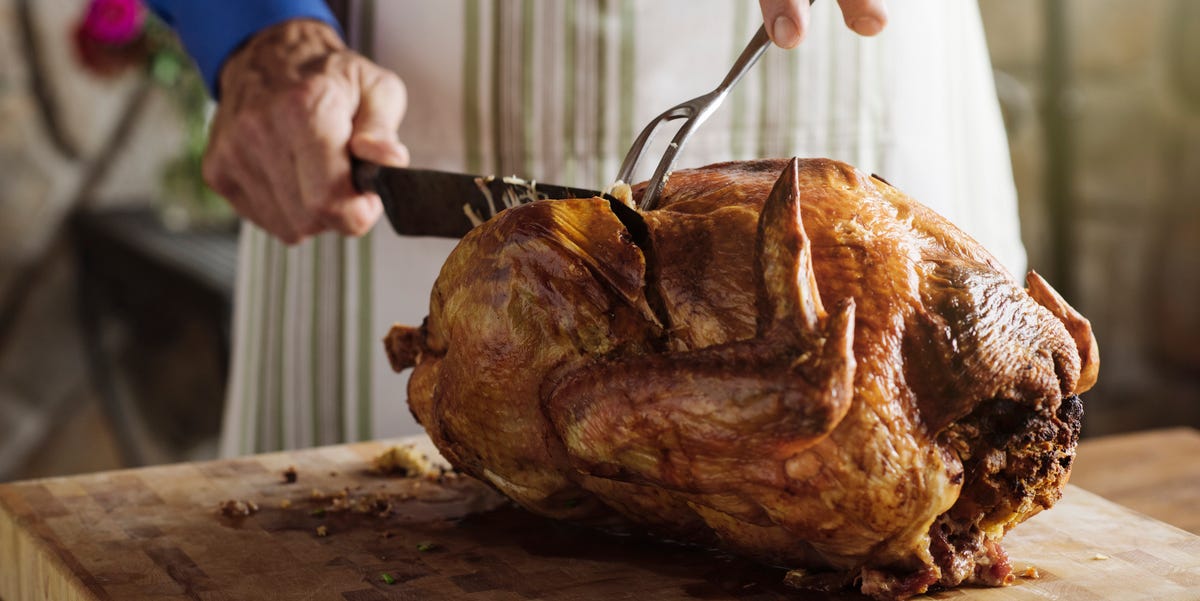
Thanksgiving turkey has a funny way of making confident people whisper, “So… how long has this been in the oven?” One minute you are feeling like the ruler of the holiday table, and the next minute you are Googling whether a half-frozen bird counts as “rustic.” The good news is that most turkey disasters are not mysterious. They come from the same handful of mistakes, repeated every November like a family tradition nobody asked for.
If you want a turkey that is juicy, flavorful, safe to eat, and dramatic only in the good way, a few smart decisions matter more than fancy tricks. In fact, the best Thanksgiving tips are usually gloriously unglamorous: plan ahead, dry the bird, season it properly, use a thermometer, and stop treating the turkey like it needs a spa day in the sink. Here is how to avoid the most common turkey mistakes and pull off a bird that deserves applause instead of extra gravy as an apology.
Why Turkey Goes Wrong So Often
Turkey is not difficult because it is complicated. It is difficult because it is big, uneven, and unforgiving when you wing it. White meat cooks faster than dark meat. A giant bird takes serious thawing time. The oven door gets opened every five minutes by someone “just checking.” Add holiday pressure, competing side dishes, and one relative who keeps asking when dinner is, and suddenly the turkey becomes the main character in a stress drama.
That is why the smartest Thanksgiving tips are really about controlling the variables. Once you do that, the turkey gets a lot less scary and a lot more delicious.
1. Not Thawing the Turkey Early Enough
This is the classic Thanksgiving panic spiral. You buy a frozen turkey, tuck it into the fridge, and assume cold air plus optimism will handle the rest. Then Thanksgiving morning arrives, and the center is still icy enough to host penguins.
Why this mistake matters
A poorly thawed bird cooks unevenly. The outside can overcook while the inside is still lagging behind. That means dry breast meat, delayed dinner, and a host who starts bargaining with the oven.
What to do instead
Give yourself more thawing time than you think you need. Turkey rewards caution. The most reliable plan is a slow refrigerator thaw, not a countertop stunt. And if you are already behind, cold-water thawing can help in a pinch, but it requires attention and immediate cooking afterward. In other words, it is a rescue move, not a lifestyle.
Best Thanksgiving tip here: treat thawing like part of the recipe, not an optional pregame activity.
2. Washing the Turkey
Let’s retire this one with full honors. Washing a raw turkey does not make it cleaner. It makes your sink, counters, faucet, nearby fruit bowl, and possibly your shirt less clean. Raw poultry juices love to travel, and they do not need a boarding pass.
Why people do it
Some home cooks were taught that rinsing poultry removes germs or “freshens it up.” It feels productive. Unfortunately, the turkey does not care about feelings.
What to do instead
Skip the rinse. Move the turkey from packaging to pan, pat it dry with paper towels, and clean the surfaces and tools that touched the raw bird. That gives you better food safety and better skin texture. Crispy skin loves a dry exterior. Wet skin gives you the color and texture of a raincoat.
3. Buying a Bird That Is Too Big for Your Setup
Every year, somebody buys a turkey based on ambition rather than physics. The bird barely fits in the roasting pan, definitely does not fit comfortably in the fridge, and enters the oven like a piece of luggage being forced into an overhead bin.
Why this mistake matters
An oversized turkey is harder to thaw, harder to handle, and more likely to cook unevenly. The larger the bird, the harder it is to keep the breast from drying out before the legs and thighs catch up.
What to do instead
Think about your oven, roasting pan, refrigerator space, and guest list before you buy. Sometimes two smaller birds or a whole turkey plus an extra breast is easier than wrestling with one gigantic centerpiece. This is one of those Thanksgiving tips that feels boring right up until it saves the day.
4. Skipping the Seasoning or Only Seasoning the Skin
Turkey has a reputation for being bland because, frankly, sometimes people season it like they are apologizing to the salt. A quick sprinkle on the outside right before roasting is not a flavor strategy. It is wishful thinking wearing an apron.
What goes wrong
The inside of the meat stays underseasoned, while the skin may look beautiful but deliver very little flavor once carved. That is how people end up saying, “The gravy will fix it,” in the same tone used for real emergencies.
What to do instead
Season generously and early. A dry brine is one of the simplest ways to improve flavor and help the turkey retain moisture. Salt the bird ahead of time, inside and out, and let it rest uncovered in the refrigerator. Add herbs, pepper, citrus, garlic, or a seasoned butter if that matches your style, but salt is the real MVP.
Also, do not forget the cavity. Even if you are not stuffing it, adding aromatics like onion, lemon, celery, garlic, and herbs can boost the aroma and make the kitchen smell like Thanksgiving should.
5. Stuffing the Turkey Too Tightly
Stuffing cooked inside the bird sounds charming and old-school. Sometimes it is. It can also turn into a food safety puzzle and a texture problem rolled into one carb-filled package.
Why it is tricky
When stuffing is packed inside the cavity, it slows cooking and can keep the center from heating evenly. That creates a tug-of-war: either the stuffing is underdone or the turkey is overcooked by the time everything is finally safe.
What to do instead
If you want the easiest path to a great result, cook stuffing separately. You get better texture, more crispy edges, and less turkey-related anxiety. If you absolutely insist on stuffing the bird, keep it loose and check the center carefully. But for most cooks, separate stuffing is the cleaner win.
6. Trusting the Pop-Up Timer Like It Is a Culinary Oracle
The pop-up timer has fooled many decent people. It looks official. It is built into the turkey. It says, “Relax, I’ve got this.” Then it quietly sets you up for dry meat, undercooked sections, or both.
The better move
Use a real thermometer. A leave-in probe or an instant-read thermometer gives you actual information instead of turkey-themed gambling. Check the thickest part of the thigh and other key spots without touching bone. Temperature tells the truth. Guesswork tells stories.
This may be the most important Thanksgiving tip in the entire article. If you only change one habit, make it this one.
7. Roasting at the Wrong Temperature
Some cooks crank the heat too high and burn the skin before the interior is ready. Others go too low for too long because they heard “slow and low” somewhere and assumed turkey behaves like barbecue. It does not.
What goes wrong
Too hot, and the exterior darkens before the meat cooks evenly. Too low, and the bird lingers in an unsafe temperature range for too long and still may not deliver great texture.
What to do instead
Roast at a dependable oven temperature and let the thermometer guide the finish line. Also, preheat the oven fully before the turkey goes in. Starting in a lukewarm oven is like beginning a marathon in flip-flops: technically possible, deeply unhelpful.
8. Opening the Oven Door and Basting Constantly
Basting looks wonderfully responsible. You get to hold a baster, open the oven, and announce that you are “working on the turkey.” But repeated basting often creates more theater than benefit.
Why it backfires
Every time you open the oven door, heat escapes. That slows cooking and makes timing less predictable. Repeated spoonfuls of liquid over the skin can also interfere with browning. So the turkey takes longer and may still come out pale.
What to do instead
Focus on good prep instead of constant intervention. A properly seasoned bird with dry skin and a little fat on the surface has a much better chance of roasting beautifully without nonstop babysitting. Your oven light is your friend. Use it and step away.
9. Putting a Damp Bird Into the Oven
If you want bronzed, crisp skin, moisture is not your buddy. A turkey that goes into the oven wet is basically asking to steam instead of roast.
The fix
Pat the bird very dry before seasoning and roasting. If you dry brined it uncovered in the refrigerator, you already have a head start. Dry surface plus hot oven equals better browning. It is not magic. It is moisture management, which sounds less fun but tastes much better.
10. Ignoring Carryover Cooking and Carving Too Soon
You made it. The turkey is gorgeous. Everyone is hungry. The temptation to carve immediately is powerful. Resist it.
Why resting matters
When turkey comes out of the oven, the juices are still moving around like they are trying to catch a train. Slice too soon, and a lot of that moisture ends up on the cutting board instead of in the meat.
What to do instead
Let the bird rest before carving. This gives the juices time to redistribute and makes slicing easier. Use that window to warm the rolls, finish the gravy, or pretend you are not tired.
11. Forgetting the Drippings and Mishandling Leftovers
Some cooks pour off the drippings too casually or abandon the roasting pan in the sink before thinking it through. That is flavor left on the table. Then, after dinner, leftovers sit out forever while everyone debates pie. Also not ideal.
What to do instead
Save the drippings for gravy or for moistening sliced meat later. And once the meal is done, carve and refrigerate leftovers promptly. Turkey is generous on Thanksgiving Day, but it expects some respect afterward.
Quick Rescue Plans for Common Turkey Problems
If the turkey is cooking too fast
Loosely tent the darker areas with foil and keep monitoring the temperature. The goal is to protect the exterior without trapping too much steam.
If the turkey is done early
That is not a disaster. A rested turkey is often a better turkey. Keep it warm carefully, hold onto the drippings, and do not announce the timing issue like it is breaking news.
If the turkey is dry
Slice it, add warm gravy or a little warm stock, and serve confidently. Moisture and good seasoning can bring a bird back from the brink. Thanksgiving has been saved by gravy more times than history records.
If the skin is not crisp
Next time, dry the skin better, stop basting so much, and make sure the oven is truly hot before roasting. Turkey success often comes from what you stop doing, not just what you add.
The Best Thanksgiving Tips in One Simple Strategy
If you strip away the holiday hype, a great turkey comes down to this: plan ahead, keep it dry, season it well, cook it safely, and do not carve it in a panic. That is the whole game. You do not need ten gadgets, a secret family spell, or a butter sculpture shaped like confidence.
The most common turkey mistakes happen when cooks rush, guess, or trust tradition more than technique. But once you know where the traps are, Thanksgiving gets much easier. And honestly, that is the dream: a turkey that looks beautiful, tastes even better, and does not require an emergency monologue in front of the oven.
Turkey Tales From Real Holiday Kitchens: Lessons You Only Learn the Hard Way
The first memorable turkey mishap I ever heard about involved a host who proudly announced at 9:00 a.m. that dinner was “totally on schedule.” At 9:15, someone poked the bird and discovered the center was still half frozen. What followed was a frantic sequence involving cold-water thawing, a stack of dish towels, and three people reading package instructions like they were decoding a treasure map. Dinner was late, of course, but the real lesson stuck: turkey problems usually start days earlier, not hours earlier. Thanksgiving rewards the planner, not the improviser.
Another common experience is the over-helper situation. One person is assigned to the turkey, but six others feel spiritually called to “check on it.” The oven door opens every fifteen minutes. Someone bastes it with pan juices. Someone else adds more butter. A third person turns the pan because they once saw a chef do it on television. By the time the turkey reaches the table, it is technically edible but weirdly pale and taking forever. That kind of story is so common because it feels helpful in the moment. In reality, the turkey usually needs fewer interruptions and one calm decision-maker.
Then there is the carving-too-soon experience, a holiday classic. The turkey comes out looking golden and glorious, the room erupts in approval, and the host slices into it immediately because everyone is starving. Five seconds later, the cutting board looks like a small pond. The meat is not terrible, but it is noticeably drier than it should have been. Almost every seasoned Thanksgiving cook has a version of this story. Resting feels passive, but it is actually part of cooking. The turkey is still finishing the job after it leaves the oven.
One of the funniest experiences is the “gravy will save us” episode. This usually happens when the bird is underseasoned. On the platter, it looks magnificent. On the plate, it tastes like it forgot to introduce itself. Suddenly everyone is using gravy as a rescue raft, not an accent. The next year, the cook dry brines the turkey, seasons the cavity, and pats the skin dry before roasting. Magically, the turkey develops flavor all the way through, and gravy gets to go back to being gravy instead of performing emergency hydration services.
And finally, there is the leftover lesson. Many families have learned the hard way that a great Thanksgiving does not end when the plates are cleared. The smart host carves the remaining turkey, stores it promptly, saves the drippings, and turns tomorrow’s sandwiches into a second victory lap. The tired host leaves everything out too long while chatting over pie, then wonders why the next-day turkey seems less appealing. Thanksgiving is not just about roasting well. It is about finishing well too. The best turkey experiences come from a little planning, a little patience, and the wisdom to stop doing the things that look impressive but create trouble.
Conclusion
The most common turkey mistakes are rarely dramatic at first. They look innocent: not thawing early enough, skipping the thermometer, rinsing the bird, stuffing it too tightly, or carving it before it has rested. But those tiny choices can snowball into dry meat, uneven cooking, or avoidable food-safety headaches. The fix is refreshingly simple. Plan ahead, season boldly, dry the skin, cook with confidence, and trust temperature over guesswork. Do that, and your Thanksgiving turkey will stop being the annual stress test and start being what it should be: the delicious, golden centerpiece everyone actually wants to eat.