Note: This article is based on synthesized guidance from reputable U.S. university extension turfgrass programs, lawn-care calendars, and agronomy resources, rewritten in original language for web publication.
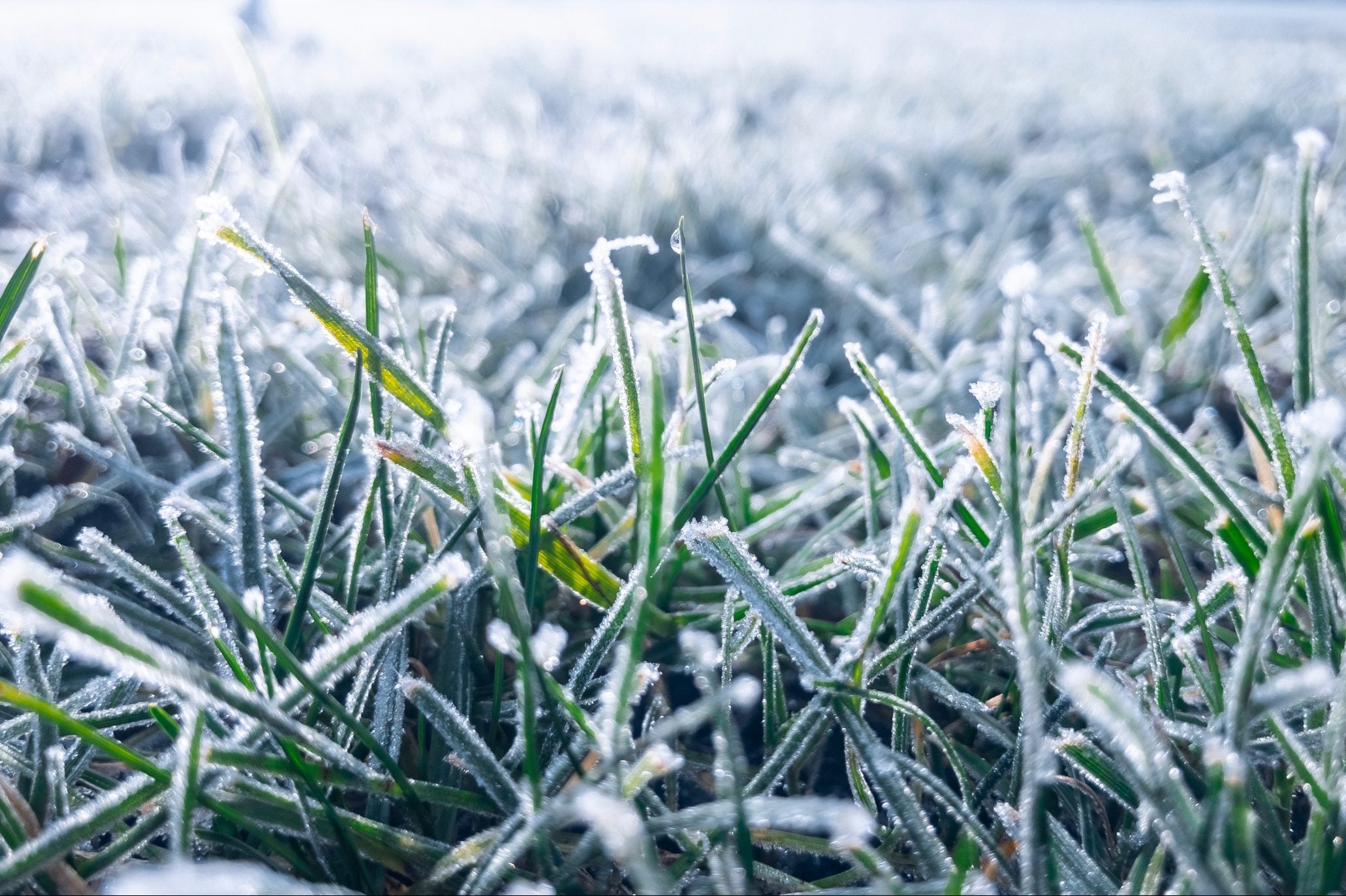
Does Grass Grow in Winter? The Honest Lawn Truth
Grass growth in winter depends on one big question: what kind of grass are we talking about? Lawns are not all built the same. Some grasses enjoy cool weather like they are wearing tiny green sweaters. Others see frost and immediately clock out until spring. Understanding that difference is the key to good winter lawn care.
In most of the United States, lawn grasses fall into two major groups: cool-season grasses and warm-season grasses. Cool-season grasses include Kentucky bluegrass, tall fescue, fine fescue, and perennial ryegrass. These grasses grow best in spring and fall, when temperatures are mild. In warmer winter regions, they may continue growing slowly through winter. In colder regions, they usually pause or grow very little once soil temperatures drop.
Warm-season grasses include bermudagrass, zoysiagrass, centipedegrass, St. Augustinegrass, and bahiagrass. These grasses love summer heat and usually turn brown after frost. That brown color often scares homeowners, but in many cases the lawn is not dead. It is dormant, which is turfgrass language for “please do not bother me until the weather improves.”
The important takeaway is this: winter grass growth is usually slow, limited, or paused. Your lawn may not need much mowing, but it still needs thoughtful care. Winter is not the season for aggressive lawn makeovers. It is the season for protection, moisture management, leaf cleanup, smart timing, and patience. Yes, patience counts as lawn care. Unfortunately, it does not come in a bag at the garden center.
Why Grass Slows Down During Winter
Grass is a living plant, and like all plants, it responds to temperature, sunlight, moisture, and soil conditions. When days become shorter and temperatures fall, photosynthesis slows. Roots become less active. Leaf growth decreases. In cold climates, frozen soil can stop visible growth almost completely.
Soil temperature matters even more than air temperature. A sunny January afternoon may feel warm enough for a light jacket, but your grass roots are paying attention to the ground, not your optimism. Cool-season grass roots are most active in cool, unfrozen soil. Warm-season grass roots need warmer soil to grow well, which is why these lawns usually stay dormant through winter.
Winter dormancy is a survival strategy. Instead of spending energy on new blades, the grass protects its crown, roots, and growing points. The crown is the lower part of the plant where shoots and roots meet. If the crown survives winter, the lawn has a good chance of greening up again when temperatures improve.
Problems happen when grass enters winter weak, too dry, smothered by leaves, scalped too short, or heavily compacted. A dormant lawn can survive a lot, but it is not made of steel. Treating winter turf gently helps it return thicker and healthier in spring.
Cool-Season vs. Warm-Season Grass in Winter
Cool-Season Grasses
Cool-season grasses are common in the northern United States and transition-zone areas. Tall fescue, Kentucky bluegrass, perennial ryegrass, and fine fescue can stay green longer into fall and may show some winter color, especially during mild weather. They grow best when air temperatures are moderate and soil moisture is available.
During winter, cool-season lawns may continue limited growth in mild regions. In colder states, growth slows dramatically or stops. If snow covers the lawn, the grass is not exactly hosting a winter festival under there. It is mostly waiting. When spring arrives and soil temperatures rise, cool-season lawns often green up earlier than warm-season lawns.
Warm-Season Grasses
Warm-season lawns dominate much of the South and lower transition zone. Bermudagrass and zoysiagrass are famous for their summer toughness, but they usually turn tan or brown after frost. Centipedegrass and St. Augustinegrass also slow down during cool weather.
Winter browning in warm-season turf is normal. The grass may look dead, but dormancy is not death. The lawn is conserving energy until warm weather returns. However, dormant warm-season grass has reduced ability to recover from traffic, digging pets, tire marks, or enthusiastic backyard football games. If your lawn is brown and brittle, it is not the best time to test your new cleats.
Winter Lawn Care Tips That Actually Matter
1. Keep Leaves Off the Lawn
Leaves may look harmless, but a thick mat of wet leaves can smother grass, trap moisture, reduce airflow, and encourage disease. A few scattered leaves are not a crisis. A soggy leaf blanket, however, is basically a tiny compost sauna sitting on your turf.
Rake, blow, or mulch leaves regularly through late fall and early winter. Mulching with a mower is fine if the leaves are chopped small enough to filter into the grass canopy. If shredded leaves remain in heavy clumps, collect them and move them to a compost pile, garden bed, or leaf-mold area.
2. Mow Until the Grass Stops Growing
There is no magical calendar date for the final mow. The right time is when the grass stops active growth. For cool-season lawns, mowing may continue into late fall or early winter in mild years. For warm-season lawns, mowing usually slows or stops after frost.
Avoid scalping the lawn before winter. Cutting grass too short can expose crowns to stress and reduce the plant’s ability to protect itself. On the other hand, leaving grass extremely tall can lead to matting, moisture problems, and snow mold in colder regions. The goal is simple: mow at the recommended height for your grass type and never remove more than one-third of the blade at one time.
3. Water Before the Ground Freezes
Grass still needs moisture before winter, especially if fall has been dry. Turf that enters winter drought-stressed is more vulnerable to winter injury. Watering deeply before the soil freezes can help crowns and roots stay hydrated.
This does not mean turning your yard into a swamp. Moist soil is helpful. Wet, saturated soil is not. If rainfall has been normal, you may not need extra irrigation. If conditions are dry, water during above-freezing weather so the moisture can soak in before hard freezes arrive.
4. Avoid Heavy Traffic on Frozen or Dormant Turf
Winter grass cannot repair itself quickly. Foot traffic, parked cars, equipment, and repeated pet paths can damage dormant turf. Frozen grass blades can break. Wet winter soil can compact. Compaction reduces oxygen movement and makes spring recovery harder.
Try to rotate walking paths and keep vehicles off the lawn. If kids, dogs, or delivery drivers treat one strip of lawn like an airport runway, expect that area to need extra attention in spring. A simple stepping-stone path can save a lot of grass and a lot of muttering.
5. Fertilize at the Right Time, Not Just Because a Bag Says “Winterizer”
Winter fertilizer can be useful, but timing and grass type matter. Cool-season grasses often benefit from fall fertilization because fall feeding supports root growth, density, and spring green-up. The best schedule varies by region, grass species, and soil test results.
Warm-season grasses should generally not be fertilized with nitrogen in winter while dormant. Nitrogen applied at the wrong time may feed winter weeds instead of your grass. It can also encourage tender growth when the lawn should be resting. If your soil test recommends lime or potassium, winter may be a planning window, but fertilizer decisions should be based on local guidance and actual lawn needs.
6. Do Not Seed at the Wrong Time and Expect Miracles
Winter seeding is a mixed bag. Dormant seeding can work in some regions for cool-season grasses. The idea is to sow seed late enough that it does not germinate before winter, then let natural freeze-thaw cycles help settle seed into the soil for spring germination.
However, dormant seeding is not the same as tossing seed on snow and declaring yourself a turf scientist. Seed-to-soil contact matters. Site preparation matters. Timing matters. Spring weed competition can also reduce success. For many cool-season lawns, late summer to early fall remains the best time for major seeding and renovation.
Warm-season lawns are usually best seeded, plugged, sprigged, or sodded when soil temperatures are warm enough for rooting and growth. Winter installation of dormant sod can sometimes be done, especially in southern climates, but it requires careful watering and comes with higher risk.
7. Control Winter Weeds Carefully
Winter annual weeds can take advantage of thin lawns. Common troublemakers include chickweed, henbit, annual bluegrass, and other cool-weather opportunists. The best weed control is a thick, healthy lawn, but winter weeds may still appear.
Post-emergent herbicides can be used in some situations, but read the label closely. Herbicide safety depends on grass species, temperature, growth stage, and whether the lawn is dormant or emerging from dormancy. Some products that are safe on one grass can damage another. When in doubt, your local extension office is a better advisor than the guy at the hardware store who calls every weed “that green stuff.”
Common Winter Lawn Myths
Myth 1: Brown Grass Is Dead Grass
Brown grass may be dead, but it may also be dormant. Warm-season lawns commonly turn brown after frost and return when temperatures rise. The difference becomes clearer in spring. Dormant grass greens up from the crowns and runners. Dead patches remain brown, thin, or bare after the rest of the lawn wakes up.
Myth 2: You Never Need to Water in Winter
In snowy or rainy regions, winter watering may not be necessary. In dry climates or during dry fall weather, moisture before winter can be important. Lawns can suffer from desiccation, especially when exposed to wind, sun, and freezing conditions. Water only when the ground is not frozen and temperatures allow safe irrigation.
Myth 3: Winter Is the Best Time to Fix Every Lawn Problem
Winter is good for planning, soil testing, equipment maintenance, and reducing stress on turf. It is not always good for major repairs. Aeration, heavy dethatching, aggressive fertilization, and large-scale seeding are best timed to match the active growth period of your grass type.
Myth 4: Short Grass Handles Winter Better
Extremely short grass is more exposed to stress. Proper mowing height helps the lawn maintain enough leaf tissue to support plant health without becoming matted. Follow recommended mowing heights for your specific grass species rather than giving the lawn a dramatic winter buzz cut.
Regional Lawn Care Considerations
Northern Lawns
Northern lawns are usually dominated by cool-season grasses. The main winter goals are preventing snow mold, avoiding compaction, keeping leaves off the grass, and ensuring the lawn does not enter winter severely dry. Fall fertilization and late-season mowing are often important. Once the ground freezes and snow arrives, the best lawn-care tool may be restraint.
Transition Zone Lawns
The transition zone is where lawn care gets spicy. This region can be too hot for cool-season grasses in summer and too cold for warm-season grasses in winter. Tall fescue is common, but bermudagrass and zoysiagrass are also used in many areas. Winter care depends heavily on grass type and local climate.
Cool-season lawns in the transition zone may stay greener longer but still need protection from winter stress. Warm-season lawns will usually go dormant. Homeowners should avoid treating all lawns the same just because they share a ZIP code. Grass species matters.
Southern Lawns
Southern lawns are often warm-season grasses. Winter browning is normal, especially for bermudagrass and zoysiagrass. The main tasks are leaf removal, weed monitoring, irrigation during dry spells, and avoiding nitrogen fertilizer while turf is dormant. In mild coastal areas, some growth may continue, but it is still slower than summer growth.
How to Tell If Your Winter Lawn Is Healthy
A healthy winter lawn is not always green. For warm-season grasses, a uniform tan color can be perfectly normal. For cool-season lawns, some fading is expected during harsh cold. Instead of judging only by color, look at overall density, drainage, thatch, and the absence of large mushy or bare areas.
Healthy dormant grass often feels firm and remains anchored. Dead grass may pull up easily, have rotting crowns, or fail to recover in spring. If you are unsure, wait until active growth resumes before making major renovation decisions. Spring tells the truth. Winter mostly tells dramatic stories.
Best Winter Lawn Care Checklist
- Remove heavy leaves and debris before they smother the grass.
- Mow only while grass is still growing, and keep the proper height.
- Water before soil freezes if fall has been dry.
- Keep foot, pet, and vehicle traffic off frozen or dormant turf when possible.
- Use fertilizer according to grass type, soil test results, and local recommendations.
- Delay major renovations until the correct growing season.
- Inspect winter weeds, but use herbicides carefully and only as labeled.
- Service the mower, sharpen blades, and plan spring lawn care early.
Experience-Based Lawn Care Notes: What Winter Teaches You
After watching enough lawns move through winter, you start to notice that the best-looking spring lawns are usually not the ones that got the most dramatic winter treatment. They are the ones that went into winter prepared. A lawn that was mowed properly, watered during a dry fall, cleared of leaves, and not abused during dormancy usually wakes up with fewer complaints.
One common experience is the “mystery brown patch” panic. A homeowner sees brown grass in January and assumes the entire lawn is ruined. But when the lawn is bermudagrass or zoysiagrass, that brown color may simply be winter dormancy. The real test comes later. If warm weather returns and most of the lawn greens up evenly, the grass was resting. If certain areas remain dead-looking while the rest grows, then it is time to investigate causes such as poor drainage, traffic damage, disease, insects, shade, or winterkill.
Another practical lesson: leaves are sneakier than they look. A thin layer of dry leaves may seem harmless in November, but after rain and frost, those leaves can flatten into a dense mat. By February, the grass underneath may be yellow, thin, or slimy. Homeowners who mulch or remove leaves regularly often avoid this problem. The lawn does not need to be spotless enough for a magazine cover, but it should be able to breathe.
Pet traffic is another winter reality. Dogs often follow the same route every day, especially when snow, mud, or cold weather narrows their preferred path. By spring, those routes can become compacted trails. The fix is not to blame the dog, who is clearly a dedicated creature of habit. The better approach is to redirect traffic, create a gravel or stepping-stone path, rinse high-use areas when weather allows, and repair compacted spots during the proper growing season.
Many lawn owners also learn the hard way that winter fertilizer is not a magic spell. A bag labeled “winterizer” sounds impressive, but the right product at the wrong time can do little good. Cool-season lawns may benefit from late-season nitrogen when applied properly. Dormant warm-season lawns generally do not need winter nitrogen. The smartest lawn owners test their soil, identify their grass, and apply nutrients when the lawn can actually use them.
Winter also exposes drainage problems. Areas where water pools, ice lingers, or soil stays soggy often struggle in spring. Grass roots need oxygen as well as water. If one part of the yard always looks weak after winter, the issue may not be fertilizer at all. It may be grading, compacted soil, heavy clay, blocked runoff, or too much shade. Fixing the underlying condition usually works better than repeatedly throwing seed at the same sad spot and hoping this time it develops character.
The biggest experience-based tip is to avoid overreacting. Lawns are seasonal systems. They change color, slow down, and sometimes look unimpressive. Winter lawn care is mostly about reducing stress and setting up spring recovery. Keep the lawn clean, hydrated when needed, protected from traffic, and free from unnecessary chemical or mechanical stress. Then let the grass do what grass has done for ages: wait for better weather and make a comeback.
Conclusion
Grass growth in winter is not one-size-fits-all. Cool-season grasses may grow slowly during mild winter weather, while warm-season grasses often turn brown and go dormant after frost. That does not mean your lawn is doomed. It means your lawn is following its biology.
The best winter lawn care is calm, practical, and well-timed. Remove leaves, avoid heavy traffic, water before freezing weather if conditions are dry, mow only when needed, and use fertilizer according to grass type and local recommendations. Save major renovations for the season when your grass can actively recover.
A healthy lawn is built across seasons, not rescued by one heroic Saturday. Treat winter as a protection phase, and your lawn will have a much better chance of returning green, thick, and ready for barefoot season. The grass may be quiet in winter, but it is still alive below the surface, preparing for its next big entrance.