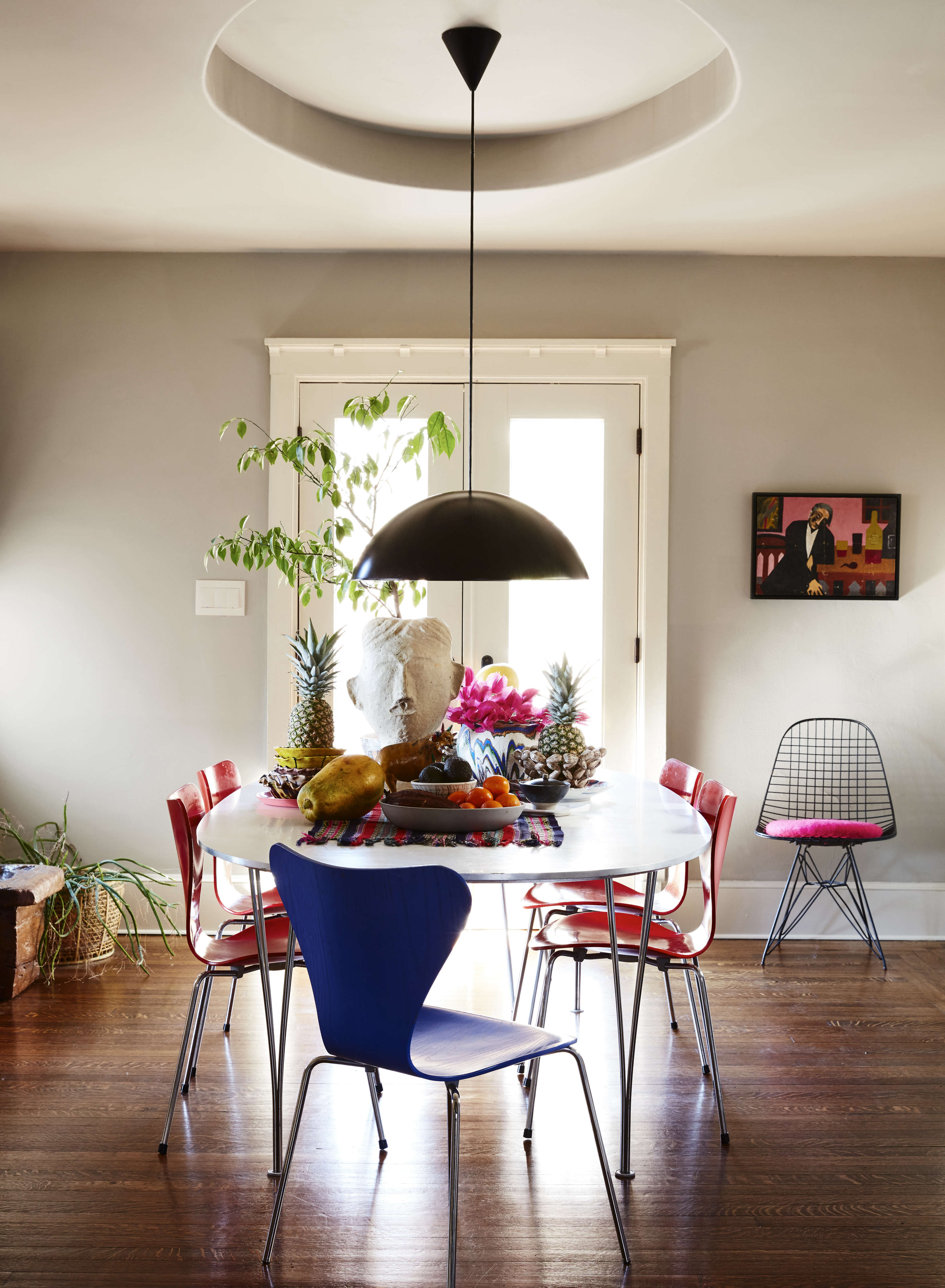
Some furniture is all drama and no follow-through. It looks fabulous in a showroom, then folds emotionally the second you invite six people over for dinner. Table Series extension tables, by contrast, are the grown-ups in the room. They know how to keep things compact on a Tuesday night, then magically stretch out for Thanksgiving, birthday cake, game night, or that suspiciously competitive jigsaw puzzle marathon that somehow lasted until 1 a.m.
That is the beauty of an extension table: it adapts. Instead of forcing your room to live at “holiday maximum capacity” every day of the year, it lets your space breathe. You get a comfortable footprint for everyday meals and a larger surface when guests appear, often with very little effort. In a world where dining rooms double as homework stations, home offices, snack bars, and occasional craft zones, flexibility is not just nice. It is the whole point.
This guide dives deep into what makes extension tables so useful, how to choose the right one, which mechanisms are worth considering, what materials fit real life, and how people actually live with them. If you have been circling the idea of an extendable dining table but have not committed yet, pull up a chair. Preferably one with enough elbow room.
What Are Table Series Extension Tables, Exactly?
The phrase Table Series extension tables can describe a style family or product category built around one idea: a table that changes size without changing your entire floor plan. These tables are designed with leaves, fold-outs, or self-storing sections that expand the tabletop when needed. The end result is practical, but the appeal is emotional too. A good extension table says, “Sure, bring two more people. We can make this work.”
At their best, extension tables solve one of the biggest problems in home design: the battle between daily function and occasional hosting. A fixed table can feel too large for everyday life or too small for gatherings. An extension table threads the needle. It can serve coffee for two in the morning and support a full dinner spread by evening, all without making the room feel permanently crowded.
That flexibility matters even more in modern homes. Open layouts, eat-in kitchens, apartments, and multipurpose dining zones all benefit from furniture that can do more than one trick. Extension tables are not just for formal dining rooms anymore. They belong in breakfast nooks, condo kitchens, family rooms, and even outdoor entertaining spaces where you want room to grow without giving up circulation.
Why Extension Tables Have Such Staying Power
Trends come and go. One year everything is curved. The next year everything looks like it was borrowed from a Scandinavian architect who drinks espresso in complete silence. But extension tables keep surviving every design era because they are useful in a way that never goes out of style.
They respect your square footage
One of the smartest reasons to choose an extension table is space management. A dining table should not dominate the room like an ego in a group project. You need clearance around it so people can sit, stand, walk, and avoid performing awkward sideways shuffles. A smaller everyday footprint gives your room better flow, and the extension feature lets you scale up only when needed.
They work for real households
Most people do not host a ten-person dinner every night. They eat weekday pasta, answer emails, sort mail, help with homework, and occasionally use the table as a temporary command center for life’s assorted nonsense. An extendable table suits that reality. It can stay modest for routine use and expand for the moments that deserve more room.
They make entertaining less stressful
Hosting is already a circus. Someone forgot ice, someone brought a salad with raisins in it, and someone else is twenty minutes late but still texting “parking.” The last thing you need is furniture drama. A well-designed extension table buys you breathing room. More surface area means easier place settings, fewer balancing acts with serving bowls, and less chance of a bread basket landing in someone’s lap.
The Main Types of Extension Mechanisms
Not all extension tables operate the same way, and this is where many buyers either make a smart decision or accidentally sign up for years of mild annoyance. The right mechanism depends on your space, strength, patience, and tolerance for assembly instructions that read like philosophical riddles.
Butterfly leaf tables
These are favorites for a reason. The leaf is usually stored inside the table and folds open from the center, often like a butterfly wing arrangement. This design is convenient because the extension piece stays with the table. You do not have to figure out where to store a separate leaf, which is excellent news for people already using every closet for “important things” like luggage, holiday bins, and cords that may or may not belong to anything.
Butterfly mechanisms are especially appealing for frequent entertainers because setup is quick and relatively tidy. Many people can handle the process without turning it into a two-person engineering event.
Drop-in or removable leaves
These tables typically require you to pull the table apart and insert one or more leaves into the center. The advantage is versatility. Some models let you add one leaf for a medium-size gathering or both leaves for full capacity. The downside is storage. If the leaf is separate, you need a safe, flat place to keep it. That place should not be “leaning behind the vacuum and hoping for the best.”
Drop-leaf and gateleg styles
These are excellent for smaller homes. A drop-leaf table has hinged sections that fold down when not in use, while gateleg versions use supporting legs or frames that swing out for stability. They are ideal for apartments, breakfast areas, craft corners, and multifunction rooms where every inch matters. They may not always deliver banquet-size expansion, but they are brilliant at offering flexibility without bulk.
End extensions and flip-top formats
Some tables extend from the ends rather than the center, while others use hidden flip leaves. These can be especially useful when you want a compact shape to transform quickly. The best versions feel seamless. The worst versions feel like they are negotiating with you. Always check how the mechanism works before buying, especially if ease of use matters more than a dramatic before-and-after size jump.
How to Choose the Right Size Without Regretting Everything
Buying an extension table without measuring your room is like buying jeans based on “optimism.” The numbers matter. A beautiful table that blocks traffic or swallows your dining area whole is not stylish. It is a very expensive obstacle.
Start with room clearance
You generally want enough space around the table for chairs to slide out and for people to move comfortably. In practical terms, that means planning for open space between the table edge and the wall or nearby furniture. In tighter rooms, this minimum matters a lot. In open layouts, extra breathing room makes the entire setup feel calmer and more intentional.
Think about everyday seating first
Ask yourself how many people use the table most often. That number should guide the table in its closed position. The extension feature is there for occasional needs, not everyday discomfort. If two to four people use the table regularly, choosing a massive table that only makes sense once a year is not doing your home any favors.
Match shape to room layout
Rectangular extension tables are the classic choice because they are versatile and easy to scale. They work especially well in long rooms and often offer the widest range of seating capacities.
Round extension tables create a cozy, conversational feel and soften spaces with lots of hard angles. Some extend into oval shapes, which is a clever compromise between intimacy and capacity.
Oval tables are underrated heroes. They help traffic flow because there are no sharp corners jutting into walkways, and they can be especially effective in smaller dining areas.
Square extension tables can feel balanced and intimate, but they are usually best when extended into rectangular form for larger groups. Otherwise, they can become a bit too “everyone’s knees are in a diplomatic incident” once guest counts rise.
Plan for seat comfort
A table should not technically fit six if it only fits six people who are emotionally prepared to elbow each other for ninety minutes. Good dining comfort includes enough width per person, enough legroom below, and enough tabletop space for plates, glasses, and serving pieces. An extension table earns its keep when expanded seating still feels comfortable, not merely possible.
Best Materials for Table Series Extension Tables
Material choice affects durability, maintenance, style, and how gracefully the table ages. Or, in less elegant terms, it determines whether your table develops character or just develops problems.
Solid wood
Solid wood remains the dream choice for many buyers because it feels substantial, timeless, and warm. Oak, walnut, ash, and mango wood are especially popular. A solid wood extension table can bring real presence to a room, and many people love the way natural grain adds personality. The trade-off is that wood reacts to humidity and temperature. It expands, contracts, and asks politely that you use coasters like a civilized person.
Veneer over engineered wood
Quality veneer is often misunderstood. No, it is not automatically the villain. In a well-made table, veneer can provide a beautiful surface, visual consistency, and better dimensional stability than some all-solid constructions. It can also help keep prices more approachable. The key is quality. A good veneered extension table should feel sturdy, well-finished, and thoughtfully built, not flimsy or suspiciously hollow.
Metal, glass, and mixed materials
For more contemporary spaces, mixed-material tables can be a great fit. Metal bases bring strength and edge. Glass tops can visually lighten a room, though they do tend to advertise fingerprints with the enthusiasm of a gossip blog. Mixed-material tables often strike a nice balance between design personality and everyday function.
Outdoor-friendly materials
If your extension table lives outdoors, material selection becomes even more important. Powder-coated metal, sealed wood, weather-resistant fabrics, and rust-conscious construction matter. Outdoor tables can be wonderful for entertaining, but they need proper care, storage, and protection from harsh sun, moisture, and neglect. Outdoor furniture is not indestructible just because it has seen a patio.
Style Matters Too: How to Make an Extension Table Look Intentional
The best extension tables do not look like backup furniture. They look great closed, open, and everywhere in between. That means style should still play a role in your decision.
Farmhouse-inspired extension tables tend to feel warm, relaxed, and generous. Mid-century versions often feature clean lines and tapered forms. Modern pieces may lean sculptural, minimal, or monochromatic. Transitional tables live happily in the middle, mixing classic shapes with updated finishes.
If your room is small, a pedestal base can help create better legroom and visual openness. If your home leans casual, warm woods and slightly softened edges can make the room feel inviting rather than formal. If you want a sharper contemporary look, darker finishes, trestle bases, or mixed materials can bring just enough drama without making the room feel theatrical.
And remember: an extension table does not need to scream “I EXTEND!” The best designs hide their practicality with confidence. Quiet competence is underrated, both in furniture and in dinner guests.
Common Mistakes to Avoid
Buying only for holidays
If a table is perfect for Thanksgiving but awkward every other week of the year, it is not the right fit. Prioritize the closed size first.
Ignoring leaf storage
A separate leaf needs a home. If you do not have one, look for self-storing designs.
Underestimating setup effort
Some extension systems are smooth. Others require an extra set of hands and the patience of a saint. Know which camp your table belongs to before you commit.
Choosing beauty over durability
A gorgeous finish that panics at water rings, crumbs, or sunlight may not suit a busy household. Be honest about how you live.
Cramming in too many seats
Technically possible and comfortably enjoyable are not the same thing. No one wants to dine shoulder-to-shoulder like passengers in economy class.
Real-Life Experiences With Table Series Extension Tables
Living with an extension table is one of those home-upgrade experiences that sounds small until you realize how often you use it. People usually buy one for a practical reason, but they end up loving it for emotional ones. The first surprise is how often the table stays in its smaller form. On normal days, it keeps the room open, easy to navigate, and less cluttered. Breakfast feels casual. Coffee feels calm. The dog can still race through the kitchen without treating a table leg like a traffic cone. Then company comes over, the leaf slides in, and suddenly the room feels ready for a real event.
In family homes, extension tables tend to become the most overachieving piece of furniture in the house. One day they host pancakes and spelling homework. The next day they hold a birthday dinner, wrapping paper, and a lopsided homemade cake. Many people discover that the value is not just the extra seating. It is the way the table helps the room change mood. Closed, it feels everyday and efficient. Open, it feels generous. That shift matters more than buyers expect.
Small-space households often have the strongest reactions. In apartments and condos, a full-size dining table can feel like a permanent apology to your floor plan. A compact extension table fixes that tension. Owners often describe the relief of having enough room for guests without living every day as if they are hosting a banquet. Drop-leaf and gateleg styles are especially beloved in these homes because they can tuck into a corner, then open up when dinner plans expand from “just us” to “apparently everyone.”
Another common experience is learning that mechanism quality matters more than people think. Buyers love tables that open smoothly and dislike tables that require a workout, a flashlight, and a second adult who is suddenly very busy. When the extension process is easy, people use it more often. They stop treating the larger setup like a once-a-year emergency function and start using it for card nights, school projects, and casual weekends with friends. Ease turns flexibility into actual behavior.
Material experience shows up over time too. Solid wood tables are often described with affection because they age visibly and pick up a lived-in charm. Owners talk about grain, warmth, and that satisfying substantial feel. Veneered tables win praise when they are well made and stable, especially in homes where budget matters but style still matters too. What people regret most is not usually the material itself. It is choosing a finish that does not match their habits. Glossy surfaces, delicate finishes, and high-maintenance tops can become exhausting in busy homes. Families with kids, frequent hosts, or enthusiastic snackers usually appreciate finishes that forgive a little chaos.
Then there is the social side. Extension tables tend to get remembered because they are present for meaningful moments. The first holiday in a new home. The too-loud Friendsgiving. The puzzle that took all weekend. The sibling visit that turned into an impromptu dinner for eight. A fixed table may serve the same meal, but an extension table has a way of feeling like it made the gathering possible. It quietly removes the friction that would otherwise make hosting harder.
That is probably the most consistent real-world experience of all: relief. Relief that the room still works on ordinary days. Relief that you can say yes to extra guests. Relief that your furniture is helping rather than complicating things. A good extension table does not just add inches. It adds options. And in real homes, options are gold.
Final Thoughts
Table Series extension tables succeed because they do something many pieces of furniture only pretend to do: they adapt to real life. They make room for ordinary meals and extraordinary gatherings. They solve space problems without sacrificing style. They let you buy for the home you actually live in instead of the fantasy dining room that exists only during the holidays and in catalog lighting.
If you choose the right size, mechanism, shape, and material, an extension table becomes more than a clever purchase. It becomes a reliable part of how your home functions. It supports everyday routines, makes entertaining easier, and gives your dining area flexibility without turning it into a storage problem with legs.
In other words, it is not just a table. It is your room learning a very useful trick.