Loyalty gets talked about like it is some grand, dramatic movie moment: a person standing in the rain, delivering a speech, probably wearing a jacket that costs more than your monthly grocery bill. Real loyalty is usually less cinematic and much more useful. It shows up in ordinary moments, like keeping a promise, telling the truth when lying would be easier, respecting your boundaries without acting like they deserve a medal, and staying kind when life gets inconvenient.
In a healthy relationship, loyalty is not blind obedience, constant agreement, or the ability to pass a suspiciously intense “prove you love me” test. It is steadiness. It is trust with work boots on. It is the quiet confidence that the person beside you is not secretly auditioning to become your biggest headache.
If you have ever wondered whether someone is genuinely loyal or just good at saying the right things, this guide breaks it down. These 12 signs of loyalty in a relationship can help you tell the difference between a partner who is worth keeping and one who simply knows how to look impressive for three business days.
What Loyalty Really Means in a Healthy Relationship
Loyalty in a relationship is a combination of honesty, reliability, respect, emotional safety, and consistent care. It is not about ownership. It is not about control. It is not about having access to every password, every thought, and every minute of someone’s day. Healthy loyalty gives a relationship roots, but it also gives both people room to breathe.
That matters because trust is not built in one giant gesture. It is built in the small repetitions of daily life. A loyal partner does not just claim to care; they act like it again and again. Their words and actions match. Their affection does not vanish the minute a disagreement starts. Their respect does not expire when they are annoyed. Their support does not depend on whether you are being easy, cheerful, or convenient.
When loyalty is real, it creates peace. Not perfect peace, because no relationship is perfect, but the kind of peace that lets both people feel secure, heard, and valued. You are not constantly decoding mixed signals like a detective in a low-budget crime drama. You know where you stand.
12 Signs They’re Worth Keeping
1. They tell the truth, even when the truth is awkward
Honesty is the backbone of loyalty. A loyal partner does not lie to keep the peace, hide important details, or twist facts to protect their image. They tell you the truth kindly, directly, and in a way that respects your intelligence. That does not mean they are brutally blunt for sport. It means they are real with you.
For example, if something is bothering them, they talk about it instead of pretending everything is fine and then acting cold for a week. If they make a mistake, they admit it. If they cannot do something, they say so. Honesty is not glamorous, but it is wildly underrated.
2. Their actions match their promises
Anyone can say, “I’ve got you.” The question is whether they actually show up when life asks for proof. A loyal person follows through. They call when they say they will. They remember what matters to you. They do not vanish when plans become inconvenient or feelings get complicated.
Consistency may not be flashy, but it is one of the clearest signs of commitment. A person who keeps their word in small things is much easier to trust in big things.
3. They respect your boundaries without turning it into a debate club
Healthy loyalty respects limits. If you say you need time alone, privacy, or a slower pace in a certain area, a loyal partner does not mock you, pressure you, or treat your boundary like a personal insult. They listen. They adjust. They respect your “no” without acting like they deserve extra credit for basic decency.
This is huge because loyalty without respect quickly turns into control. A partner who honors your boundaries is showing that they care about your well-being, not just their own preferences.
4. They speak about you with respect when you are not around
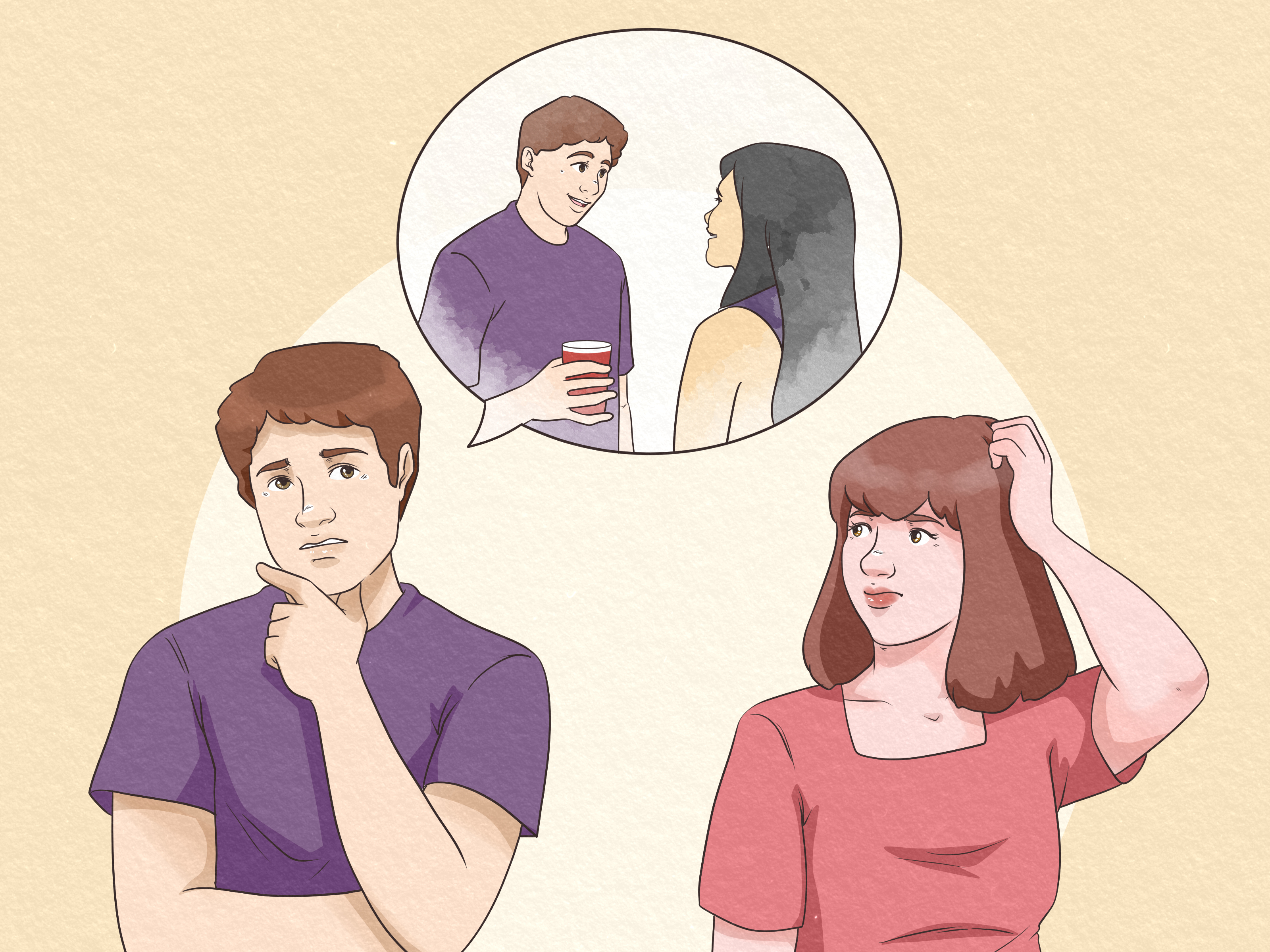
One of the most revealing tests of loyalty happens offstage. How does this person talk about you when you are not in the room? A loyal partner does not belittle you to get laughs, overshare private details for attention, or casually drag your name through the mud when they are annoyed.
That does not mean they can never ask a trusted friend for advice. It means they protect your dignity. They do not turn your vulnerable moments into group entertainment.
5. They do not flirt with chaos just to feel validated
A loyal person does not constantly keep backup options circling like planes over an airport. They do not stir jealousy for fun, fish for attention from everyone with a pulse, or create confusion so they can enjoy being chased. They understand that commitment and mixed signals do not belong in the same sentence.
If someone enjoys making you feel uncertain so they can feel powerful, that is not loyalty. That is emotional clutter wearing nice shoes.
6. They support your growth instead of competing with it
Loyalty is not threatened by your progress. A good partner wants you to do well, even when your success has nothing to do with them. They celebrate your wins, encourage your goals, and do not act weird when you shine.
This matters because insecure people sometimes confuse love with limitation. A loyal partner does the opposite. They make room for your ambitions, your friendships, your hobbies, and your evolving identity. They do not need you to shrink so they can feel tall.
7. They stay kind during conflict
Every couple disagrees. The issue is not whether conflict happens. The issue is how it is handled. A loyal partner does not use arguments as an excuse to become cruel, humiliating, or emotionally reckless. They do not weaponize your insecurities, threaten to leave every time they are upset, or use silence like a punishment tool.
Instead, they try to solve the problem without destroying the person. They may get frustrated, but they still aim for respect. That is a major sign of emotional maturity and long-term trustworthiness.
8. They apologize and take accountability
Loyal people do not spend all their energy defending their ego. When they mess up, they own it. They do not hand you a fake apology that sounds like, “I’m sorry you felt that way,” which is the emotional equivalent of returning a borrowed item broken and calling it vintage.
Real accountability sounds more like this: “I was wrong. I see how that affected you. I’m going to fix it.” That kind of response builds trust because it shows the person values the relationship more than winning the moment.
9. They make you feel emotionally safe
Emotional safety is one of the clearest signs of loyalty in a relationship. You can be honest without expecting punishment. You can express concerns without being mocked. You can have a bad day without being treated like a burden. A loyal partner creates a space where vulnerability is not used against you later.
That does not mean every conversation is easy. It means you do not have to walk on eggshells. You are allowed to be human, and your humanity is treated with care.
10. They are reliable when life is inconvenient
It is easy to be affectionate when everything is smooth. Loyalty becomes obvious when life gets messy. A loyal partner checks in when you are stressed, helps when you are overwhelmed, and does not disappear the minute things stop being cute and fun.
Maybe they cannot fix every problem. That is okay. Loyalty is not about having superhero powers. It is about being present, dependable, and emotionally available when it counts.
11. They do not isolate you from other people
This one matters more than people realize. A loyal partner does not act like your entire world should shrink down to them. They respect your connections with friends, family, mentors, and healthy support systems. They do not guilt-trip you for having a life outside the relationship.
In fact, someone worth keeping usually understands that strong relationships are made stronger, not weaker, when both people have healthy independence. If a person calls control “loyalty,” that is a red flag wearing a fake mustache.
12. They choose the relationship on ordinary days, not just dramatic ones
Real loyalty is usually boring in the best possible way. It lives in consistency. It is the steady choice to be respectful, attentive, honest, and present over time. It is not just flowers after a fight or a dramatic speech after bad behavior. It is doing the right thing before the relationship is on fire.
The best partners are not always the loudest about their devotion. Often, they are simply dependable. They keep choosing the relationship in a hundred small ways, and those small ways become the big reason the relationship feels safe.
What Loyalty Is Not
Before you hand out the “worth keeping” trophy, it helps to know what loyalty is not. Loyalty is not secrecy disguised as privacy. Loyalty is not control disguised as protection. Loyalty is not jealousy disguised as passion. Loyalty is not monitoring your phone, managing your friendships, or demanding constant proof of devotion.
A healthy relationship should not leave you feeling anxious, isolated, belittled, or afraid to speak honestly. If someone says they love loyalty but shows disrespect, manipulation, intimidation, or pressure, believe the behavior, not the slogan. Good relationships are built on trust and care, not fear and control.
How to Recognize the Difference Between Loyalty and Performance
Some people are excellent at looking devoted when the spotlight is on them. They post sweet captions, make grand gestures, and say all the right things. Then, in private, they are dismissive, inconsistent, or unreliable. That is not loyalty. That is branding.
To tell the difference, pay attention to patterns. Does this person act with integrity when nobody is watching? Do they respect you when they are frustrated? Do they support your life beyond the relationship? Do they protect your peace instead of testing it? Loyalty is a pattern, not a performance.
It also helps to notice how you feel around them. Not every day will be perfect, but overall, a loyal relationship should feel stable, respectful, and emotionally safe. You should not need a whiteboard, three best friends, and a private investigator to figure out where you stand.
Everyday Experiences That Reveal Real Loyalty
Sometimes the clearest proof of loyalty does not come from a dramatic moment at all. It comes from the thousand tiny experiences that shape how a relationship feels over time. For example, imagine you have a long, exhausting week. You are distracted, not especially funny, not looking your best, and definitely not bringing “main character energy.” A loyal partner does not suddenly become colder because you are less entertaining. They check in, ask what you need, and remind you that your worth does not depend on being cheerful 24/7.
Or maybe you share something vulnerable, like a fear, a past embarrassment, or a goal you are not fully confident about yet. In an unhealthy relationship, that information might later be used as ammunition during an argument. In a loyal relationship, it is handled with care. The person may not always know the perfect response, but they do not turn your openness into a weapon. That creates the kind of trust that lets relationships deepen instead of staying stuck at the surface.
Another everyday example is how they behave when opportunity knocks and temptation gets noisy. Loyalty does not mean a person never notices attractive people or never gets annoyed or restless. It means they manage themselves with integrity. They do not feed situations that disrespect the relationship. They do not play flirtatious games for ego boosts and then tell you that you are overthinking it. They understand that trust is expensive to rebuild and cheap to protect.
You can also see loyalty in the way someone handles your success. Let’s say you get an opportunity they wanted, or you are suddenly busier because something good is happening in your life. A disloyal person may become passive-aggressive, dismissive, or weirdly competitive. A loyal partner will still be in your corner. They may have their own feelings to sort through, because they are human, but they do not punish you for growing.
Then there are the quiet social moments. You are not present, but your name comes up. A loyal partner does not roll their eyes, exaggerate your flaws, or tell private stories for easy laughs. They protect your reputation and your dignity. That kind of care matters because it shows respect is not just something they perform to your face.
Even conflict can reveal loyalty in surprisingly practical ways. A loyal partner does not rush to score points. They want resolution more than domination. They ask questions. They try to understand. They come back after cooling off instead of treating emotional disappearance like a personality trait. They remember that the goal is not to crush the other person but to solve the issue without damaging the bond.
These experiences may sound simple, but simple is where loyalty lives. It lives in how someone handles your trust, your time, your boundaries, your name, your fears, your victories, and your worst Tuesday. That is why true loyalty feels less like a fireworks show and more like a solid floor. It may not always sparkle, but it holds.
Conclusion
Loyalty in a relationship is not about drama, ownership, or endless tests. It is about honesty, consistency, respect, accountability, and emotional safety. The people worth keeping are not perfect, but they are dependable. They tell the truth, honor your boundaries, stay kind in conflict, support your growth, and protect your dignity whether you are in the room or not.
When you find someone who keeps choosing trust over games and respect over control, pay attention. That kind of loyalty is rare, steady, and deeply valuable. It is the kind of relationship energy that makes life calmer, healthier, and a whole lot less confusing.