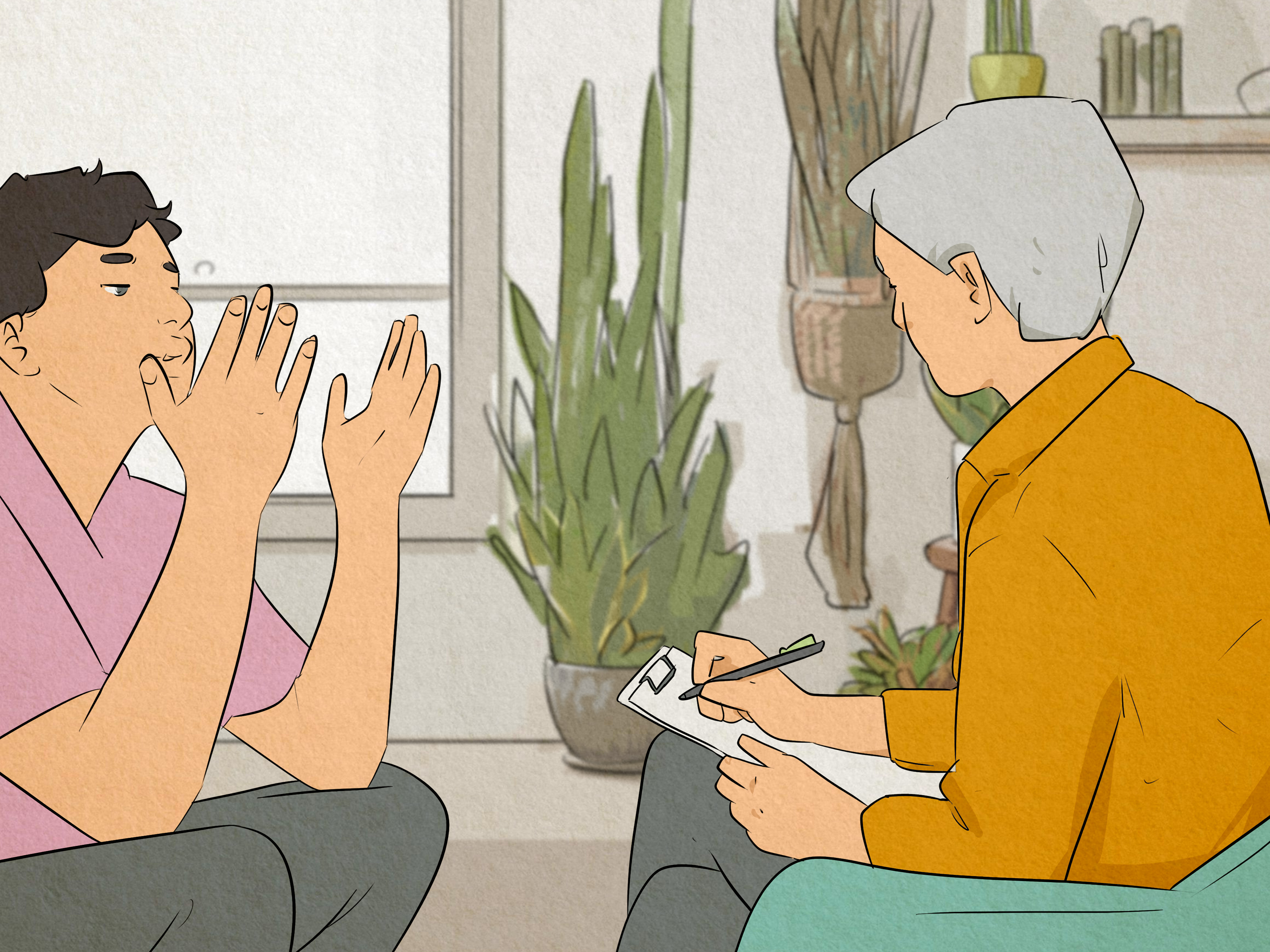
There are bad weeks, and then there are seasons when your entire inner world feels like someone unplugged the sun. You wake up, stare at the ceiling, and wonder why the things that once gave you meaning now feel like cardboard props in a play you never auditioned for. Your old routines still exist. Your emails still arrive. The laundry still stages its quiet rebellion in the corner. But inside, something deeper is shifting.
This is often what people mean when they talk about a dark night of the soul. The phrase comes from the writings of St. John of the Cross, a 16th-century mystic who used it to describe a difficult spiritual passage toward deeper union, surrender, and transformation. Today, the term is used more broadly to describe a profound inner crisis: a period of spiritual dryness, identity loss, emotional exhaustion, and uncomfortable self-discovery.
Important note before we go spelunking into the emotional cave: a dark night of the soul is not a clinical diagnosis. It can overlap with depression, grief, burnout, trauma, or anxiety. If you are having thoughts of self-harm, feel unsafe, or cannot function in daily life, reach out for professional help immediately. In the United States, you can call or text 988 for crisis support. Spiritual growth should not require white-knuckling your way through danger alone.
That said, many people go through intense inner transitions that are not simply “being dramatic” or “needing a vacation.” Sometimes the self you built no longer fits. Sometimes your beliefs crack. Sometimes the meaning you inherited stops working, and life asks you to build something more honest. Not convenient, no. But honest.
What Is a Dark Night of the Soul?
A dark night of the soul is a deeply uncomfortable period of inner transformation. It may feel like spiritual emptiness, emotional numbness, existential confusion, or the collapse of an old identity. It often arrives after a major life event, such as loss, divorce, illness, career failure, religious disillusionment, or a painful awakening about who you have been pretending to be.
Sometimes, though, it shows up without a dramatic movie-trailer moment. You may simply notice that your old life feels strangely hollow. The goals you chased no longer sparkle. The relationships you tolerated feel unbearable. The beliefs you repeated automatically begin to sound like a ringtone from 2008: familiar, but deeply annoying.
Unlike ordinary sadness, a dark night of the soul often comes with a strange sense that something in you is being dismantled. It is not only “I feel bad.” It is “I do not know who I am anymore.” It is the inner renovation project nobody asked for, complete with dust, noise, and no clear completion date.
Dark Night of the Soul vs. Depression: Know the Difference
Because the symptoms can overlap, it is wise to be careful. Depression may involve persistent sadness, loss of interest, sleep changes, appetite changes, fatigue, hopelessness, trouble concentrating, and thoughts of death or suicide. A dark night of the soul can include sadness and emptiness too, but it is often centered around meaning, identity, faith, values, and transformation.
The two can also happen together. You can be in a spiritual crisis and need therapy. You can be questioning your purpose and benefit from medication. You can meditate, journal, pray, walk in nature, and still need a licensed professional. The soul is mysterious; the nervous system is biological. They are roommates, and both deserve care.
A helpful rule: if your symptoms are intense, persistent, dangerous, or interfering with your ability to eat, sleep, work, study, parent, or connect with others, seek professional support. You do not have to prove your suffering is “serious enough.” If it hurts, it matters.
5 Signs You’re Experiencing a Dark Night of the Soul
1. You Feel Spiritually Empty or Disconnected
One of the classic dark night of the soul symptoms is spiritual dryness. Practices that once comforted you may suddenly feel lifeless. Prayer feels like talking into a disconnected phone. Meditation feels like sitting in a waiting room where nobody calls your name. Inspirational quotes make you want to gently throw your phone into a pond.
This emptiness can be frightening, especially if you once had a strong faith, clear worldview, or reliable sense of guidance. You may wonder, “Did I lose my connection to God?” “Was I fooling myself?” “Why can’t I feel what I used to feel?”
But spiritual emptiness does not always mean spiritual failure. Sometimes it means your relationship with meaning is maturing. You may be moving from borrowed beliefs to lived wisdom. That transition can feel lonely because the old comforts stop working before the new understanding arrives. It is like leaving one shore before seeing the next. Excellent for transformation. Terrible for your blood pressure.
A practical example: someone who built their life around being “the strong one” may suddenly find that their usual coping strategy no longer works. They cannot perform positivity. They cannot rescue everyone. Their old identity collapses, and in the silence, they begin asking deeper questions: What do I actually believe? What do I need? What kind of life would be true, not just impressive?
2. Your Old Identity No Longer Fits
During a dark night of the soul, you may feel like a stranger to yourself. The career path you once defended now feels meaningless. The relationship pattern you normalized feels painful. The personality you polished for public approval starts to feel like a costume with itchy seams.
This is one of the most disorienting signs because identity gives life structure. We introduce ourselves with labels: job title, relationship status, religion, hometown, achievements, hobbies. When those labels stop answering the question “Who am I?” panic can enter the chat.
You may find yourself grieving versions of yourself that once helped you survive. The overachiever. The people-pleaser. The rebel. The caretaker. The cynic. The perfect child. The one who never needed help. These identities may have protected you, but now they may also be limiting you.
This stage is not about becoming nobody. It is about becoming less false. It can feel like losing yourself, but it may actually be the beginning of meeting yourself without the branding package.
3. You Question the Meaning of Everything
If you are asking big, uncomfortable questions at 2:17 a.m., welcome to the existential portion of the program. A dark night of the soul often brings an intense search for meaning. You may question your purpose, your beliefs, your work, your relationships, your mortality, and why cereal boxes need so much plastic.
This kind of questioning can feel heavy. You may wonder whether anything you are doing matters. You may feel detached from goals that used to motivate you. Success may suddenly seem empty. Social media may look like a noisy parade of people pretending not to be confused. Even happy moments may carry a strange ache because you are aware of how temporary everything is.
While this can be painful, it can also become a doorway. Many people only begin living intentionally after their old sources of meaning stop working. The crisis strips away automatic living. You stop asking, “What should I want?” and begin asking, “What is actually worth my life?”
That question is not small. It is also not solved by buying a planner, though a nice planner can make the crisis look more organized. Meaning often returns slowly through honest choices, service, creativity, connection, spiritual practice, therapy, and the humble act of doing the next right thing without demanding a five-year cosmic PowerPoint.
4. You Feel Isolated, Even Around Other People
Another common sign is loneliness that does not disappear in a crowd. You may be sitting at dinner with friends while feeling like you are watching life through glass. People talk about errands, shows, work drama, and weekend plans, while your inner world is asking, “What is the point of existence?” Not exactly light appetizer conversation.
This isolation happens because deep transformation can be hard to explain. You may not have the vocabulary for it yet. You may fear people will dismiss you, fix you, spiritualize your pain, or tell you to “just be grateful.” Gratitude is wonderful, but using it to silence grief is like putting a decorative pillow over a smoke alarm.
You might withdraw because small talk feels exhausting. You might crave solitude, but too much isolation can make the darkness heavier. The goal is not to force yourself into constant social activity. The goal is to find safe, grounded connection: one trusted friend, a therapist, a support group, a spiritual director, a mentor, or a community where honesty is allowed.
During this stage, you may need fewer performances and more presence. Not everyone needs to understand your dark night. But someone should know you are walking through it.
5. You Experience Emotional Exhaustion and Inner Surrender
A dark night of the soul can be tiring in a bone-deep way. You may feel emotionally drained, mentally foggy, physically heavy, or unable to keep up the old pace. This exhaustion is not laziness. It may be the cost of carrying unresolved grief, suppressed truth, chronic stress, or an identity that requires constant performance.
At some point, many people reach surrender. Not the dramatic, movie-scene kind where violins swell and sunlight breaks through the clouds. More often, surrender sounds like, “I cannot keep living this way.” It may be quiet. It may be tearful. It may happen on the bathroom floor, in a parked car, or while staring into a refrigerator with no memory of why you opened it.
Healthy surrender is not giving up on life. It is giving up the illusion that you can control everything, please everyone, outrun grief, or become worthy through exhaustion. It is the moment you stop negotiating with reality and begin listening.
This sign can be powerful because it creates space for change. You may finally admit you need help. You may leave a situation that is draining you. You may stop chasing approval. You may begin practicing rest without guilt. You may let an old dream die so a truer one can breathe.
What Can Trigger a Dark Night of the Soul?
A dark night of the soul can be triggered by obvious loss or by subtle accumulation. Common triggers include the death of a loved one, divorce, betrayal, illness, job loss, religious trauma, burnout, becoming a parent, entering midlife, leaving a community, or reaching a goal and realizing it did not deliver the happiness you expected.
Sometimes success triggers it. That surprises people. You finally get the promotion, the house, the relationship, the degree, the platform, the shiny thing your younger self wantedand then you feel empty. This does not mean you are ungrateful. It may mean your soul is refusing to let achievement replace meaning.
Other times, the trigger is simply growth. You outgrow old beliefs the way a child outgrows shoes: gradually, then painfully. What once supported you now pinches. The discomfort is not proof that your past was wrong. It is proof that you are changing.
How to Navigate a Dark Night of the Soul
Stop Calling It a Personal Failure
The first step is to stop shaming yourself for being in the dark. Human beings are not machines. We do not upgrade cleanly. We unravel, resist, bargain, cry, nap, make tea, and eventually notice that something inside us has softened.
A dark night does not mean you are broken. It may mean something false, exhausted, or outdated is breaking open.
Care for Your Body Like It Belongs to Someone You Love
Spiritual crisis is harder when your body is running on caffeine, panic, and three crackers. Eat real meals when you can. Drink water. Sleep. Move gently. Go outside. Your body is not an obstacle to awakening; it is the place where your life is happening.
Small care counts. A shower counts. A walk around the block counts. Answering one message counts. Making soup counts. You are allowed to heal in extremely unglamorous ways.
Tell the Truth Somewhere Safe
Find one place where you do not have to perform. This could be therapy, a journal, prayer, a trusted friend, a support group, or a spiritual guide. The dark night becomes more dangerous when it is wrapped in secrecy and shame.
You do not need to explain everything perfectly. Start with one honest sentence: “I feel lost.” “I do not know what I believe anymore.” “I am tired of pretending.” Truth is a lantern. Small, maybe, but better than stumbling through the basement of your soul holding only sarcasm.
Let Meaning Return Slowly
Do not pressure yourself to solve your entire life while you are exhausted. Meaning often returns in fragments: a conversation that feels real, a song that cracks your heart open, a morning when the air smells clean, a moment of kindness, a new boundary, a quiet realization that you want to live more honestly.
Look for small aliveness. Not fireworks. Sparks.
Get Professional Support When Needed
If your dark night includes persistent depression, panic, trauma symptoms, substance misuse, self-harm thoughts, or inability to function, professional support is not optional self-improvement fluff. It is care. Therapists, doctors, crisis counselors, and support groups can help you stay safe and make sense of what is happening.
There is no spiritual trophy for suffering alone. Even monks had communities. Even mystics had mentors. Even your favorite houseplant needs proper lighting.
Experiences Related to Dark Night of the Soul Symptoms
People often describe the dark night of the soul as a strange mix of collapse and clarity. One person might say, “I lost everything,” while another says, “I finally stopped lying to myself.” Both can be true. The experience is rarely tidy. It does not arrive with a label, a timeline, or a customer support number. It usually begins as confusion.
Imagine someone who has spent ten years climbing the corporate ladder. They are competent, praised, and completely exhausted. For years, they ignore the tight chest, the Sunday-night dread, and the tiny voice whispering, “This is not your life.” Then one ordinary Tuesday, after a meeting about quarterly projections, they sit in their car and cry. Nothing dramatic happened. Nobody yelled. The spreadsheet was innocent. But the inner contract broke. What once felt ambitious now feels hollow. That may be the beginning of a dark night.
Another experience might come after heartbreak. A relationship ends, and the pain is not only about missing the person. It opens a trapdoor into deeper questions: Why did I abandon myself to be loved? Why did I confuse intensity with intimacy? Who am I when I am not chosen by someone else? The breakup becomes more than a breakup. It becomes a mirror. Rude mirror, yes. Useful mirror, eventually.
Some people experience a dark night through faith. The prayers, songs, teachings, or rituals that once felt alive suddenly feel distant. This can be terrifying for someone who built their identity around certainty. They may feel guilty for questioning, afraid of disappointing their community, or ashamed that old answers no longer comfort them. Yet beneath the fear, a more mature spirituality may be formingone based less on borrowed language and more on lived compassion, humility, and truth.
Others experience the dark night as emotional numbness. They do not cry dramatically or write poetry by candlelight. They simply feel flat. Food tastes dull. Jokes land softly. The future looks foggy. They keep functioning, but inside, they feel offline. This can be especially confusing because the outside world may think they are fine. They answer emails. They smile at the cashier. They remember to buy toothpaste. Meanwhile, their inner world is quietly asking whether anything matters.
There can also be physical experiences. Stress and grief often live in the body. A person may feel heavy, tense, restless, tired, or strangely sensitive to noise and conflict. They may need more solitude than usual. They may feel drawn to nature, silence, long walks, or simple routines. This is not because nature has magical Wi-Fi for the soul, though frankly it sometimes feels that way. It is because the nervous system often needs simplicity when the inner world is rebuilding.
One of the most common experiences is the loss of old coping tools. Shopping, scrolling, overworking, people-pleasing, casual distractions, or constant busyness may stop numbing the ache. This can feel unfair. You may think, “Excuse me, these unhealthy coping mechanisms have served me poorly for years, and now they quit?” But their failure can be a turning point. When numbing stops working, listening begins.
People who come through a dark night often say they did not become a totally different person. They became more honest. They stopped confusing peace with approval. They stopped treating exhaustion as a personality trait. They became less impressed by noise and more loyal to what feels true. The dark night did not hand them a perfect life. It gave them a clearer one.
And no, the process is not always beautiful. Sometimes transformation looks like canceling plans, crying in sweatpants, going back to therapy, apologizing, setting a boundary, deleting an app, or admitting that the dream you chased was never really yours. Growth can be sacred and still look suspiciously like laundry day.
The key is to treat the experience with respect, not panic. Something meaningful may be happening, but you still need support, rest, food, connection, and care. The dark night of the soul is not a dare to disappear into suffering. It is an invitation to move through darkness with honesty until a truer light becomes visible.
Conclusion: The Dark Is Not the End of the Story
A dark night of the soul can feel like losing your way, but it may also be the painful beginning of a more authentic life. The signs often include spiritual emptiness, identity confusion, existential questioning, isolation, and emotional exhaustion. None of these are easy. Nobody wakes up thrilled to have their worldview remodeled without notice.
Yet the dark night can reveal what your busy life helped you avoid. It can show you where you have been performing, where you are grieving, where you need help, and where your soul is asking for deeper truth. The goal is not to rush through it with forced positivity. The goal is to stay safe, stay honest, seek support, and let meaning return in real ways.
You are not weak because you are questioning. You are not broken because old answers stopped working. You may be in the dark, but darkness can be a passage, not a prison. Keep going gently. Keep reaching for help. Keep listening for the small, stubborn signs of life. Dawn rarely kicks the door down. More often, it slips in quietly, one honest morning at a time.