Not medical advicejust a practical, science-based guide to feeling more in control. For diagnosis and treatment decisions, partner with a board-certified dermatologist.
Alopecia areata has a talent for showing up uninvitedoften right before a big presentation, vacation, wedding, or “I finally feel like my life is together” moment.
It can be patchy, unpredictable, and emotionally loud. The good news: you’re not powerless here. While self-care won’t “think” alopecia away (if only),
it can protect your scalp and skin, reduce breakage, support overall health, andmost importantlyhelp you manage stress so you’re not stuck in a
hair-loss-and-anxiety ping-pong match.
This article breaks down alopecia areata self-care with realistic steps you can start today, plus a stress-management toolkit designed for people
who don’t have time to move to a mountain and become a professional meditator.
Table of Contents
- What Alopecia Areata Is (and Isn’t)
- Self-Care That Actually Helps
- Stress, Alopecia Areata, and the Feedback Loop
- Stress-Management Toolkit (No Incense Required)
- How Self-Care Fits with Medical Treatment
- When to Get Extra Help
- Quick FAQ
- Real-World Experiences (500+ Words)
- SEO Tags (JSON)
What Alopecia Areata Is (and Isn’t)
The quick science (without the boring parts)
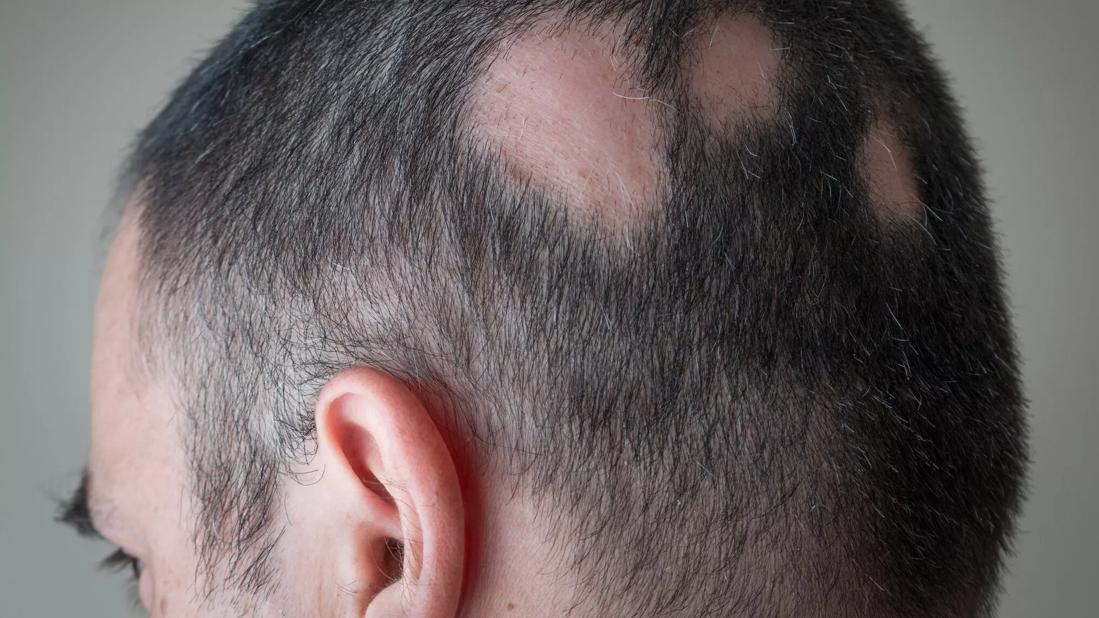
Alopecia areata is an autoimmune hair loss condition. Your immune system mistakenly targets hair follicles, which can lead to
patchy hair loss on the scalp, face (eyebrows/eyelashes), and sometimes other areas.
The follicles usually aren’t permanently destroyed, which is why regrowth is possiblebut the timing can be frustratingly random.
What it’s not
- Not contagious: You cannot “catch” alopecia areata from anyone (or give it to your pillowcase).
- Not caused by “dirty scalp”: This is not a hygiene failure.
- Not always stress-caused: Stress can be a trigger for some people, but many cases have no obvious trigger.
Common patterns and “bonus features”
Alopecia areata often appears as smooth, round or oval patches. Some people also notice nail changes (like pitting or ridges).
Severity ranges from a few small patches to more extensive loss. Your experience can change over timeregrowth and flare-ups may come in cycles.
Self-Care That Actually Helps
Self-care for alopecia areata is about two goals: (1) protecting your skin/hair and reducing avoidable damage, and (2) supporting
your mental health so the condition doesn’t hijack your entire calendar.
1) Treat your scalp like skin (because it is)
When hair is missing, your scalp is more exposed to sun, wind, cold, and irritation. That can mean discomfort nowand unnecessary sun damage later.
-
Sun protection: If you’re outdoors, wear a hat, scarf, or wig. If your scalp isn’t covered, apply a broad-spectrum SPF 30+
sunscreen and reapply every two hours (and after sweating or swimming). - Gentle cleansing: Use a mild shampoo. Scrubbing like you’re sanding a deck won’t help follicles “wake up.”
- Moisturize if needed: If your scalp feels dry or tight, a fragrance-free moisturizer can help.
2) Go easy on the hair you still have
Alopecia areata doesn’t come from heat styling or tight ponytails, but breakage and traction can make hair look thinner and feel more fragile.
Think of this as “protect the perimeter.”
- Avoid tight styles that pull at edges (high buns, tight braids, aggressive extensions).
- Limit harsh chemical treatments and high-heat tools when possible.
- Use a wide-tooth comb and detangle gentlyespecially when hair is wet.
3) Eyebrows, eyelashes, and nose hair: the unsung heroes
People rarely appreciate nose hairuntil it’s gone. Same with eyelashes. If alopecia affects these areas, practical self-care can make everyday life easier.
- Eye protection: If lashes are sparse, glasses/sunglasses help block dust and wind.
- Nasal comfort: If nostril hair is reduced, a thin layer of petrolatum inside the nostrils (not deepjust at the entrance) can reduce dryness and trap debris.
- Cosmetic options: Brow pencils, stencils, microblading (with a qualified professional), false lashes, or lash alternatives can restore a sense of “normal.”
4) Wigs, toppers, hats: confidence tools, not “giving up”
If you use a wig, topper, scarf, or head shave to feel like yourself again, that’s not surrenderit’s strategy.
Many people rotate options depending on weather, comfort, and mood (yes, mood counts as a medical reason).
- Choose breathable caps/liners to reduce scalp irritation.
- If adhesives bother your skin, ask your dermatologist about alternatives.
- Keep a “grab-and-go” option for days when you don’t want alopecia to be your main hobby.
5) Nutrition: support the system, don’t chase miracles
There’s no magic “alopecia diet,” but overall health mattersespecially because alopecia areata is immune-mediated. The most evidence-friendly approach is:
eat in a way that supports stable energy, good sleep, and lower inflammation risk. Think Mediterranean-style patterns: vegetables, fruit, whole grains, lean proteins,
healthy fats, and enough calories (dramatic restriction is not a hair-growth plan).
Also: ask your clinician whether it makes sense to check for deficiencies that can worsen hair issues or fatigue, such as vitamin D, iron status, and others.
Correcting a true deficiency is sensible; mega-dosing supplements “just in case” usually isn’t.
6) Track patterns like a calm detective
Alopecia can feel random, but patterns sometimes emerge. Tracking helps you have a better conversation with your dermatologistand reduces that nagging
“What did I do wrong?” feeling (spoiler: you didn’t).
- Take a quick photo once a week in consistent lighting.
- Note major stressors, illnesses, sleep disruptions, and new meds.
- Track scalp symptoms (itch, burning) and nail changes.
Stress, Alopecia Areata, and the Not-So-Fun Feedback Loop
Here’s the trap: hair loss causes stress, stress can worsen overall immune balance, and then more hair loss increases stress again. It’s the emotional version of
a microphone squealing near a speaker.
Research and clinical experience suggest that emotional stress may trigger or coincide with alopecia areata flares in some peopleespecially those already at risk.
But it’s not a simple “stress causes alopecia” equation. Many people develop alopecia areata without a clear trigger, and many stressed people do not develop alopecia.
Still, stress management for alopecia areata is worth taking seriously because it improves quality of life, supports healthy routines (sleep, movement, nutrition),
and may reduce the intensity of the stress-hair-loss feedback loop.
Stress-Management Toolkit (No Incense Required)
The best stress plan is the one you’ll actually do. You don’t need to master 27 breathing techniques or become a yoga influencer.
Pick a few tools and use them consistentlylike brushing your teeth, but for your nervous system.
Tool #1: The 2-minute “reset” breath
Try this when you catch yourself spiraling in the mirror or doom-scrolling alopecia forums at 1:00 a.m.:
- Inhale through your nose for 4 seconds.
- Hold for 2 seconds (optional).
- Exhale slowly for 6–8 seconds.
- Repeat for 6–10 rounds.
Longer exhales cue your body toward “rest and digest.” It won’t solve everything, but it can lower the volume on panic so you can think again.
Tool #2: Mindfulness that fits into real life
Mindfulness isn’t “empty your mind.” It’s noticing what’s happening without immediately wrestling it. Studies show mindfulness meditation can support stress reduction
and mental well-being in many people. Start tiny:
- 1-minute practice: Notice 5 things you can see, 4 you can feel, 3 you can hear, 2 you can smell, 1 you can taste.
- Shower mindfulness: Feel the water, notice the scent, and when your brain jumps to “What if it gets worse?” gently return to the sensation.
- Walking reset: Walk for 10 minutes and pay attention to your steps and breathing.
Tool #3: Progressive muscle relaxation (PMR)
Stress isn’t just thoughtsit’s also your body clenching like it’s bracing for impact. PMR helps you learn what “relaxed” feels like again.
Try tensing each muscle group for 5 seconds, then releasing for 10 seconds: feet → calves → thighs → hands → arms → shoulders → jaw.
Tool #4: Movement as mood medicine
Regular physical activity helps regulate stress and improves sleep. You don’t have to train for a marathon. A daily walk counts.
If you’re starting from zero, aim for “something daily” before you aim for “intense.”
- Walk while taking a call (bonus: fewer mirrors involved).
- Short strength sessions at home (10–20 minutes).
- Yoga or stretching if that feels good on your body.
Tool #5: Sleepyour underrated stress shield
Poor sleep amplifies stress and makes everything feel worse. Build a boring, reliable routine:
- Keep a consistent wake time most days.
- Limit caffeine late in the day.
- Put your phone on the other side of the room (yes, really).
- If racing thoughts hit, jot them down and tell yourself, “I’ll deal with this tomorrow.”
Tool #6: Thought skills (a.k.a. “Don’t believe everything your brain says”)
Alopecia can trigger harsh self-talk. A simple cognitive reframe can help:
- Thought: “Everyone is staring at my patch.”
- Reality check: Some people might notice. Most are thinking about their own life. (Same.)
- Replacement: “I can’t control other people’s attention, but I can control my next step.”
Tool #7: Social support is not optional
Alopecia can be isolating. Support doesn’t have to be deep therapy on day one.
It can be a support group, a trusted friend, or a community where you don’t have to explain every detail of autoimmune hair loss from scratch.
- Ask someone to be your “appointment buddy” if medical visits overwhelm you.
- Find a community (online or local) that’s supportivenot fear-based.
- If you’re anxious or depressed, consider professional support. You deserve to feel okay while you figure this out.
How Self-Care Fits with Medical Treatment
Self-care is the supportive framework. Medical treatment targets inflammation and immune signaling at the follicle level. Many people use bothbecause you can
do breathing exercises and follow a treatment plan. Multitasking is allowed.
Common medical options your dermatologist may discuss
- Intralesional corticosteroid injections: Often used for limited patchy alopecia areata to reduce local inflammation.
- Topical corticosteroids: Sometimes used alone or alongside other treatments.
- Topical minoxidil: May be used to support regrowth in some cases, often as an add-on.
- Topical immunotherapy or other topical agents: Used in some patients, especially with more extensive involvement.
-
JAK inhibitors for severe alopecia areata: In the U.S., several oral JAK inhibitors have FDA approval for severe alopecia areata in specific populations.
These are prescription medications with important safety considerations and monitoring requirements.
A practical question list for your visit:
- What type and severity of alopecia areata do I have?
- What are my realistic regrowth goals for the next 3–6 months?
- What side effects should I watch for with this plan?
- Should we screen for related conditions (for example, thyroid issues) based on my history and symptoms?
- Do labs for vitamin D or iron status make sense for me?
When to Get Extra Help
Call in backup if any of these are true:
- Hair loss is rapid, extensive, or affecting eyebrows/eyelashes.
- You have scalp symptoms like burning, pain, or scaling (could suggest another diagnosis).
- You’re experiencing significant anxiety, depression, or avoidance (skipping work/social life because of hair).
- You’re considering supplements or major diet changes and want to do it safely.
A dermatologist can confirm the diagnosis and review treatment options. A mental health professional can help you build coping skills that work in the real world
not just on paper.
Quick FAQ
Will my hair grow back?
Many people experience regrowth, but alopecia areata can be cyclical. Some patches regrow on their own; others respond better with treatment. Your dermatologist can
help you estimate expectations based on your pattern and severity.
Did I cause this by being stressed?
No. Stress may be a trigger for some people, but alopecia areata is an immune-mediated condition with genetic and environmental factors. Blaming yourself is not a treatment plan.
Is there a “best shampoo” for alopecia areata?
There’s no universal magic bottle. Look for gentle, fragrance-light products if your scalp is sensitive. If you have dandruff or inflammation, ask your clinician
whether a medicated shampoo makes sense.
Should I take biotin or hair gummies?
If you’re deficient in a nutrient, correcting it can help overall hair health. But supplements aren’t automatically beneficialand some can interfere with lab tests.
Talk to your clinician before starting high-dose supplements.
Can stress management really help alopecia areata?
Stress management can improve quality of life and help stabilize routines that support health (sleep, movement, nutrition). Some people also report fewer cycles
when stress is better managed. It’s a smart tool even if it’s not a guaranteed switch for regrowth.
Real-World Experiences: What Living With Alopecia Areata Can Teach You
The stories below are composite examples based on common patient experiences and coping patterns. Your situation may look differentand that’s normal.
Experience #1: The “I’ll Fix It by Tomorrow” Phase.
A lot of people start with an emergency mindset: new patch appears, and suddenly you’re researching at Olympic speed. You buy three scalp serums, two hats,
and a ring light “for progress photos” (which, honestly, is not the worst idea). The biggest lesson here is that urgency is understandablebut panic makes you
exhausted. People who do better long-term tend to pick a simple routine: gentle hair care, scalp sun protection, and a plan with a dermatologist.
When the plan is clear, your brain stops trying to solve the entire immune system at 2:00 a.m.
Experience #2: The “Mirror Negotiations.”
Many people describe a daily negotiation: “If the patch looks smaller, I’ll have a good day. If it looks bigger, I’ll cancel everything.” Over time, the goal
becomes separating appearance from worth. One surprisingly effective strategy is building “confidence defaults”a go-to hairstyle, hat, scarf,
topper, or shave that makes you feel presentable in under five minutes. It’s not about hiding. It’s about reclaiming your time and attention so you can show up
for your life, not just your hairline.
Experience #3: Stress isn’t the villain, but the volume knob matters.
People often notice that flares cluster around big stressors: illness, grief, job changes, exams, or months of poor sleep. The key insight: you can’t remove stress
from being human, but you can lower the intensity and improve recovery. Many find that a short daily practicelike a 10-minute walk, a breathing routine before bed,
or journalingdoesn’t “cure” alopecia, but it reduces the sense of helplessness. That alone is powerful. And when stress is lower, it’s easier to keep appointments,
use medications correctly, eat regularly, and sleepthings that support overall resilience.
Experience #4: The “Community Shift.”
Alopecia can make you feel like you’re the only person on Earth dealing with this. Then you join a support group or find a helpful community and realize:
(1) you’re not alone, and (2) your feelings are wildly normal. People often report that the emotional load decreases when they can talk openlywithout having to
educate everyone on what alopecia areata is. Community support also helps with practical tips: how to prevent scalp irritation under wigs, which brow products last
through humid weather, and how to respond to awkward questions with a polite sentence (or a funny one).
Experience #5: Redefining “progress.”
Many people eventually redefine progress as more than regrowth. Yes, regrowth matters. But progress can also be: going to the beach anyway, taking photos with friends,
returning to the gym without feeling watched, or walking into work without rehearsing apologies for your scalp. Some describe a turning point when they stop treating
alopecia as a personal failure and start treating it like a health condition they managelike asthma or migraines. That mindset shift doesn’t erase the hard days,
but it reduces shame. And when shame drops, coping gets easier.
If you take nothing else from these experiences, take this: you deserve care that includes your mind, not just your follicles.
Build a routine you can sustain, use stress tools you’ll actually do, and get supportmedical and emotionalso alopecia doesn’t become the narrator of your life story.